
Category: Sights & attractions
Castles, gorges, historic towns and spectacular viewpoints , the Alps are full of rewarding places to visit. Here you will find sights across all six Alpine countries, from famous landmarks to quiet insider tips.
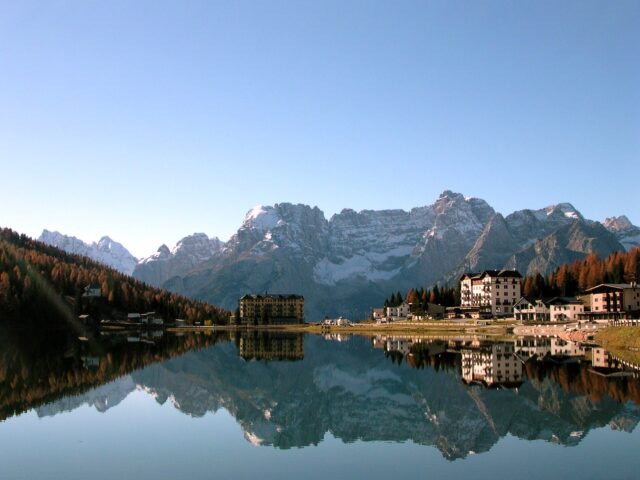
The Lago di Misurina is the largest natural lake in the Ampezzo Dolomites and lies at around 1,750 m. Its still water reflects the surrounding peaks, including the Sorapis and the nearby Tre Cime, whose toll road begins here. The especially pure mountain air made Misurina an early recognised high-altitude health resort.HighlightsReflection of the Dolomite peaks…
View more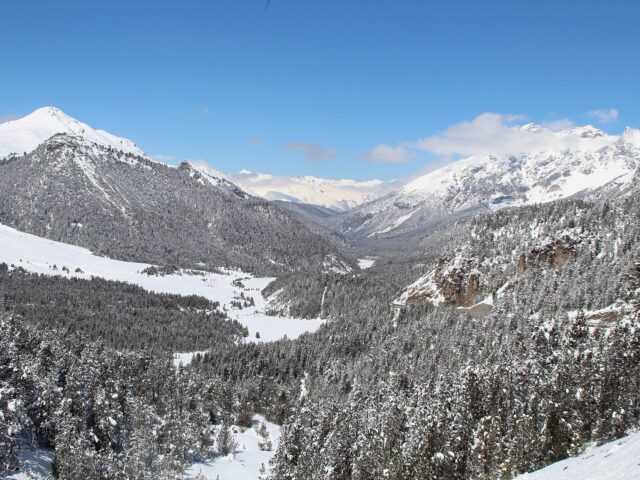
Founded in 1914, the Swiss National Park in the Engadin is the oldest national park in the Alps and a strict total reserve: nature is left entirely to itself and visitors may not leave the marked trails. Across some 170 km² live ibex, chamois, red deer, marmots and bearded vultures. The visitor centre in Zernez introduces the idea and…
View more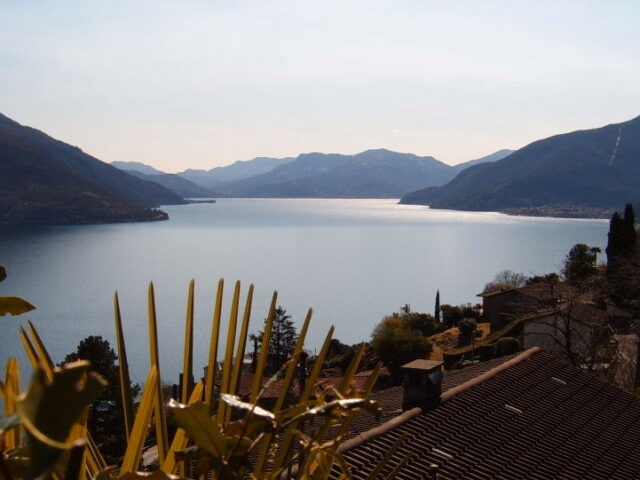
Lake Maggiore stretches from Ticino into Italy; its Swiss northern end around Locarno and Ascona is known for its mild, almost Mediterranean climate, palm-lined promenades and camellia blossom. At the lake’s surface, Locarno holds the lowest point in Switzerland at around 197 m. Above the town towers the pilgrimage church Madonna del Sasso, reachable by…
View more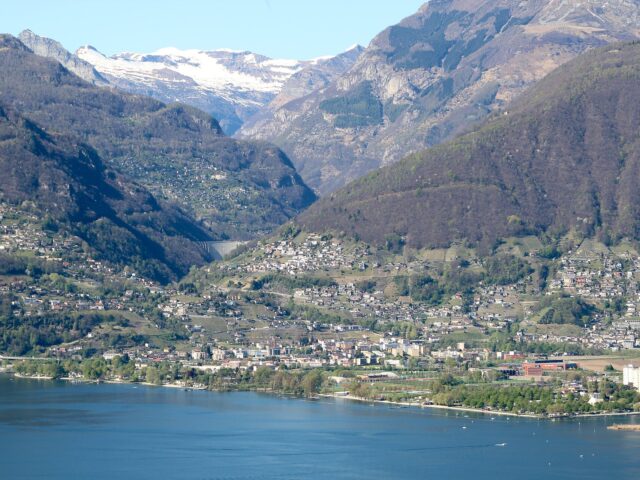
The Verzasca valley north of Locarno is famous for the exceptionally clear, emerald-green water of the Verzasca river. Its landmark is the double-arched stone bridge Ponte dei Salti near Lavertezzo, often called the “Roman bridge”. At the valley exit, the 220 m high Verzasca dam holds back the lake, known for the bungee jump in the James Bond opening of “GoldenEye”.HighlightsCrystal-clear, emerald-green river waterPonte…
View more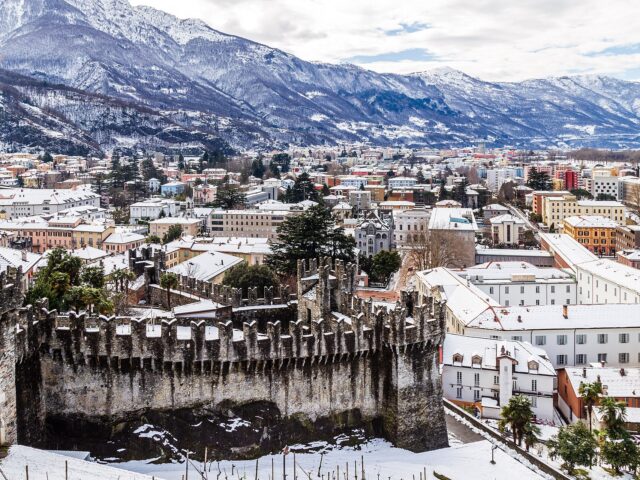
Bellinzona, the capital of Ticino, guards the important north–south link over the alpine passes with three medieval castles. Castelgrande, Montebello and Sasso Corbaro, together with the defensive wall that once reached across the valley, form a unique fortification ensemble that has been a UNESCO World Heritage Site since 2000. The complex is regarded as the most important example of medieval defensive architecture in the Alpine region.HighlightsThree castles:…
View more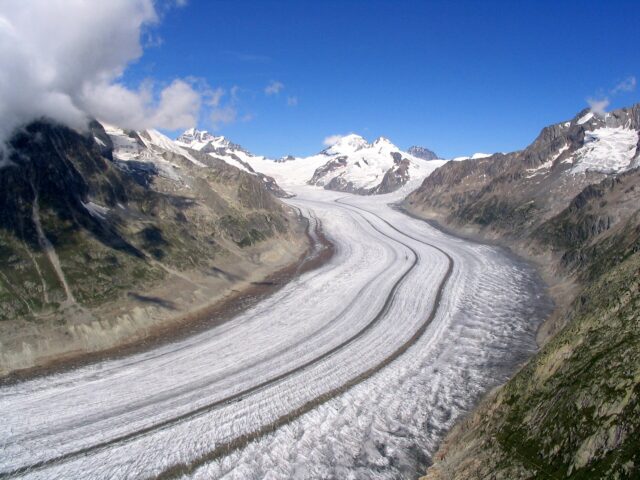
The Great Aletsch Glacier is, at around 20 km long, the longest and largest glacier in the Alps and the heart of the UNESCO World Heritage Site Swiss Alps Jungfrau-Aletsch. From the Aletsch Forest and the viewpoints Eggishorn, Bettmerhorn and Moosfluh you look out over the mighty stream of ice, fed by the firn fields of the Jungfrau region. Like all Alpine glaciers…
View more