


Destinations

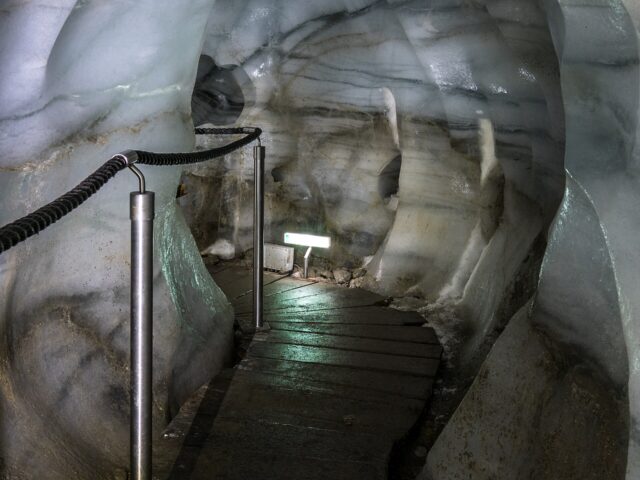
The Stubai Glacier at the head of the Stubai valley is the largest glacier ski area in Tyrol and only about 45 minutes from Innsbruck. The Top of Tyrol viewing platform at 3,210 m offers a wide view over the Stubai Alps. In the valley the Wilde-Wasser-Weg along waterfalls is…
View more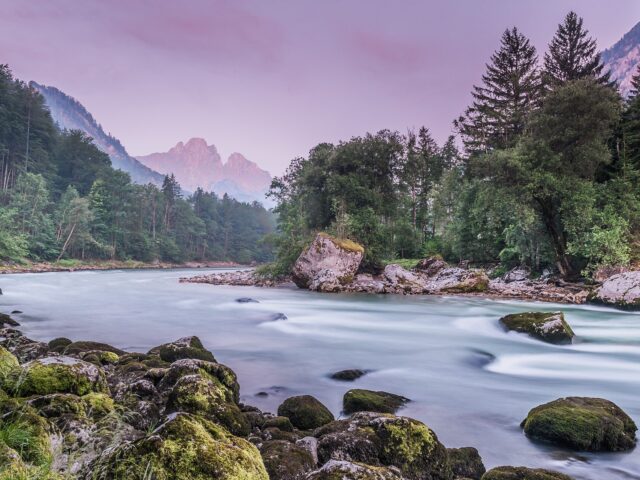
Founded in 2002, the Gesäuse National Park in Upper Styria protects one of Austria's wildest mountain landscapes, where the Enns cuts deep into the steep limestone walls of the Gesäuse mountains. Golden eagles, chamois and rare plants live here. White water, via ferratas and scenic trails make the park a…
View more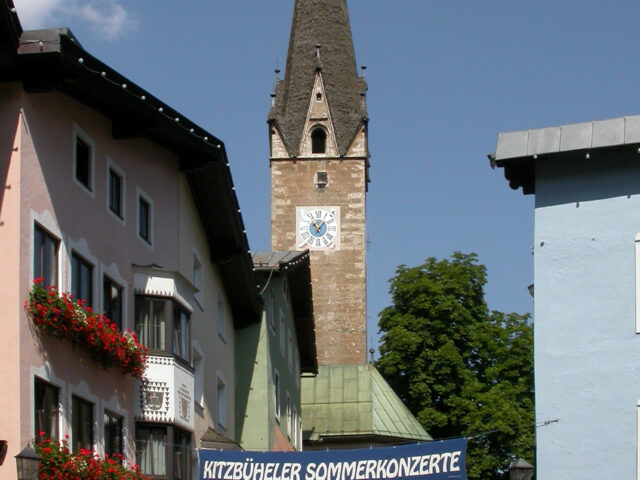
Kitzbühel is one of the best-known and most fashionable ski towns in the Alps. On the Hahnenkamm the Streif is raced each year, the most famous and most feared downhill of the alpine Ski World Cup. The medieval old town with its town houses also makes the place a popular…
View more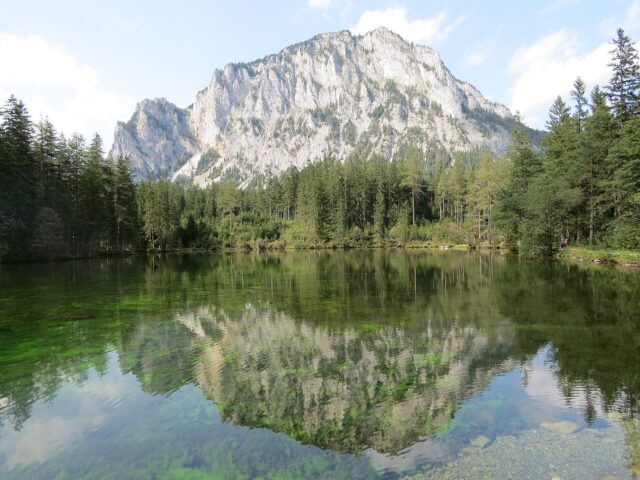
The Grüner See near Tragöß at the foot of the Hochschwab is known for its clear, emerald-green water. With the snowmelt it swells strongly in early summer and floods the surrounding meadows and paths, while in late summer it is only shallow. To protect the fragile water, diving is now…
View more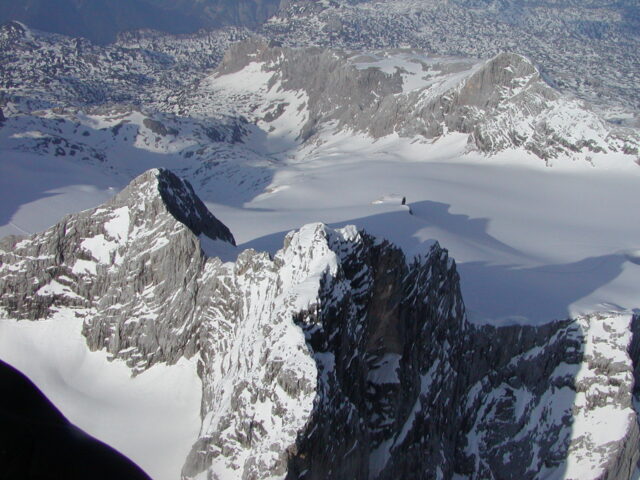
The Dachstein, at 2,995 m, is the highest mountain in Styria and carries one of the last glaciers of the Northern Limestone Alps. From the top station the Skywalk, the suspension bridge and the Stairway to Nowhere lead to dizzying views. In winter the Dachstein glacier is a ski and…
View more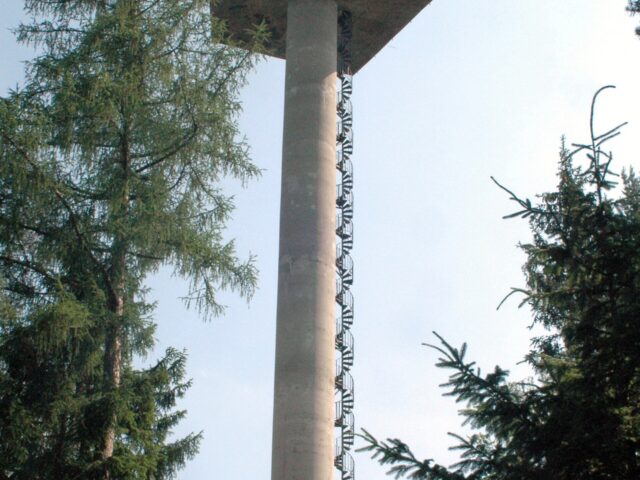
The Pyramidenkogel above the Wörthersee carries the highest wooden observation tower in the world. From the platform at around 70 m the view reaches over the Wörthersee, the Klagenfurt basin and as far as the Karawanks. A covered slide leads as a fast descent back down from the tower. Highlights…
View more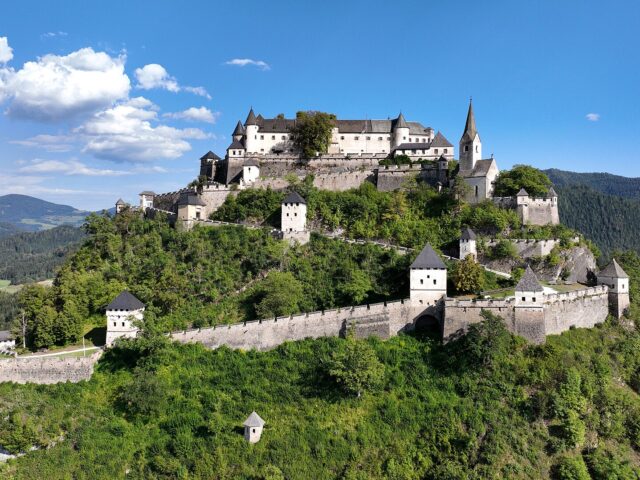
Burg Hochosterwitz sits on a rocky cone around 160 m high and is regarded as one of Carinthia's landmarks. The ascent leads through 14 successive gates, an extraordinary medieval fortification. Preserved largely since the 16th century, the castle is visible from afar and today houses a museum. Highlights Striking rocky…
View more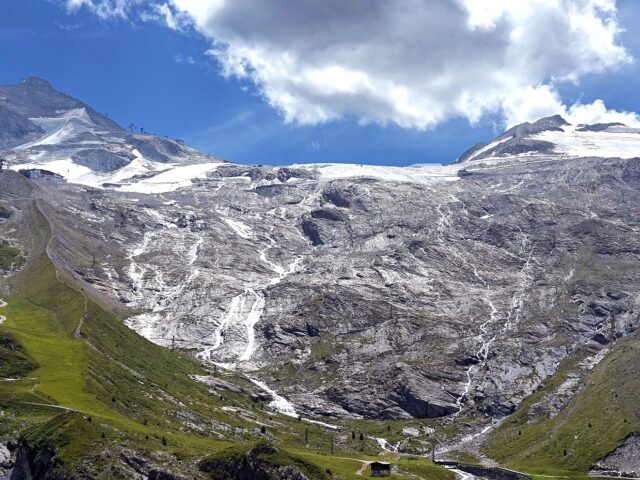
At the head of the Tux valley lies the Hintertux Glacier, the only ski area in Austria open 365 days a year. Cable cars open up the glacier world up to around 3,250 m at the Gefrorene Wand. In summer, skiing up top and hiking in the valley are possible…
View more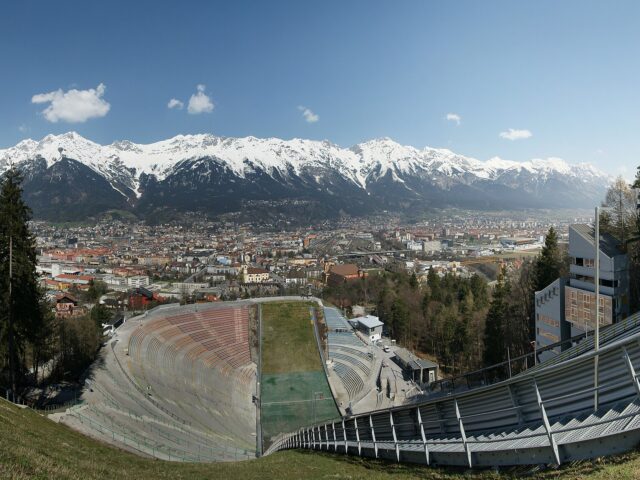
Innsbruck, the capital of Tyrol, lies in the Inn valley directly beneath the Nordkette and combines old town with high mountains. From the Goldenes Dachl it takes only about 20 minutes by the Hungerburgbahn and the Nordkette cable cars up to around 2,256 m at the Seegrube. The city twice…
View more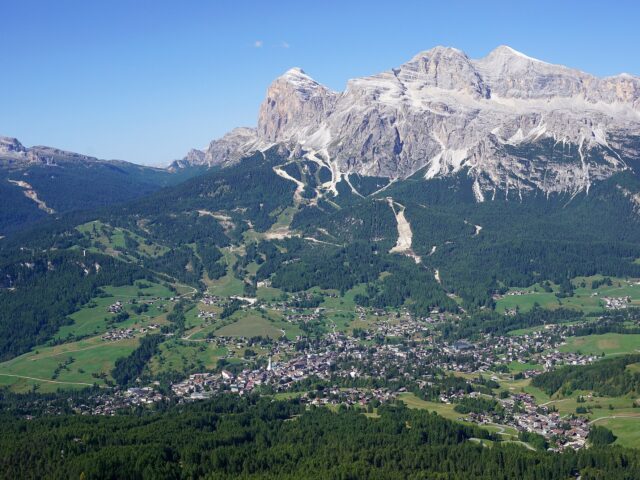
Cortina d'Ampezzo is regarded as the Queen of the Dolomites and one of the most elegant mountain resorts in the Alps. The town at around 1,200 m hosted the Olympic Winter Games in 1956 and is, together with Milan, one of the hosts of the 2026 Winter Games. All around…
View more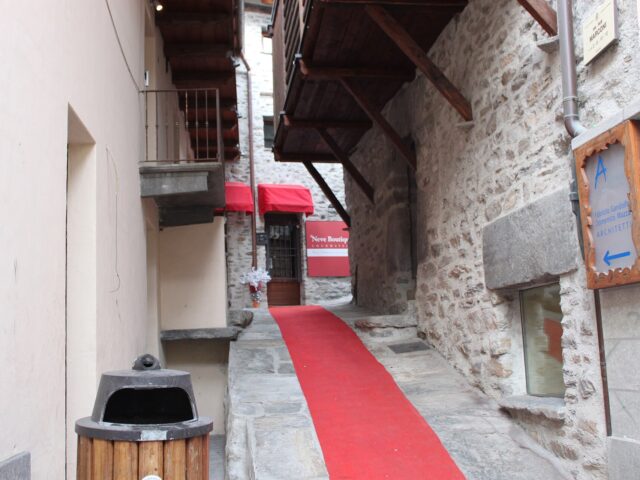
Courmayeur lies at around 1,200 m directly at the foot of Monte Bianco and is one of the most tradition-rich mountain resorts in Italy. The traffic-calmed pedestrian zone with stone houses, the alpine museum and the proximity to the Skyway, Val Veny and Val Ferret make the town a fashionable…
View more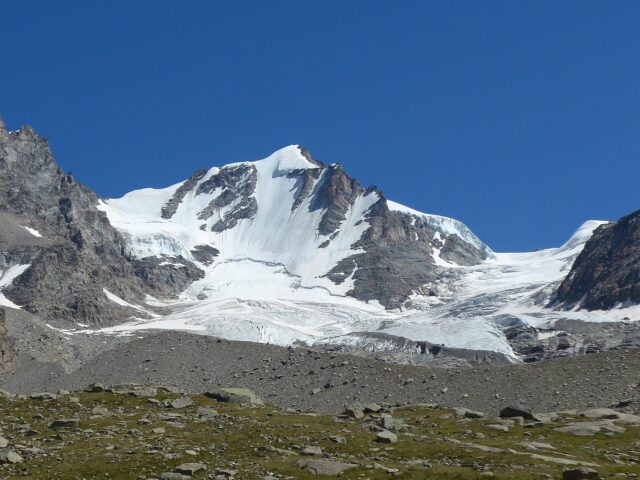
The Gran Paradiso, at 4,061 m, is the only four-thousander lying entirely on Italian soil. The protected area surrounding it was established in 1922 as Italy's first national park, originally to save the Alpine ibex from extinction. Today the park is one of the best places in the Alps to…
View more