'/%3E%3C/svg%3E)


'/%3E%3Cpath%20fill='%23b2b2b2'%20d='M241%20382q0%2016%2017%2026%2017%2011%2042%2011t42-11q16-11%2017-26V269H241'/%3E%3Cpath%20fill='%239f7e00'%20d='M241%20379q0%2014%208%2023%209%209%2021%209%2014%200%2021-9%209-9%209-23V269h-59'/%3E%3Cpath%20d='M241%20339v-70h59v110q0%2014-9%2023l-6%205v-68h-15v72q-8%200-14-4v-68zm59%2040c0%2022%2015%2032%2029%2032%2021%200%2030-18%2030-32v-40h-59'/%3E%3Cpath%20fill='%239f7e00'%20d='M266%20277v5h2v12h-3v-5h2v-5h-9v5h2v5h-4v9h3v18h-5v10h34v-10h-5v-18h3v-9h-4v-5h2v-5h-9v5h2v5h-3v-12h2v-5zm42%20101q0%2010%206%2017%206%206%2015%207%2010-1%2016-7%206-7%206-17v-29h-43'/%3E%3Ccircle%20fill='%230044ad'%20cx='329.5'%20cy='372'%20r='6'/%3E%3Cellipse%20fill='%230044ad'%20cx='300'%20cy='340'%20rx='16'%20ry='21'/%3E%3C/svg%3E)

'/%3E%3C/g%3E%3Cuse%20href='%23c'%20transform='matrix(-1%200%200%201%20720%200)'/%3E%3C/svg%3E)


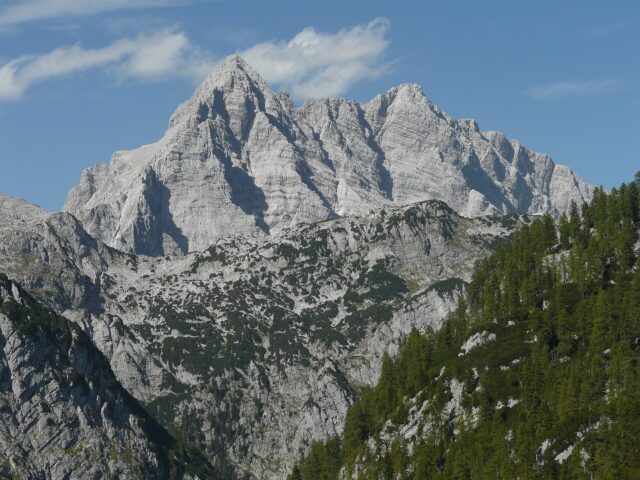
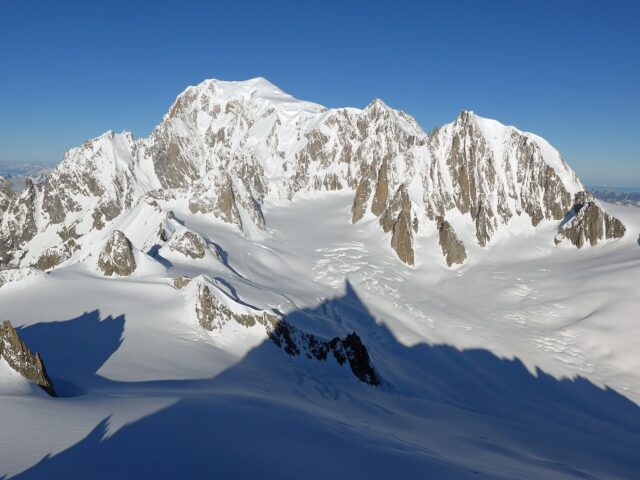
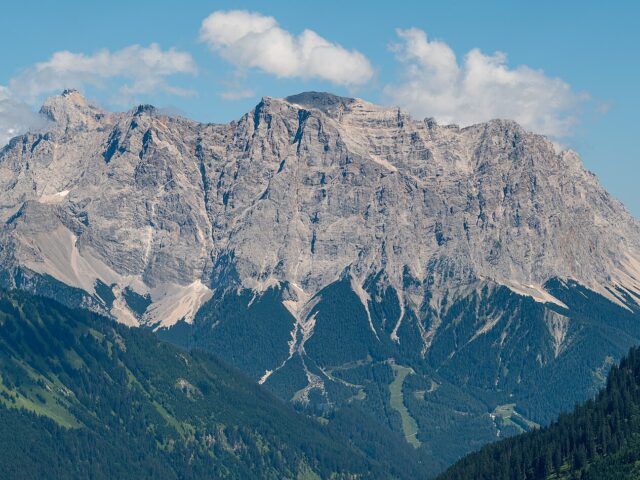
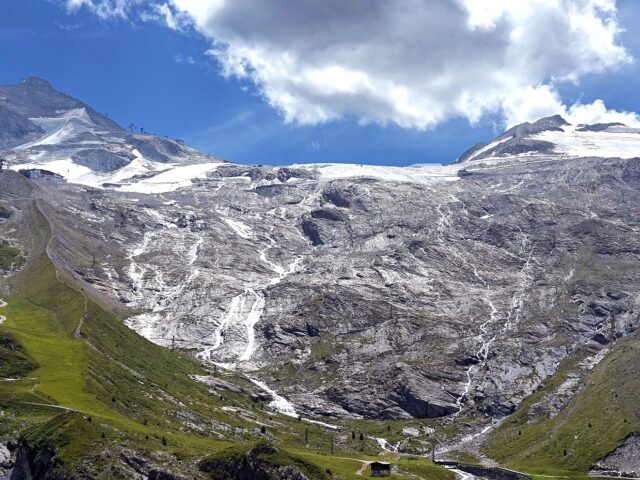
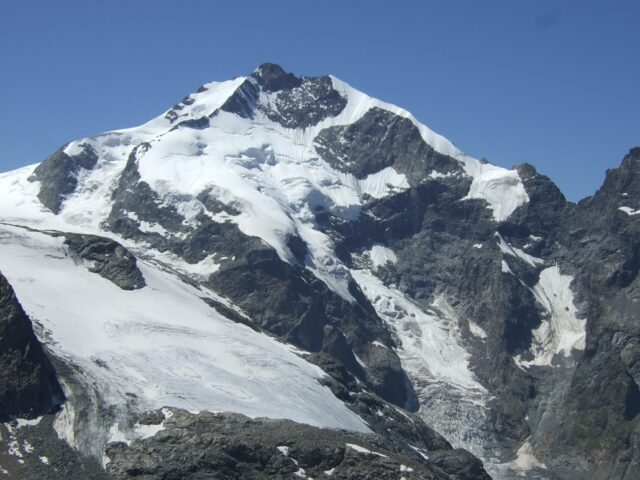
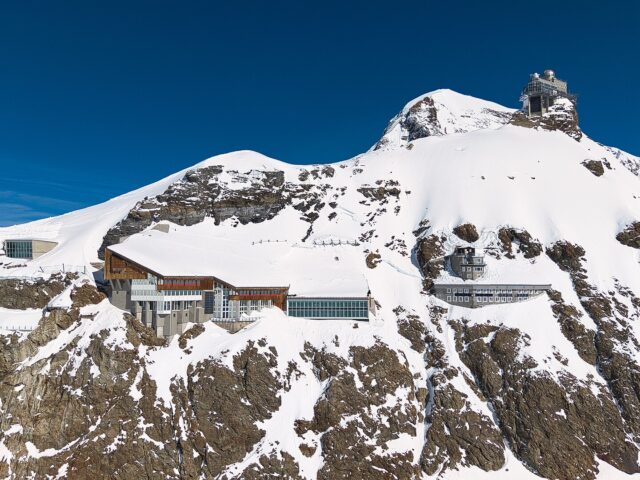
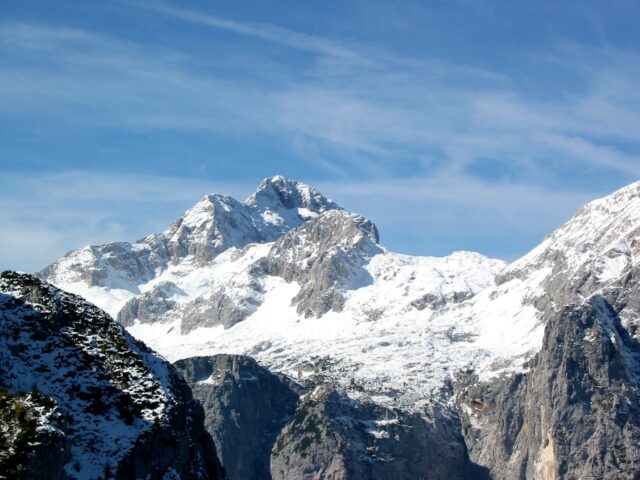
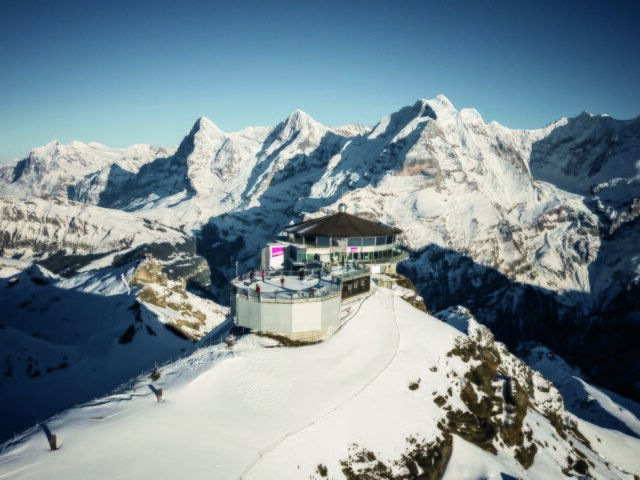
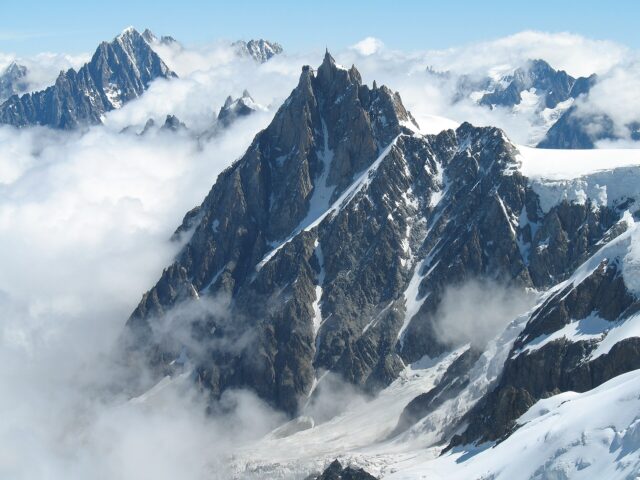
Dachstein (Schladming)
Glacier with skywalk and suspension bridge
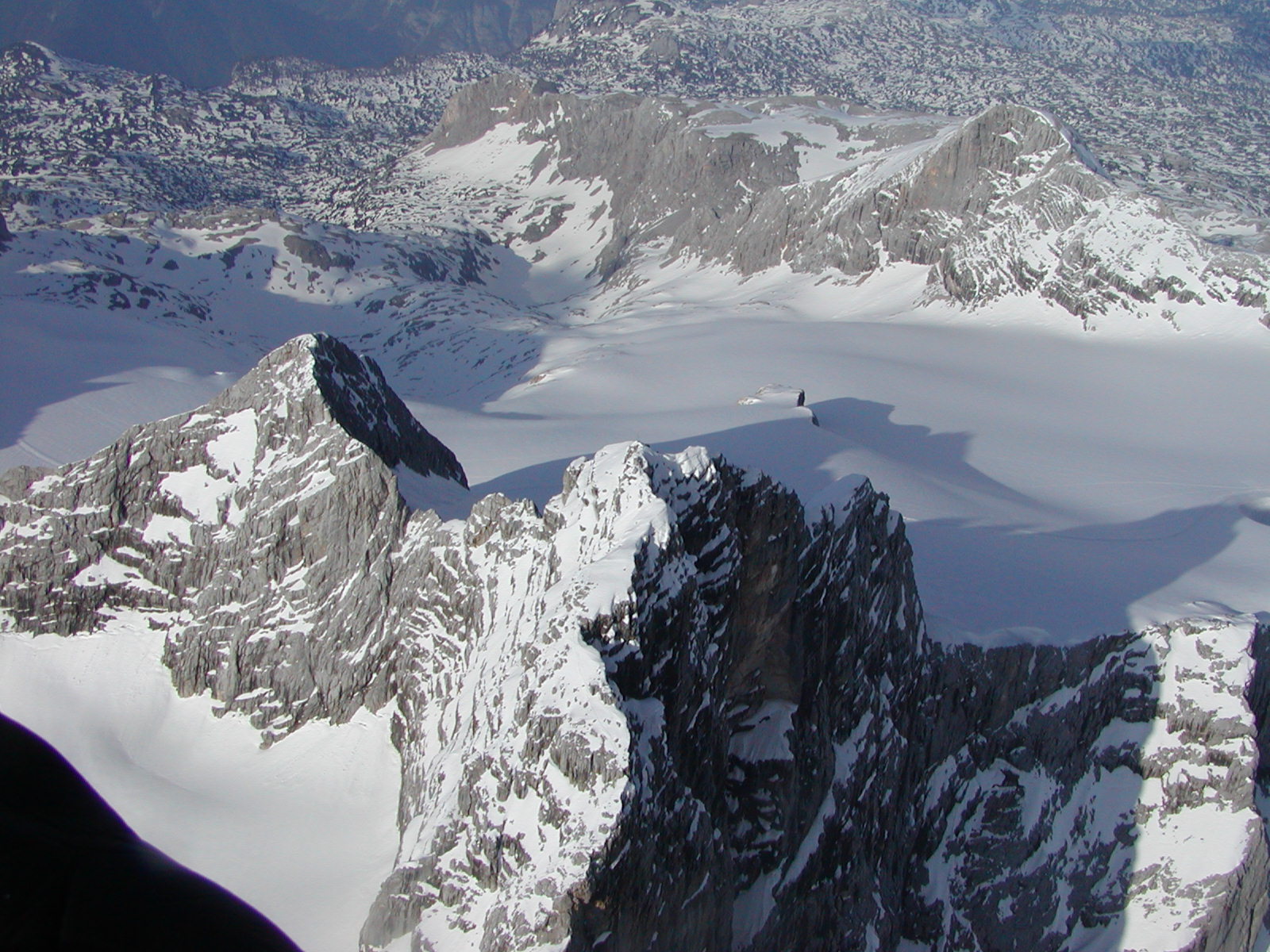
Foto: Ralph Deleja-Hotko = de:Benutzer:Aerotiker / Wikimedia Commons (CC BY-SA 3.0 de)
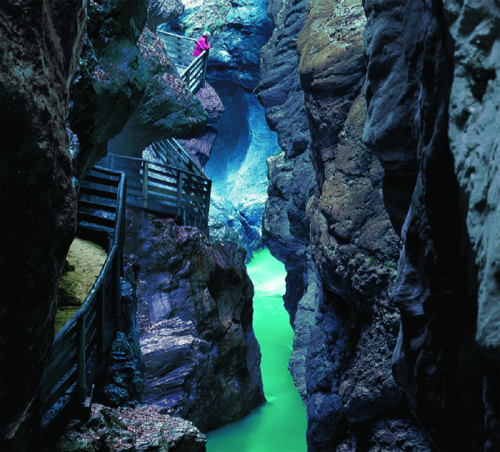
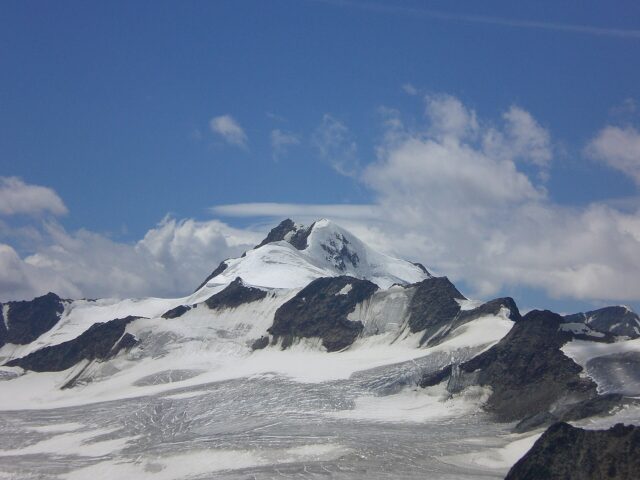
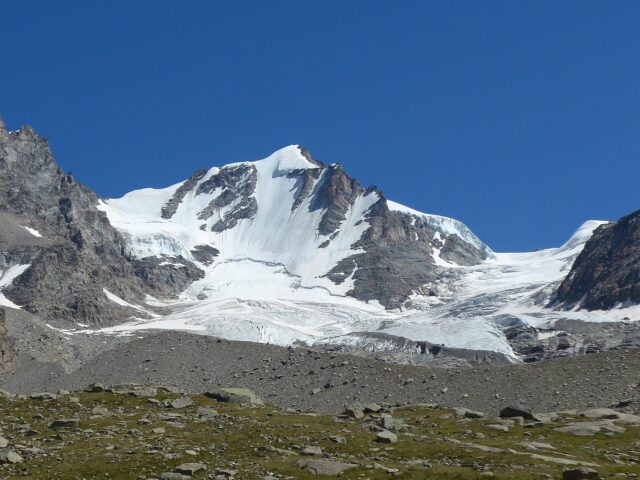
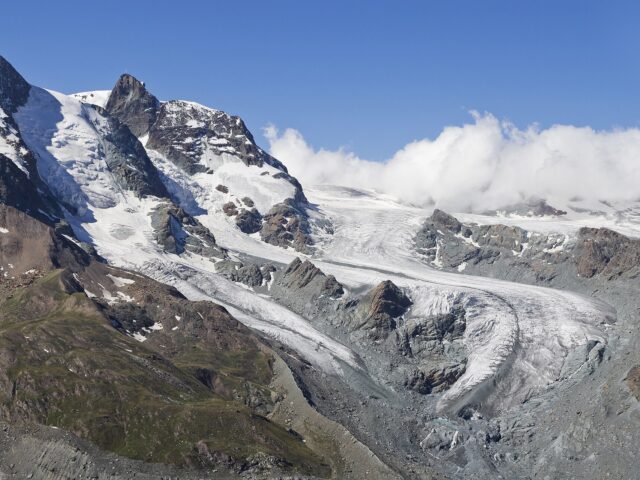
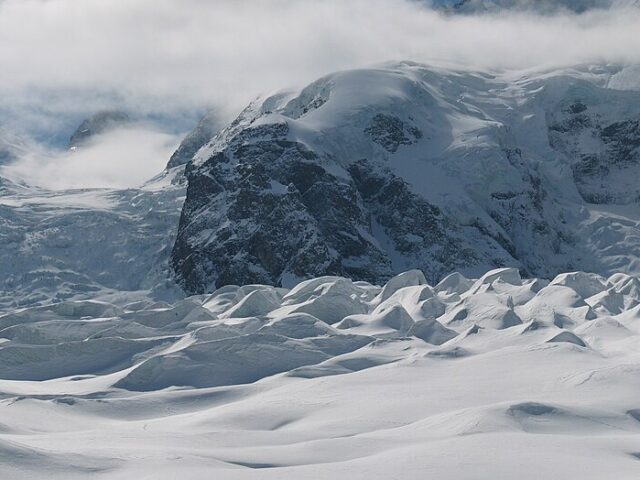
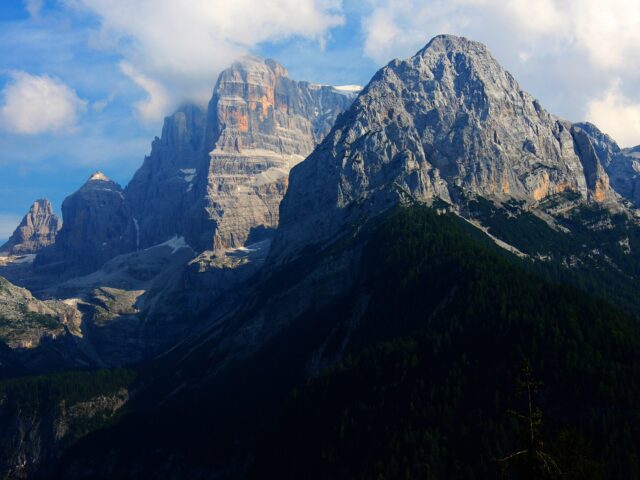
The Dachstein, at 2,995 m, is the highest mountain in Styria and carries one of the last glaciers of the Northern Limestone Alps. From the top station the Skywalk, the suspension bridge and the Stairway to Nowhere lead to dizzying views. In winter the Dachstein glacier is a ski and cross-country area, in summer a hiking and high-tour destination.
The right gear for Peaks & MountainsOur honest tips and tests for it.
Highlights
- Highest mountain in Styria (2,995 m)
- Skywalk, suspension bridge and Stairway to Nowhere
- Glacier for skiing and cross-country
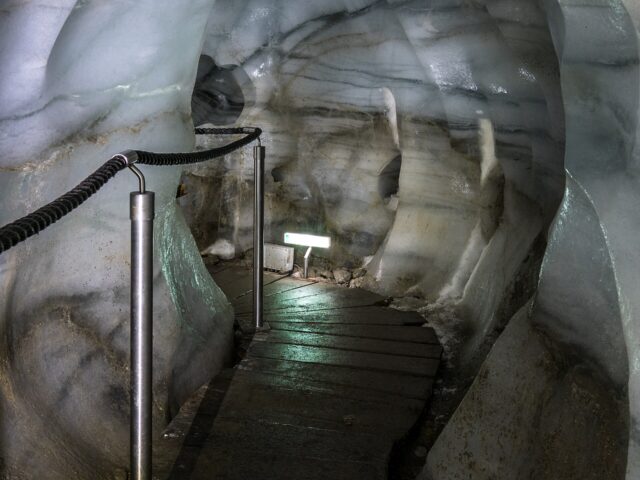
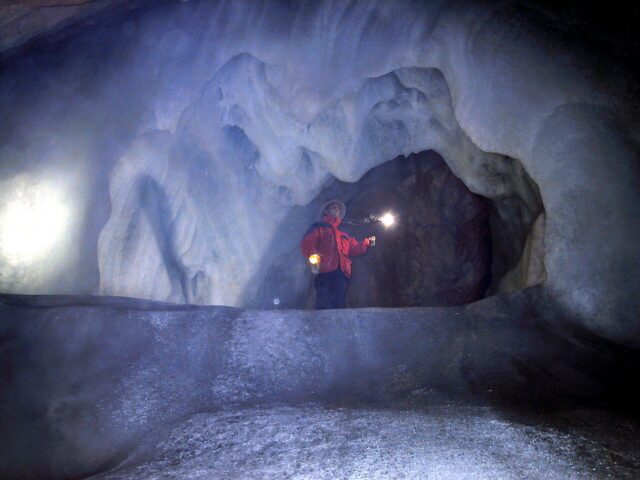
- Ice palace in the glacier
Good to know
| Elevation | 2,995 m (highest in Styria) |
| Attractions | Skywalk, suspension bridge, Stairway to Nowhere |
| Glacier | Dachstein glacier |
| Starting point | Ramsau / Schladming |
Practical info
Getting there: By train to Schladming, then bus to the Dachstein glacier railway (Ramsau).
Best time: Skiing autumn to spring; views and hiking year-round depending on weather.
Cost: Glacier railway and attractions payable (please verify).
Safety: Platforms are secured; high tours on the glacier only with equipment and a guide.
Tips:
- Choose a clear day, in fog the ascent is hardly worth it
- Dress warmly, it is much colder up top than in the valley
Background & History
The Dachstein is the glaciated roof of Styria and at the same time a border figure between the provinces of Styria, Upper Austria and Salzburg. Even from afar the white summit massif acts like a landmark, which has always appeared in travel accounts of the Salzkammergut as a point of orientation across many hours of walking. Its pale massif consists of limestone that once formed as a reef in a warm sea and was later lifted up by mighty tectonic forces. The karst plateau above it is criss-crossed by dolines, shafts and caves, a water castle that feeds the springs of the surrounding area.
Only around 1800 did the scientific and alpinistic exploration begin, in an age when the measuring and naming of peaks became an expression of a new, inquisitive understanding of nature. Schladming itself was long a mining town in which silver and nickel secured prosperity, before the region became the stage of modern ski sport. Today a cable car connects the valley with the glacier world, and the glass viewing platform on the Hunerkogel lets the gaze roam over a sea of peaks. Whoever stands up here senses why painters, poets and composers found inspiration again and again in this stretch of land, which, together with nearby Hallstatt and its ancient salt mining, ranks among the most history-laden regions of the Alps.
So your trip runs smoothly, our honest recommendations for this spot:
Activities here
More in the Styria region
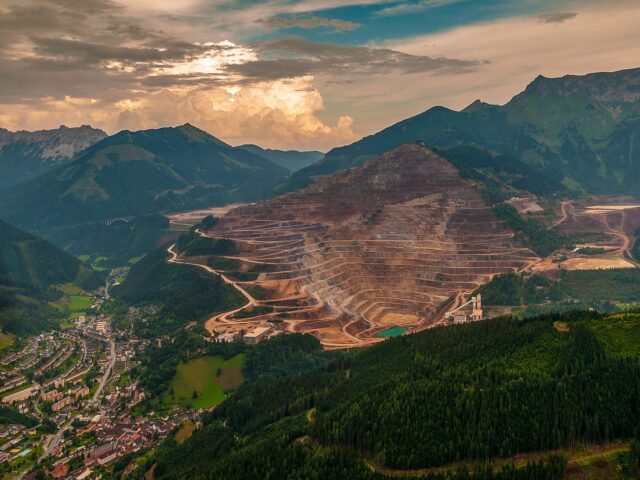
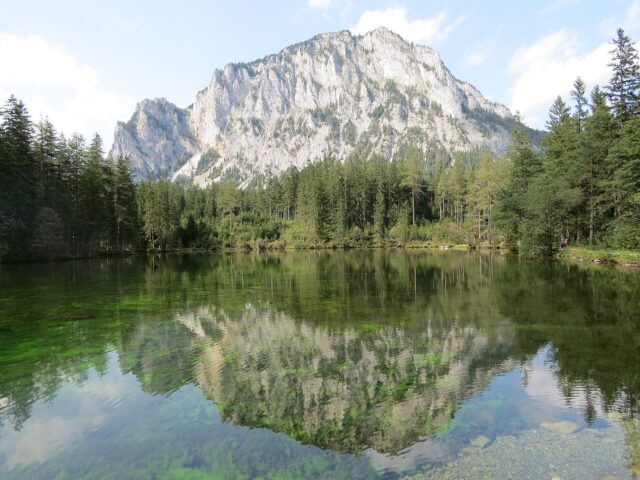
Riegersburg · Gesäuse National Park · Styrian Erzberg · Grüner See (Tragöß)