'/%3E%3C/svg%3E)


'/%3E%3Cpath%20fill='%23b2b2b2'%20d='M241%20382q0%2016%2017%2026%2017%2011%2042%2011t42-11q16-11%2017-26V269H241'/%3E%3Cpath%20fill='%239f7e00'%20d='M241%20379q0%2014%208%2023%209%209%2021%209%2014%200%2021-9%209-9%209-23V269h-59'/%3E%3Cpath%20d='M241%20339v-70h59v110q0%2014-9%2023l-6%205v-68h-15v72q-8%200-14-4v-68zm59%2040c0%2022%2015%2032%2029%2032%2021%200%2030-18%2030-32v-40h-59'/%3E%3Cpath%20fill='%239f7e00'%20d='M266%20277v5h2v12h-3v-5h2v-5h-9v5h2v5h-4v9h3v18h-5v10h34v-10h-5v-18h3v-9h-4v-5h2v-5h-9v5h2v5h-3v-12h2v-5zm42%20101q0%2010%206%2017%206%206%2015%207%2010-1%2016-7%206-7%206-17v-29h-43'/%3E%3Ccircle%20fill='%230044ad'%20cx='329.5'%20cy='372'%20r='6'/%3E%3Cellipse%20fill='%230044ad'%20cx='300'%20cy='340'%20rx='16'%20ry='21'/%3E%3C/svg%3E)

'/%3E%3C/g%3E%3Cuse%20href='%23c'%20transform='matrix(-1%200%200%201%20720%200)'/%3E%3C/svg%3E)


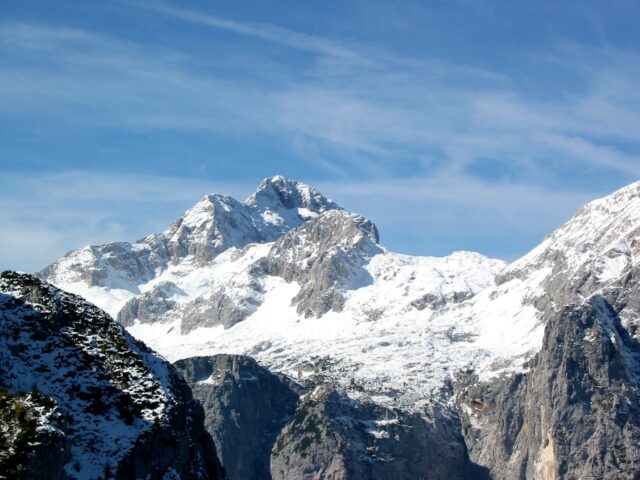
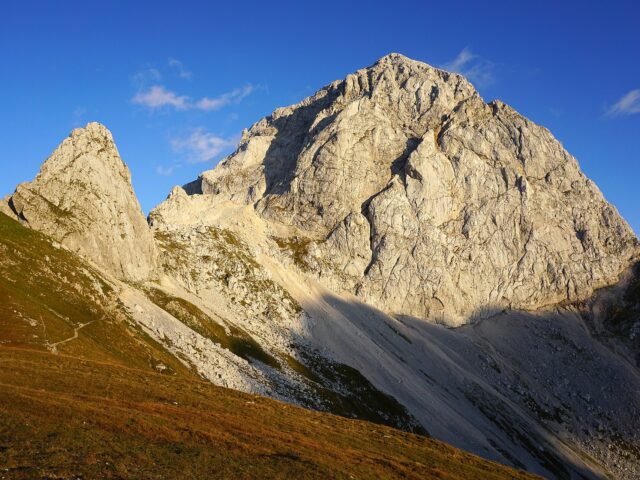
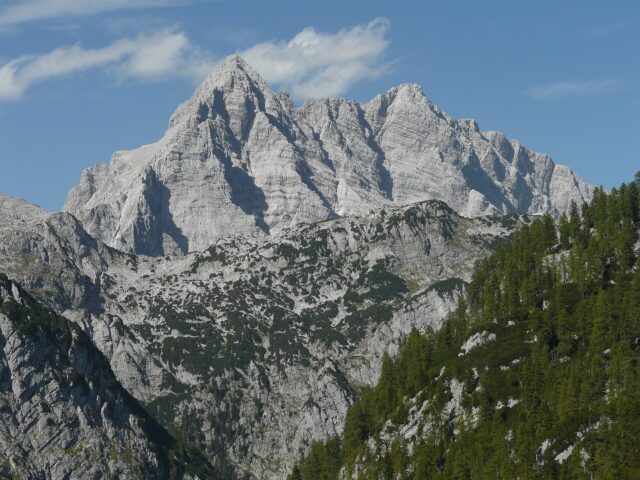
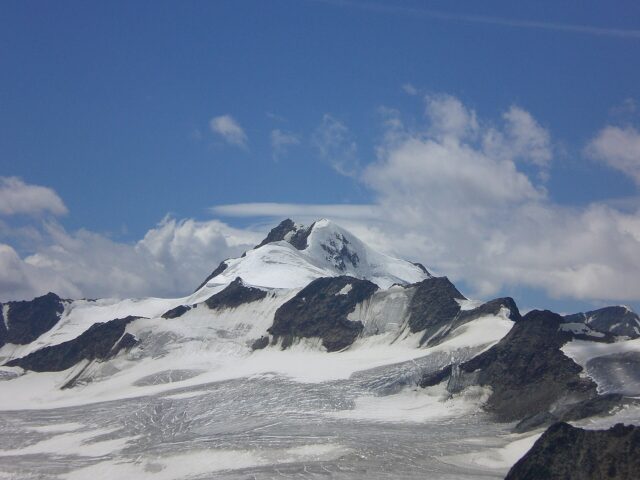
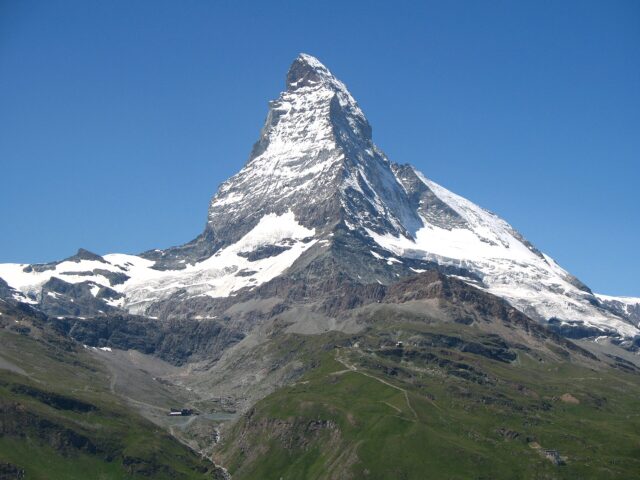
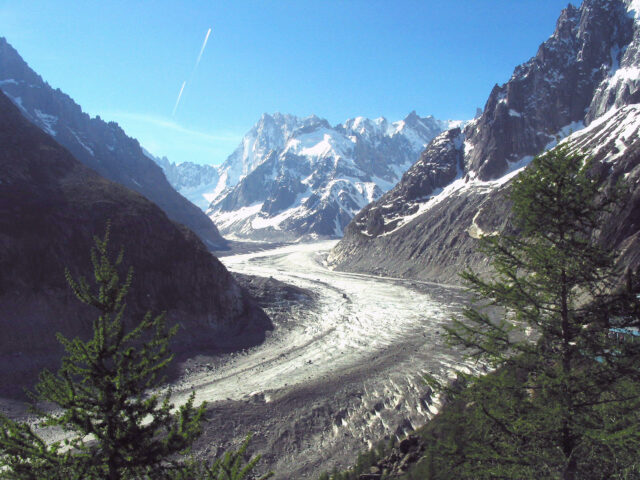
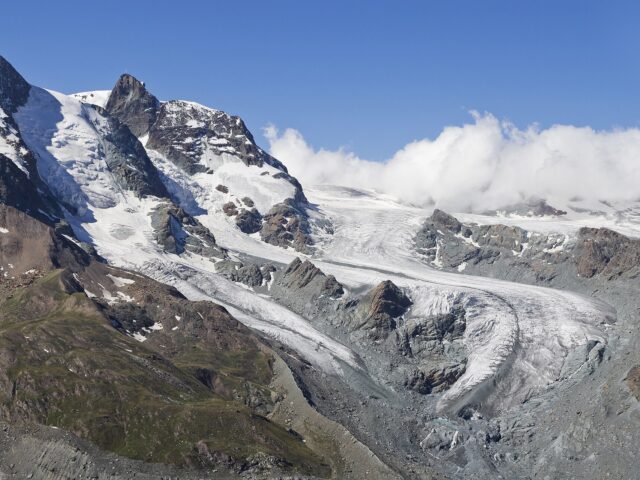
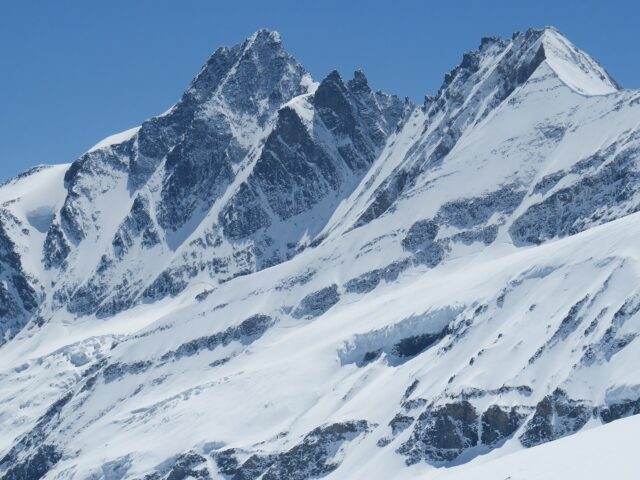
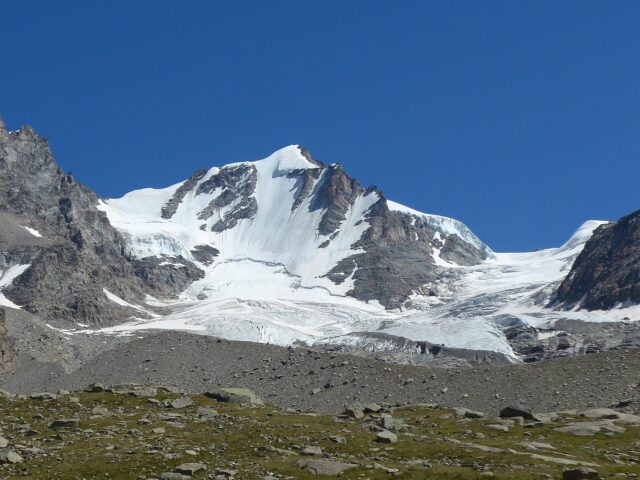
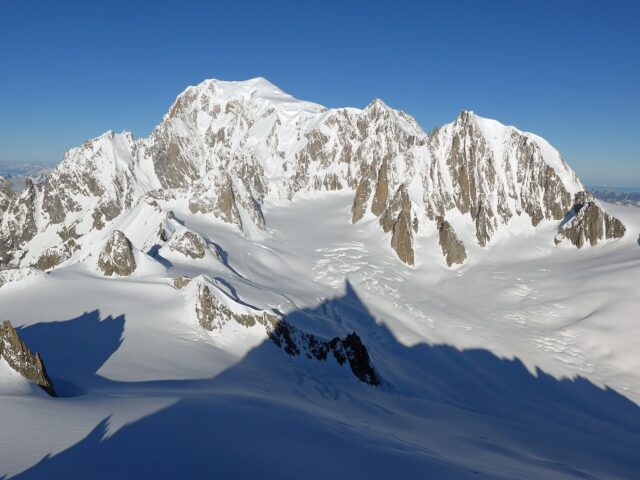
Piz Bernina
Highest peak in the Eastern Alps, 4,049 m
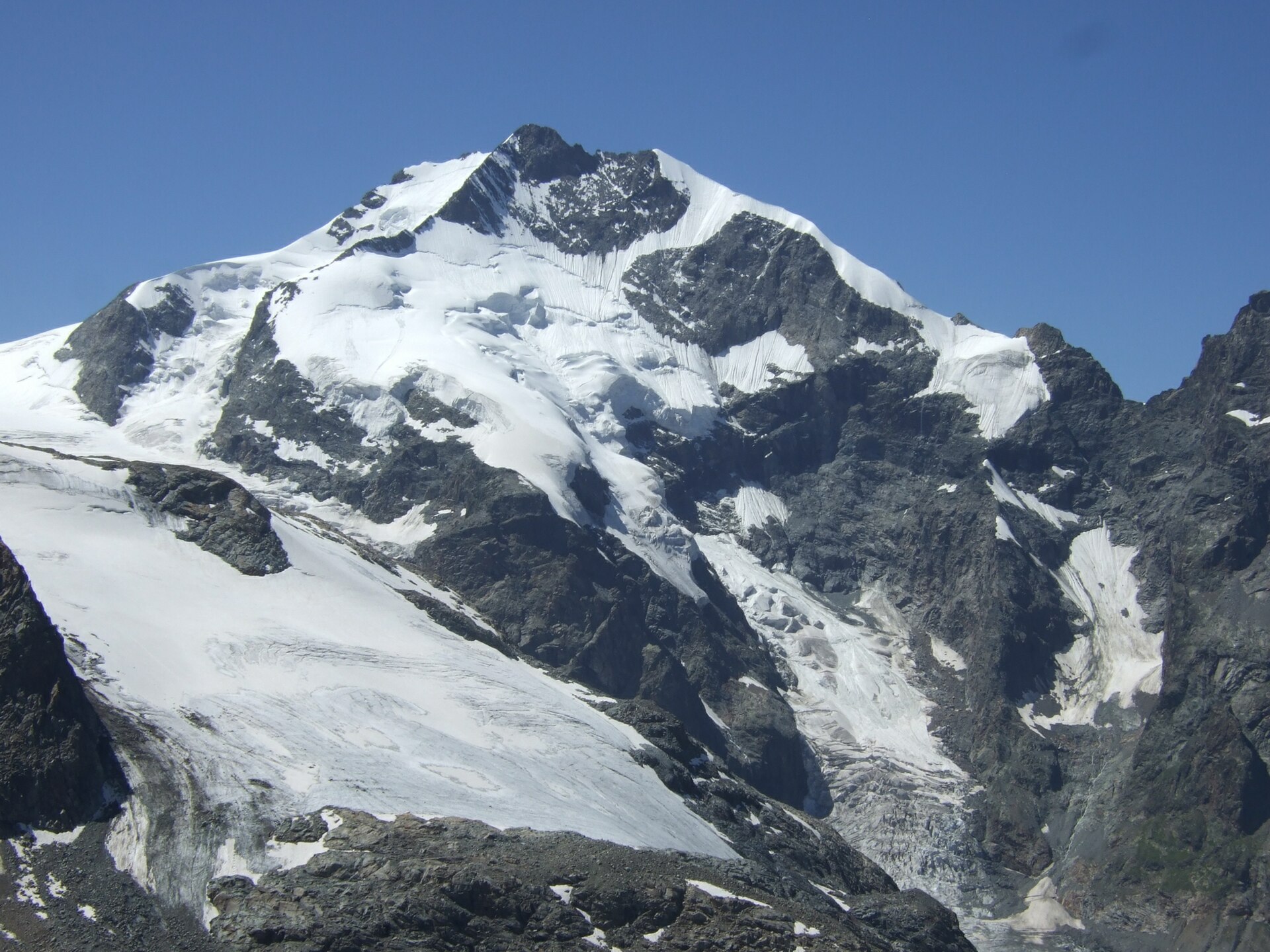
Foto: Marco Zanoli (sidonius) / Wikimedia Commons (CC BY 3.0)
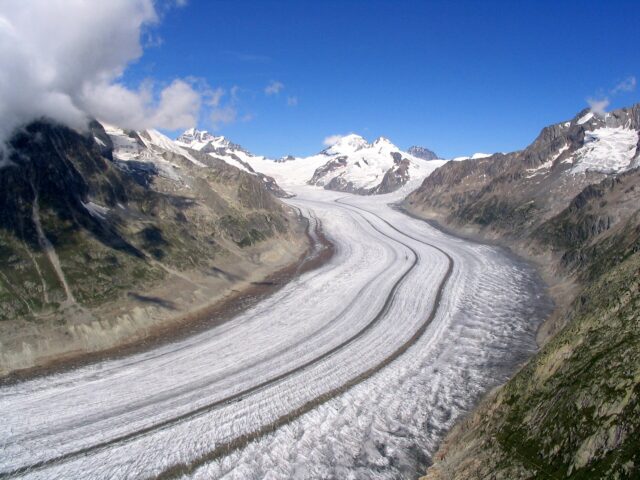
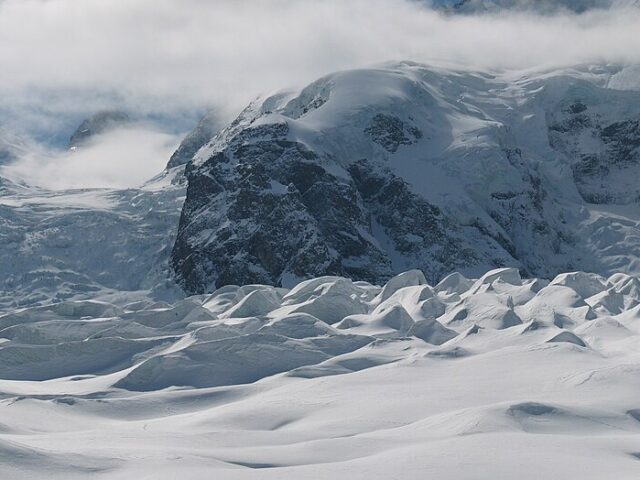
The Piz Bernina, at 4,049 m, is the highest peak of the Eastern Alps and the only four-thousander east of Monte Rosa. It lies in the glaciated Bernina group on the border between the Engadin and the Italian Valtellina. Famous is the Biancograt, an elegant firn ridge regarded as one of the most beautiful high tours in the Alps.
The right gear for Peaks & MountainsOur honest tips and tests for it.
Highlights
- Highest mountain of the Eastern Alps and the only four-thousander in the region
- Biancograt, the stairway-to-heaven firn ridge
- Glacier world around Diavolezza and Morteratsch
- View from the Diavolezza viewpoint without a climb
Good to know
| Elevation | 4,049 m |
| Mountain range | Bernina group |
| Special feature | highest peak of the Eastern Alps |
| Classic | Biancograt |
Practical info
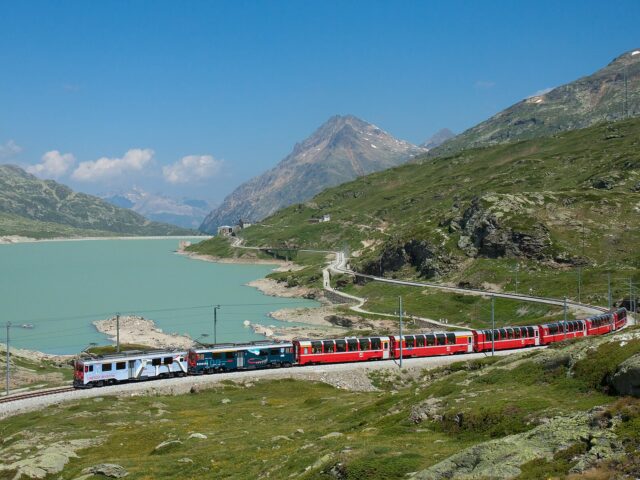
Getting there: Starting points in the Upper Engadin (Pontresina, Morteratsch, Diavolezza), reachable by the Rhaetian Railway.
Best time: High tours July to September; views year-round from the Diavolezza.
Cost: Mountain railways payable (please verify); nature access free.
Safety: The ascent is a serious, glaciated high tour with glacier and ridge equipment, only with experience or a mountain guide.
Tips:
- Those who don’t climb the summit experience the glacier world impressively from the Diavolezza
- The Morteratsch Glacier is accessible via an easy themed trail
Background & History
The Piz Bernina, at 4,049 metres, is the only four-thousander of the Eastern Alps and the highest peak of Graubünden, towering high above the Upper Engadine and the Poschiavo valley. A whole mountain group bears its name, the Bernina group, whose most striking link is the famous Biancograt, a knife-sharp ridge of firn of flawless elegance that has earned the mountain the nickname Stairway to Heaven among alpinists. The summit was first climbed in 1850 by a surveying expedition under the engineer Johann Coaz.
Geologically the Piz Bernina is a piece of ancient earth crust: the Bernina granite formed more than 300 million years ago, long before the folding of the Alps, and belongs to the so-called Austroalpine nappes, which in the course of the mountain-building were thrust far to the north over the lower rock layers. Mighty glaciers descend from its flanks, among them the Morteratsch Glacier, the largest in the Eastern Alps. In its rock the mountain thus combines the deep prehistory of the Alps with the living world of ice and rock that surrounds it to this day.
So your trip runs smoothly, our honest recommendations for this spot:
Activities here
More in the Grisons & Engadine region
Davos · Flims-Laax & Caumasee · Bernina Express · Swiss National Park