'/%3E%3C/svg%3E)


'/%3E%3Cpath%20fill='%23b2b2b2'%20d='M241%20382q0%2016%2017%2026%2017%2011%2042%2011t42-11q16-11%2017-26V269H241'/%3E%3Cpath%20fill='%239f7e00'%20d='M241%20379q0%2014%208%2023%209%209%2021%209%2014%200%2021-9%209-9%209-23V269h-59'/%3E%3Cpath%20d='M241%20339v-70h59v110q0%2014-9%2023l-6%205v-68h-15v72q-8%200-14-4v-68zm59%2040c0%2022%2015%2032%2029%2032%2021%200%2030-18%2030-32v-40h-59'/%3E%3Cpath%20fill='%239f7e00'%20d='M266%20277v5h2v12h-3v-5h2v-5h-9v5h2v5h-4v9h3v18h-5v10h34v-10h-5v-18h3v-9h-4v-5h2v-5h-9v5h2v5h-3v-12h2v-5zm42%20101q0%2010%206%2017%206%206%2015%207%2010-1%2016-7%206-7%206-17v-29h-43'/%3E%3Ccircle%20fill='%230044ad'%20cx='329.5'%20cy='372'%20r='6'/%3E%3Cellipse%20fill='%230044ad'%20cx='300'%20cy='340'%20rx='16'%20ry='21'/%3E%3C/svg%3E)

'/%3E%3C/g%3E%3Cuse%20href='%23c'%20transform='matrix(-1%200%200%201%20720%200)'/%3E%3C/svg%3E)


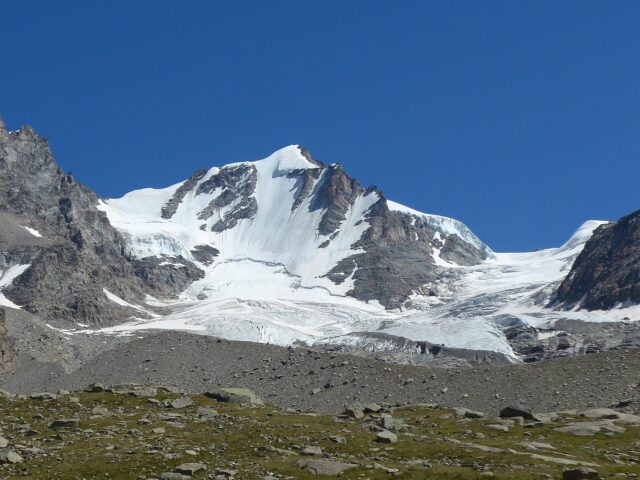
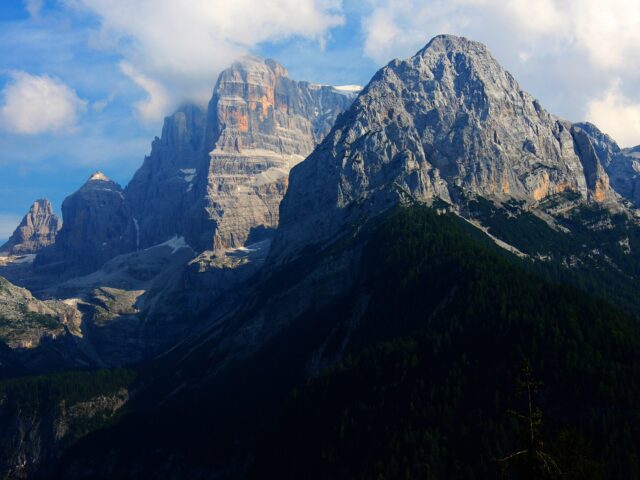
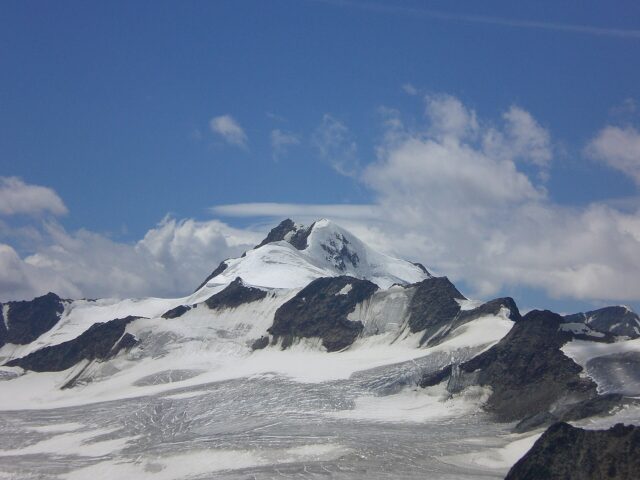
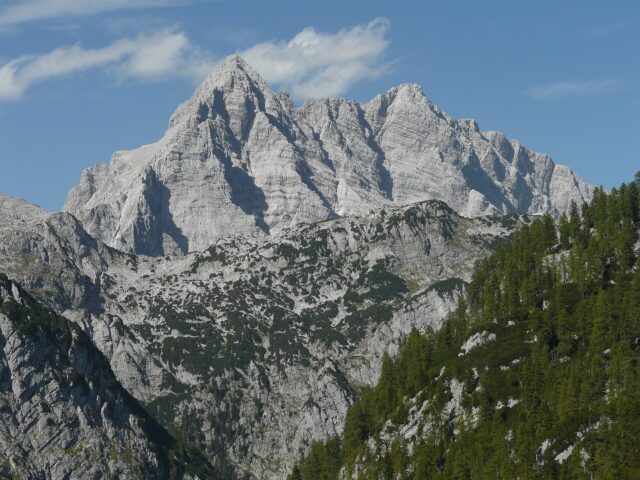
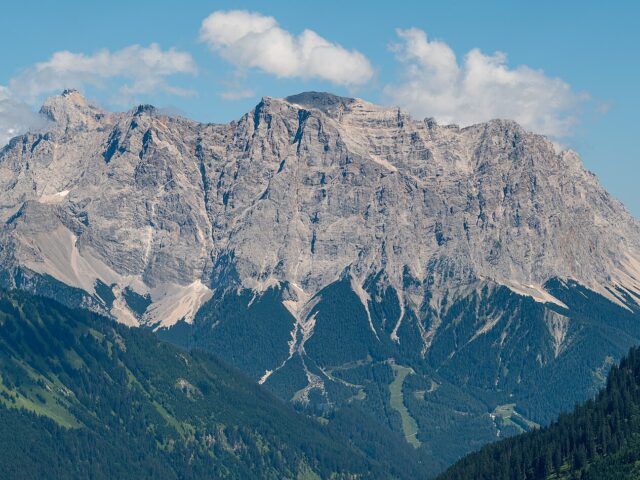
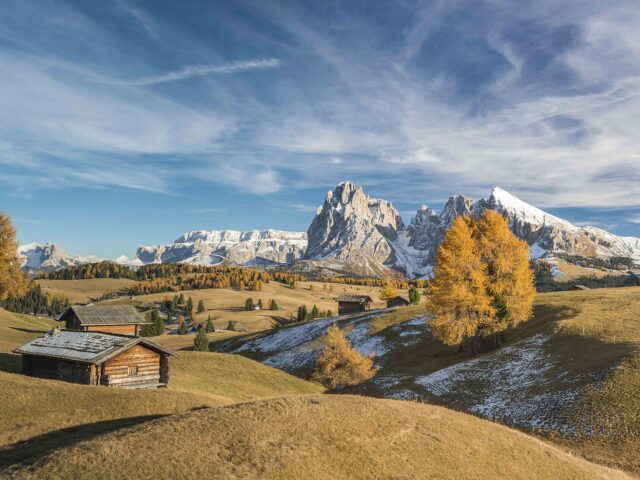
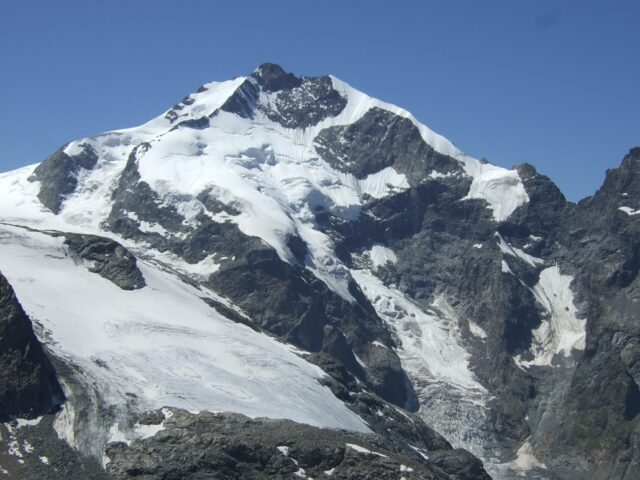
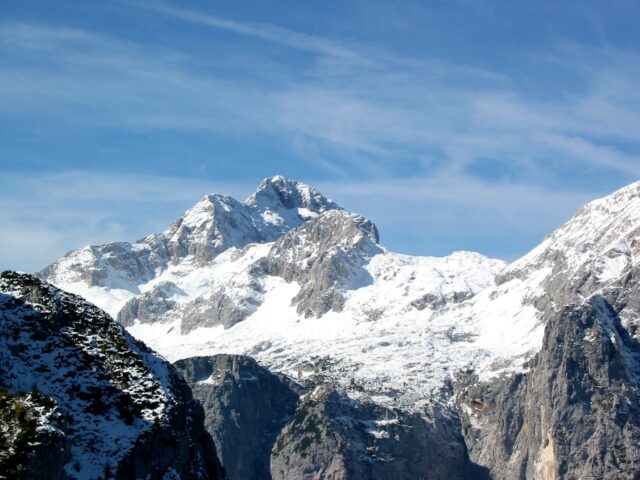
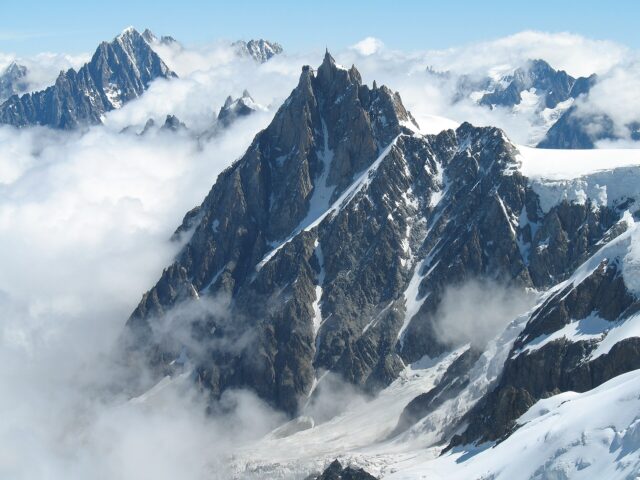
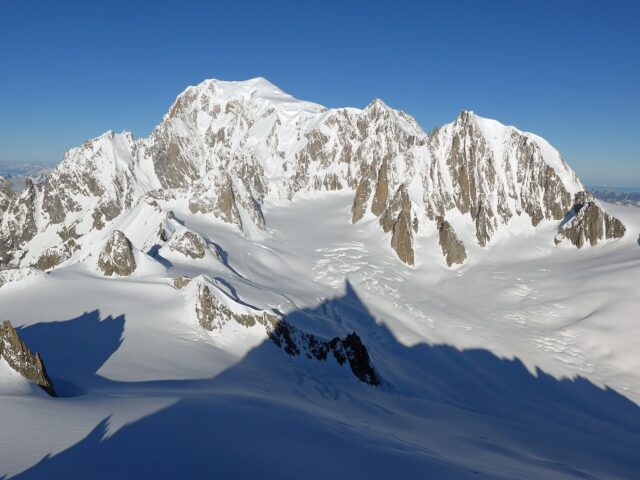
Marmolada
Highest peak in the Dolomites, 3,343 m
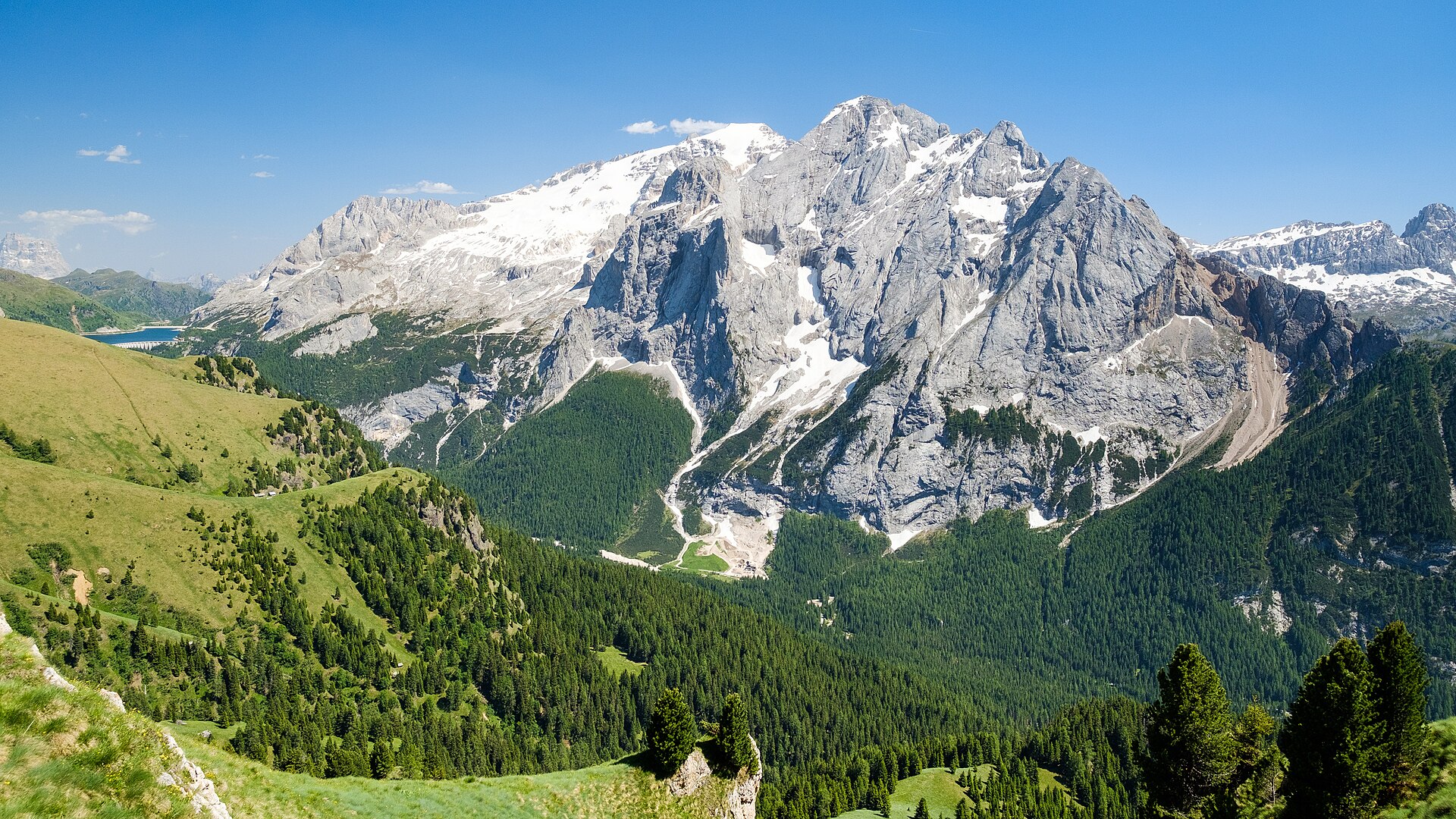
Foto: 2015 Michael 2015 / Wikimedia Commons (CC BY-SA 4.0)
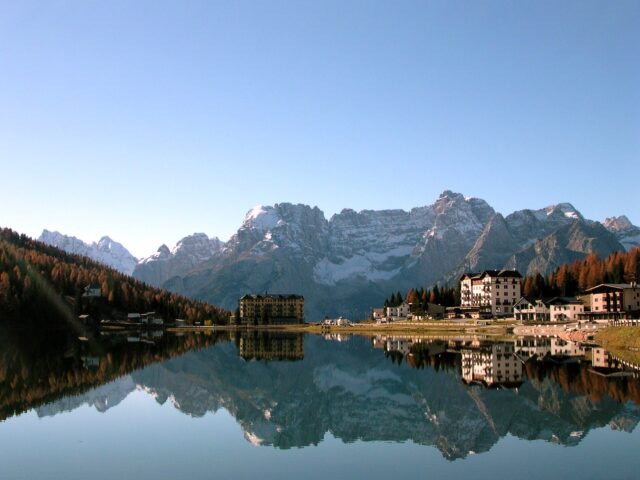
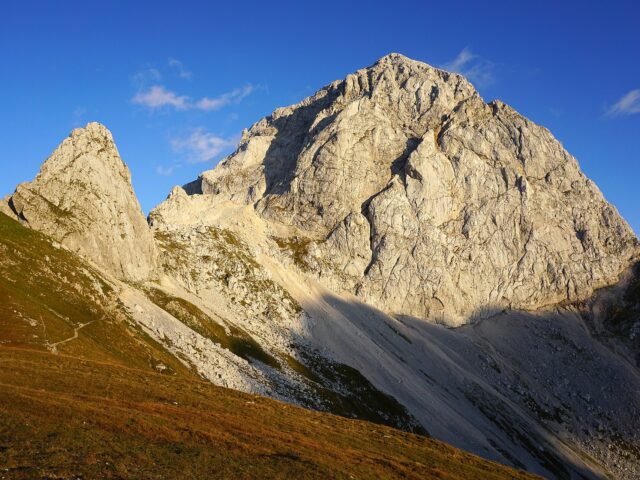
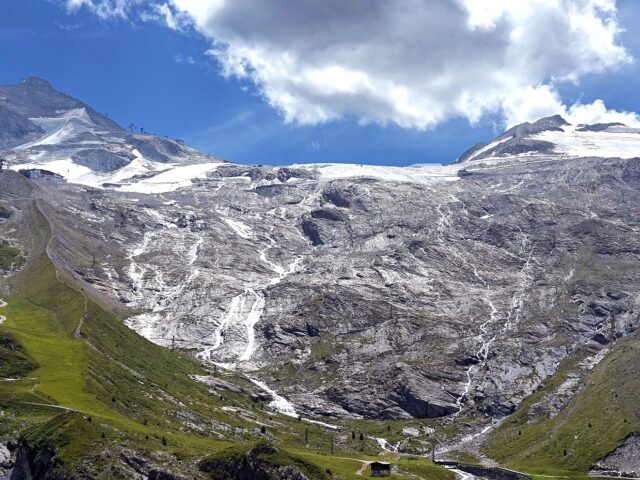
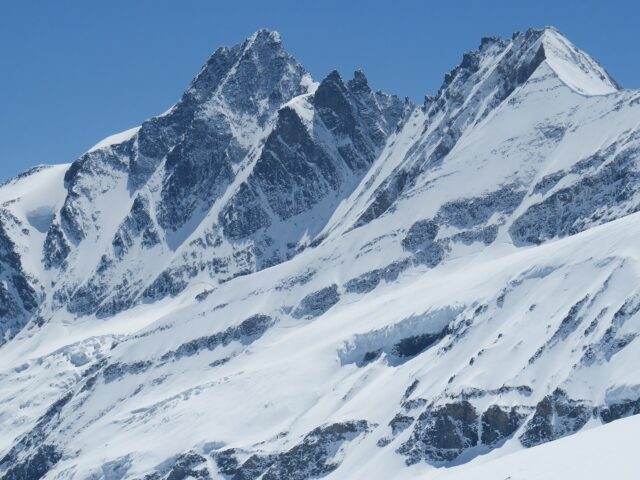
The Marmolada, at 3,343 m, is the highest peak of the Dolomites and carries their only significant glacier. Its steeply falling south face ranks among the great climbing walls of the Alps, while a cable car leads comfortably from the north side to near the summit. The glacier is melting rapidly; in 2022 an ice break claimed several lives.
The right gear for Peaks & MountainsOur honest tips and tests for it.
Highlights
- Highest peak of the Dolomites with a glacier
- Cable car to near the summit (Punta Rocca)
- Famous climbing routes on the south face
- War museum in the rock (First World War)
Good to know
| Elevation | 3,343 m (highest in the Dolomites) |
| Special feature | the only larger Dolomite glacier |
| Ascent | Cable car to the Punta Rocca |
| Note | Glacier retreat, ice break 2022 |
Practical info
Getting there: By car over the Fedaia Pass; cable car from Malga Ciapela.
Best time: Cable car and views depending on the season; high tours July to September.
Cost: Cable car payable (please verify).
Safety: The glacier may only be entered with equipment and a guide; heed current warnings.
Tips:
- The view from the Punta Rocca reaches far across the Dolomites
- High tours only with a mountain guide and current glacier conditions
Background & History
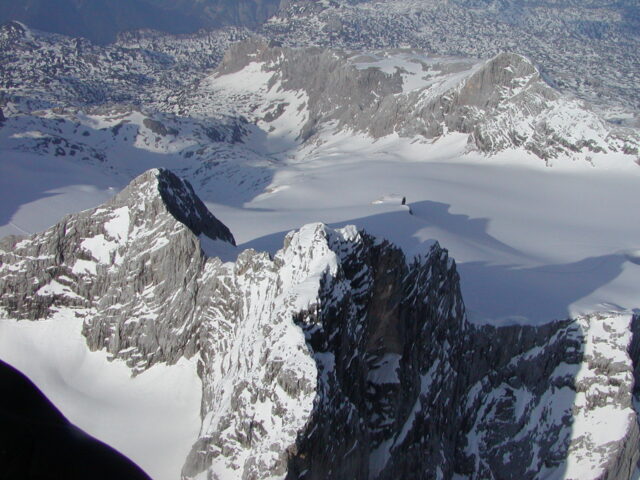
The Marmolada is, at over 3,300 metres, the highest peak of the Dolomites and the only mountain in the group to bear a true glacier, which is why it is reverently called the “Queen of the Dolomites”. Unlike the pale, sharp-edged towers of the surrounding mountains, its north side falls away in a mighty glaciated flank, while the south side forms one of the largest and most famous steep faces of the Alps, a destination of longing for climbers from all over the world, harbouring some of the hardest routes in the Dolomites.
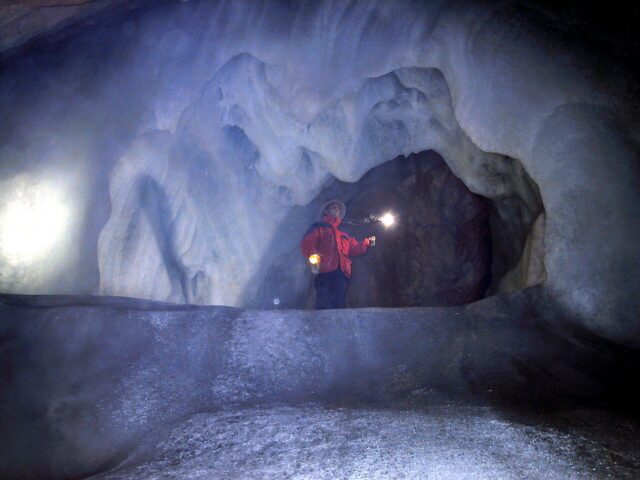
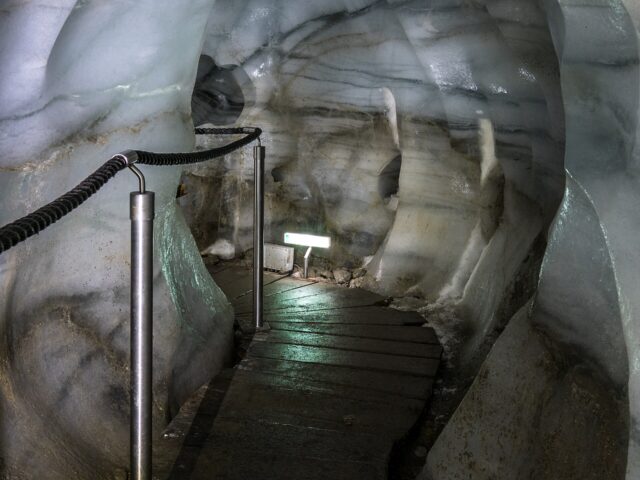
During the First World War the front ran right across the mountain, and Austrian soldiers at that time drove a whole system of tunnels and caverns into the glacier, the notorious “Ice City”, in which the troops sought shelter from enemy fire and from avalanches, a harrowing chapter of the mountain war. Geologically the Marmolada consists of ancient dolomite rock, the petrified remnant of tropical coral reefs that grew many millions of years ago in a warm primeval sea. The glacier is melting rapidly today, and its retreat has become a much-noted warning sign of climate change. Thus the Marmolada unites glacial force, dramatic climbing history and the silent traces of a cruel war in the eternal rock.
So your trip runs smoothly, our honest recommendations for this spot:
Activities here
More in the Veneto & Dolomites region
Lago di Sorapis · Cortina d’Ampezzo · Tofane (Cortina) · Cinque Torri