'/%3E%3C/svg%3E)


'/%3E%3Cpath%20fill='%23b2b2b2'%20d='M241%20382q0%2016%2017%2026%2017%2011%2042%2011t42-11q16-11%2017-26V269H241'/%3E%3Cpath%20fill='%239f7e00'%20d='M241%20379q0%2014%208%2023%209%209%2021%209%2014%200%2021-9%209-9%209-23V269h-59'/%3E%3Cpath%20d='M241%20339v-70h59v110q0%2014-9%2023l-6%205v-68h-15v72q-8%200-14-4v-68zm59%2040c0%2022%2015%2032%2029%2032%2021%200%2030-18%2030-32v-40h-59'/%3E%3Cpath%20fill='%239f7e00'%20d='M266%20277v5h2v12h-3v-5h2v-5h-9v5h2v5h-4v9h3v18h-5v10h34v-10h-5v-18h3v-9h-4v-5h2v-5h-9v5h2v5h-3v-12h2v-5zm42%20101q0%2010%206%2017%206%206%2015%207%2010-1%2016-7%206-7%206-17v-29h-43'/%3E%3Ccircle%20fill='%230044ad'%20cx='329.5'%20cy='372'%20r='6'/%3E%3Cellipse%20fill='%230044ad'%20cx='300'%20cy='340'%20rx='16'%20ry='21'/%3E%3C/svg%3E)

'/%3E%3C/g%3E%3Cuse%20href='%23c'%20transform='matrix(-1%200%200%201%20720%200)'/%3E%3C/svg%3E)


Salzbergwerk Berchtesgaden
Show mine since 1517 with miners’ slides and a salt lake
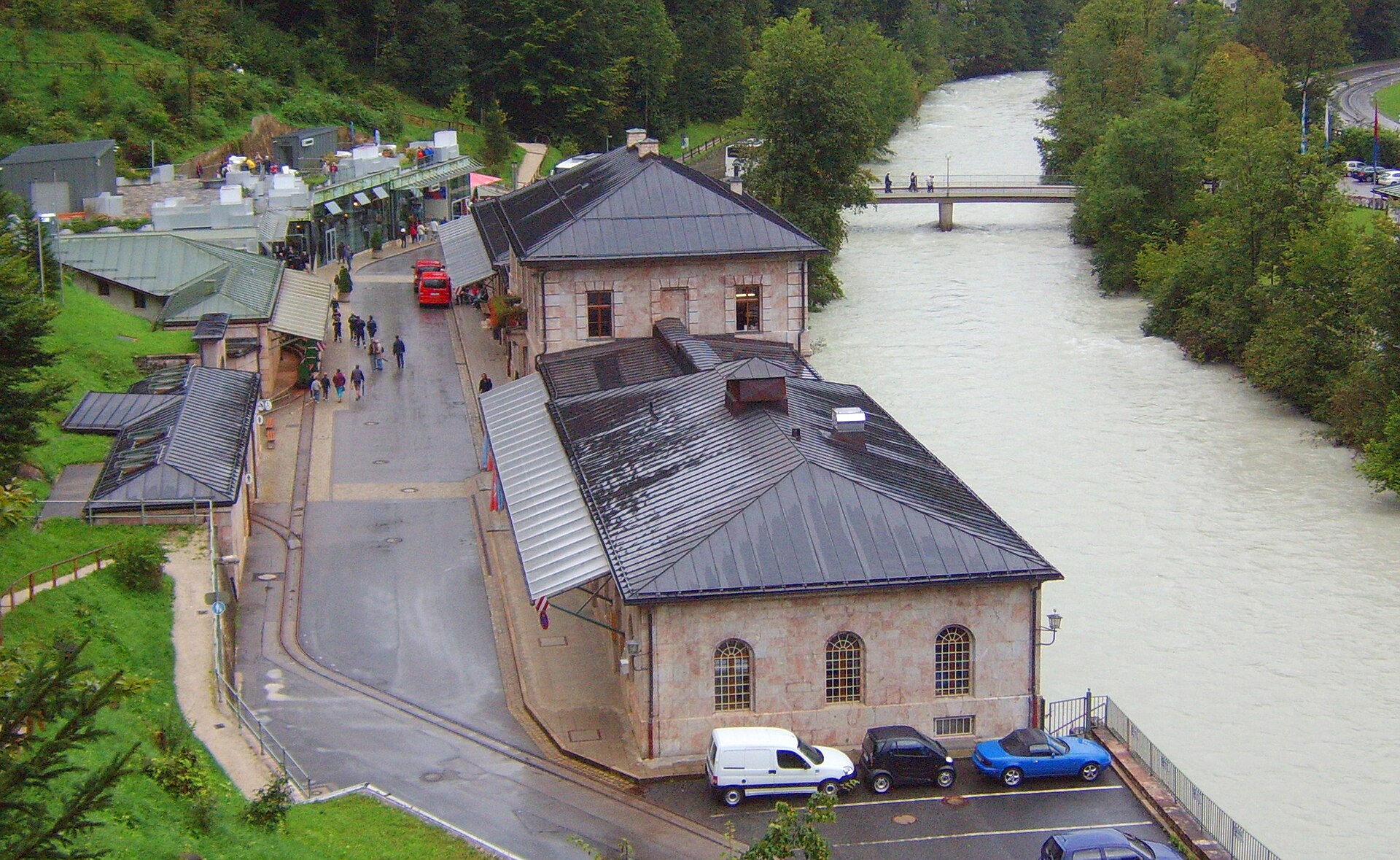
Foto: Nize | Nicolai Schäfer / Wikimedia Commons (CC BY-SA 3.0)
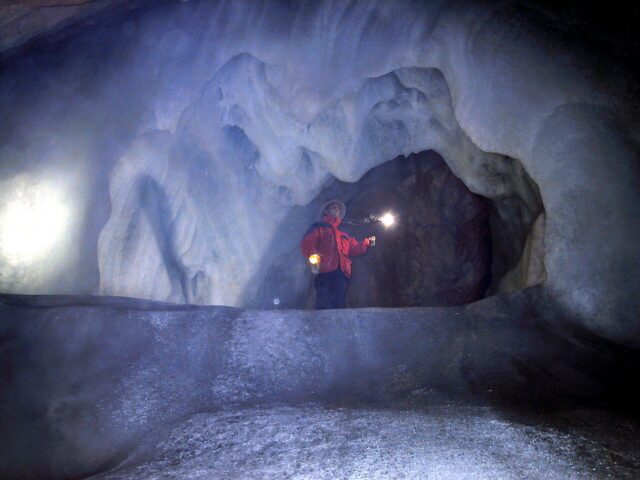
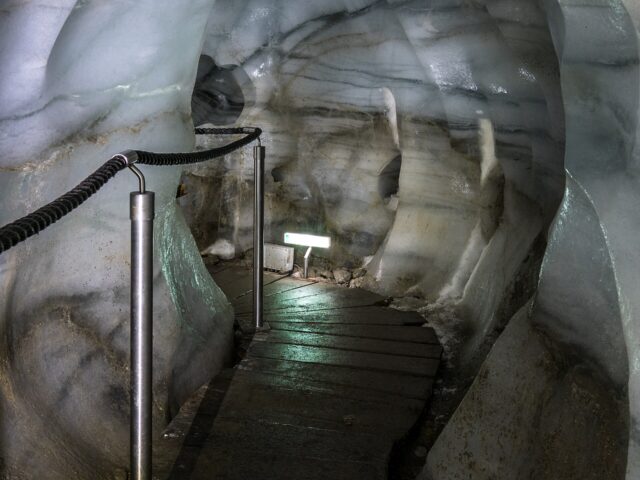
An active salt mine that is also open to visitors, its first tunnel driven in 1517. The tour combines historic salt mining with a pit railway, slides and an underground salt lake.
The right gear & tipsOur honest tips and tests for it.
Highlights
- Ride into the mine on the pit railway
- Two miners’ slides as in the miners’ day
- Crossing the underground salt lake by raft
- Multimedia show on the history of salt
- A constant 12 °C underground, pleasantly cool on hot days
Good to know
| Founded | 1517 (first tunnel) |
| Tour duration | approx. 1 hour |
| Underground temperature | year-round approx. 12 °C |
| Opening | daily 09:00–17:00 (please verify) |
| Miners’ slides | two slides, up to approx. 40 m long |
| Audio guide | in 17 languages |
Practical info
Getting there: By car via the Bergwerkstraße, parking on site; connection to public transport from Berchtesgaden.
Best time: Year-round (underground); ideal as a bad-weather or heat alternative
Duration: approx. 1 hour guided tour, about 1.5–2 hours in total
Cost: Admission payable, online booking recommended (fares please verify)
Tips:
- Book tickets online in advance, tours have limited capacity
- Protective clothing is provided, sturdy footwear still advisable
- Photography and filming underground are not permitted
- Not barrier-free, no access with prams or dogs
Background & History
The Berchtesgaden Salt Mine is one of the oldest still-active salt mines in the world and its beginnings reach back to the early 16th century, when the ecclesiastical prince-provostry of Berchtesgaden began systematic mining in 1517. For centuries the white gold was the most important source of income for the region and lent the small mountain state an importance that went far beyond its size, for salt was in the Middle Ages and the early modern period an indispensable commodity for the preservation of food.
The salt itself is ancient in geological terms: it formed when, more than 200 million years ago, a primeval sea evaporated and left behind mighty salt deposits, which were later folded deep into the rock by the formation of the Alps. The salt is still extracted today by pumping water into the mountain, which dissolves the deposits and is brought back up as brine. For visitors a part of the historic galleries is accessible, where mine railways, wooden miners’ slides and an underground mirror lake make the fascinating world below ground come alive.
Königssee · Jenner / Jennerbahn · Wimbachklamm · Camping-Resort Allweglehen