'/%3E%3C/svg%3E)


'/%3E%3Cpath%20fill='%23b2b2b2'%20d='M241%20382q0%2016%2017%2026%2017%2011%2042%2011t42-11q16-11%2017-26V269H241'/%3E%3Cpath%20fill='%239f7e00'%20d='M241%20379q0%2014%208%2023%209%209%2021%209%2014%200%2021-9%209-9%209-23V269h-59'/%3E%3Cpath%20d='M241%20339v-70h59v110q0%2014-9%2023l-6%205v-68h-15v72q-8%200-14-4v-68zm59%2040c0%2022%2015%2032%2029%2032%2021%200%2030-18%2030-32v-40h-59'/%3E%3Cpath%20fill='%239f7e00'%20d='M266%20277v5h2v12h-3v-5h2v-5h-9v5h2v5h-4v9h3v18h-5v10h34v-10h-5v-18h3v-9h-4v-5h2v-5h-9v5h2v5h-3v-12h2v-5zm42%20101q0%2010%206%2017%206%206%2015%207%2010-1%2016-7%206-7%206-17v-29h-43'/%3E%3Ccircle%20fill='%230044ad'%20cx='329.5'%20cy='372'%20r='6'/%3E%3Cellipse%20fill='%230044ad'%20cx='300'%20cy='340'%20rx='16'%20ry='21'/%3E%3C/svg%3E)

'/%3E%3C/g%3E%3Cuse%20href='%23c'%20transform='matrix(-1%200%200%201%20720%200)'/%3E%3C/svg%3E)


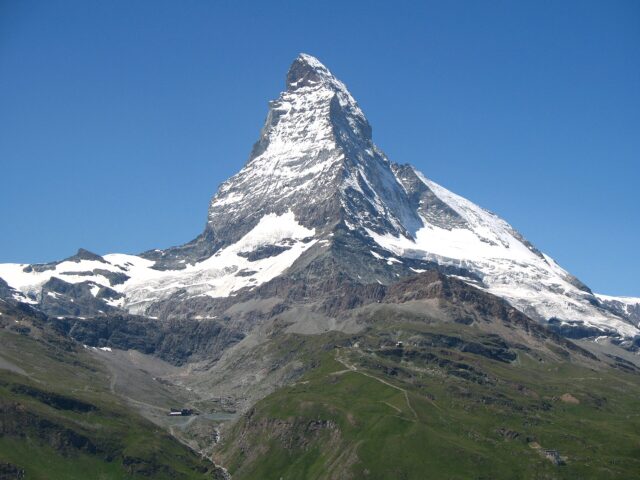
Gornergrat
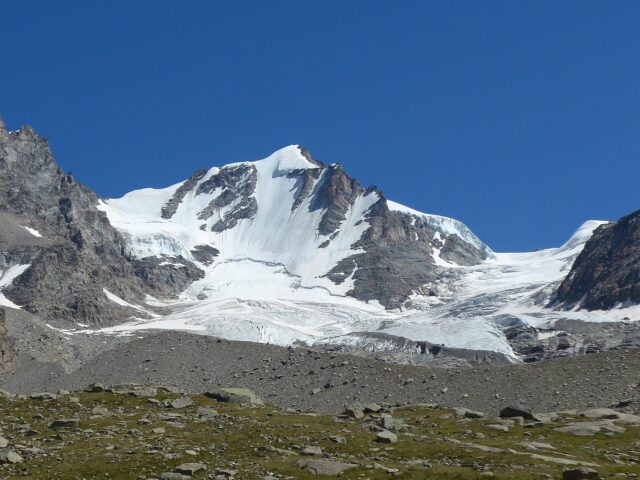
Panoramic summit with cog railway, 3,089 m
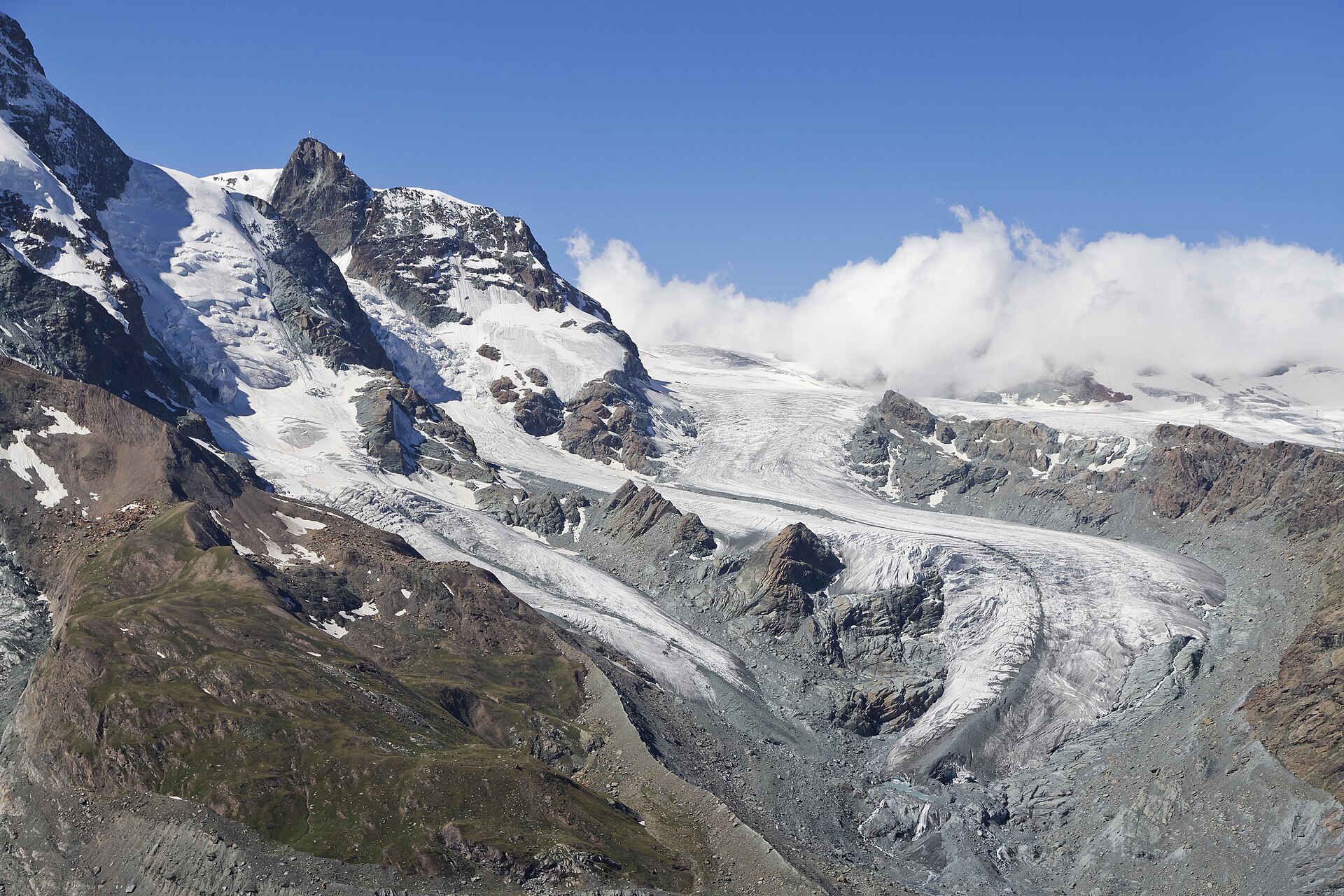
Foto: Ximonic (Simo Räsänen) / Wikimedia Commons (CC BY-SA 4.0)
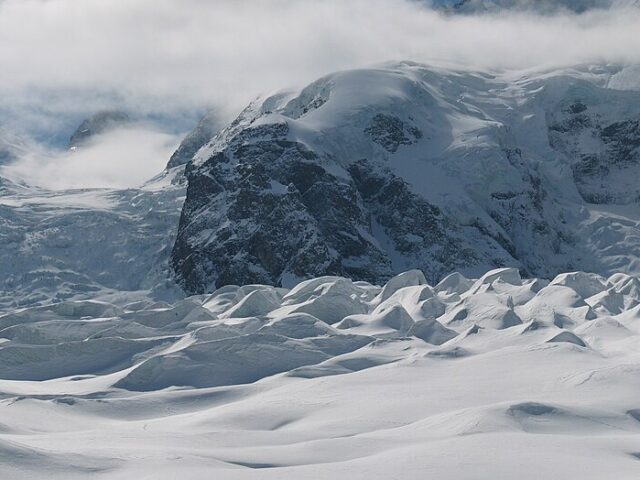
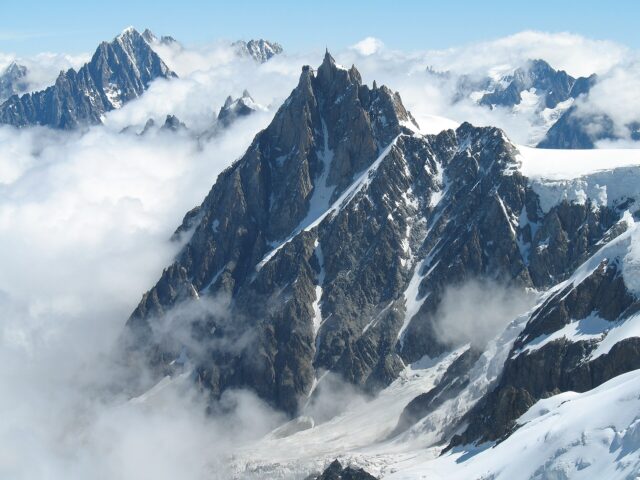
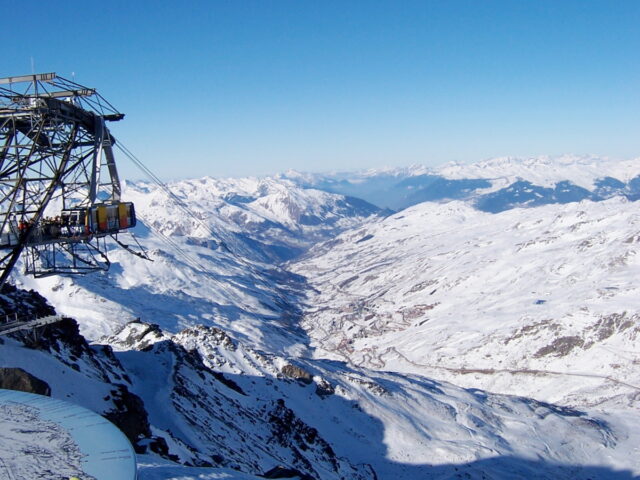
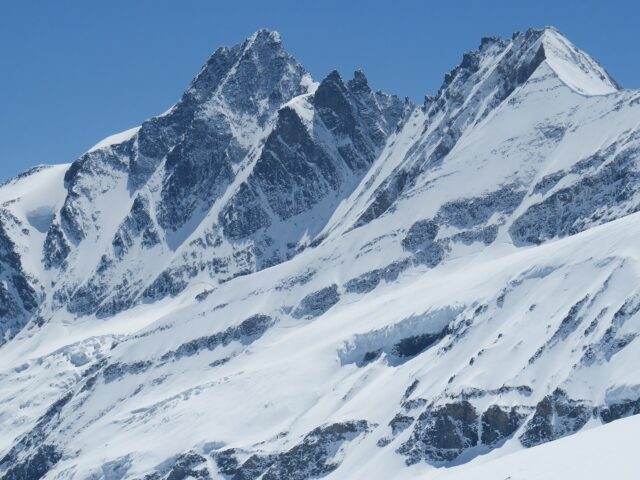
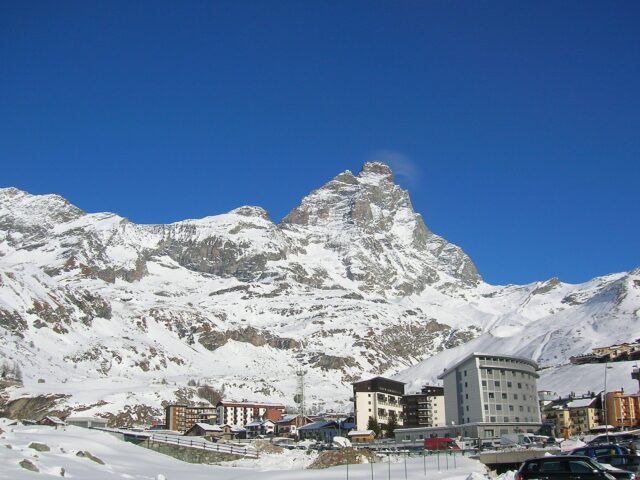
At 3,089 m above Zermatt, the Gornergrat offers one of the grandest mountain panoramas in the Alps, with views of the Matterhorn, Monte Rosa and a ring of over 20 four-thousanders. The Gornergrat railway, the highest open-air cog railway in Europe, has run up here since 1898. At the top stand a hotel and an observatory.
The right gear for Peaks & MountainsOur honest tips and tests for it.
Highlights
- Panorama of the Matterhorn and Monte Rosa massif
- Gornergrat railway (highest open-air cog railway in Europe, since 1898)
- Over 20 four-thousanders in the panorama
- Observatory and hotel at the summit
Good to know
| Elevation | 3,089 m |
| Railway | Gornergratbahn (seit 1898) |
| Starting point | Zermatt (car-free) |
| View | Matterhorn, Monte Rosa, Gornergletscher |
Practical info
Getting there: By the Gornergrat railway from Zermatt (valley station by the station).
Best time: Year-round; clear days for the long views.
Cost: Cog railway payable (please verify).
Safety: The ascent is safe; dress warmly at 3,000 m.
Tips:
- Travel early, the Matterhorn is usually cloud-free in the morning
Background & History
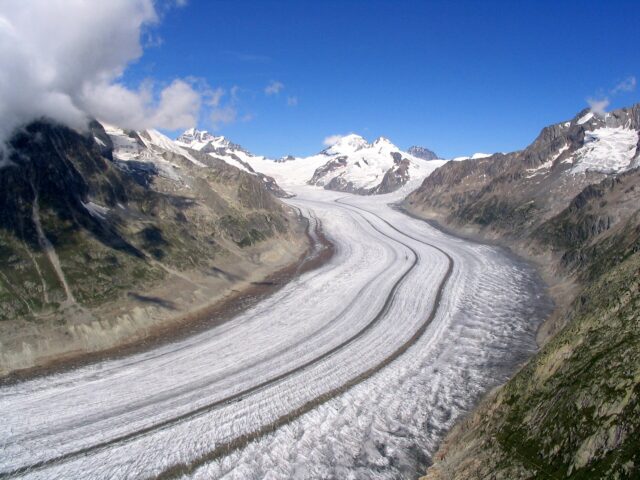
The Gornergrat is a rocky ridge high above Zermatt in the Valais, from which one of the grandest mountain panoramas of the Alps unfolds. All around, four-thousand-metre peaks crowd together, among them the Dufourspitze as the highest summit of Switzerland, and at the foot of the ridge the mighty Gorner Glacier pushes as a broad stream of ice through the landscape, framed by the pyramid-like form of the Matterhorn. This concentration of high peaks in one place has long earned the Gornergrat the reputation of a natural viewing balcony.
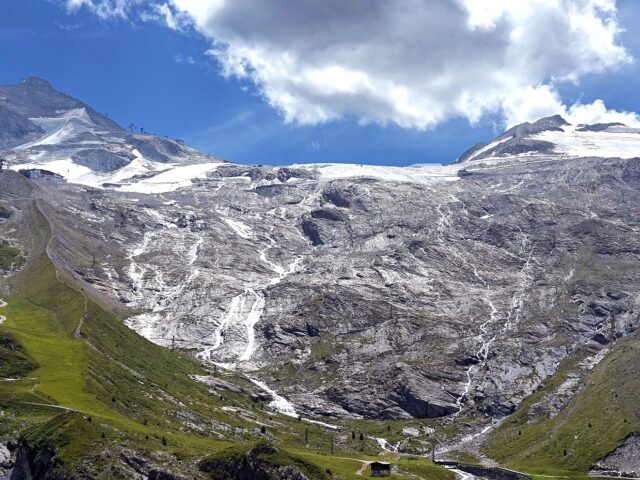
The heights are reached by a rack railway, opened in 1898 and regarded as one of the first electric mountain railways of its kind, a technical venture of its time that decisively shaped high-Alpine tourism. Astronomers early recognised the value of the clear, thin mountain air and erected an observatory up here, whose dome-crowned building still crowns the ridge today. Anyone riding up by railway crosses several altitude zones in a short time, from larch forest to the spare rock region at the edge of the eternal ice, and experiences in fast motion how the mountain world transforms with every metre of altitude. Zermatt itself, the starting point at the foot of the Matterhorn, has remained car-free to this day and thus preserves something of the character of the old mountain village that became the cradle of mountaineering in the 19th century. From the viewpoints of the Gornergrat one can survey how much the once mighty glacier has retreated over the past decades, so that the ridge has at the same time become a unique setting for observing climate change in the high mountains.
So your trip runs smoothly, our honest recommendations for this spot:
Activities here
More in the Valais region