Category: Peaks & Mountains
From gentle panorama peaks to the great four-thousanders: this is all about the summits of the Alps. We present striking mountains, their history and the finest views.
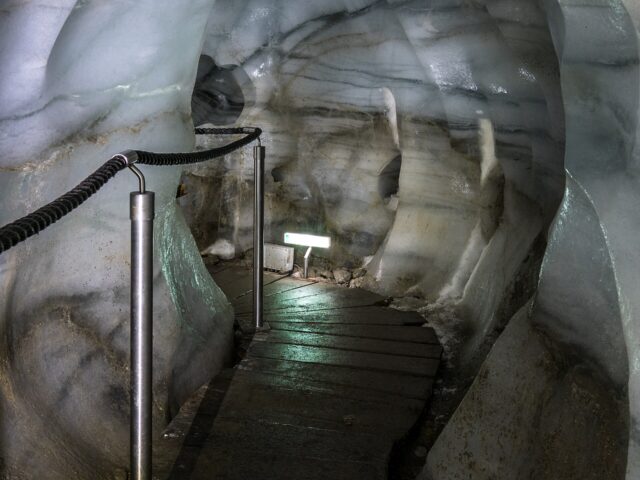
The Stubai Glacier at the head of the Stubai valley is the largest glacier ski area in Tyrol and only about 45 minutes from Innsbruck. The Top of Tyrol viewing platform at 3,210 m offers a wide view over the Stubai Alps. In the valley the Wilde-Wasser-Weg along waterfalls is…
View more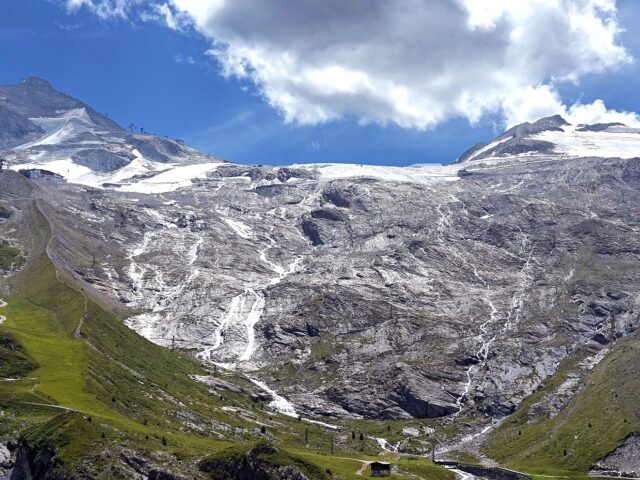
At the head of the Tux valley lies the Hintertux Glacier, the only ski area in Austria open 365 days a year. Cable cars open up the glacier world up to around 3,250 m at the Gefrorene Wand. In summer, skiing up top and hiking in the valley are possible…
View more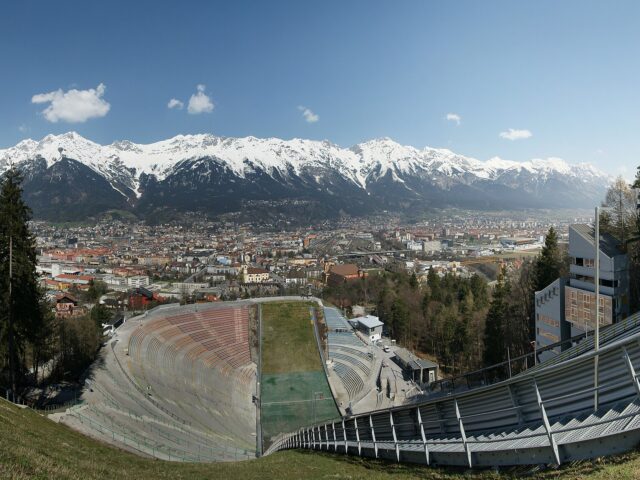
Innsbruck, the capital of Tyrol, lies in the Inn valley directly beneath the Nordkette and combines old town with high mountains. From the Goldenes Dachl it takes only about 20 minutes by the Hungerburgbahn and the Nordkette cable cars up to around 2,256 m at the Seegrube. The city twice…
View more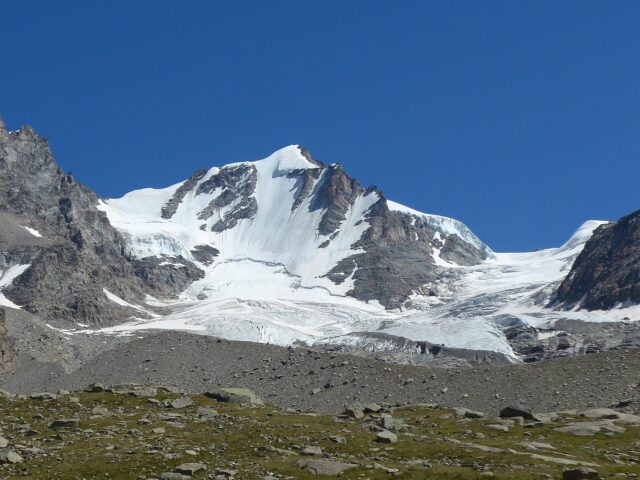
The Gran Paradiso, at 4,061 m, is the only four-thousander lying entirely on Italian soil. The protected area surrounding it was established in 1922 as Italy's first national park, originally to save the Alpine ibex from extinction. Today the park is one of the best places in the Alps to…
View more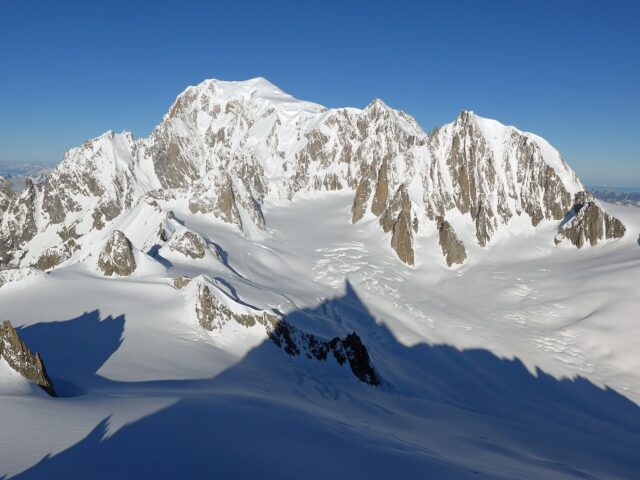
Mont Blanc, in Italian Monte Bianco, is at around 4,805 m the highest mountain in the Alps and in Central Europe. On the Italian side above Courmayeur the modern revolving cable car Skyway Monte Bianco opens up the glacier world as far as the Punta Helbronner at 3,466 m, with…
View more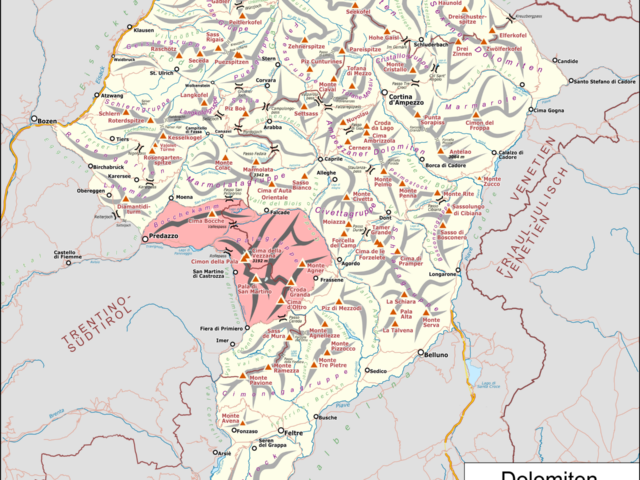
The Pala group is the largest massif of the Dolomites and impresses with a wide, moon-like high plateau at around 2,600 m, ringed by rugged peaks. The cable car from San Martino di Castrozza to the Rosetta opens up this high plain comfortably. The area belongs to the UNESCO World…
View more