Category: Peaks & Mountains
From gentle panorama peaks to the great four-thousanders: this is all about the summits of the Alps. We present striking mountains, their history and the finest views.
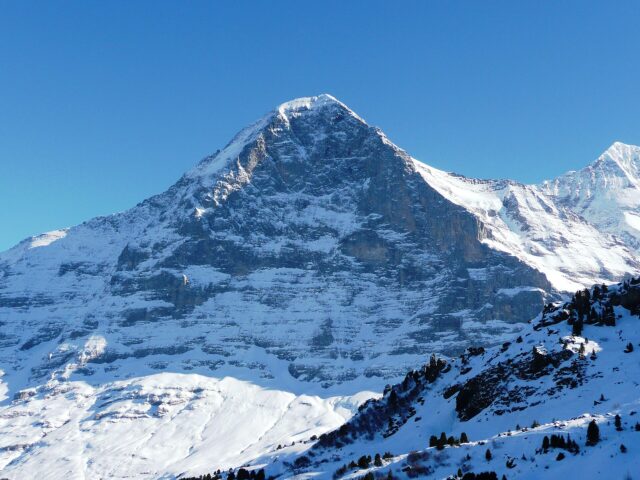
The Eiger (3,967 m) is famous above all for its roughly 1,800 m high north face, one of the largest and most storied rock walls in the Alps. Its first ascent in 1938 and numerous dramas made it the epitome of extreme alpinism. From the valley near Grindelwald and from…
View more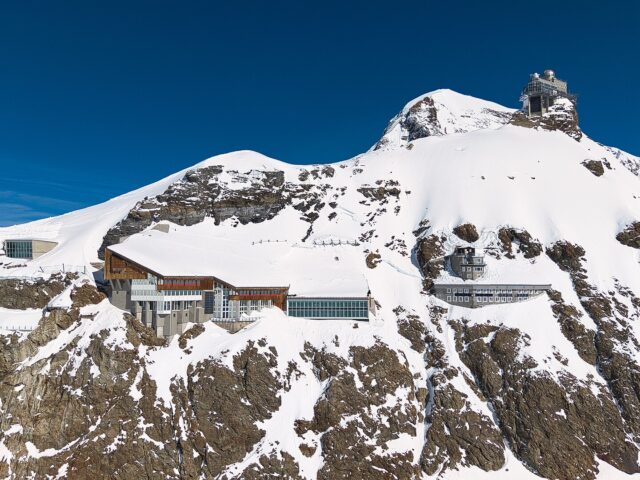
The Jungfraujoch at 3,454 m is home to the highest railway station in Europe, reached by the Jungfrau Railway, which since 1912 climbs largely through a tunnel inside the Eiger and Mönch. At the top await the Sphinx viewpoint, the Ice Palace and the view of the Aletsch Glacier. The…
View more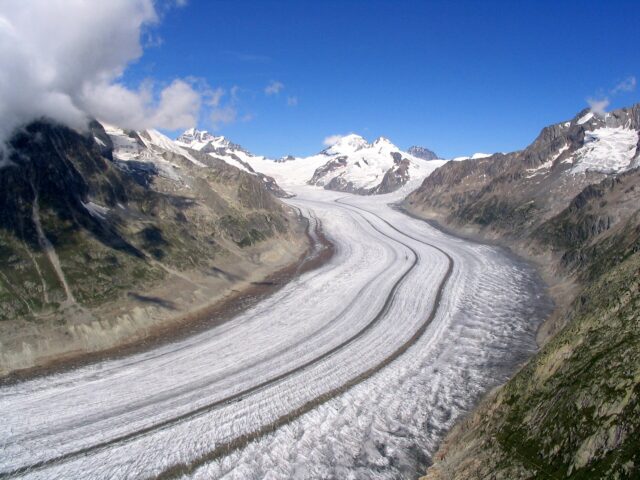
The Great Aletsch Glacier is, at around 20 km long, the longest and largest glacier in the Alps and the heart of the UNESCO World Heritage Site Swiss Alps Jungfrau-Aletsch. From the Aletsch Forest and the viewpoints Eggishorn, Bettmerhorn and Moosfluh you look out over the mighty stream of ice,…
View more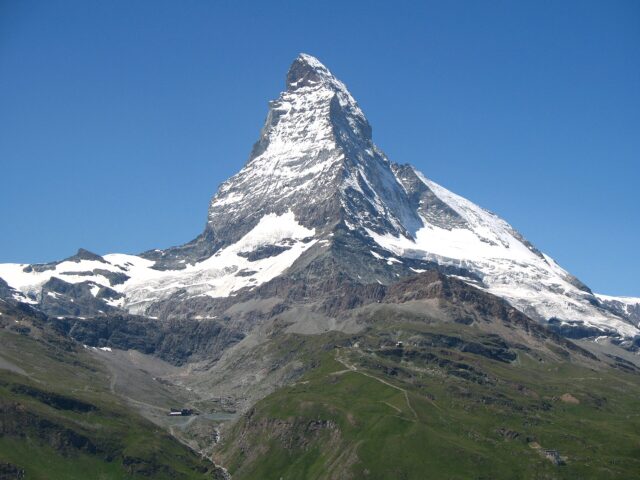
The Matterhorn, at 4,478 m, is one of the highest and at the same time the most famous mountain in the Alps. Its almost free-standing, pyramidal shape on the border between Swiss Zermatt and Italian Breuil-Cervinia is regarded as one of the most photographed mountain motifs in the world. The…
View more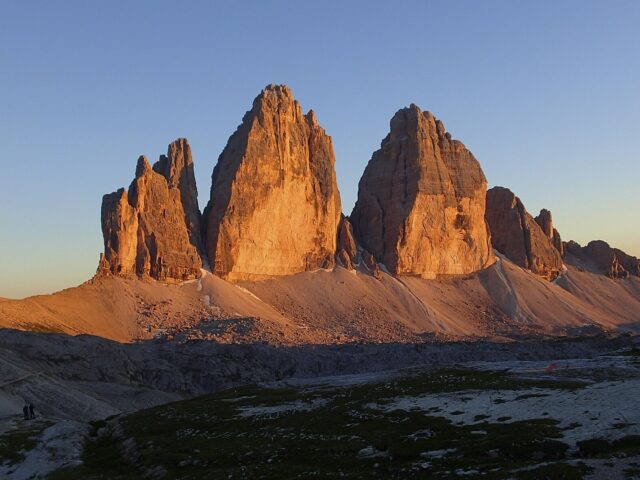
The Dolomites are a striking mountain group of the Southern Limestone Alps with pale dolomite rock, jagged towers and walls, a UNESCO World Natural Heritage Site since 2009. The highest peak is the Marmolada (Punta Penia, 3,343 m), the only significant glacier region of the range. Activities Hiking and mountain…
View more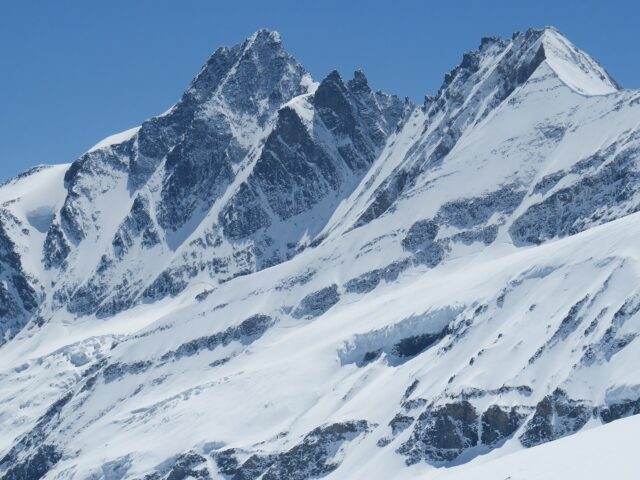
At 3,798 m the Großglockner is Austria's highest mountain and the defining pyramid of the Glockner group in the Hohe Tauern, on the Tyrol/Carinthia border in the Hohe Tauern National Park. The Großglockner High Alpine Road leads to the Franz-Josefs-Höhe with views of the summit and the Pasterze glacier. Activities…
View more