Category: Peaks & Mountains
From gentle panorama peaks to the great four-thousanders: this is all about the summits of the Alps. We present striking mountains, their history and the finest views.
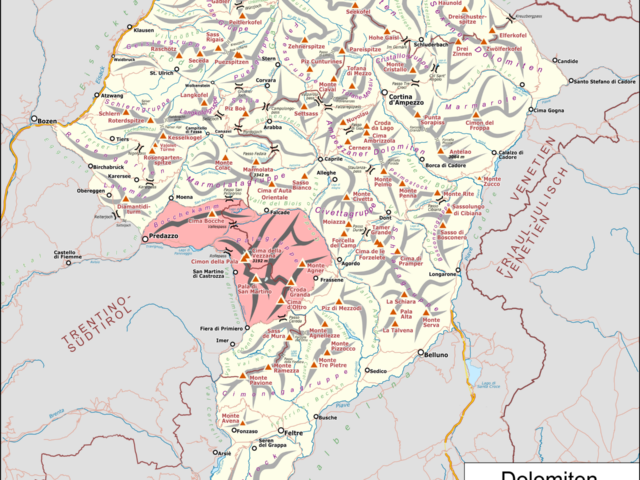
The Pala group is the largest massif of the Dolomites and impresses with a wide, moon-like high plateau at around 2,600 m, ringed by rugged peaks. The cable car from San Martino di Castrozza to the Rosetta opens up this high plain comfortably. The area belongs to the UNESCO World…
View more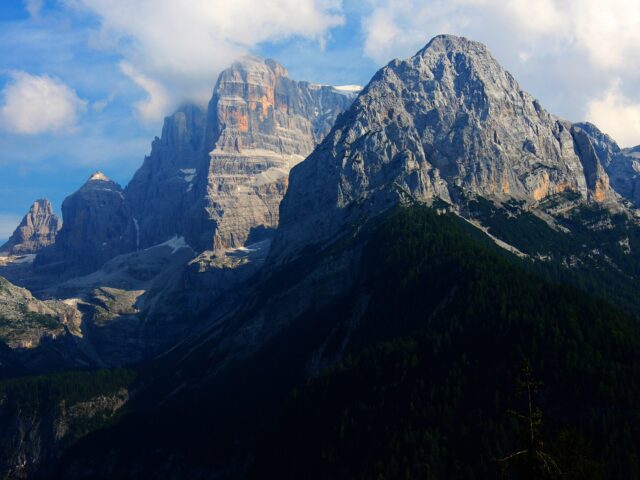
The Brenta group is the only Dolomite massif west of the Adige and part of the Adamello-Brenta Nature Park. It is famous for its bold towers and for the Bocchette via ferratas, which rank among the most classic in the Alps. The starting point is the fashionable resort of Madonna…
View more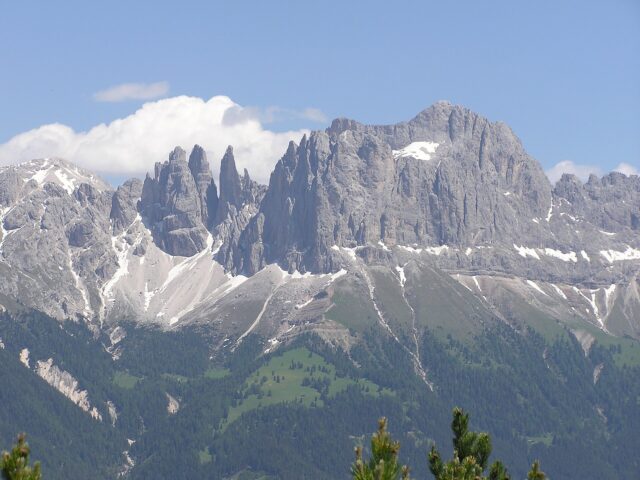
The Rosengarten is one of the best-known Dolomite massifs and famous for the Enrosadira, the intense rose-red glow of its walls at sunset. According to legend, King Laurin turned his rose garden into petrified rock. The massif, with the Rosengartenspitze, offers demanding via ferratas and hikes across scenic alpine meadows….
View more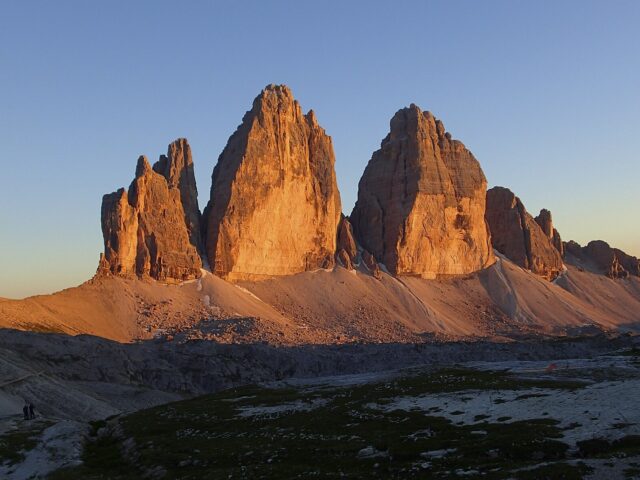
The Tre Cime are the most famous rock formation of the Dolomites and one of the best-known mountain motifs in the Alps. The three striking towers, with the Cima Grande up to 2,999 m, rise on the border between South Tyrol and Veneto in the UNESCO World Heritage Site of…
View more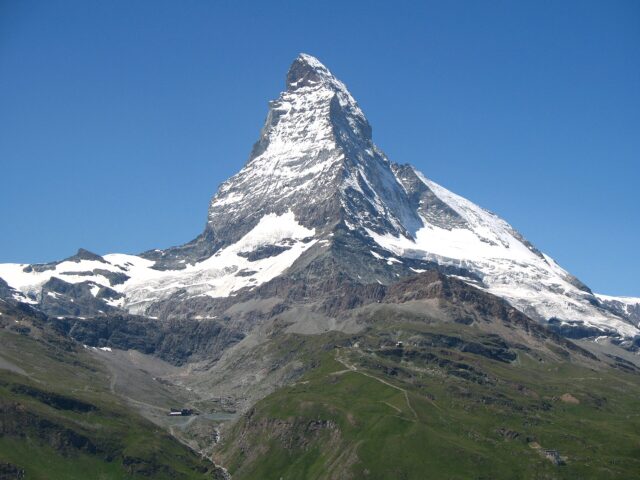
The Matterhorn, at 4,478 m, is one of the highest and at the same time the most famous mountain in the Alps. Its almost free-standing, pyramidal shape on the border between Swiss Zermatt and Italian Breuil-Cervinia is regarded as one of the most photographed mountain motifs in the world. The…
View more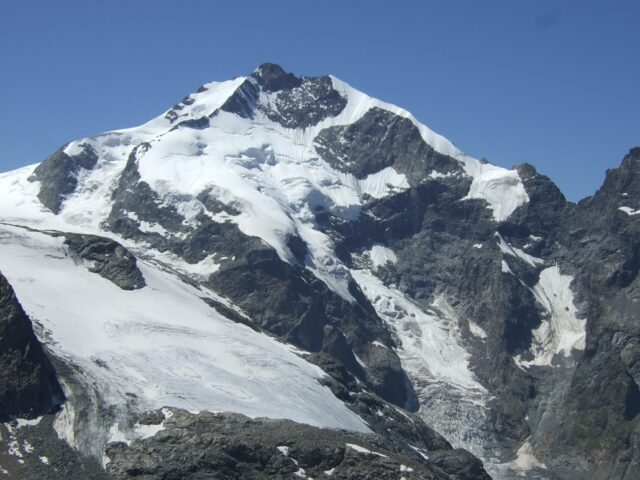
The Piz Bernina, at 4,049 m, is the highest peak of the Eastern Alps and the only four-thousander east of Monte Rosa. It lies in the glaciated Bernina group on the border between the Engadin and the Italian Valtellina. Famous is the Biancograt, an elegant firn ridge regarded as one…
View more