


The insulated jacket is the warming mid layer between base layer and weather protection, on the summit, during a break or on a cool evening. The basic question is down, synthetic or fleece, since each material has clear strengths. We show when each option fits and which models impress, from entry-level to the premium jacket.

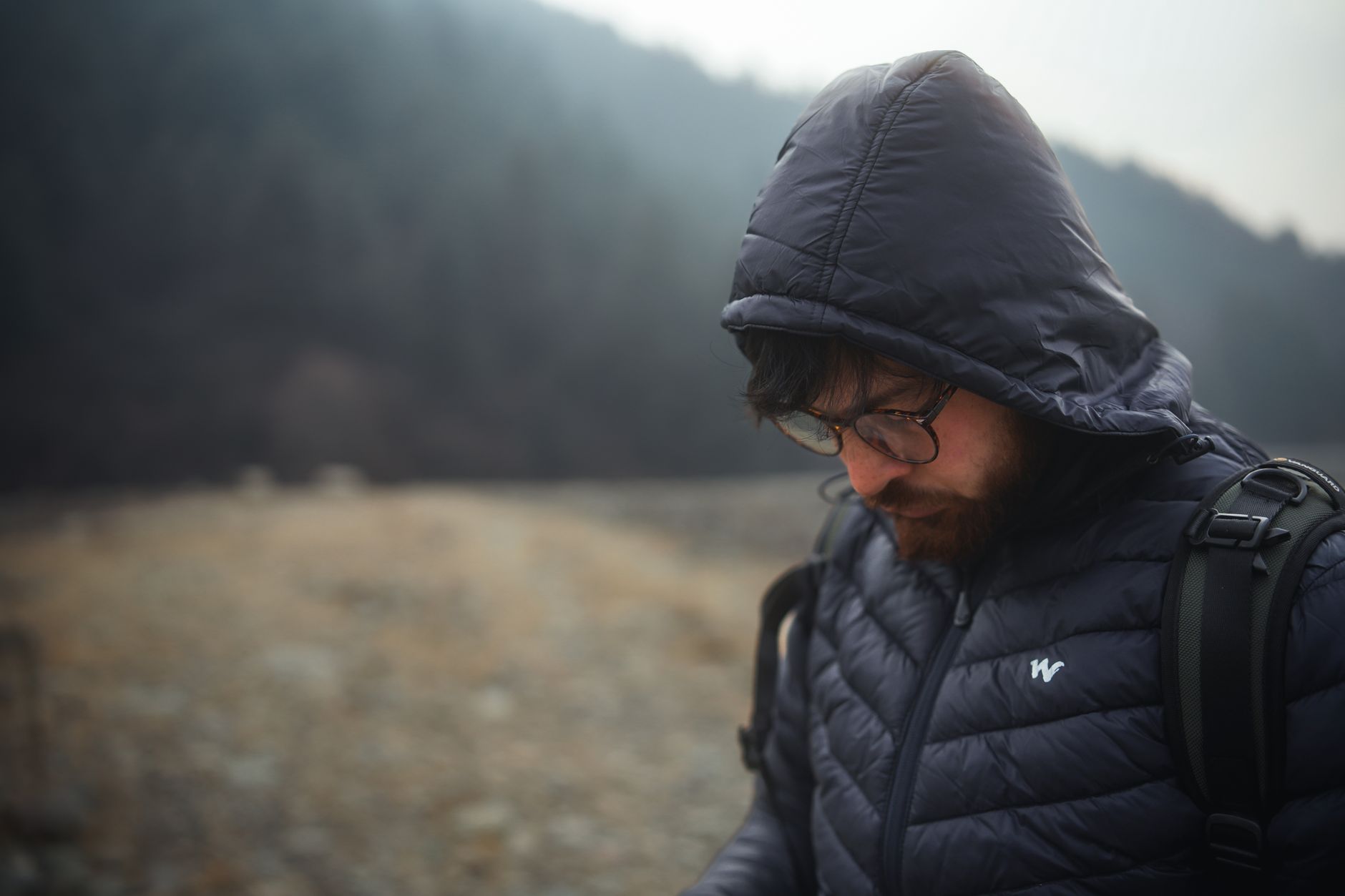
Our recommendations at a glance
Patagonia Nano Puff
The versatile synthetic jacket: warms even when damp, packs small and works well as both mid and outer layer.
Check priceArc’teryx Atom
Hybrid insulation with breathable side panels, outstanding for hiking because it holds warmth while still releasing moisture.
Check priceMountain Equipment Down
For cold, dry conditions: a high-quality down jacket with the best warmth-to-weight ratio, packs small.
Check priceModels compared
| Model | Fill | Use | Strength | Price range | |
|---|---|---|---|---|---|
| Patagonia Nano Puff Our pick | Synthetic | Mid/outer layer | Warms when damp, versatile, fair | €€€ | Check price |
| Arc’teryx Atom Premium | Synthetic (hybrid) | Active mid layer | Breathable, top fit | €€€€ | Check price |
| Jack Wolfskin Brand | Synthetic / down | All-round/everyday | Solid German brand, good package | €€ | Check price |
| Decathlon Forclaz / Quechua Entry-level | Synthetic / down | Mid layer/everyday | Very affordable, honest performance | € | Check price |
| Mountain Equipment Down Maximum warmth | Down (high fill power) | Cold & dry | Best warmth-to-weight, packs small | €€€€ | Check price |
| Patagonia Better Sweater / Nano-Air Fleece | Fleece / active insulation | Movement/mid layer | Very breathable, pleasant | €€€ | Check price |
Price ranges as a guide: € affordable to €€€€ premium. Warmth and weight vary by model, to be checked. Advertising.
What to look for
- Down: Best warmth-to-weight ratio, packs very small and durable, ideal for cold, dry conditions. But it weakens once it gets wet, losing its loft and with it its warmth.
- Synthetic: Keeps warming even when damp, dries quickly and is robust and easy to care for. A little heavier and less packable than down, but the reliable choice in changeable weather.
- Fleece: Very breathable and pleasant on the skin, ideal as a mid layer when on the move. Warms less per gram than down or synthetic and offers little wind protection, but is uncomplicated and affordable.
- Fill power (cuin): For down, the loft in cuin indicates how much volume the fill builds up. Higher values (about 700 to 850 cuin) mean more warmth at less weight and a smaller pack size.
- Weight & pack size: For the pack, what counts is how light and small the jacket becomes. Down leads here, but good synthetic jackets are now very close and more versatile.
- Mid or outer layer: Thin, breathable models work as a warming mid layer under the rain jacket. Thicker, windproof jackets are also worn as an outer layer in dry cold.
The models in detail
Patagonia Nano Puff Our pick
Synthetic · mid/outer layer · packs small · recycled material · price range €€€ (to be checked)
The Nano Puff is the all-purpose weapon among insulated jackets: the synthetic fill keeps warming even when the jacket gets damp, and the windproof outer makes it both a mid and outer layer. It packs small into the pack and is fairly produced. For changeable mountain weather, the most reliable choice.
Pros: Warms even when damp · very versatile · packs small and durable.
Cons: In dry cold, down is warmer per gram · rather close-fitting cut.
→ View Patagonia Nano Puff (Advertising)
Arc’teryx Atom Premium
Synthetic hybrid · active mid layer · breathable side panels · price range €€€€ (to be checked)
The Atom is one of the best jackets for hiking because it cleverly combines warmth and breathability: insulated front and back plus stretchy, airy side panels against heat build-up. So you stay warm on the move without overheating. Build and fit are first-class, the price accordingly high.
Pros: Excellently breathable on the move · top fit and build · versatile.
Cons: High price · the airy sides make it less warm in pure cold than full insulation.
→ View Arc’teryx Atom (Advertising)
Jack Wolfskin Brand
Synthetic or down (model-dependent) · all-round/everyday · price range €€ (to be checked)
Jack Wolfskin offers a broad range of insulated jackets from everyday to tour, in synthetic and down. The models are solidly built, down-to-earth in price and readily available on the German market. An uncomplicated choice for anyone who trusts a well-known brand with good service.
Pros: Fair value for money · broad model range · good availability and service.
Cons: Rarely top of the class for weight and pack size · leaves the peak figures to the specialists.
→ View Jack Wolfskin (Advertising)
Decathlon Forclaz / Quechua Entry-level
Synthetic or down · mid layer/everyday · very affordable · price range € (to be checked)
With Forclaz and Quechua, Decathlon delivers surprisingly good insulated jackets at a low price, in both synthetic and down. For beginners, occasional tours or as an affordable second jacket, you get considerably more here than the price suggests. Build and details are simpler, but the core performance is there.
Pros: Very affordable · surprisingly good warmth · good entry-level and second-jacket piece.
Cons: Simpler build and details · less durable in the long run than premium.
→ View Decathlon Forclaz / Quechua (Advertising)
Mountain Equipment Down Maximum warmth
Down with high fill power · for cold & dry · packs very small · price range €€€€ (to be checked)
Mountain Equipment is known for high-quality down jackets, and it shows: high fill power provides plenty of warmth at low weight and a tiny pack size. In dry cold, for example on the summit or in winter, down is unbeatable. In the wet, though, it needs protection, as it loses its loft when soaked through.
Pros: Best warmth-to-weight ratio · packs very small · high-quality build.
Cons: Loses warmth when wet · higher price · more delicate to care for.
→ View Mountain Equipment Down (Advertising)
Patagonia Better Sweater / Nano-Air Fleece
Fleece or active insulation · very breathable · mid layer when on the move · price range €€€ (to be checked)
Anyone who sweats a lot on the ascent is better served by fleece or an active insulated jacket than by puffer jackets. The Better Sweater is a robust, pleasant fleece, the Nano-Air an airy insulated jacket you can keep on while walking. Both score on breathability but offer less wind protection.
Pros: Very breathable · pleasant on the move · uncomplicated and robust.
Cons: Less warmth per gram · little wind protection, so a weather layer is often needed.
→ View Patagonia Better Sweater / Nano-Air (Advertising)
FAQ
Down or synthetic?
Down is the warmest per gram and packs the smallest, ideal in dry cold, but loses its warmth when wet. Synthetic keeps warming even when damp, dries quickly and is more robust, though a little heavier. In changeable mountain weather, synthetic is usually the safer choice.
How warm does the jacket need to be?
That depends on the use: as a warming mid layer under the rain jacket, a thin, breathable jacket is enough. For longer breaks on a cold summit or in winter, a thicker, warmer down or synthetic jacket is in order. Better two thinner layers than one very thick one.
Does the jacket fit under the rain jacket?
Yes, if you keep the layering principle in mind when buying. Thin insulated jackets are meant as a mid layer and fit easily under a hardshell. Make sure the rain jacket has a little room so the insulation layer can loft and develop its warmth.
How do I care for down and synthetic?
Wash down with a special down detergent and dry it in the dryer with a few tennis balls so the fill lofts up again. Synthetic is more straightforward and survives a normal gentle wash well. Both like to be stored loosely and dry, never compressed for long in the stuff sack.
Transparency: The links marked with Advertising are advertising/affiliate links. Read more in our privacy policy. Related to this topic: Layering principle: the right mountain clothing and our Packing list for the hut tour.