


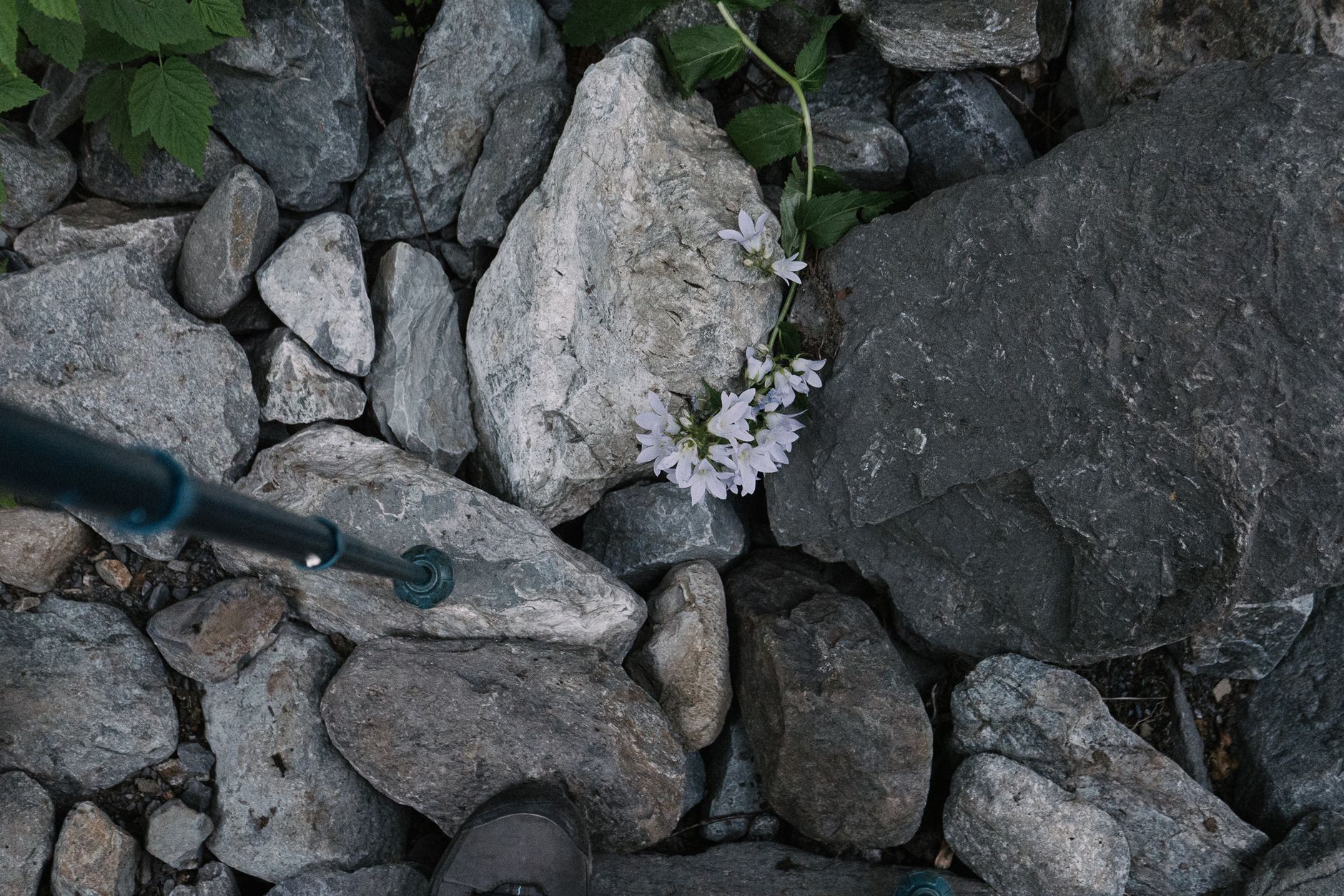
Trekking poles relieve the knees and joints on the descent, add security on steep slopes and bring the arms into play on the ascent. What matters is the material, the locking mechanism and whether you prefer telescoping or folding poles. We show which poles impress, from the affordable entry-level to the light carbon model.
Our recommendations at a glance
Leki Makalu / Cressida FX
For those who want reliable, ergonomic poles with the proven Speed-Lock mechanism and a good cork grip, for long tours without pressure points.
Check priceBlack Diamond Trail
Solid aluminium telescopic poles with a reliable FlickLock mechanism at a fair price, ideal for beginners and frequent hikers.
Check priceKomperdell Carbon
For tourers who count every gram: very light carbon poles that you barely feel in your hand on the ascent.
Check priceModels compared
| Model | Material / construction | Lock / grip | Strength | Price range | |
|---|---|---|---|---|---|
| Leki Makalu / Cressida FX Our pick | Alu, telescopic | Speed-Lock, cork | Ergonomics and reliability | €€€ | Check price |
| Black Diamond Trail Best value | Alu, telescopic | FlickLock, foam | Robust and fairly priced | €€ | Check price |
| Komperdell Carbon Lightweight | Carbon, telescopic | Clamp lock, cork | Very light | €€€ | Check price |
| Leki Cross Trail Foldable | Alu/carbon, folding pole | Push-button, foam | Packs away small | €€€ | Check price |
| Decathlon Quechua MH500 Entry-level | Alu, telescopic | Clamp lock, foam | Very affordable | € | Check price |
| Black Diamond Distance Carbon Z Trail running | Carbon, folding pole (Z) | Fixed length, foam | Ultralight, stowed in a flash | €€€€ | Check price |
Price ranges as a guide: € affordable to €€€€ premium. Weight per pair, to be checked. Advertising.
What to look for
- Telescopic or folding: Telescopic poles are robust and freely adjustable in length, ideal for changing terrain. Folding poles (Z-fold) pack away small and are great for the pack or travel, but usually come only in fixed lengths or with a small adjustment range.
- Aluminium or carbon: Alu is cheaper and forgives bending before it breaks, making it the safe choice in alpine terrain. Carbon is lighter and dampens vibration, but under strong point loads it can snap rather than yield.
- Locking mechanism: External lever locks (Speed-Lock, FlickLock) hold reliably and can be operated even with gloves. Internal twist locks are cheaper but can slip in wet or cold conditions.
- Grip: Cork moulds to the hand and absorbs sweat, foam is light and pleasantly grippy, plastic is cheap but sweaty. An extended grip zone helps on short traverses without changing the length.
- Baskets: Small trekking baskets are enough for firm trails; large snow baskets prevent sinking in snow or soft ground. Interchangeable baskets make the poles usable year-round.
- Weight: With every step the arms lift the poles too, so low weight makes a noticeable difference over the day. Those who walk a lot and for long benefit most from light poles.
The models in detail
Leki Makalu / Cressida FX Our pick
Aluminium · telescopic · Speed-Lock mechanism · cork grip · price range €€€ (to be checked)
Leki is a fixture in trekking poles, and the Makalu range (Cressida as the women’s version) shows why: a reliable Speed-Lock mechanism, an ergonomic cork grip and well-thought-out adjustment. Poles that do their job reliably for years without you having to think about them.
Pros: Very reliable lock · pleasant cork grip · excellent spare-parts supply.
Cons: A little heavier than pure carbon poles · higher price than entry-level models.
→ View Leki Makalu / Cressida FX (Advertising)
Black Diamond Trail Best value
Aluminium · telescopic · FlickLock mechanism · foam grip · price range €€ (to be checked)
The Trail is the classic for anyone looking for solid poles without a premium. The external FlickLock mechanism holds rock-solid and is easy to operate even with gloves. For most hikes you need no more than these honest aluminium poles.
Pros: Robust and durable · reliable lock · fair value for money.
Cons: Heavier than carbon · foam grip absorbs less sweat than cork.
→ View Black Diamond Trail (Advertising)
Komperdell Carbon Lightweight
Carbon · telescopic · clamp lock · cork grip · price range €€€ (to be checked)
Komperdell, an Austrian maker with long experience, builds noticeably light poles in its Carbon range. On the ascent you clearly feel the difference from aluminium poles, and the cork grip adds comfort. Anyone who values low weight is in the right place here.
Pros: Very light · good vibration damping · pleasant cork grip.
Cons: Carbon can break under point loads · higher price.
→ View Komperdell Carbon (Advertising)
Leki Cross Trail Foldable
Alu/carbon · folding pole · push-button mechanism · foam grip · price range €€€ (to be checked)
The Cross Trail folds down to a compact length in a flash via a push button, fitting into any pack or suitcase. Ideal for anyone who often stows their poles on the move, for example on climbing passages or while travelling. Despite the folding mechanism it stays stable and pleasant in the hand.
Pros: Packs away very small · quick to set up and take down · solid for a folding pole.
Cons: Adjustment range smaller than telescopic · folding mechanism needs a little more care.
→ View Leki Cross Trail (Advertising)
Decathlon Quechua MH500 Entry-level
Aluminium · telescopic · clamp lock · foam grip · price range € (to be checked)
For an entry-level option the MH500 is hard to beat: solid aluminium poles with a decent lock at a low price. Anyone who wants to try whether poles suit them gets reliable hardware here without investing much.
Pros: Very affordable · solid for occasional tours · good first-kit pair.
Cons: Heavier and more simply built · lock less refined than the brand-name ones.
→ View Decathlon Quechua MH500 (Advertising)
Black Diamond Distance Carbon Z Trail running
Carbon · Z-folding pole · fixed length · foam grip · price range €€€€ (to be checked)
The Distance Carbon Z is the specialist for trail running and fast, light tours. It folds Z-style to a tiny pack size and weighs almost nothing. It only comes in fixed lengths, but its weight and compactness are unrivalled.
Pros: Ultralight · extremely compact when folded · perfect for trail running and speed tours.
Cons: Fixed length with no adjustment · high price · carbon sensitive to point loads.
→ View Black Diamond Distance Carbon Z (Advertising)
FAQ
What length do I need?
As a rule of thumb, with the pole planted on level ground your forearms should form a right angle. On the ascent you shorten the poles a little; on the descent you lengthen them. That is why adjustable telescopic poles are handy for changing terrain.
Carbon or aluminium?
Carbon is lighter and dampens vibration better, but under strong point loads it can break suddenly. Aluminium is heavier but bends in an emergency rather than breaking, and is cheaper. In demanding alpine terrain alu is often the safer choice.
Foldable or telescopic?
Folding poles pack away very small and are ideal if you often stow your poles in the pack on the move. Telescopic poles offer a larger adjustment range and are usually more robust, but longer when stowed.
Do you really need two poles?
For the full effect, yes: two poles relieve the knees evenly, give support on both sides on slopes and bring both arms into the movement. A single pole can do on easy trails, but in the mountains two are clearly an advantage.
Transparency: The links marked with Advertising are advertising/affiliate links. Read more in our privacy policy. Related to this topic: Packing list for the day hike and our guide Hut hiking for beginners.