


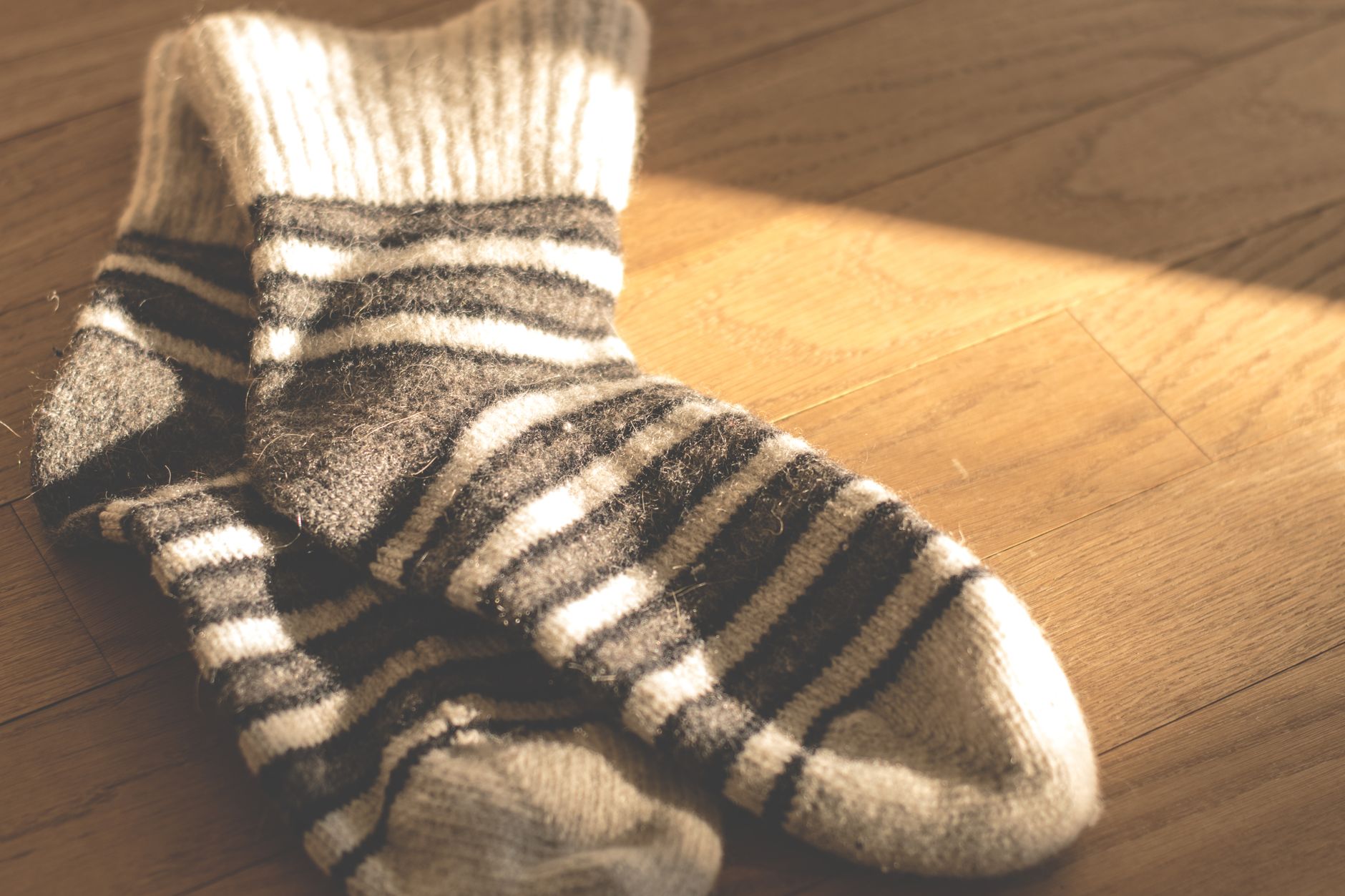
The sock often decides more about a good hiking day than the boot, because blisters hinge on it. A good hiking sock wicks moisture outwards, cushions in the right places and sits wrinkle-free. We show what matters and which models impress, from merino to synthetic.
Our recommendations at a glance
Falke TK2
The versatile classic: medium cushioning, excellent fit and durable quality for most mountain tours.
Check priceBridgedale
Robust, thoughtfully built socks with good moisture management at a fair price, an honest long-runner.
Check priceSmartwool Merino
For leisurely hikers: soft merino wool that neutralises odours and stays pleasant across a wide temperature range.
Check priceModels compared
| Model | Material | Cushioning | Strength | Price range | |
|---|---|---|---|---|---|
| Falke TK2 Our pick | Merino blend | Medium | Top fit, durable | €€€ | Check price |
| Bridgedale Best value | Merino/synthetic blend | Light to heavy | Robust, thoughtful, fair | €€ | Check price |
| Smartwool Merino Comfort | Merino wool | Light to medium | Soft, odour-neutral | €€€ | Check price |
| X-Socks Technical | Synthetic functional knit | Zone-based | Climate zones, lots of ventilation | €€€ | Check price |
| CEP Compression | Synthetic (compression) | Light | Supportive, less tired legs | €€€ | Check price |
| Decathlon (Quechua/Forclaz) Entry-level | Synthetic/merino blend | Light to medium | Very affordable, solid | € | Check price |
Price ranges as a guide: € affordable to €€€€ premium. Cushioning and material vary by model line, to be checked. Advertising.
What to look for
- Merino or synthetic: Merino wool is soft, temperature-regulating and neutralises odours, but dries more slowly and wears out faster. Synthetic wicks moisture quickly, dries fast and is more robust, but smells sooner. Blends often combine the advantages.
- Cushioning: Light cushioning for warm days and stiff boots, medium for most mountain tours, heavy for long distances, heavy packs or winter. More cushioning warms and dampens but can also feel tight in the boot.
- Height: The sock should rise above the boot cuff so the edge does not chafe the ankle. High mountain boots need correspondingly high socks; for low shoes quarter heights are enough.
- Seam-free design: Flat or seamless toe seams prevent pressure points and blisters on the toes. On long tours in particular this level of detail makes itself felt.
- Fit: A good hiking sock sits wrinkle-free and does not slip; anatomically shaped models (left/right) or an elastic midfoot band often help. Wrinkles and slipping are the most common cause of blisters.
- Moisture wicking & anti-blister: What matters is that the sock leads sweat away from the foot, since a wet foot chafes more easily. Double-layer anti-blister socks absorb the friction within themselves; some swear by them, others find them too warm.
The models in detail
Falke TK2 Our pick
Merino blend · medium cushioning · anatomically shaped · price range €€€ (to be checked)
Falke’s TK2 is the all-round hiking sock many take their cue from. The medium cushioning suits most mountain tours, the fit sits wrinkle-free, and the build lasts many tours. Anyone looking for a reliable sock for almost anything can hardly go wrong with it.
Pros: Excellent fit · durable · balanced cushioning for many uses.
Cons: Higher price than entry-level socks · for high summer or winter there are more specialised variants.
→ View Falke TK2 (Advertising)
Bridgedale Best value
Merino/synthetic blend · cushioning depending on model · good moisture management · price range €€ (to be checked)
Bridgedale has built thoughtful hiking socks for decades, with cleverly placed cushioning and ventilation zones. The blend wicks moisture well and lasts a long time. They come in several cushioning levels, so there is something for day tours as well as multi-day tours, and all at a fair price.
Pros: Robust and durable · good moisture management · fair value for money.
Cons: Plain looks · soft merino models from other brands feel a touch plusher.
→ View Bridgedale (Advertising)
Smartwool Merino Comfort
Merino wool · light to medium cushioning · temperature-regulating · price range €€€ (to be checked)
Smartwool stands for especially soft merino socks that feel pleasant on the skin and work across a wide temperature range. The wool neutralises odours, so you can wear the socks longer on multi-day tours. For leisurely hikers who value comfort, a lovely choice.
Pros: Very soft and pleasant · odour-neutral · good temperature regulation.
Cons: Pure merino wool wears out faster · dries more slowly than synthetic.
→ View Smartwool Merino (Advertising)
X-Socks Technical
Synthetic functional knit · zone-based construction · lots of ventilation · price range €€€ (to be checked)
X-Socks relies on a technical knit concept with different zones for cushioning, ventilation and support. The result is a highly functional sock that wicks moisture quickly and supports the foot in a targeted way. The firm, close-fitting models are not everyone’s thing, but tech-minded hikers value them.
Pros: Very good moisture management · targeted cushioning and ventilation zones · good support.
Cons: Firm, technical fit not for everyone · synthetic smells sooner than merino.
→ View X-Socks (Advertising)
CEP Compression
Synthetic with compression · light cushioning · supportive · price range €€€ (to be checked)
CEP socks work with targeted compression that supports the calf muscles and, for many, makes the legs less tired on long tours. They sit snugly and wick moisture well. Anyone prone to heavy legs or covering long distances can benefit from the compression, though it is not a must.
Pros: Supportive compression · good moisture management · can reduce tired legs.
Cons: Snug fit takes getting used to · less cushioning than classic hiking socks.
→ View CEP (Advertising)
Decathlon (Quechua/Forclaz) Entry-level
Synthetic or merino blend · light to medium cushioning · very affordable · price range € (to be checked)
With Quechua and Forclaz, Decathlon offers solid hiking socks at a low price, often in multipacks. For beginners or as affordable resupply they are a good choice, because the core performance is there. They do not quite reach the durability and refinement of the premium brands, but you get a lot for the money.
Pros: Very affordable · often in multipacks · solid for occasional tours.
Cons: Less durable · fit and cushioning simpler than the specialists’.
→ View Decathlon Quechua/Forclaz (Advertising)
FAQ
Merino or synthetic?
Merino is soft, temperature-regulating and odour-neutral, ideal for multi-day tours and comfort. Synthetic wicks moisture faster, dries quicker and lasts longer. Many good socks are blends and combine both advantages, which for most people is the best choice.
How thick should the sock be?
That depends on boot, weather and tour: light cushioning for warm days and snug boots, medium for most mountain tours, heavy for long distances, heavy loads or winter. What matters is that the boot fits with the chosen sock, best tried on the way you will later hike.
Do hiking socks help against blisters?
Yes, indirectly: a well-fitting, wrinkle-free sock that wicks moisture reduces friction and damp skin, the two main causes of blisters. Some additionally swear by double-layer anti-blister socks that absorb the friction within. A well-fitting boot also remains important.
How do you wash hiking socks?
At 30 to 40 degrees on a gentle cycle, best turned inside out, without fabric softener, since it clogs the fibres and worsens moisture wicking. Merino socks dry better in the air than in the dryer, which spares the wool and extends its life.
Transparency: The links marked with Advertising are advertising/affiliate links. Read more in our privacy policy. Related to this topic: our Hiking boot buying guide and the Packing list for the day hike.