'/%3E%3C/svg%3E)


'/%3E%3Cpath%20fill='%23b2b2b2'%20d='M241%20382q0%2016%2017%2026%2017%2011%2042%2011t42-11q16-11%2017-26V269H241'/%3E%3Cpath%20fill='%239f7e00'%20d='M241%20379q0%2014%208%2023%209%209%2021%209%2014%200%2021-9%209-9%209-23V269h-59'/%3E%3Cpath%20d='M241%20339v-70h59v110q0%2014-9%2023l-6%205v-68h-15v72q-8%200-14-4v-68zm59%2040c0%2022%2015%2032%2029%2032%2021%200%2030-18%2030-32v-40h-59'/%3E%3Cpath%20fill='%239f7e00'%20d='M266%20277v5h2v12h-3v-5h2v-5h-9v5h2v5h-4v9h3v18h-5v10h34v-10h-5v-18h3v-9h-4v-5h2v-5h-9v5h2v5h-3v-12h2v-5zm42%20101q0%2010%206%2017%206%206%2015%207%2010-1%2016-7%206-7%206-17v-29h-43'/%3E%3Ccircle%20fill='%230044ad'%20cx='329.5'%20cy='372'%20r='6'/%3E%3Cellipse%20fill='%230044ad'%20cx='300'%20cy='340'%20rx='16'%20ry='21'/%3E%3C/svg%3E)

'/%3E%3C/g%3E%3Cuse%20href='%23c'%20transform='matrix(-1%200%200%201%20720%200)'/%3E%3C/svg%3E)


The onion principle (layering) is the basis of functional mountain clothing: several thin layers can be combined depending on weather and exertion, instead of one thick jacket. This keeps you dry, warm and flexible in the rapidly changing alpine weather.

The three layers
1. Base layer (underwear)
Function: Wicks sweat away from the skin; wet skin cools you down fast.
Material: Merino (low-odour, warms even when damp) or synthetic (dries faster, more robust)
View functional shirt (Advertising)
2. Mid layer (insulation)
Function: Stores body heat; thinner during exertion, thicker during breaks/cold.
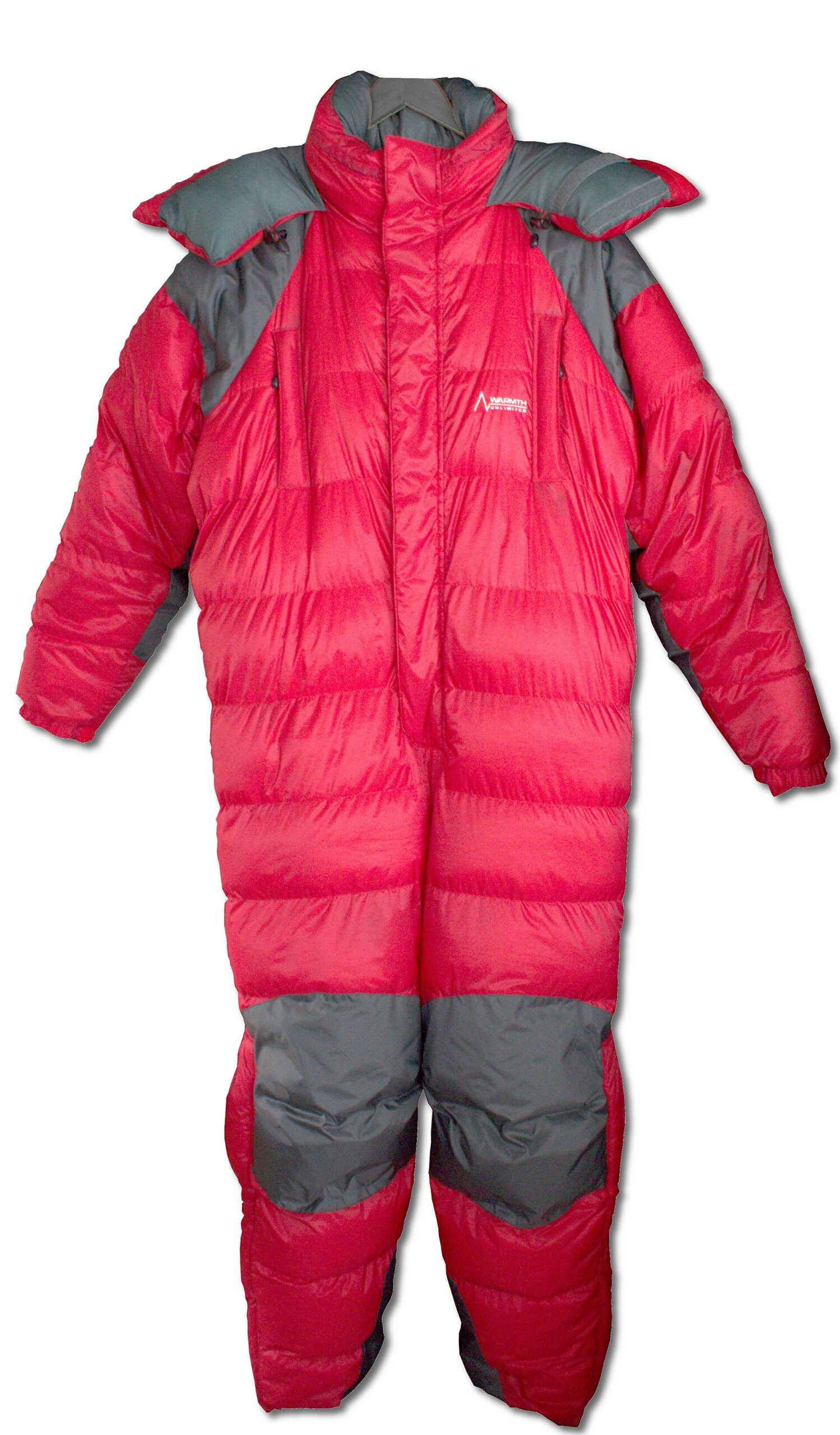
Material: Fleece (breathable), synthetic (insulates even when damp) or down (warm/light, sensitive to moisture)
View fleece/insulation jacket (Advertising)
3. Hardshell (weather protection)
Function: Protects against rain/snow/wind and stays breathable.
Material: Waterproof membrane such as GORE-TEX or 2.5-/3-layer laminates
View hardshell jacket (Advertising)
Tips
- Avoid cotton: it soaks up water, barely dries, cools you down.
- Several thin layers instead of one thick one → fine heat control.
- Adjust in time: a layer off before you sweat, back on before you get cold.
- Think of the legs in the layering principle too (tights, touring trousers, rain trousers in the pack).
- Use pit zips/vents instead of swapping the whole layer.
- Put the insulation layer on immediately during breaks.
- An emergency insulation layer belongs in the pack even in summer.
With Advertising marked links are affiliate links. More in the Privacy Policy.