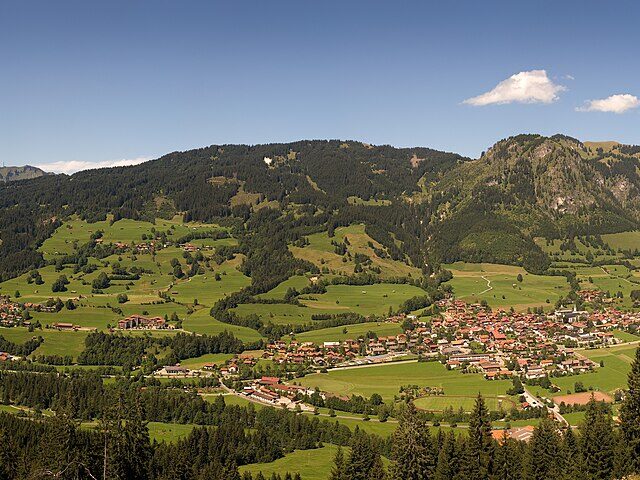
Wildlife watching in the Berchtesgaden National Park
Golden eagle, bearded vulture, chamois and marmot in Germany’s only Alpine national park
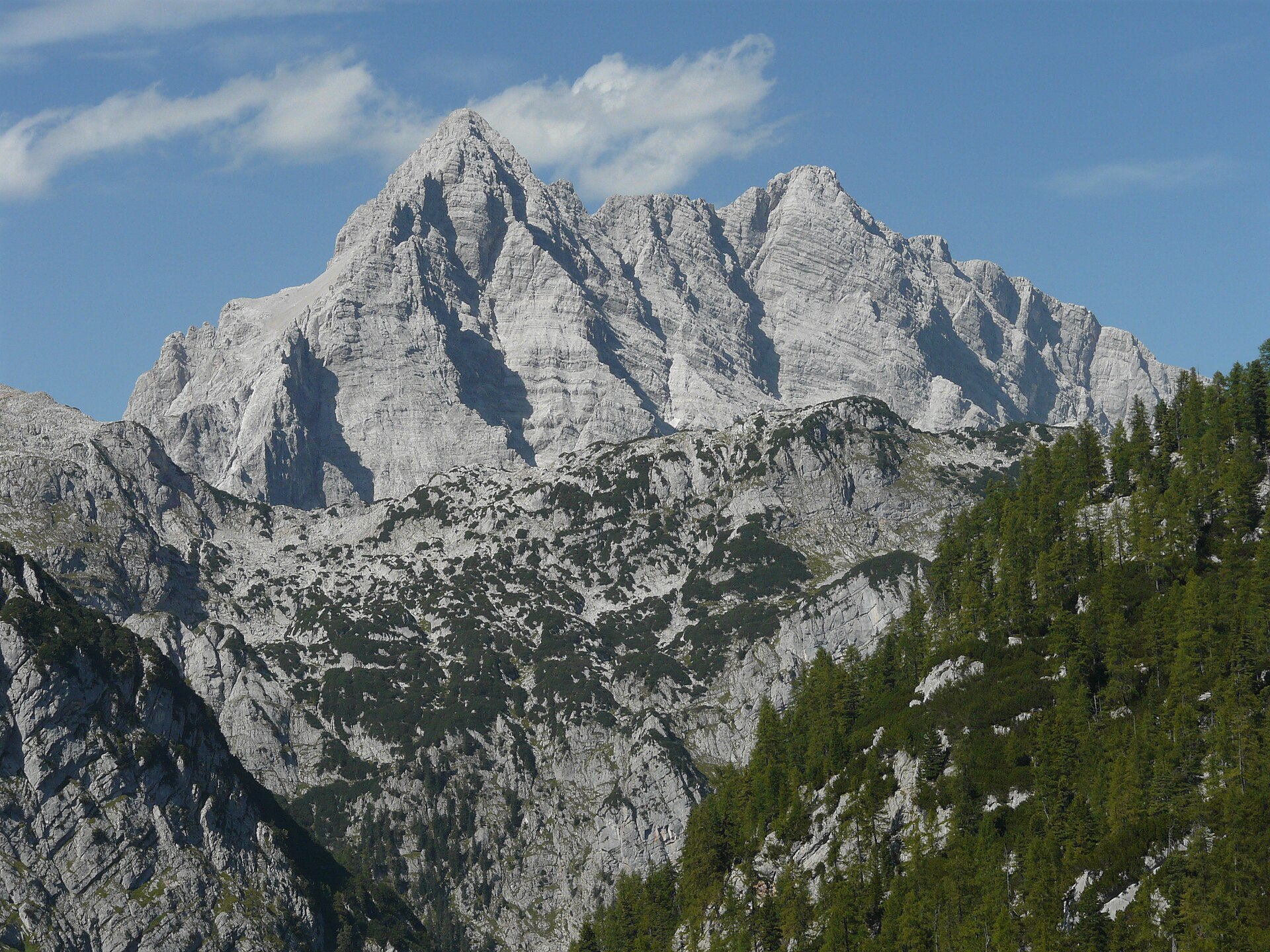
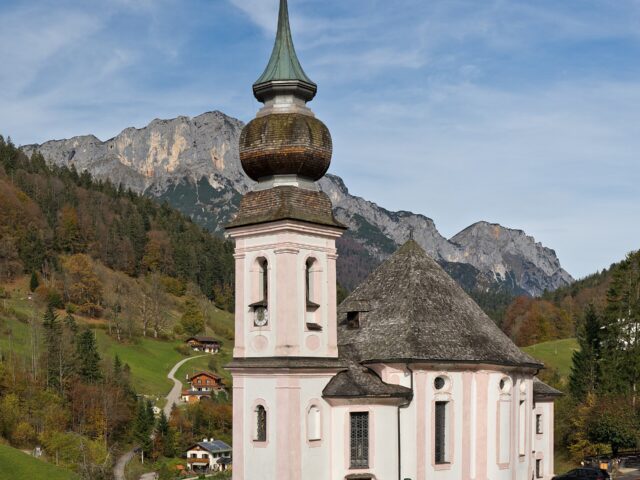
Foto: Nachtgiger / Wikimedia Commons (CC BY-SA 3.0)
Address
National park administration, Doktorberg 6, 83471 Berchtesgaden
GPS
47.5550, 12.9500
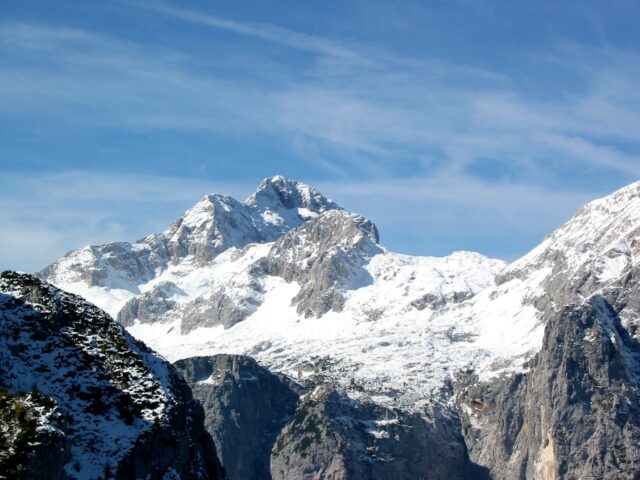
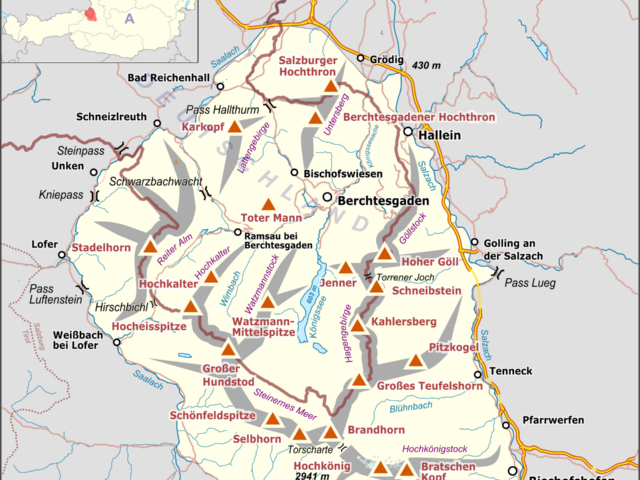
Founded in 1978, the Berchtesgaden National Park is Germany’s only national park in the Alps, and one of the best places in the country to watch large wild animals in the wild. Anyone who brings time, patience and good binoculars has a realistic chance of encountering species that have long since vanished elsewhere.
The right gear for BirdwatchingOur honest tips and tests for it.
Which animals you see
- Golden eagle: Several breeding pairs circle over the valleys, especially easy to watch in the Klausbachtal.
- Bearded vulture: Since 2021 young bearded vultures have again been released in the Klausbachtal, a reintroduction project followed across Europe. With a wingspan of over 2.80 m, Europe’s largest bird of prey.
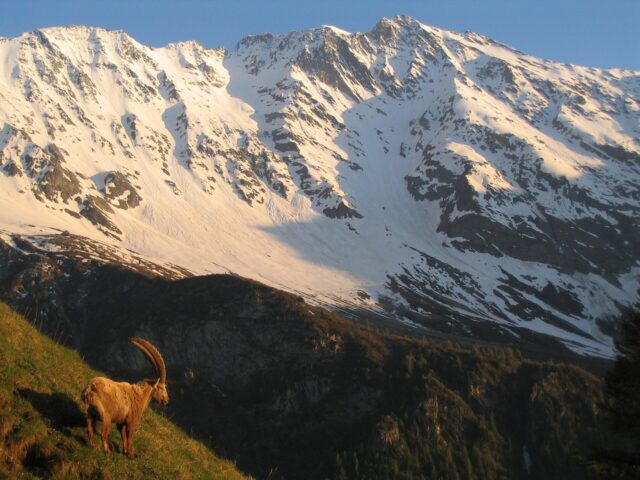
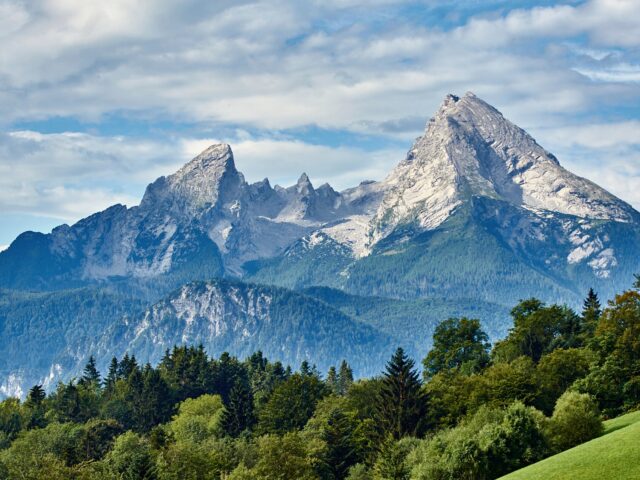
- Chamois & ibex: Present year-round on the rocky flanks of the Watzmann and the Hagengebirge.
- Marmot & red deer: Marmots whistle on almost every alpine meadow; red deer show themselves above all at dusk.
Best places & times
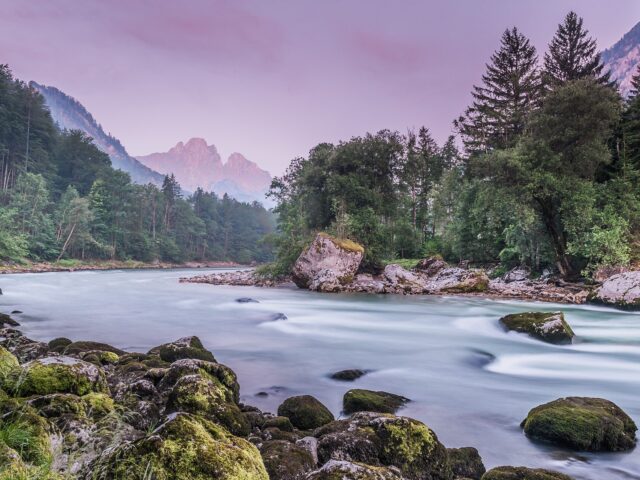
- Klausbachtal: Birds of prey, ranger observation days at the info point, suspension bridge.
- Wimbachgries: Chamois on the scree flanks.
- Mornings and at dusk activity is highest; early summer and autumn (the deer rut) are the best seasons.
The national park administration offers free guided ranger tours, ideal for getting to know locations and rules of conduct.
What matters when watching
Wild animals can only be observed from a respectful distance, without disturbing them. The optics therefore decide what you can see across the distance: a bright handheld binocular, a spotting scope for the great distances on the slope. Which devices are worth it for the Alps is shown in our buying guide: Binoculars & spotting scopes for wildlife watching.
Background & History
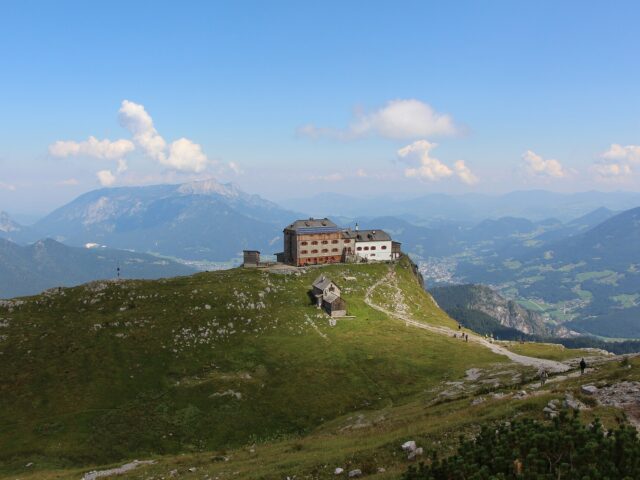
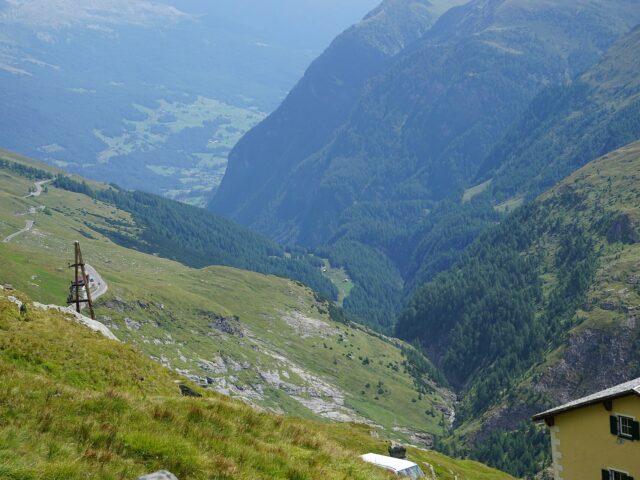
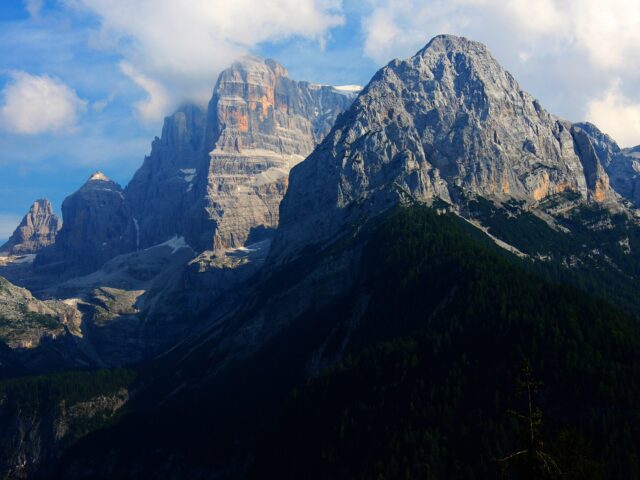
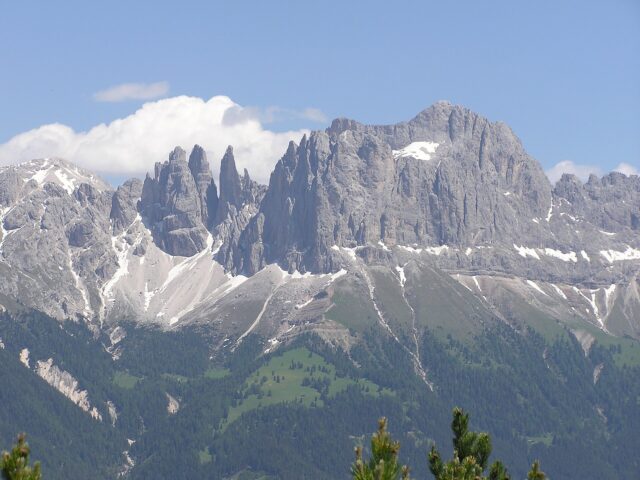
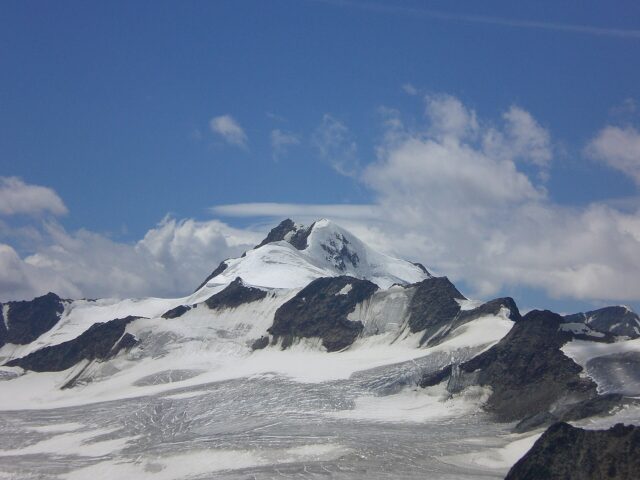
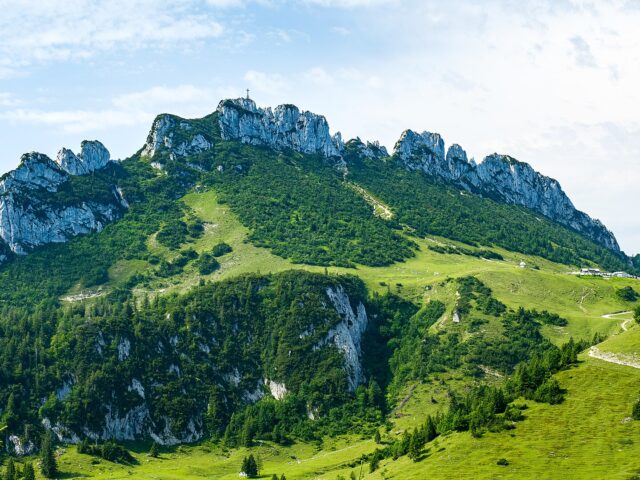
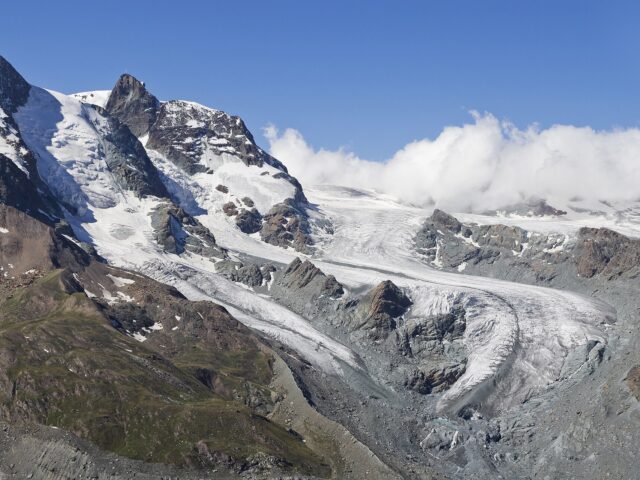
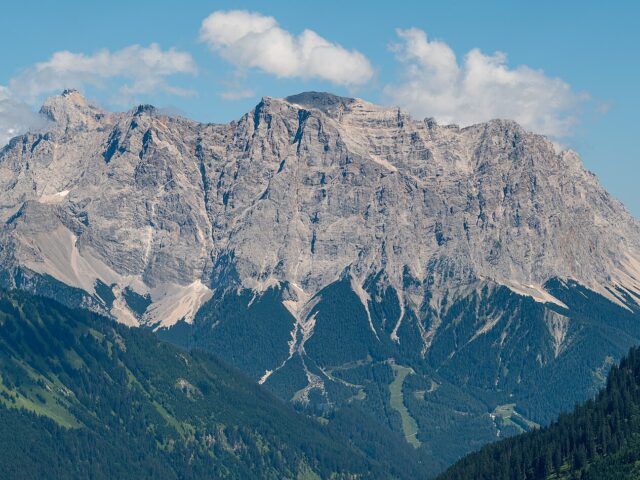
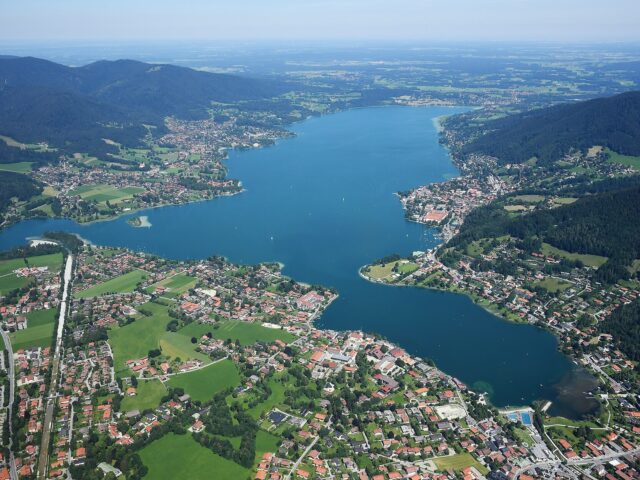
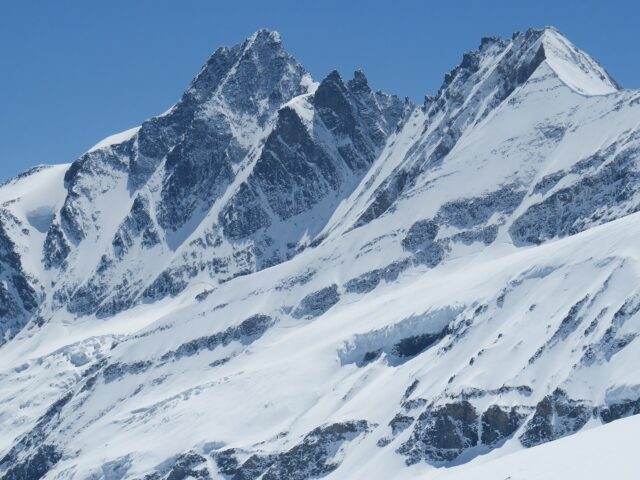
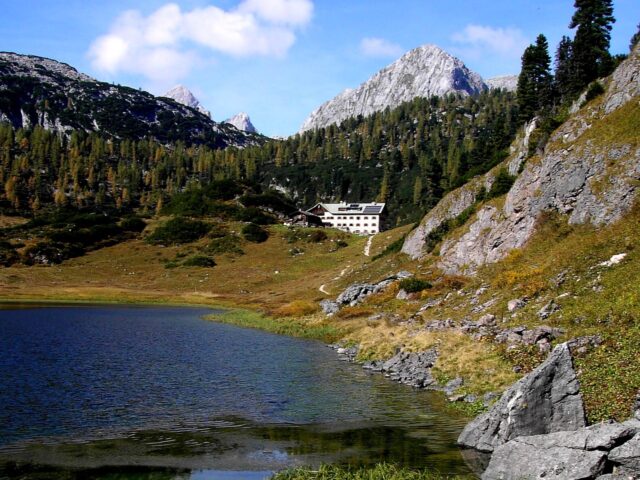
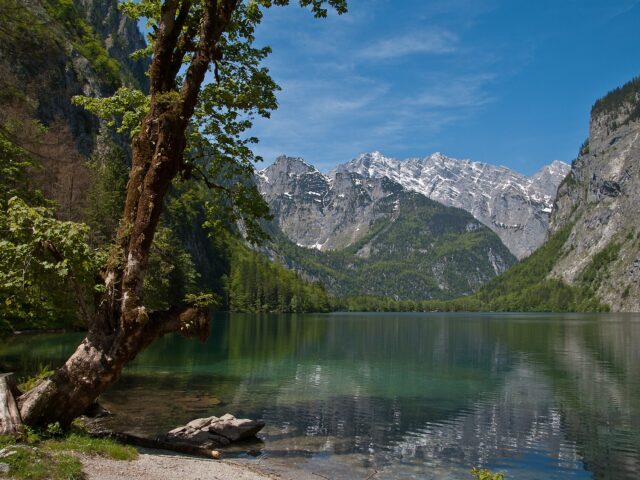
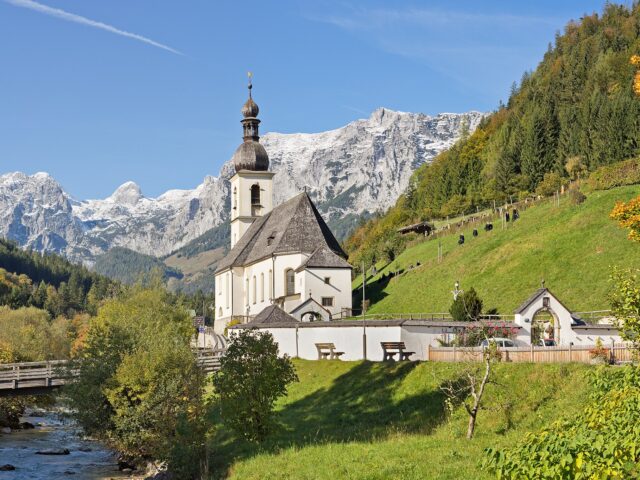
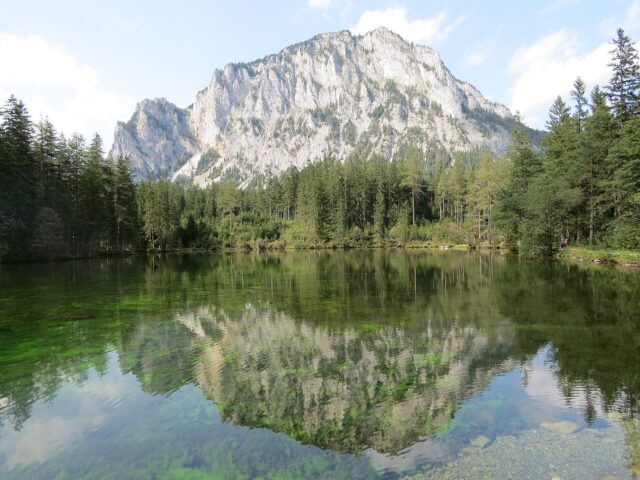
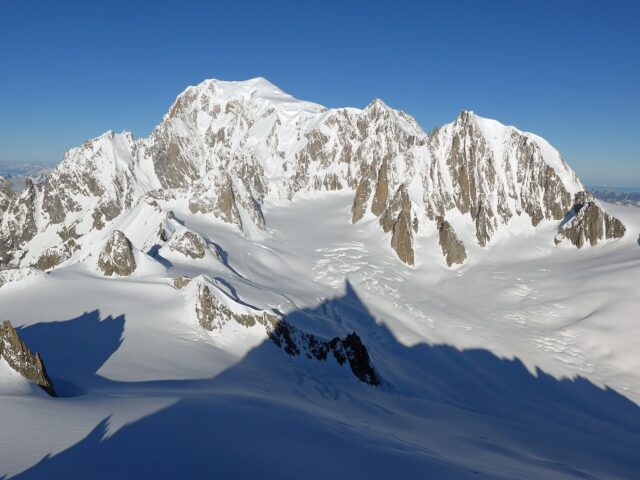
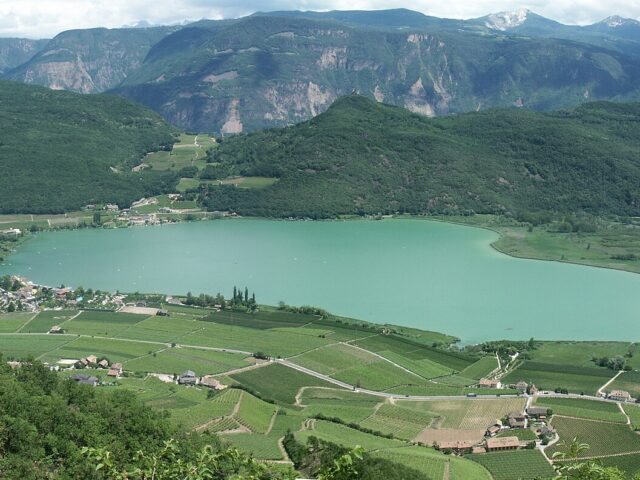
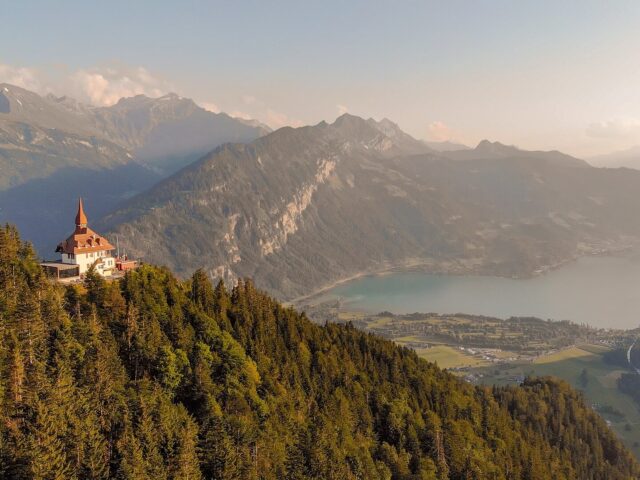
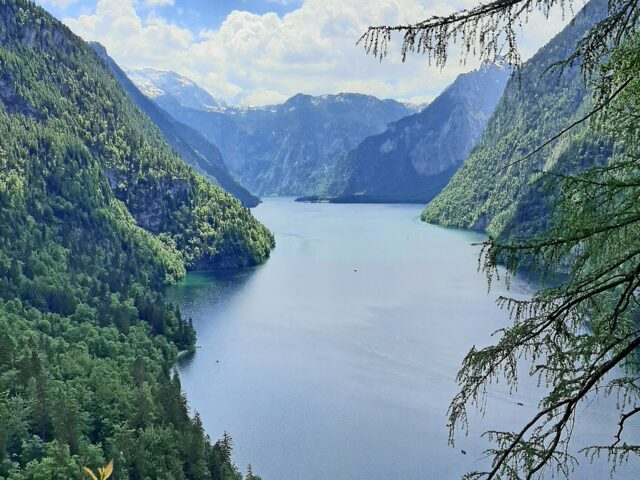
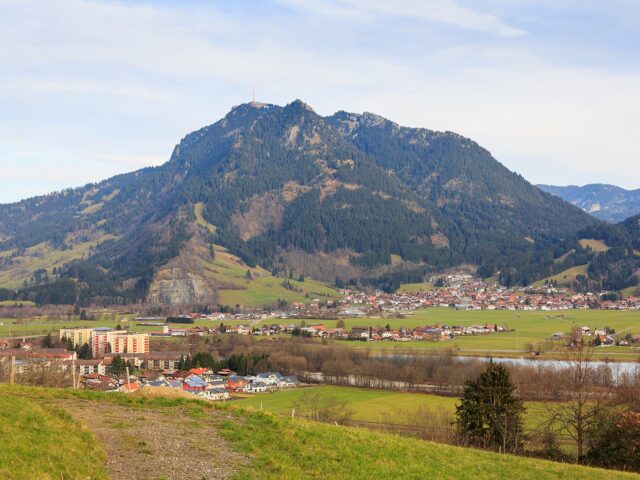
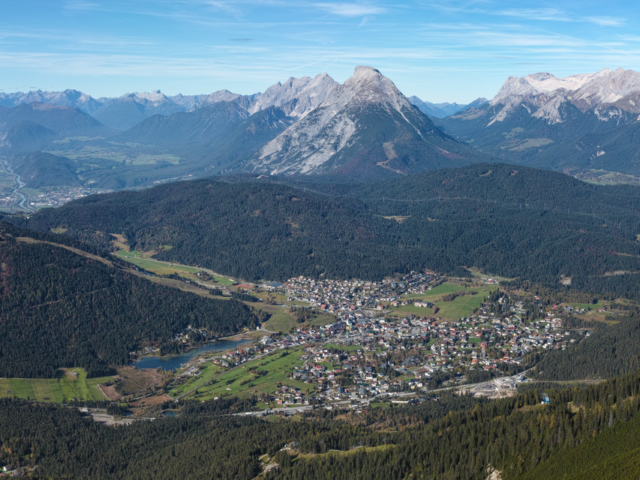
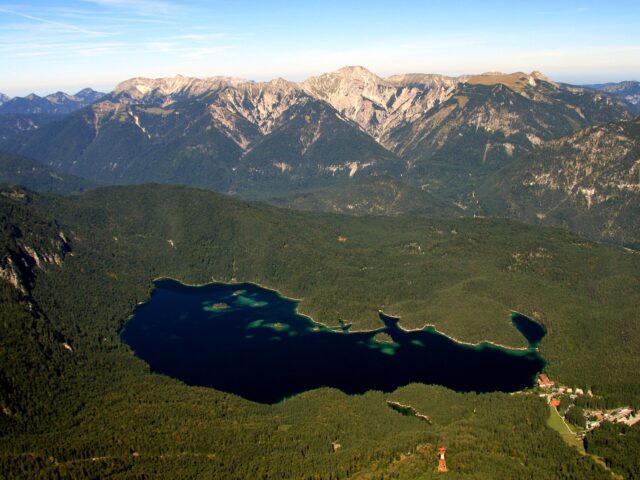
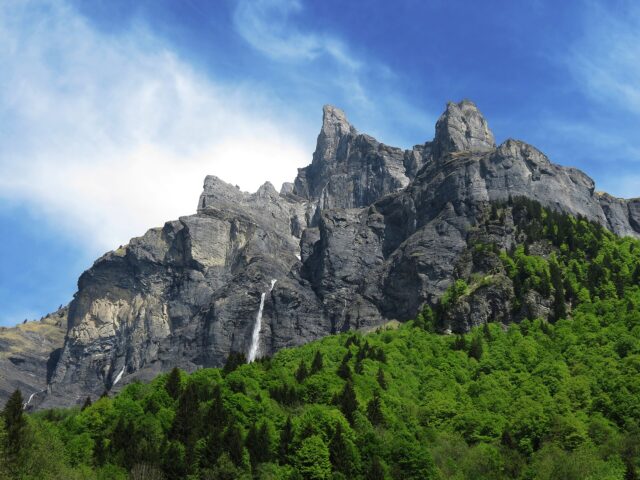
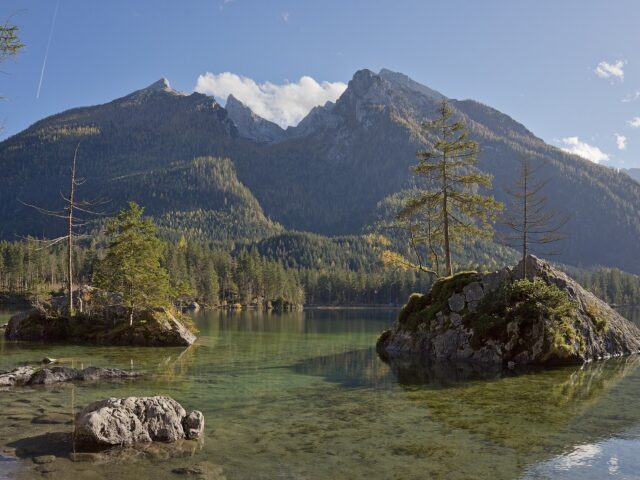
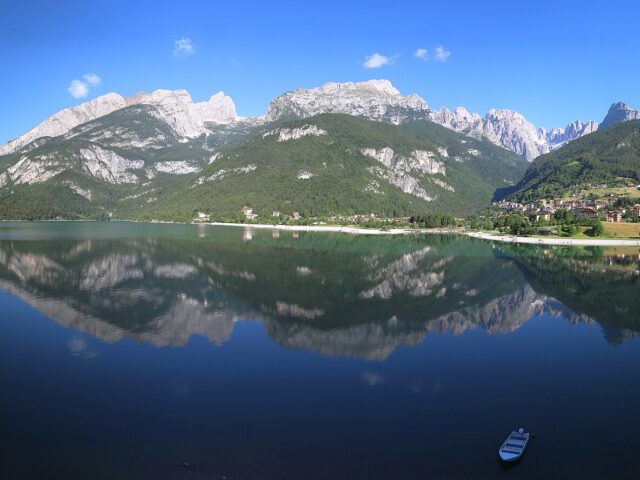
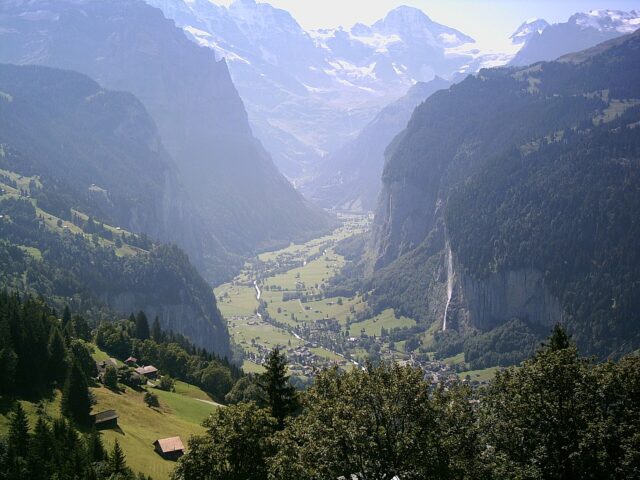
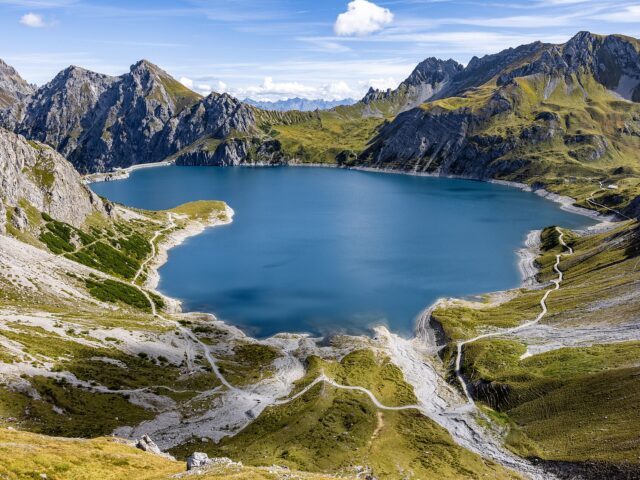
The Berchtesgaden National Park, founded in 1978, is Germany’s only Alpine national park and a refuge for wildlife that has long since vanished from the densely populated Alps elsewhere. Around the Watzmann and the fjord-like Königssee stretches a landscape of limestone cliffs, mountain forests, alpine pastures and high-mountain regions, in which, following the principle ‚let nature be nature‘, large areas are left to themselves. It is precisely this restraint that creates habitats for shy species.
The golden eagle circles over the rock faces, breeding here in several territories and ranking among the most impressive birds of prey in the Alps. More recently the once-exterminated bearded vulture, with its enormous wingspan, has also returned to the region, a symbol of the slow healing of the alpine wilderness. Chamois move across the steep slopes, marmots whistle from the pastures, and at dusk red deer step out of the forest. Especially in spring and autumn the animals can be watched with binoculars from the viewpoints and quiet trails, when the game moves down from the higher elevations and the rut of the stags echoes through the valleys. Wildlife watching in the national park thus opens up a world in which humans are only guests and nature, after centuries of use, may once again follow its own laws.
So your trip runs smoothly, our honest recommendations for this spot:
Activities here
More in the Berchtesgaden Region region
Wimbachklamm · Königssee · Watzmannhaus · Obersee & Röthbachfall