Triglav & National Park
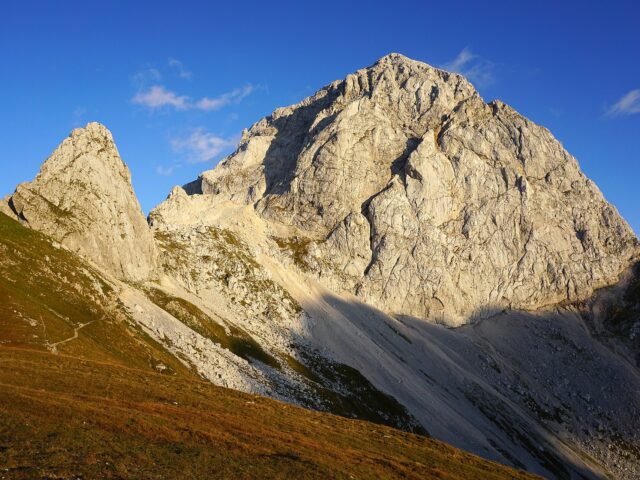
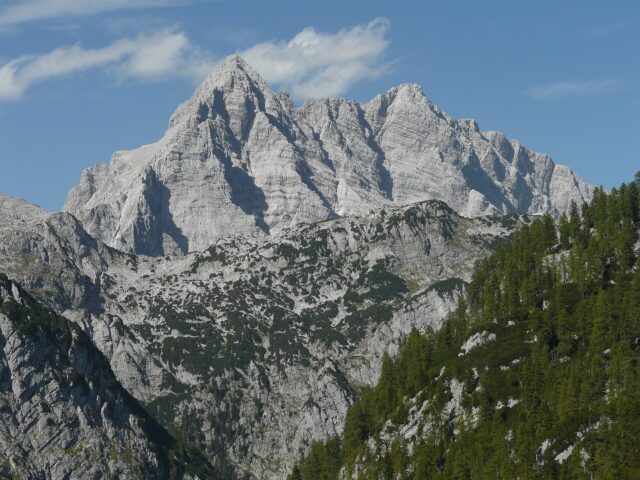
Slovenia's highest mountain, 2,864 m
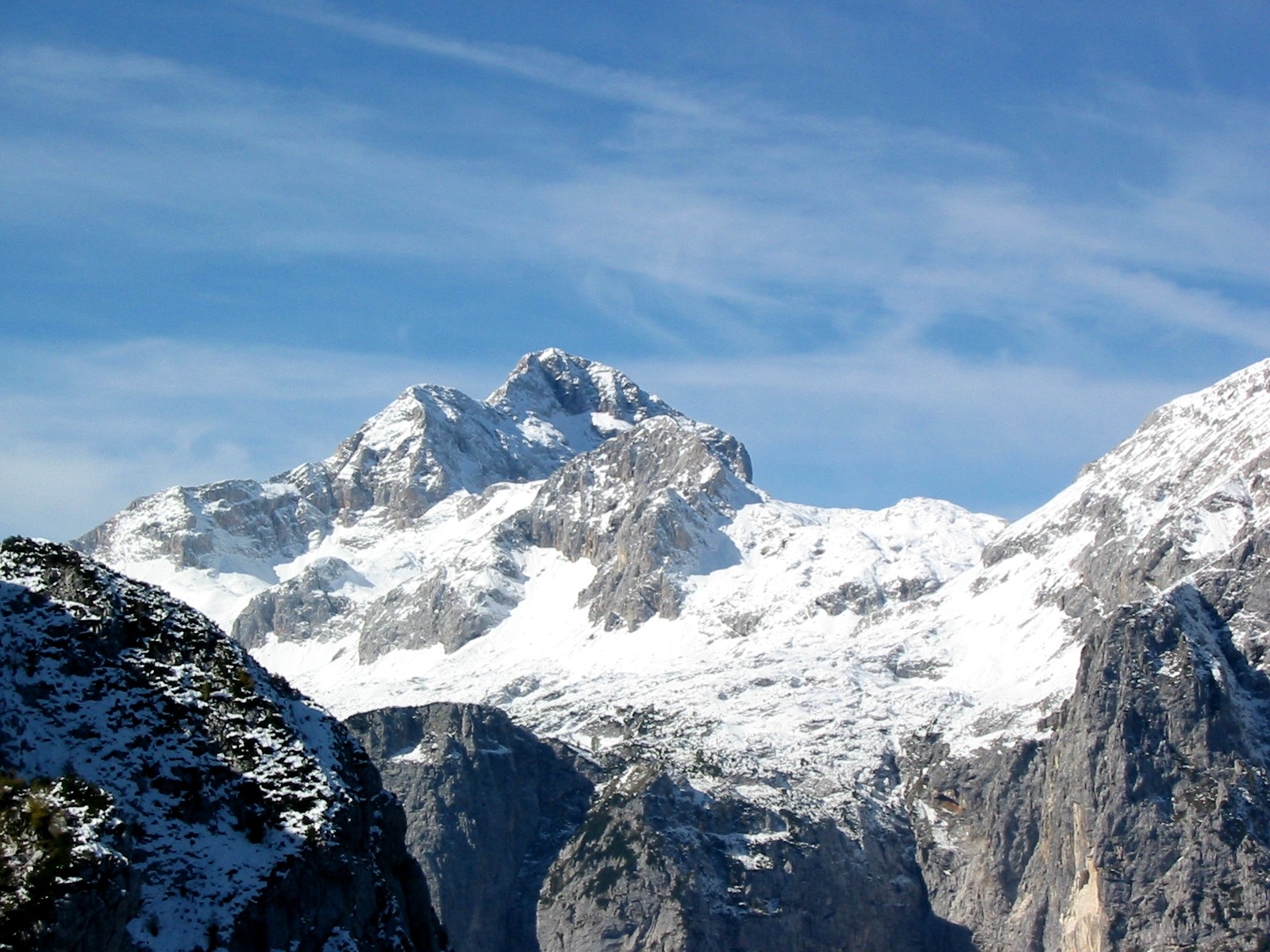
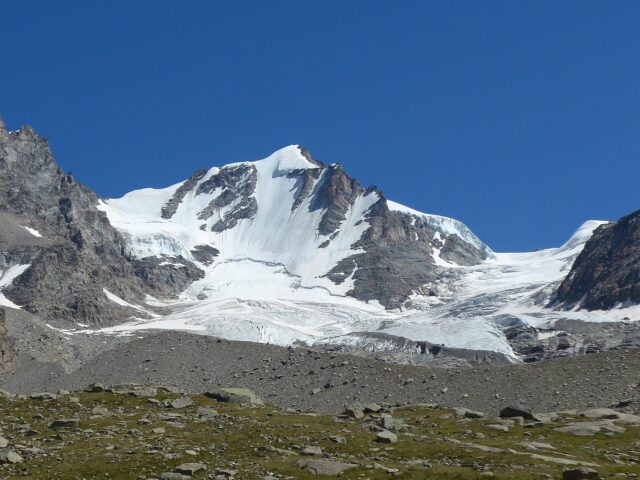
Photo: Andrej Jakobčič / Wikimedia Commons (CC BY-SA 3.0)
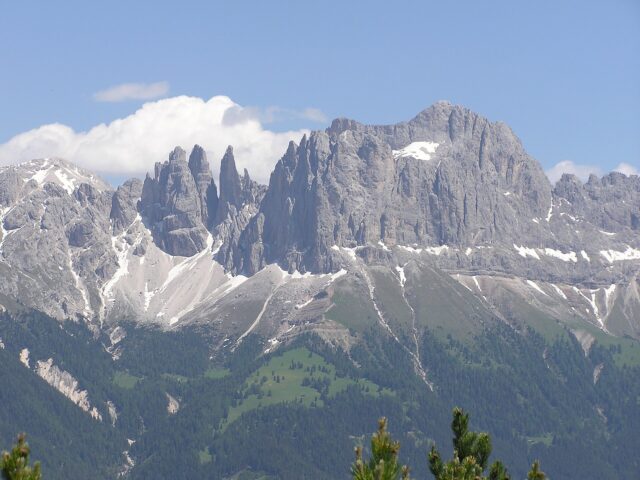
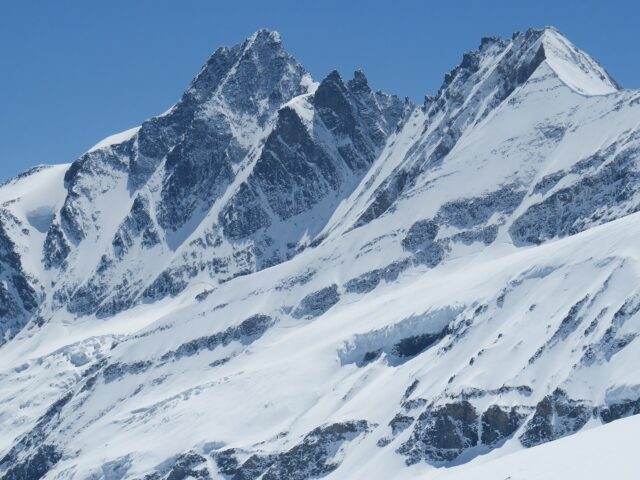
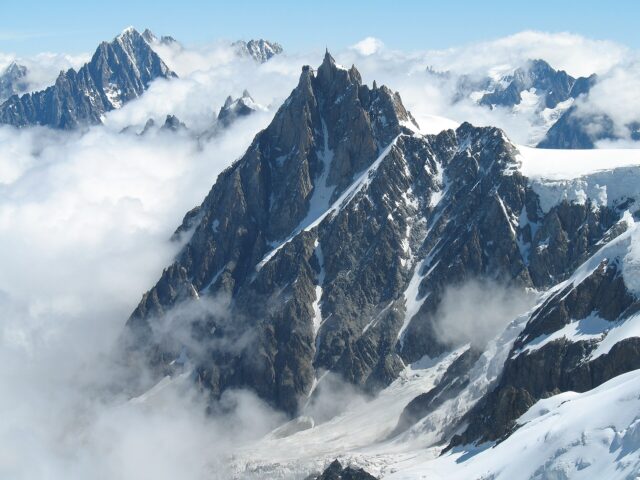
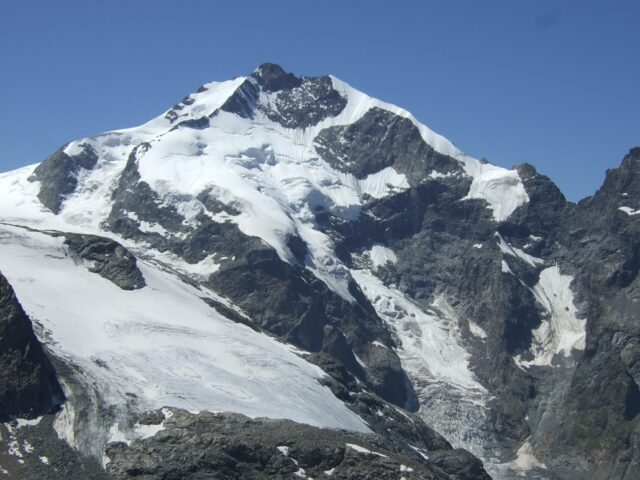
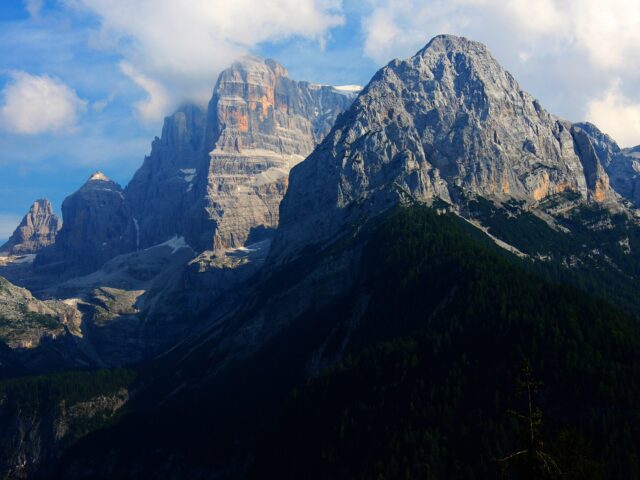
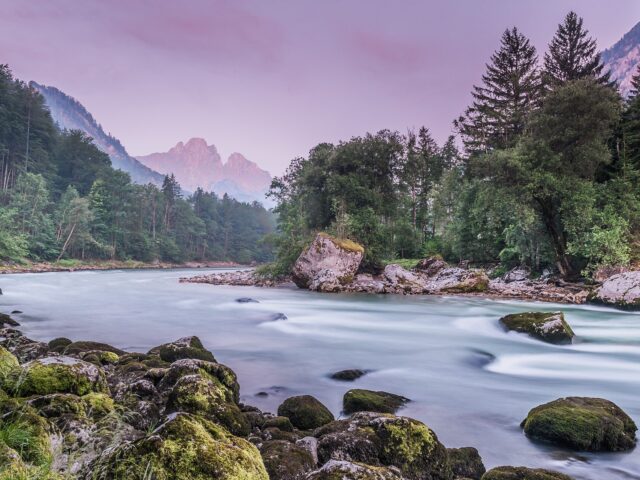
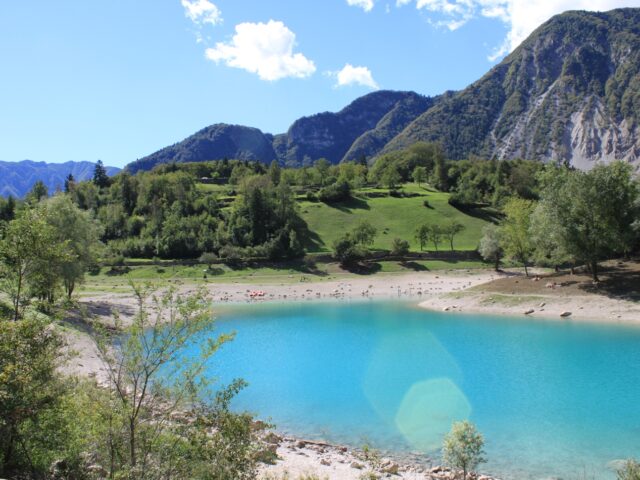
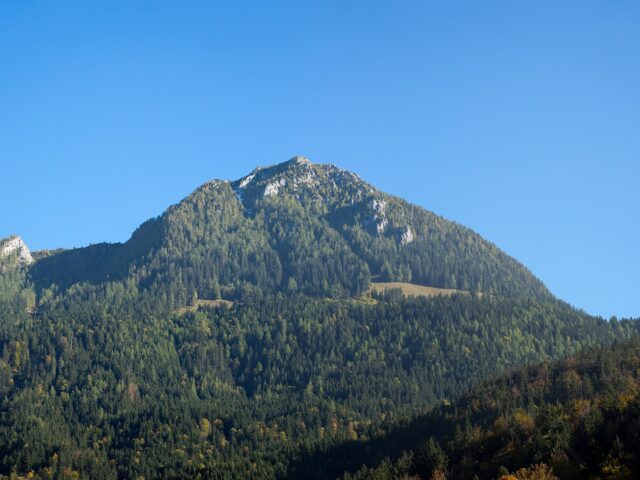
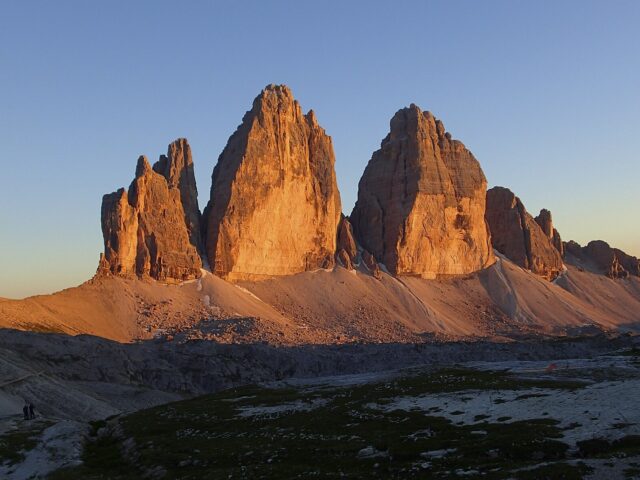
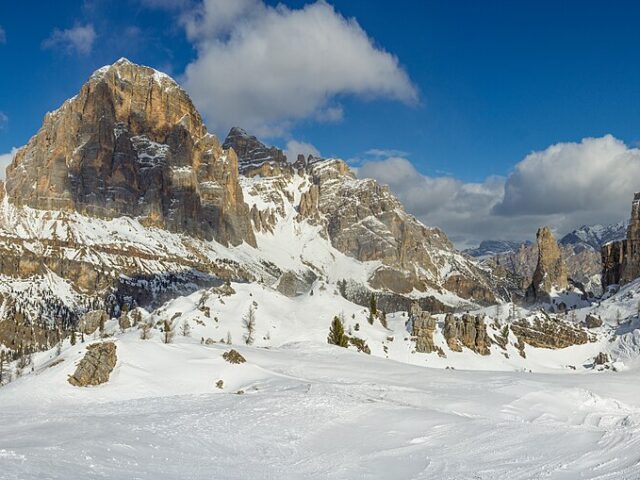
The Triglav, at 2,864 m, is the highest mountain in Slovenia and the national symbol; its three peaks adorn the coat of arms and the flag. It lies at the heart of Triglav National Park, the country's only national park. For many Slovenes the ascent is a rite of passage, but it leads over secured, exposed routes and is demanding.
Highlights
- Highest mountain and national symbol of Slovenia
- The country's only national park
- Secured summit routes (demanding)
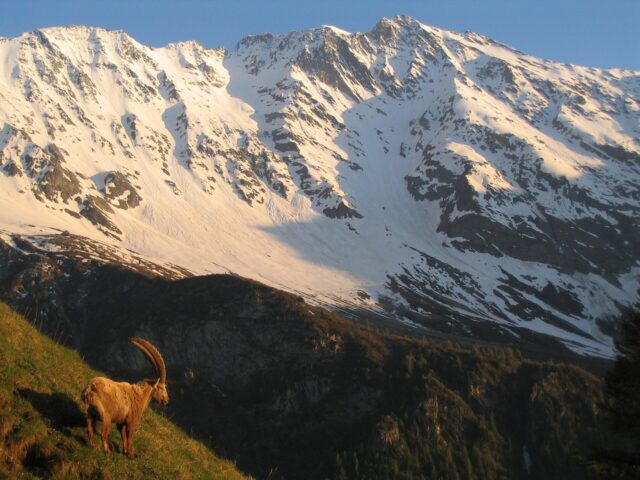
- Ibex, chamois and mountain flora
Good to know
| Elevation | 2,864 m (highest in Slovenia) |
| Symbol | three peaks in the coat of arms |
| Protected area | Triglav National Park (the country's only one) |
| Character | secured, exposed routes |
Practical info
Getting there: Starting points include Mojstrana, Bohinj, Pokljuka; by car, train to Jesenice/Bled.
Best time: Ascent July to September; hiking in the park June to October.
Cost: Nature access free; huts and mountain guides payable (please verify).
Safety: The ascent requires a via-ferrata set, sure-footedness and a head for heights; a mountain guide is recommended.
Tips:
- Plan as a two-day tour with a hut overnight
- Via-ferrata equipment is mandatory, check the weather carefully
Background & History
The Triglav is, at 2864 metres, the highest mountain in Slovenia and far more than just a peak, it is a national symbol that even adorns the country's coat of arms. Its name means “three-head” and alludes to the striking shape of the summit; some also link it with a three-headed Slavic deity. In the heart of the Julian Alps it rises from the petrified remains of a primeval tropical sea, which over the course of geological history were folded upwards and cut through by glaciers and rivers.
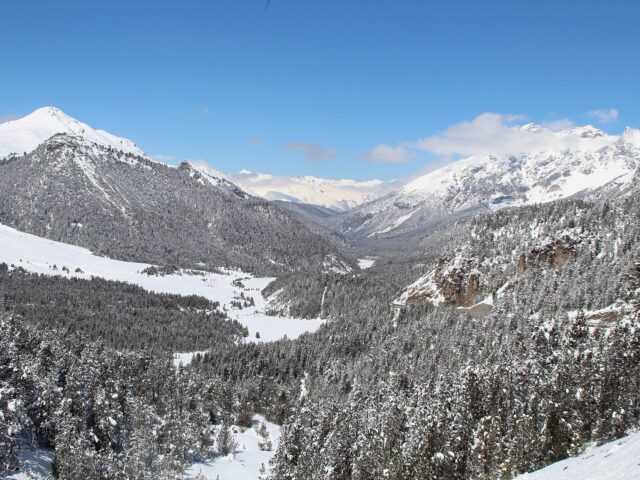
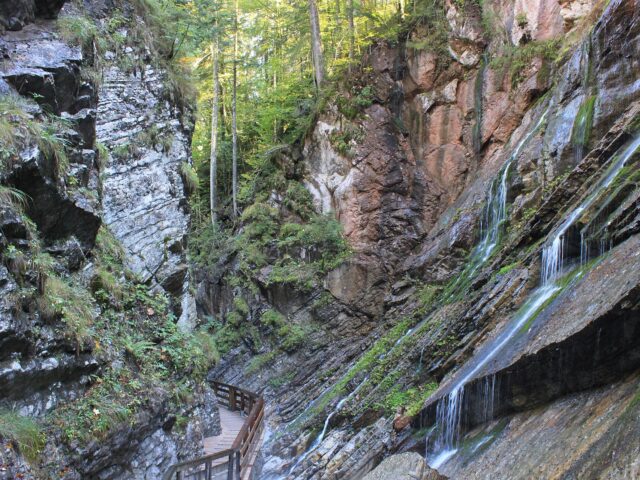
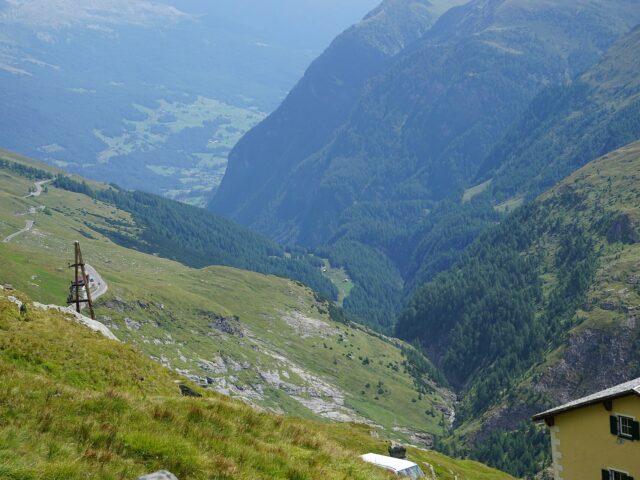
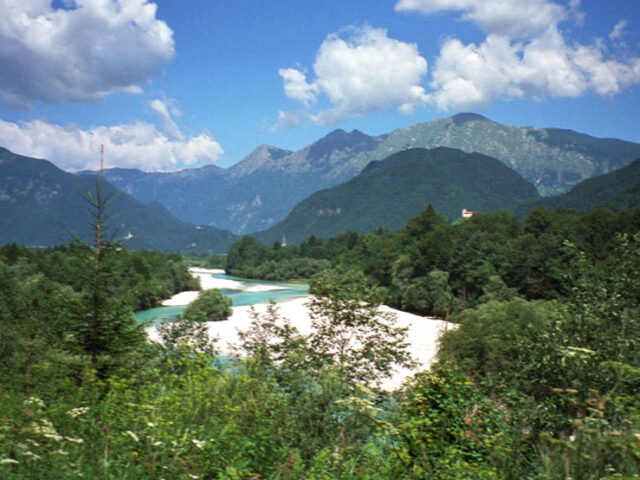
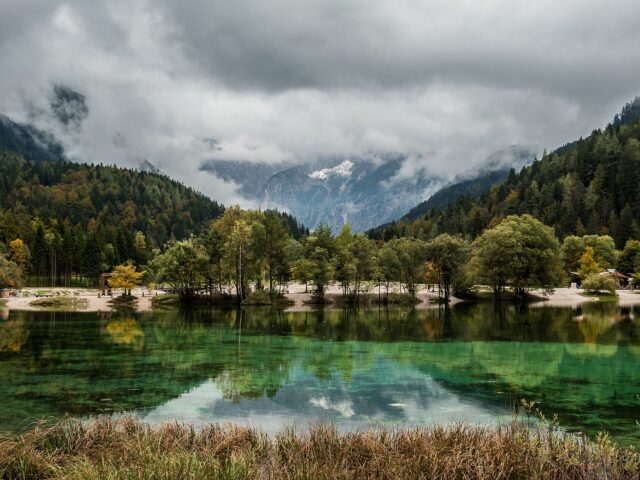
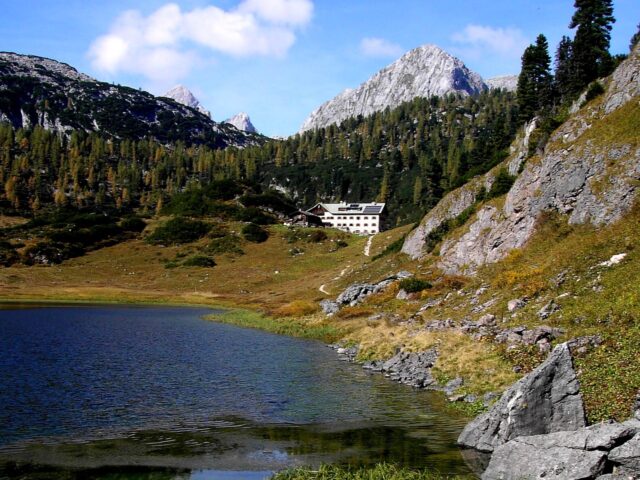
Around the mountain stretches the Triglav National Park, the only one in Slovenia, whose roots reach back to the year 1924 and which is today protected as a UNESCO Biosphere Reserve. In its forests, karst plateaus and mountain meadows live more than seven thousand species, among them brown bear, wolf and lynx, ibex and chamois, as well as the rare golden eagle. The first documented ascent of the summit was achieved in 1778 by four daring men from the Bohinj valley, an early triumph of mountaineering that is still remembered with pride today. An old legend also tells of the Zlatorog, a chamois-like creature with golden horns, which guards a hidden mountain treasure and whose story belongs to this day to the poetic soul of this wild landscape.
To make your trip run smoothly , our guides and gear tips for this destination: