Stubai Glacier
Tyrol's largest glacier ski area
Photo: Basotxerri / Wikimedia Commons (CC BY-SA 4.0)
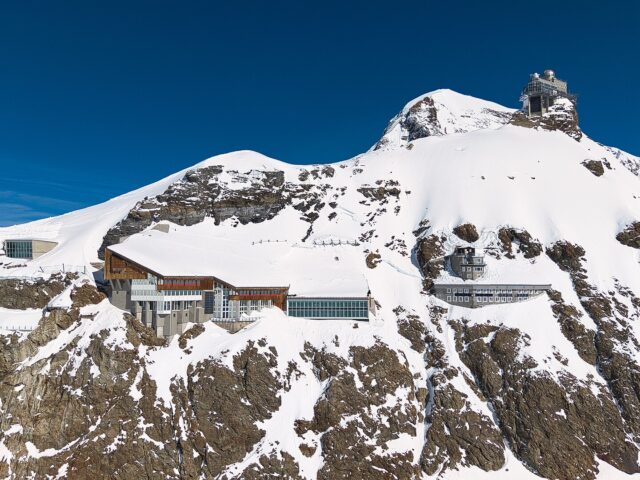
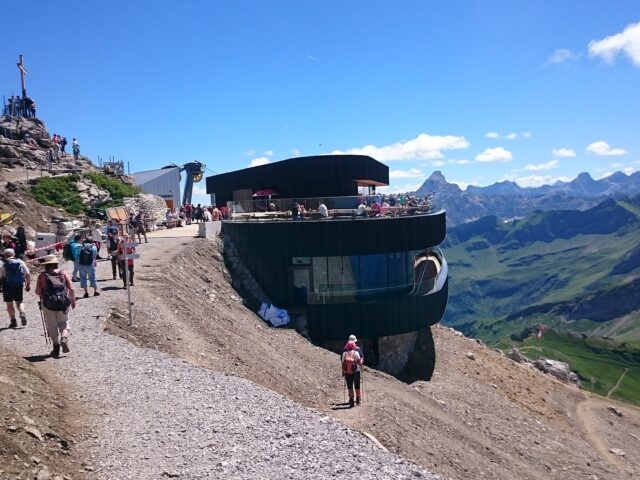
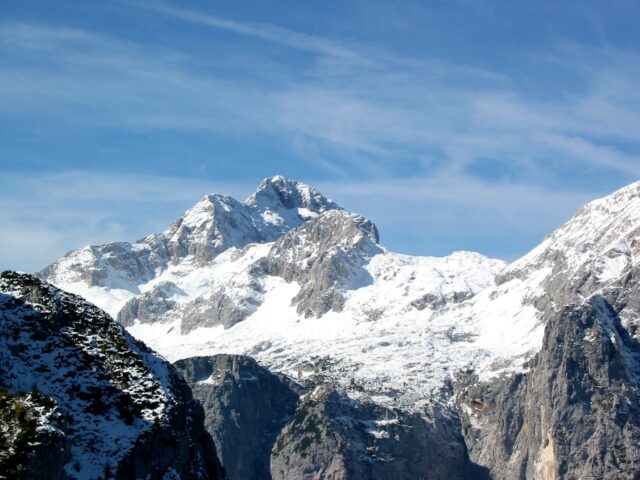
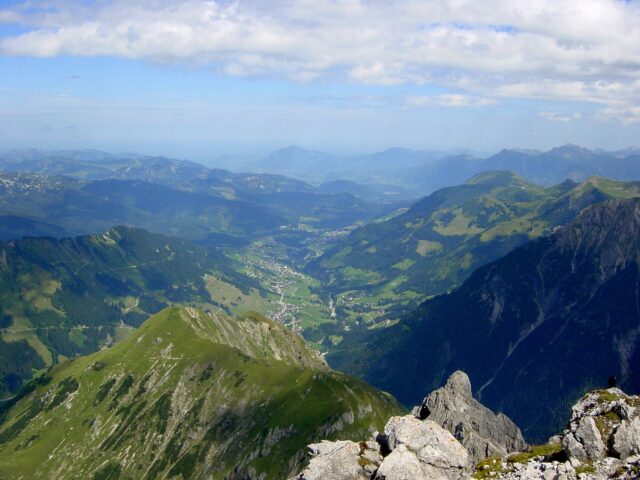
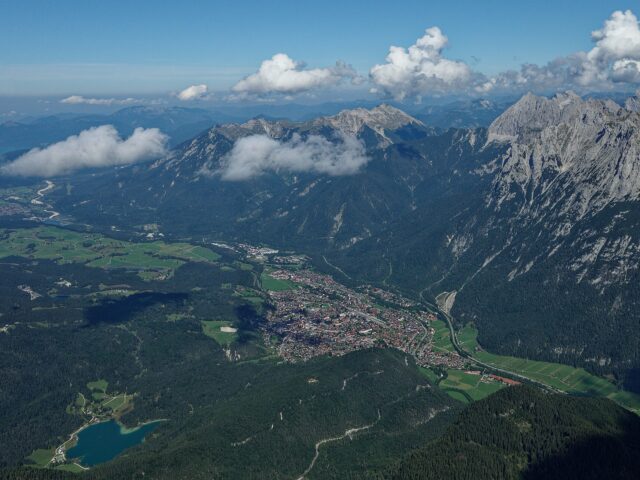
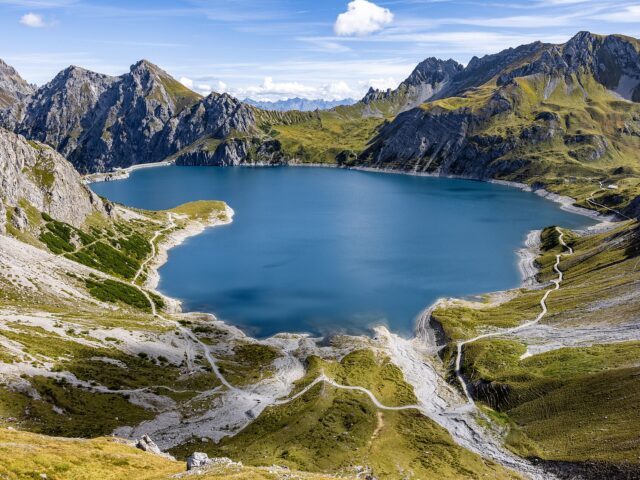
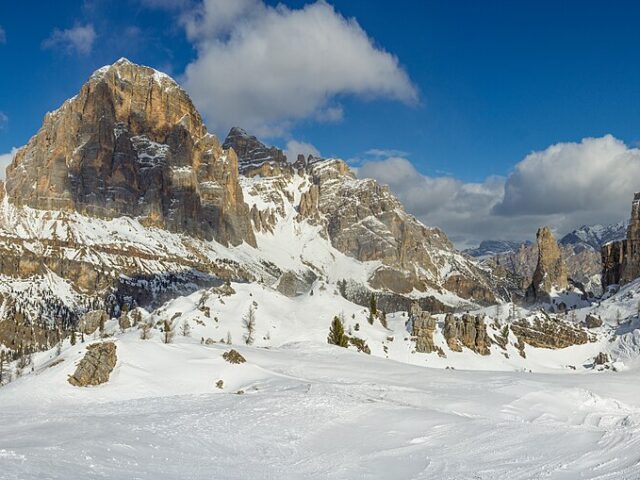
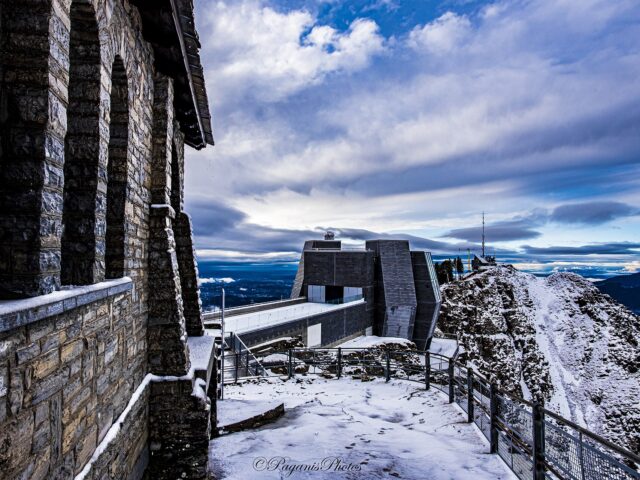
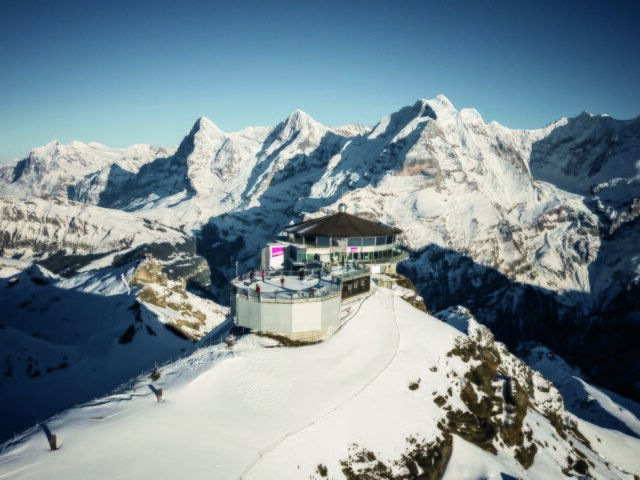
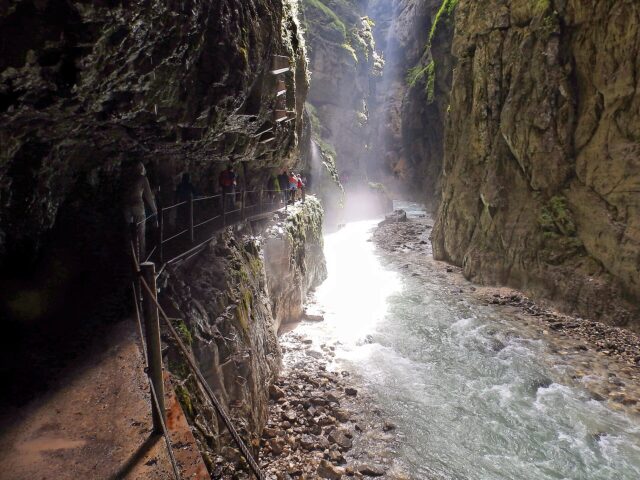
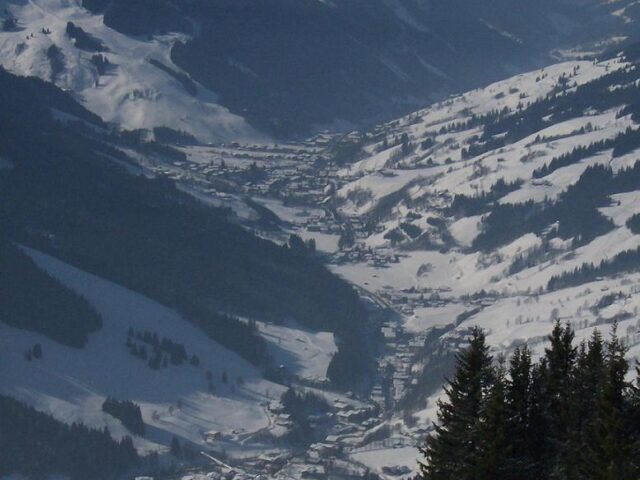
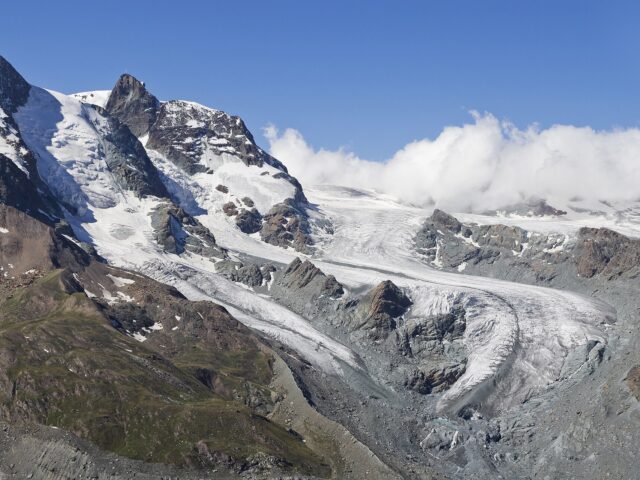
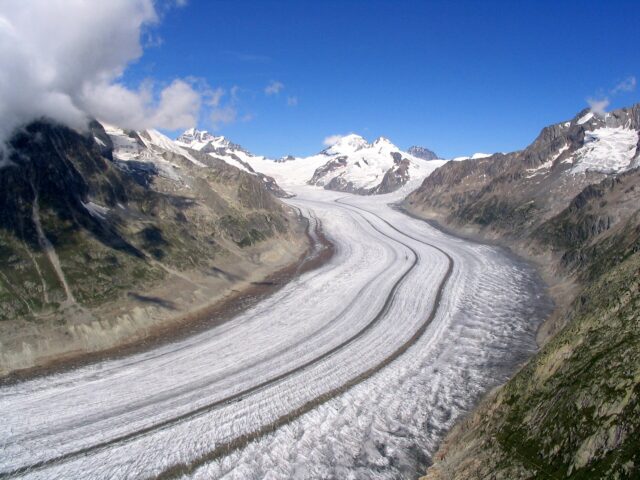
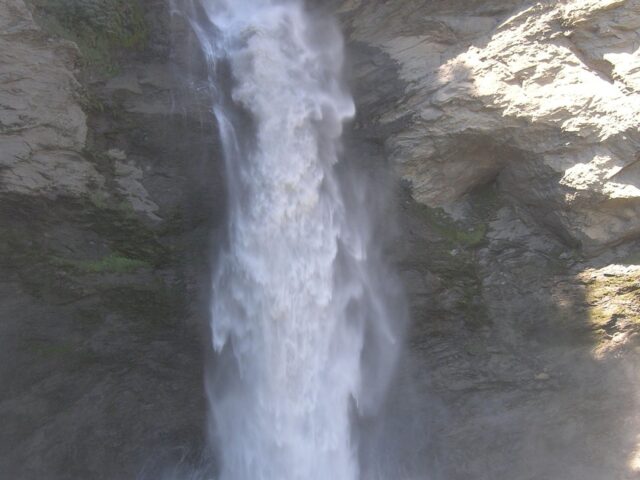
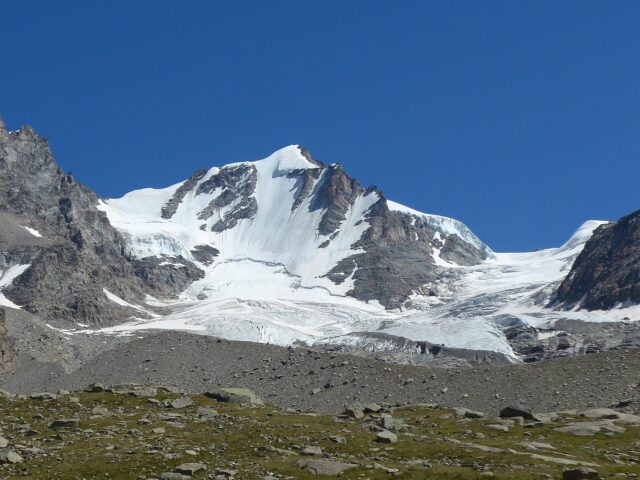
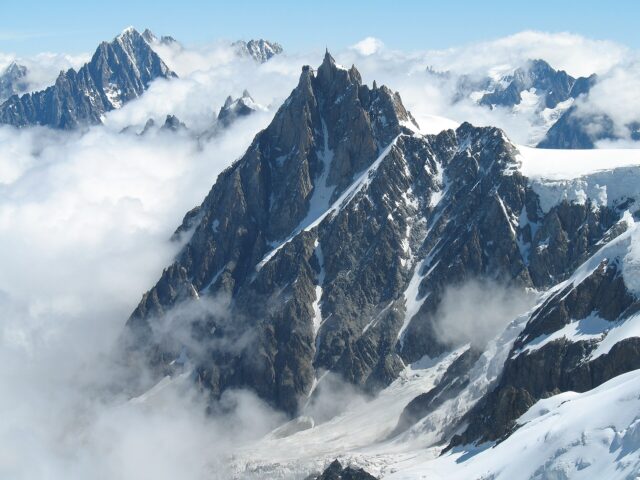
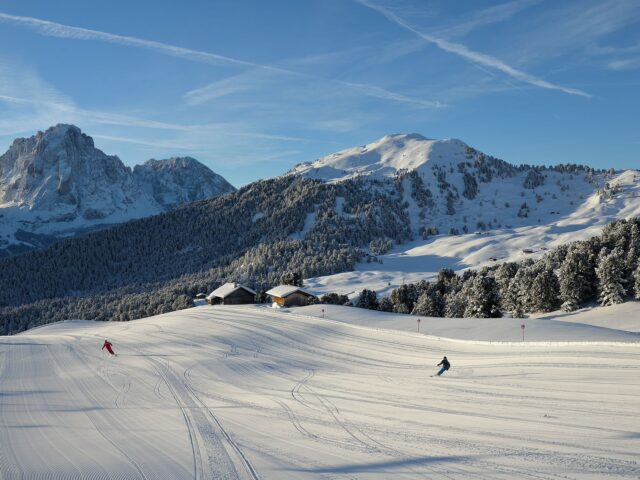
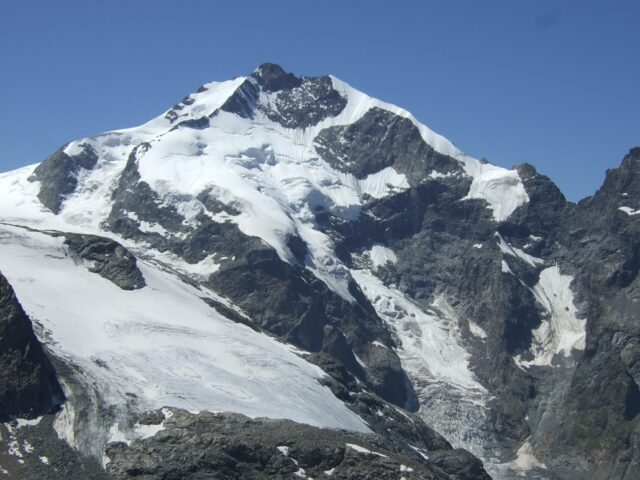
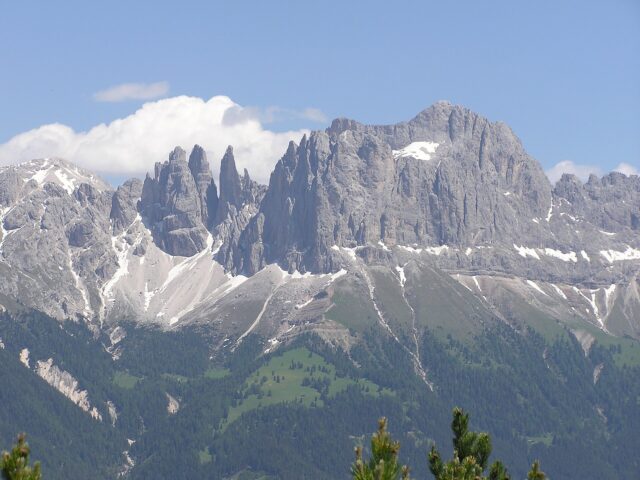
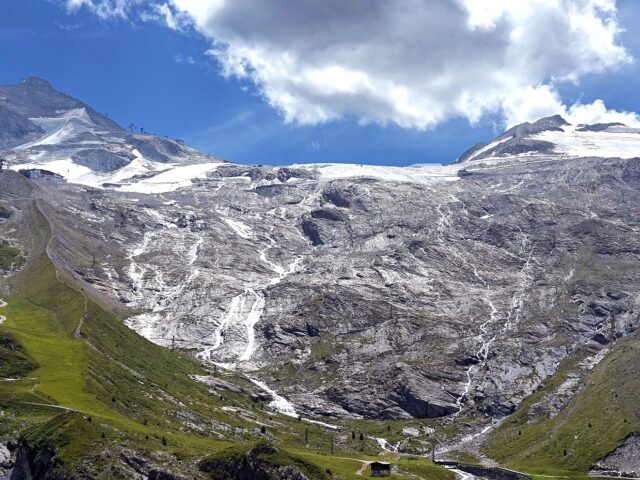
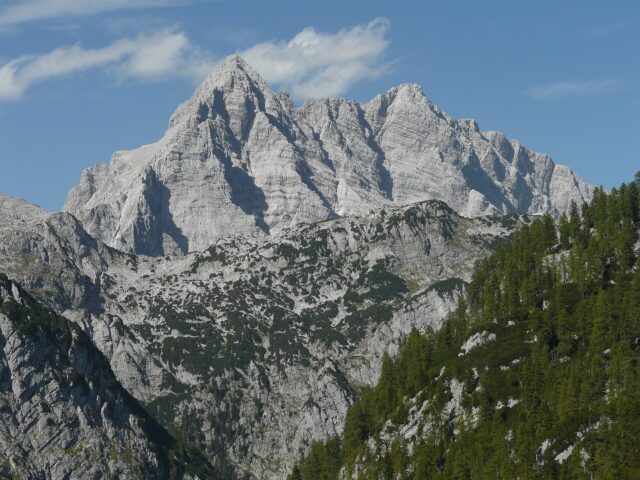
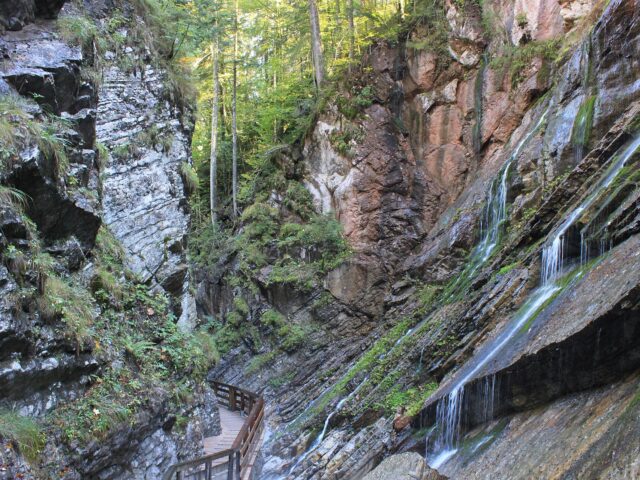
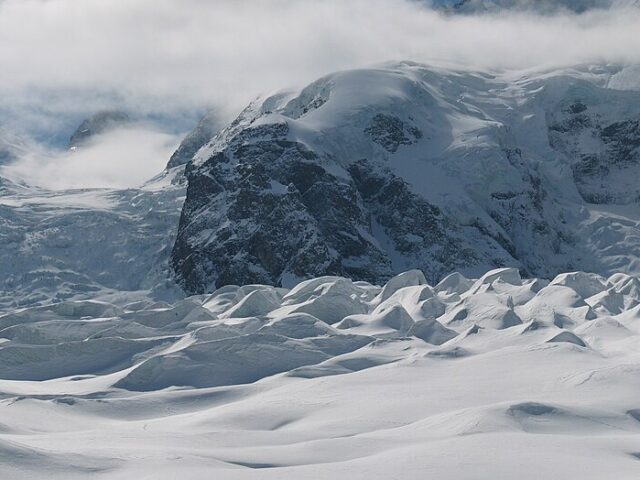
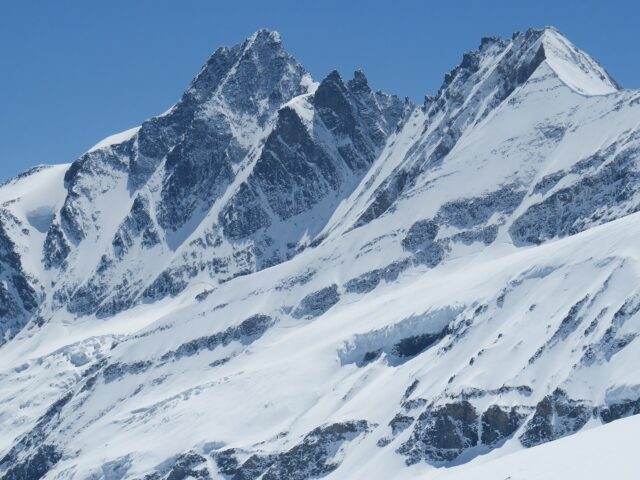
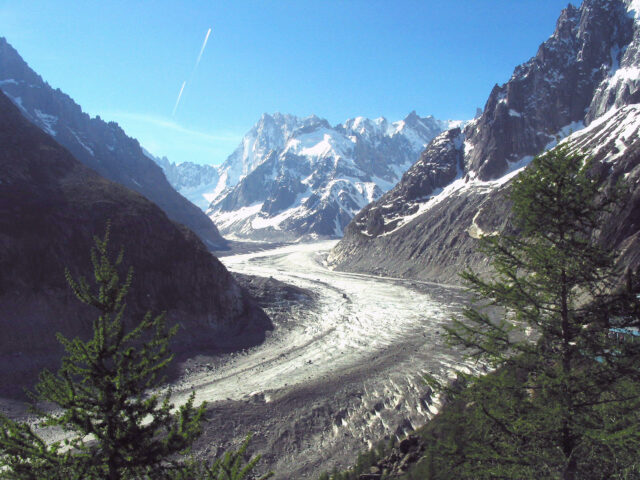
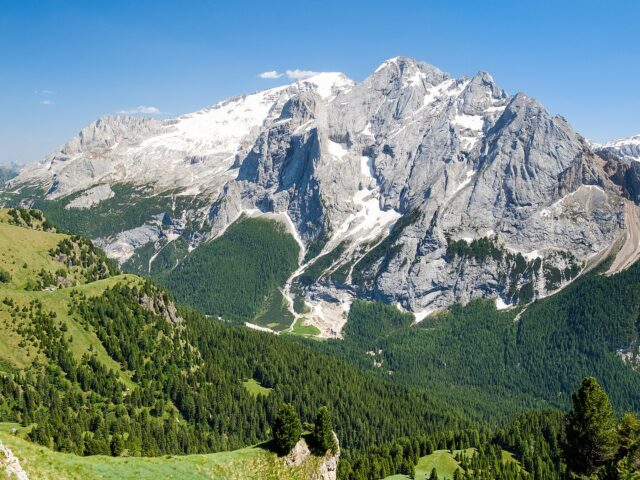
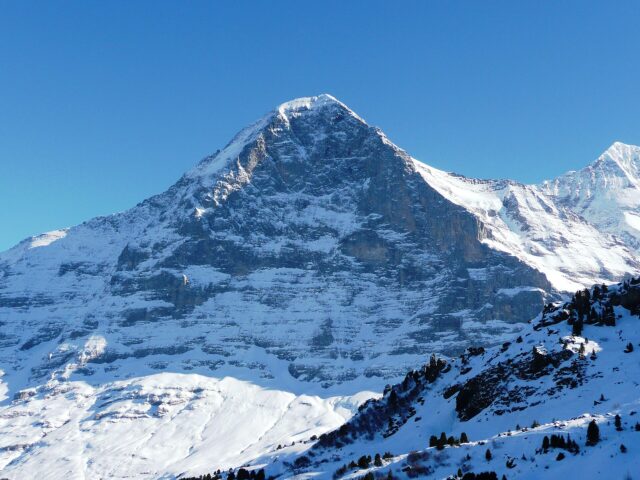
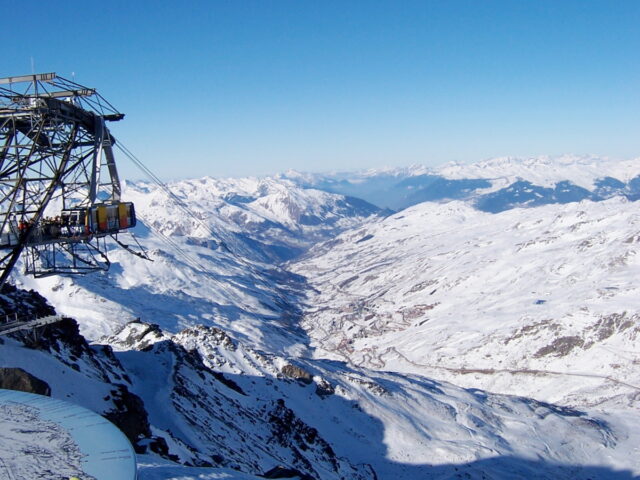
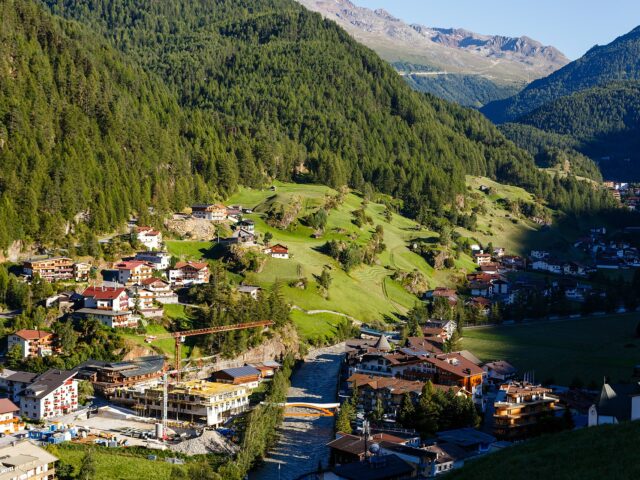
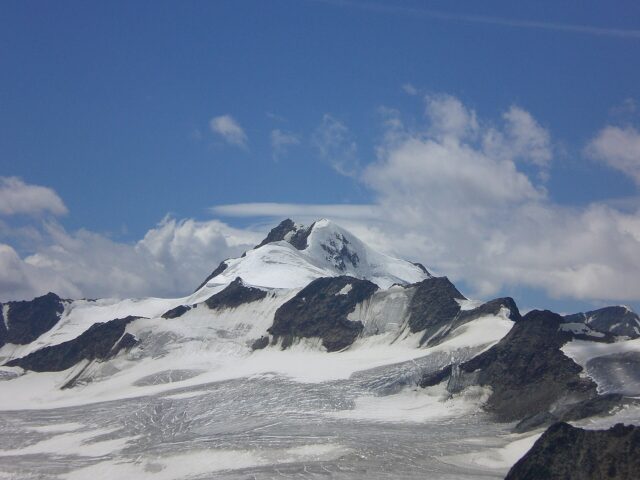
The Stubai Glacier at the head of the Stubai valley is the largest glacier ski area in Tyrol and only about 45 minutes from Innsbruck. The Top of Tyrol viewing platform at 3,210 m offers a wide view over the Stubai Alps. In the valley the Wilde-Wasser-Weg along waterfalls is worthwhile.
Highlights
- Tyrol's largest glacier ski area
- Top of Tyrol viewing platform (3,210 m)
- Close to Innsbruck (around 45 min.)
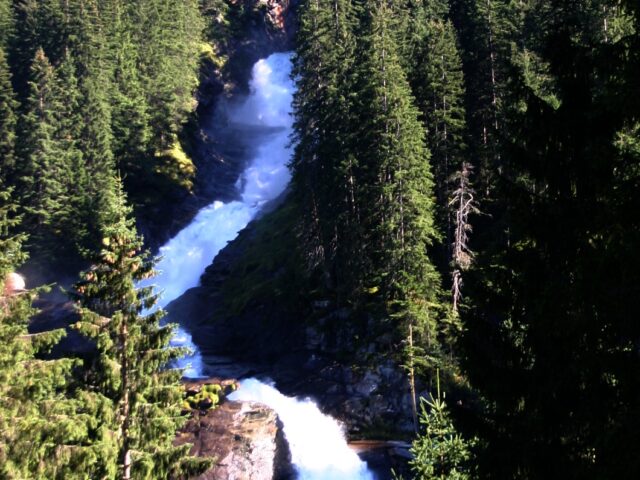
- Wilde-Wasser-Weg in the valley
Good to know
| Elevation | up to over 3,200 m |
| Special feature | Tyrol's largest glacier ski area |
| View | Top of Tyrol (3,210 m) |
| Valley | Stubaital |
Practical info
Getting there: From Innsbruck by the Stubaital bus or car to the Mutterbergalm (valley station).
Best time: Skiing autumn to early summer; hiking June to October.
Cost: Glacier railways payable (please verify).
Safety: Use marked pistes/paths; mind altitude and weather.
Tips:
- Top of Tyrol is reachable for the view even without skiing
- The Wilde-Wasser-Weg as a valley hike in summer
Background & History
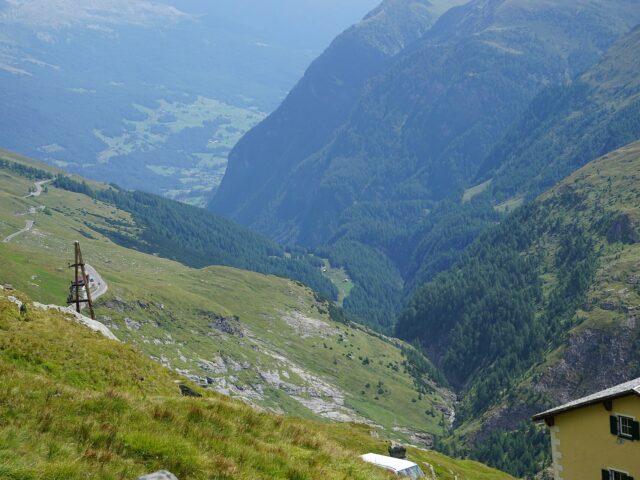
At the head of the Stubai Valley south of Innsbruck lies the Stubai Glacier, the largest glacier ski area in Austria. This world of ice is framed by striking peaks such as the Zuckerhütl, the highest mountain in the Stubai Alps, and the Wilder Freiger, along whose flanks the border between Tyrol and South Tyrol once ran. Over thousands of years, the glaciers shaped a high-mountain landscape of ice, rock and deeply incised cirques here, which to this day preserves the classic character of a glaciated Alpine valley.
The Stubai Valley has always been a land of mountaineers. Scattered in a star-shaped pattern across the high valleys are venerable mountain huts such as the Franz-Senn-Hütte or the Nürnberger Hütte, which have served since the 19th century as bases for the opening up of the Alps and are named after the Alpine Club sections that built them. As everywhere in the Alps, the ice is noticeably retreating here too, and studies document the transformation of the glaciers. In the 19th century, the sections from cities such as Nuremberg, Dresden and Innsbruck covered the mountains with a network of paths and huts, making the high region, once known only to shepherds and hunters, accessible to generations of mountaineers. Thus the Stubai Glacier is perceived today not only as a winter sports destination, but also as a visible testimony to a changing high-mountain world.
To make your trip run smoothly , our guides and gear tips for this destination: