Pragser Wildsee / Lago di Braies
The pearl of the Dolomite lakes
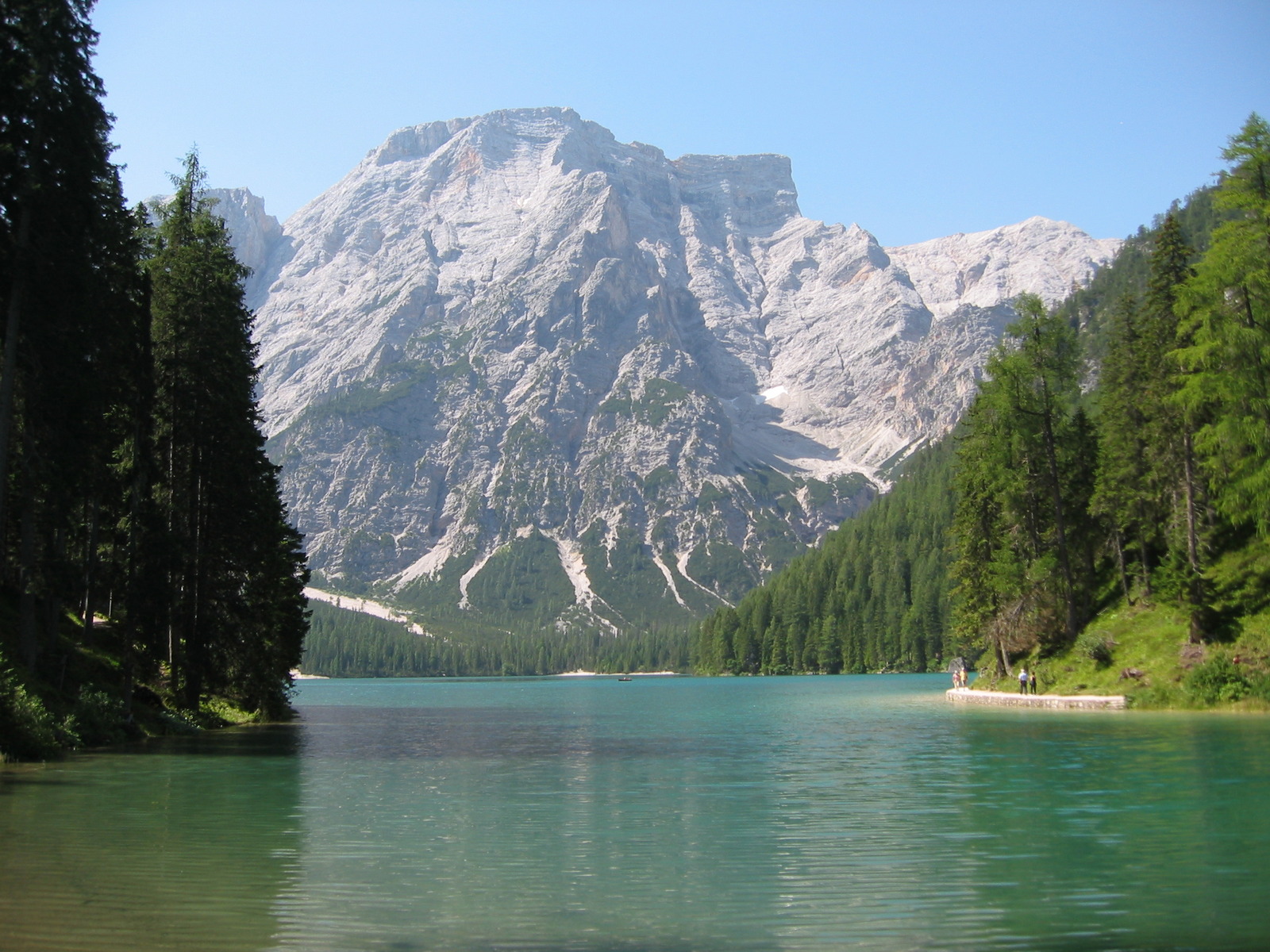
Photo: STirol / Wikimedia Commons (CC BY-SA 3.0)
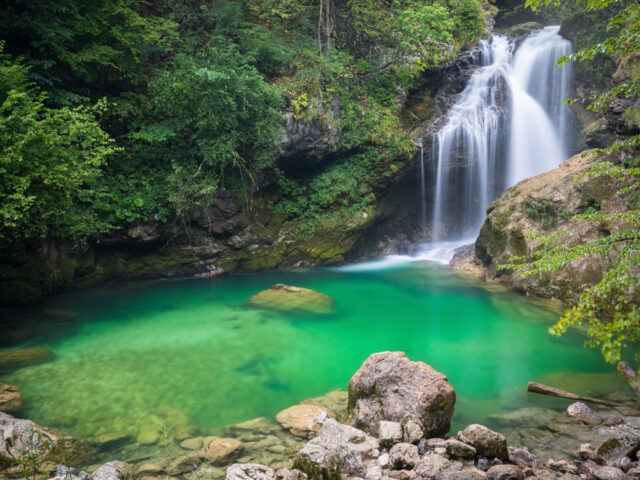
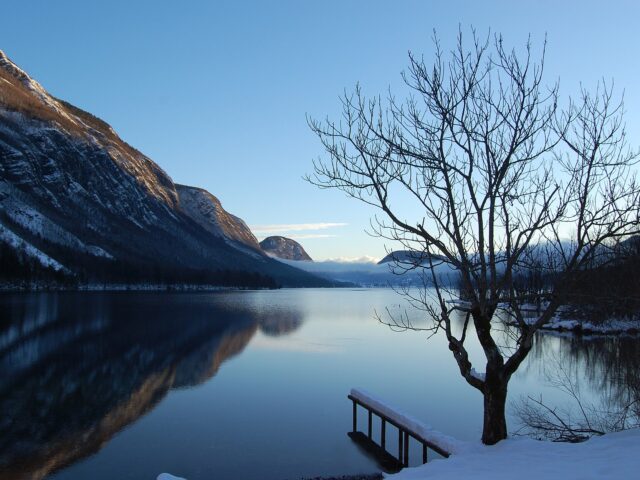
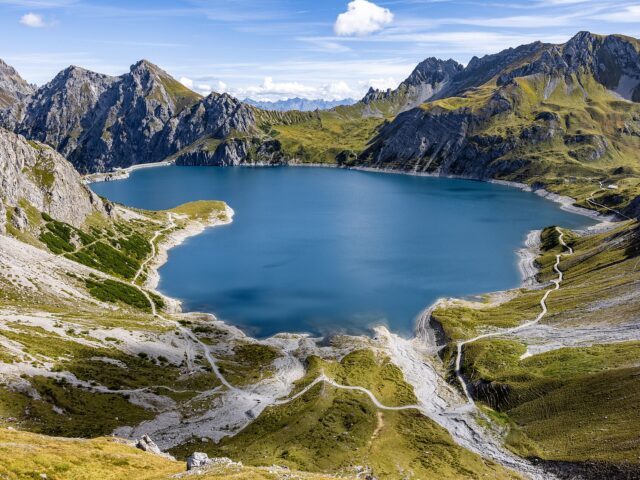
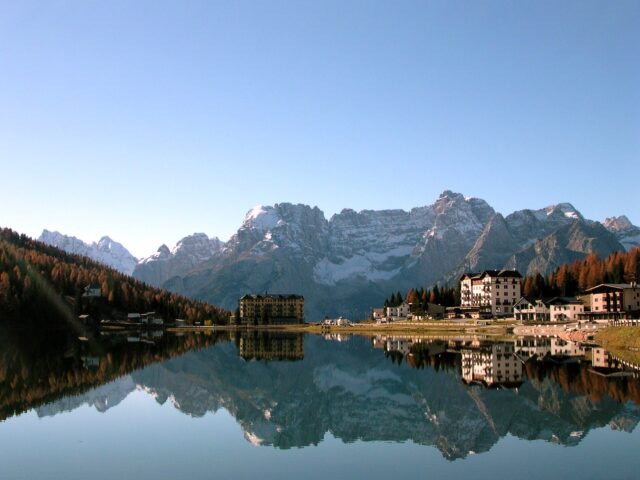
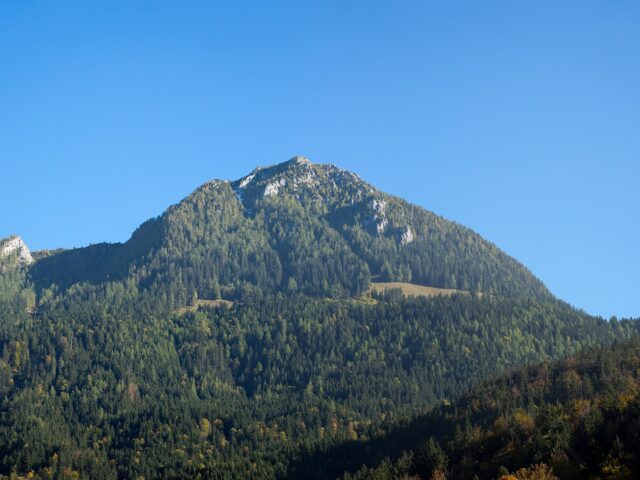
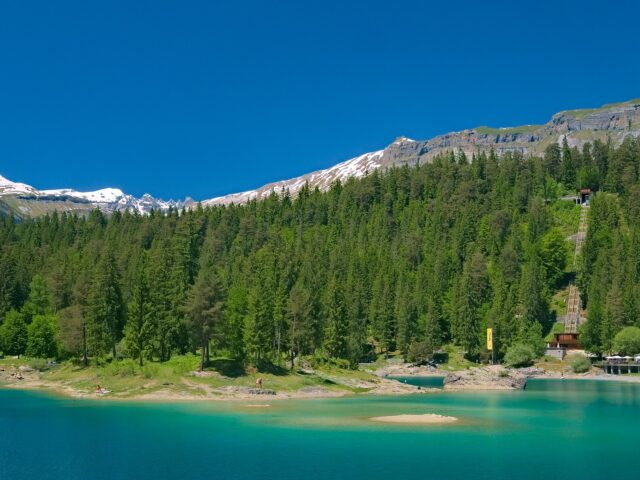
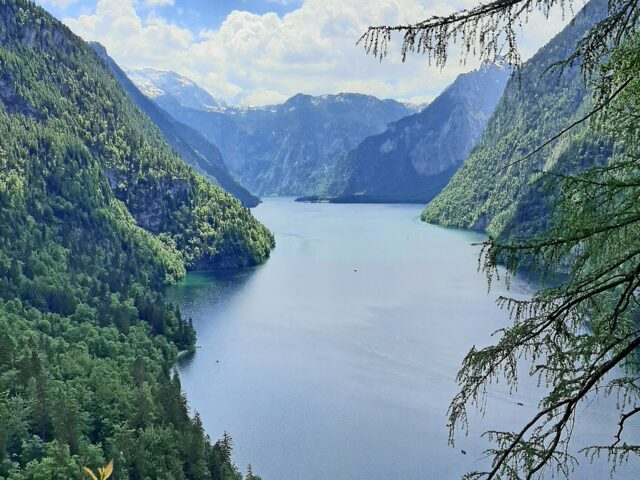
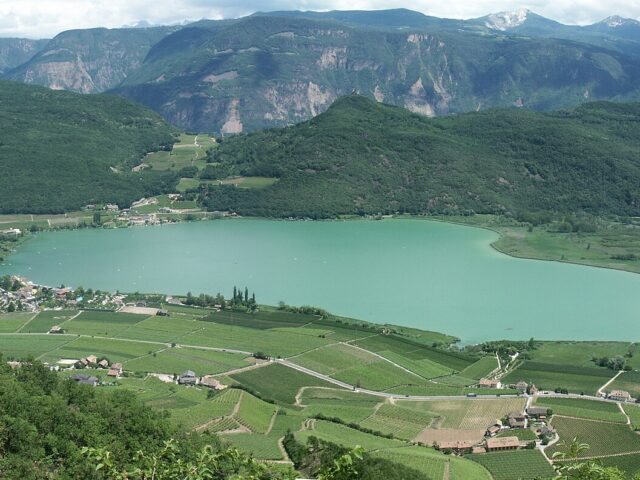
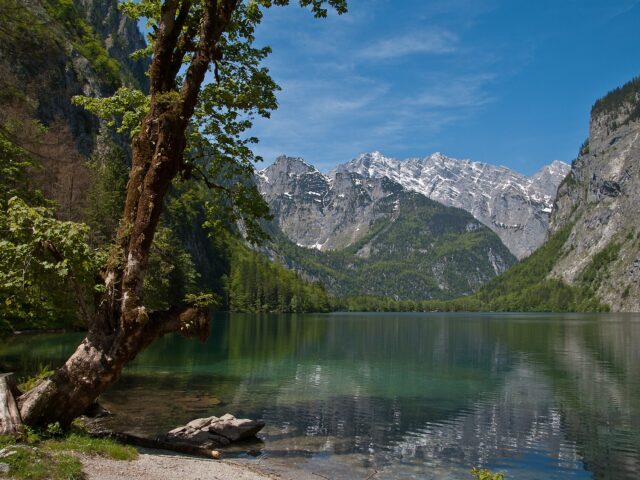
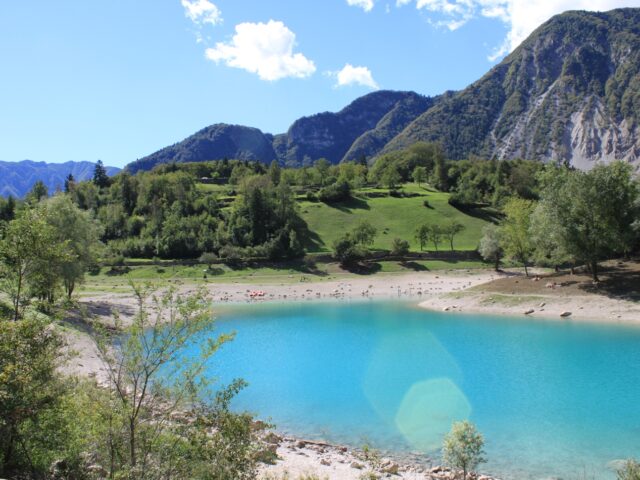
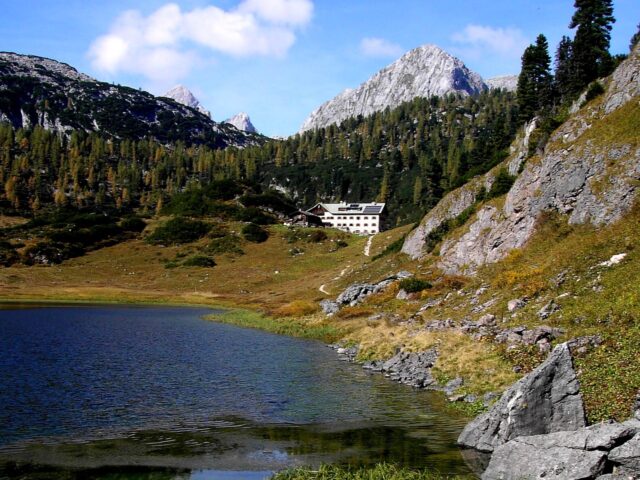
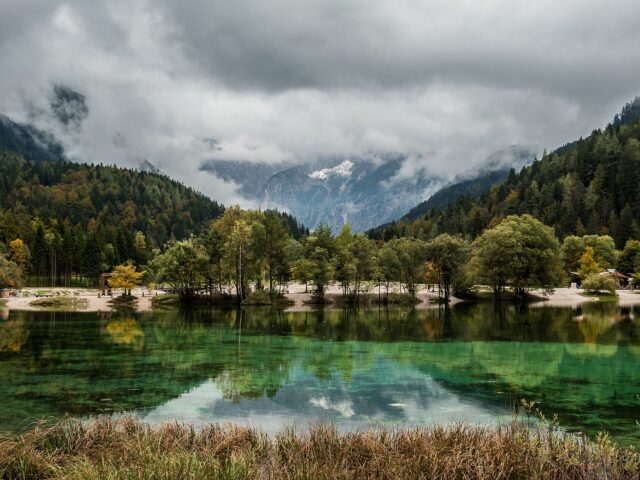
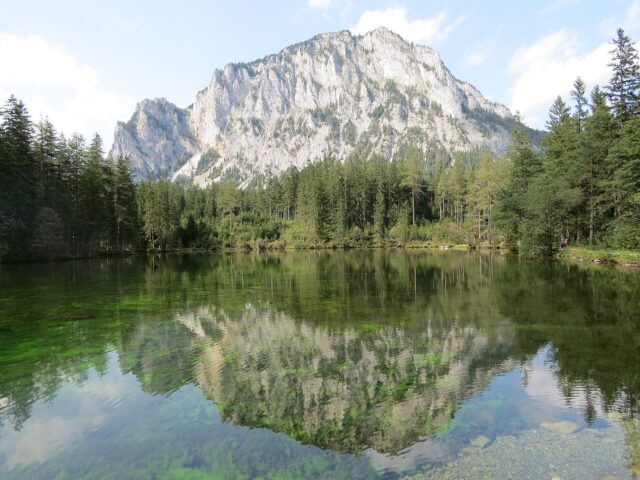
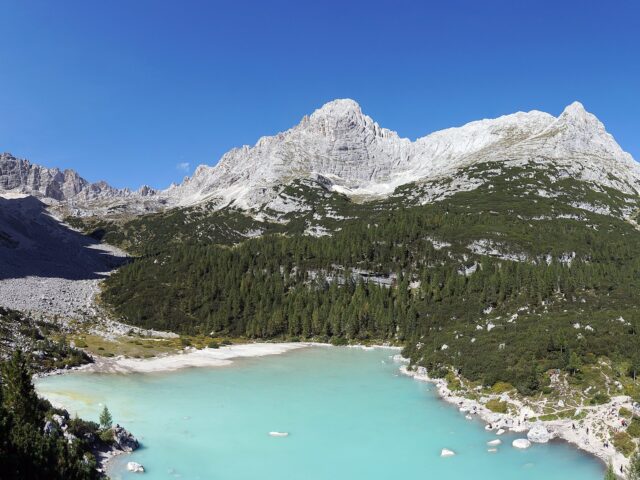
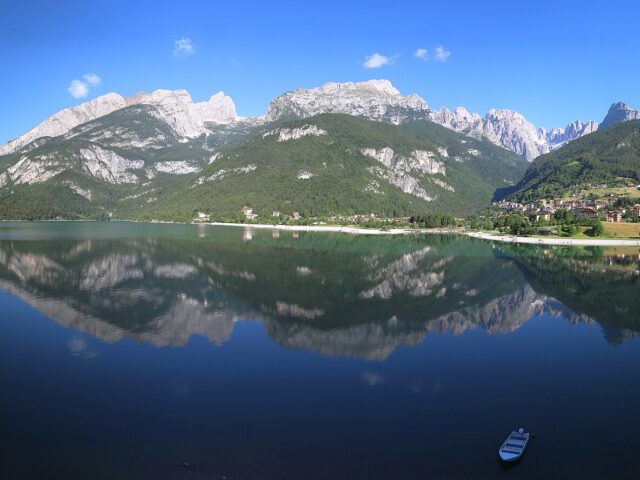
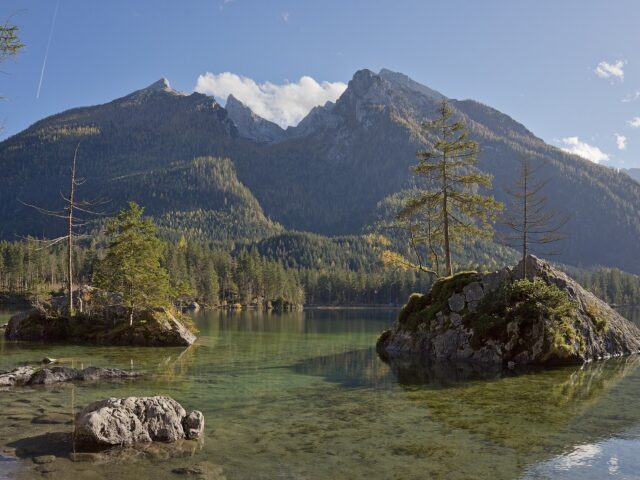
The Pragser Wildsee is regarded as the most beautiful of the Dolomite lakes. Its turquoise-green water, the wooden boathouse and the steeply rising Seekofel wall make it one of the most photographed places in the Alps. Because of the heavy crowds, access is time-regulated in summer; an easy walk leads around the lake.
Highlights
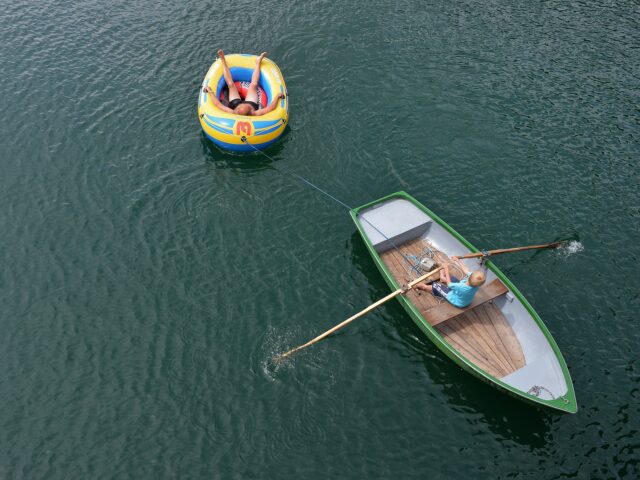
- Turquoise-green lake with a historic boathouse and rowing boats
- The steep Seekofel wall mirrored in the water
- Easy loop around the lake (about 1 hour)
- Starting point for tours into the Fanes-Sennes-Prags Nature Park
Good to know
| Location | Pragser valley, around 1,500 m |
| Special feature | most photographed Dolomite lake |
| Loop trail | approx. 3.5 km, around 1 hour |
| Access | time-regulated in summer |
Practical info
Getting there: In summer access only with reservation/public-transport shuttle; otherwise by bus from the Puster valley.
Best time: May to October; early morning for quiet and reflections.
Cost: Parking/access payable and regulated; boat rental seasonal (please verify).
Safety: The loop is easy; the water is very cold year-round.
Tips:
- Come before 9 a.m. or in the late afternoon, then it is quietest
- Check current access rules in advance on the official site
Background & History
Lake Prags, Italian Lago di Braies, lies at the end of the quiet Prags Valley in the South Tyrolean Dolomites and is regarded as one of the most beautiful mountain lakes in the Alps. Its deep-green to turquoise water, fed by underground springs, mirrors the vertical faces of the Seekofel, which towers mightily above the shore. An old legend tells that in the lake lies the hidden entrance to the realm of the Fanes, that sunken mountain people of the Ladin mythology of the Dolomites, who once ruled over these valleys and, according to the legend, are to return one day.
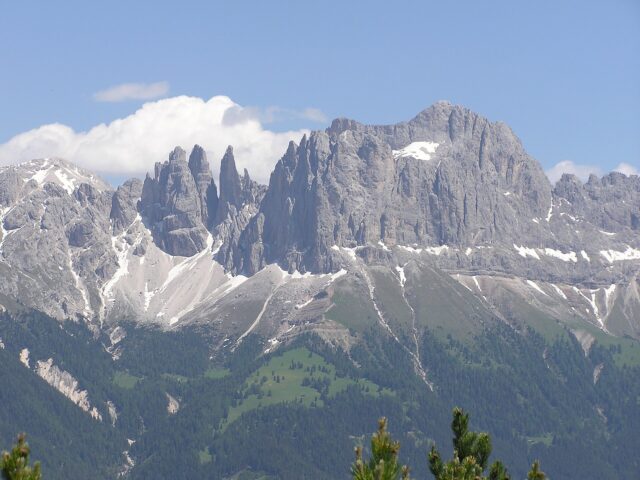
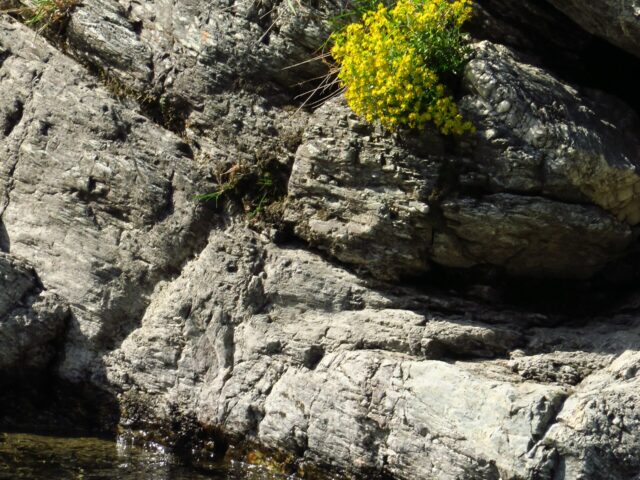
The lake gained tourist fame as early as the end of the 19th century, when the stately Hotel Pragser Wildsee was built on the shore and attracted the summer holidaymakers of the Danube Monarchy. The wooden boathouse with its rowing boats dates from this time and shapes to this day the much-depicted image of the lake. Geologically the surrounding rock world belongs to the Fanes group, whose pale dolomite stone consists of petrified reefs of a prehistoric sea, which lends the place that mixture of myth and geological depth that distinguishes the whole of the Dolomites.
To make your trip run smoothly , our guides and gear tips for this destination: