Kufstein Fortress
Landmark on the Inn with the Heldenorgel
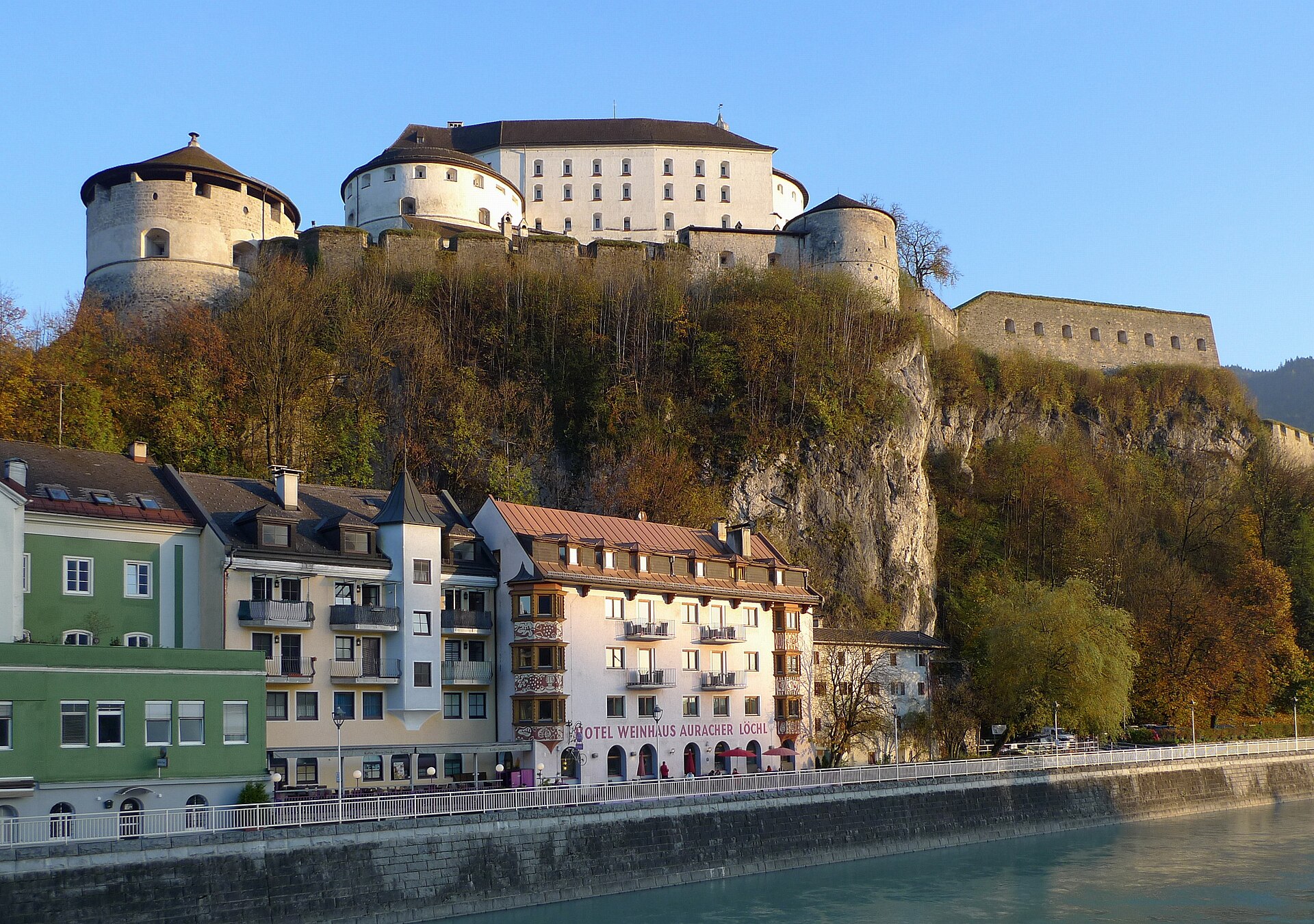
Photo: Dnalor 01 / Wikimedia Commons (CC BY-SA 3.0 at)
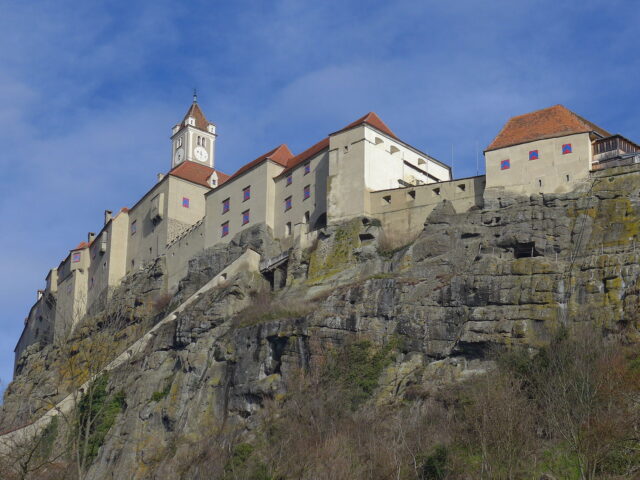
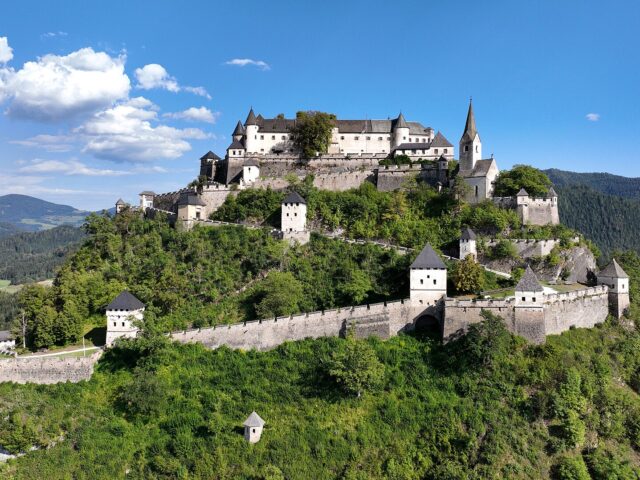
Kufstein Fortress towers over the town on the Inn at the Bavarian-Tyrolean border and is one of the largest preserved fortifications in Tyrol. Inside it sounds the Heldenorgel, one of the largest open-air organs in the world, whose tones carry far into the valley each day. A castle lift and museums open up the complex.
Highlights
- Mighty fortress above the Inn
- Heldenorgel, one of the largest open-air organs
- Castle lift and museums
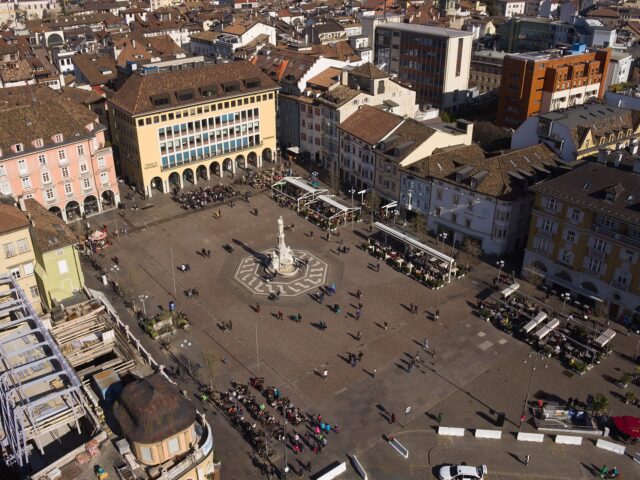
- Old town of Kufstein
Good to know
| Location | above the Inn, Kufstein |
| Special feature | Heldenorgel (open-air organ) |
| Era | medieval/modern |
| Access | Castle lift |
Practical info
Getting there: Train directly to Kufstein; by car via the A12.
Best time: Year-round; Heldenorgel concert daily (please verify).
Cost: Admission and lift payable (please verify).
Safety: Uncomplicated.
Tips:
- Plan for the Heldenorgel concert at midday
Background & History
Above the town of Kufstein rises the fortress on a mighty rock, which has commanded the entrance to the Inn valley since the Middle Ages. Its strategic position at the crossing between Bavaria and Tyrol made it a coveted bone of contention for centuries, and so the castle changed owners several times. In the early 16th century Emperor Maximilian I, who had his residence in Innsbruck, had the complex mightily expanded, of which the enormous round tower, called the Kaiserturm, still bears witness today. Its thick walls were meant to withstand the newly emerging artillery.
The fortress is known beyond the region for its Heldenorgel (heroes’ organ), an instrument set up in the open air whose sounds are carried far across the valley and commemorate the fallen. The castle long also served as a prison in which political inmates were held, which lends its walls a serious, almost melancholy air. The town also gained fame through the popular Kufstein Song, which carried its name far beyond Tyrol and still resounds at many festivities today. Anyone walking through the courtyards and casemates and looking from the battlement over the roofs of the old town and the loop of the Inn senses the dual nature of this place: protective wall and dungeon at once, a border fortress on one of the most important north-south axes of the Alps, along which trade between Italy and the German lands has moved since antiquity.
To make your trip run smoothly , our guides and gear tips for this destination: