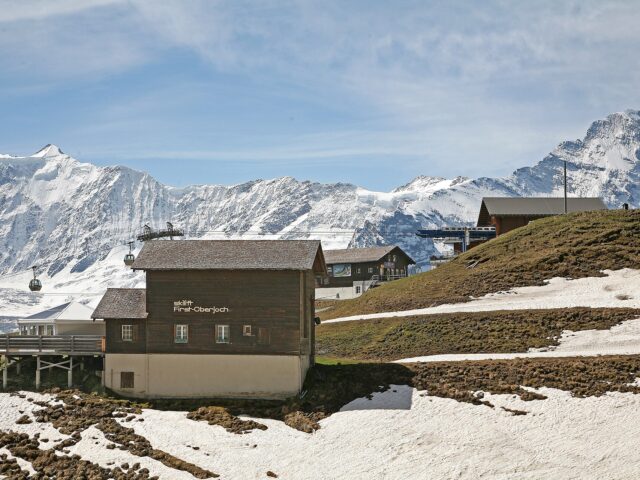
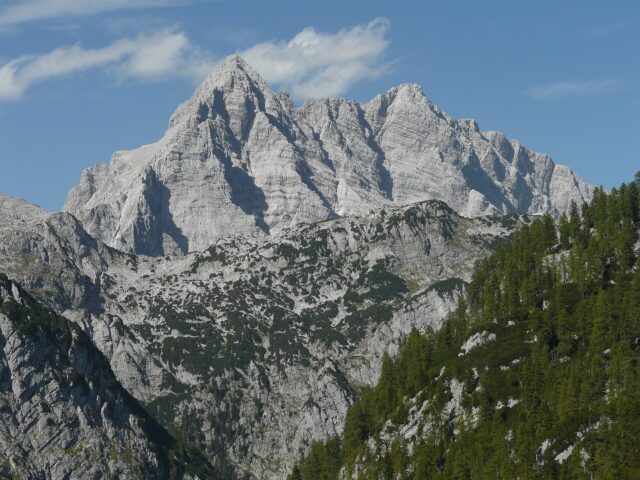
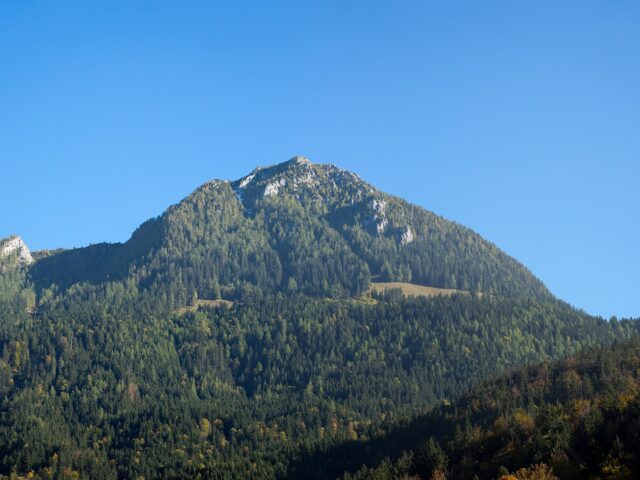
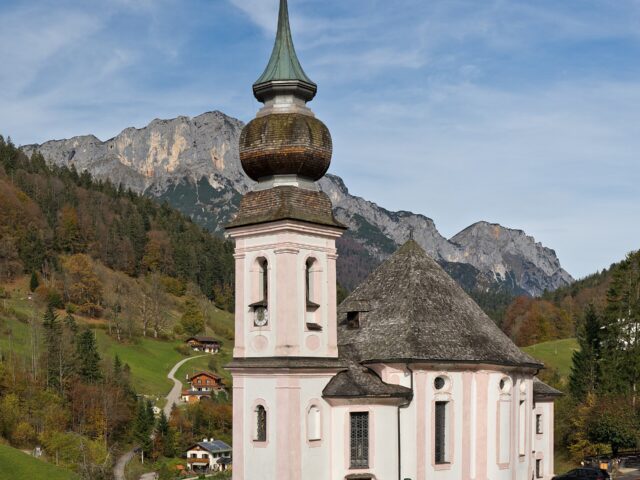
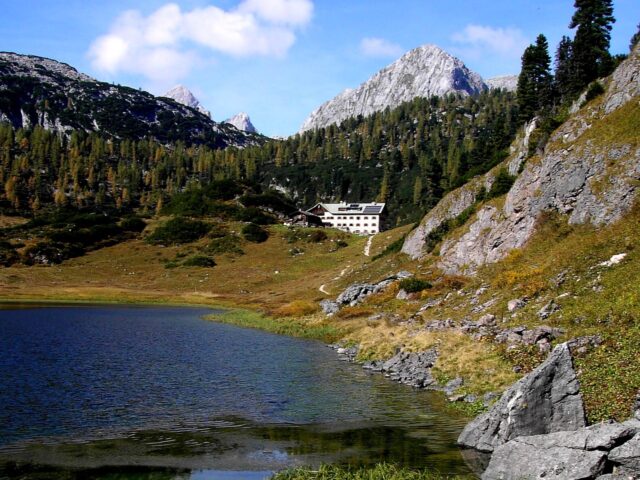
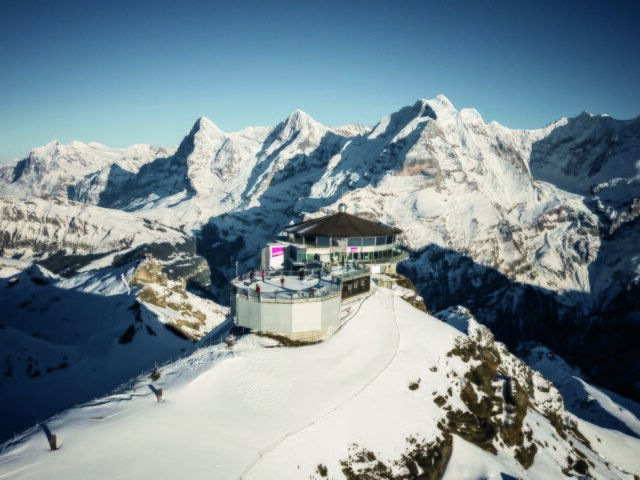
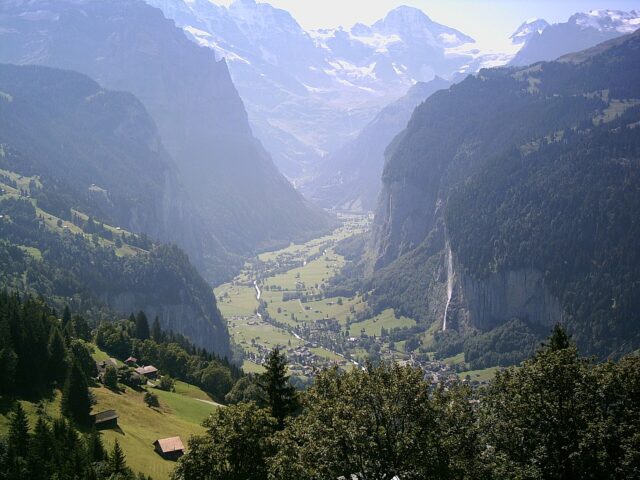
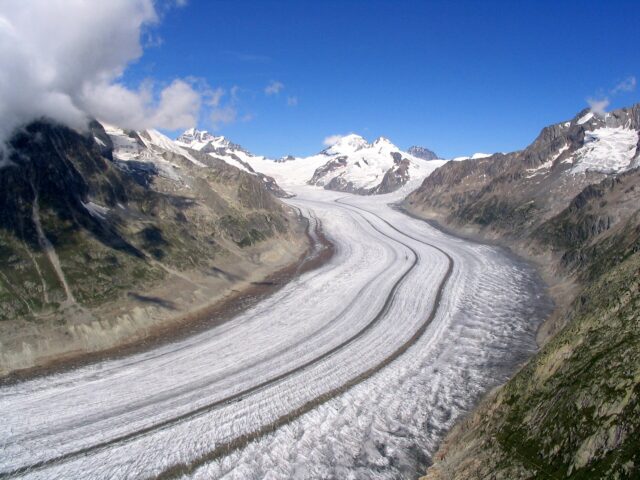
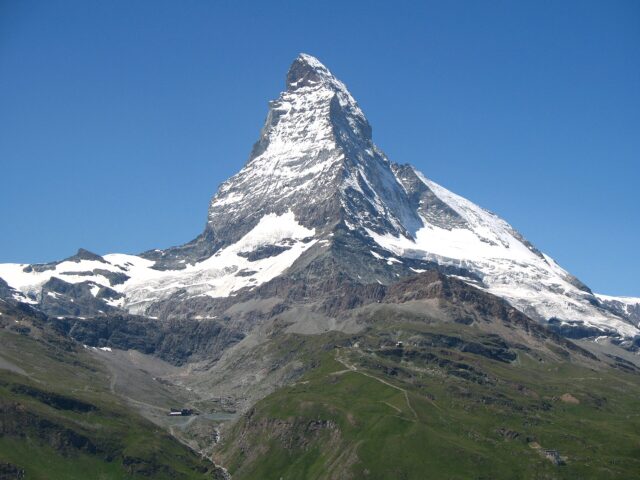
Eiger & Eiger north face
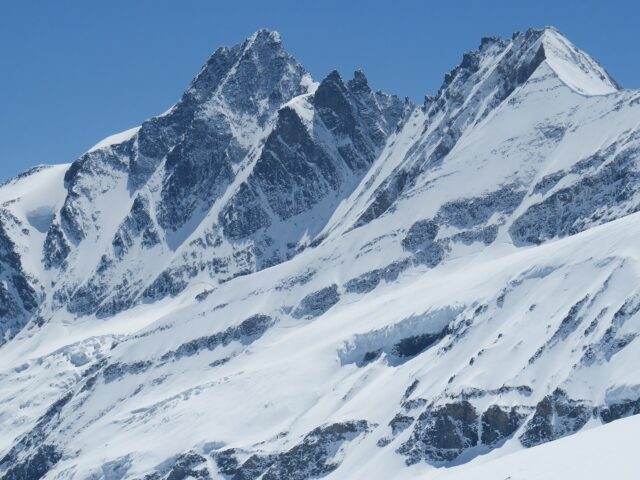
The legendary wall of the Alps, 3,967 m
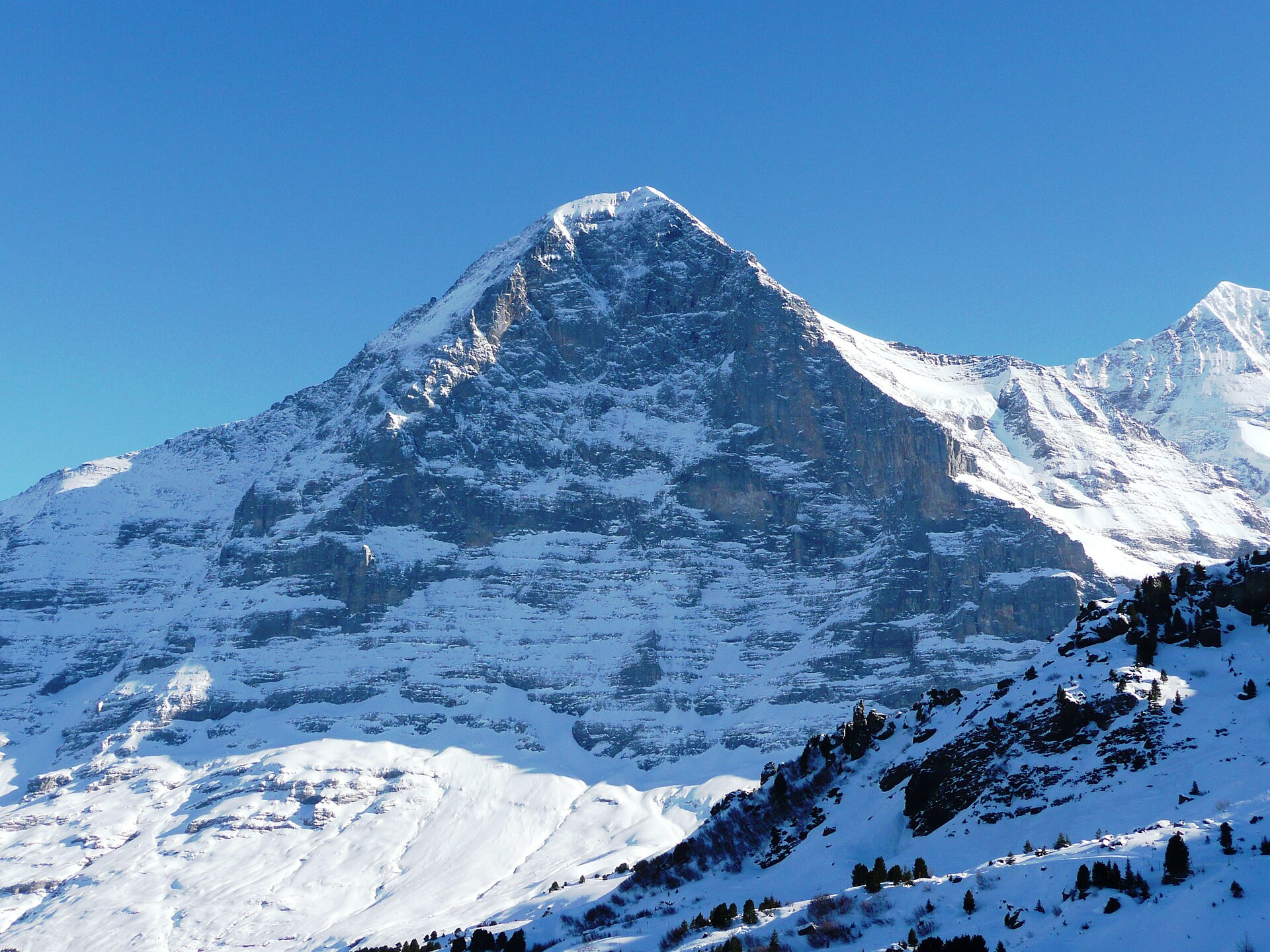
Photo: qwesy qwesy / Wikimedia Commons (CC BY 3.0)
Address
Grindelwald / Kleine Scheidegg, Bernese Oberland
GPS
46.5775, 8.0053
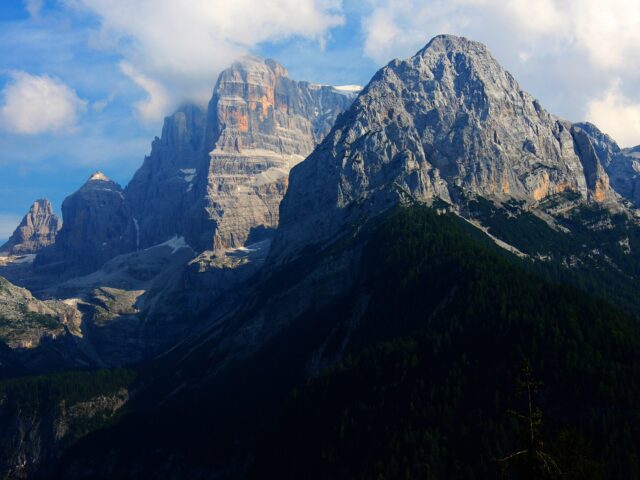
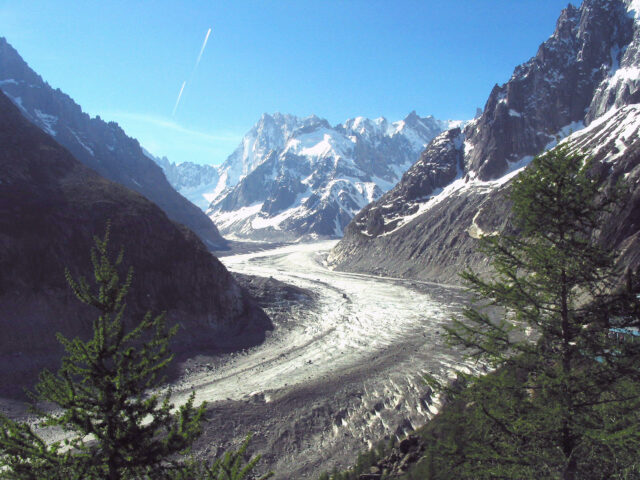
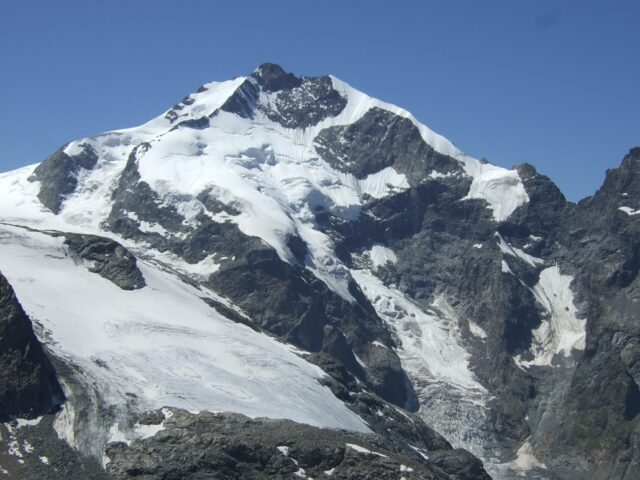
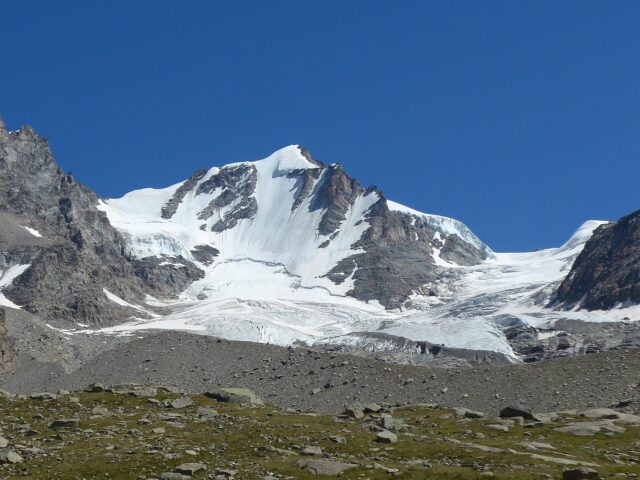
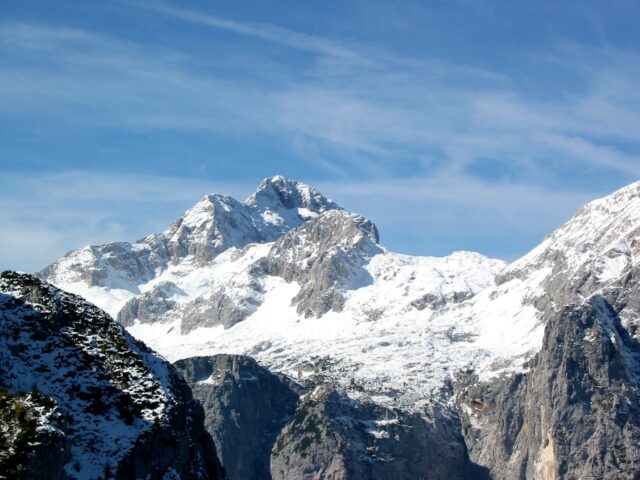
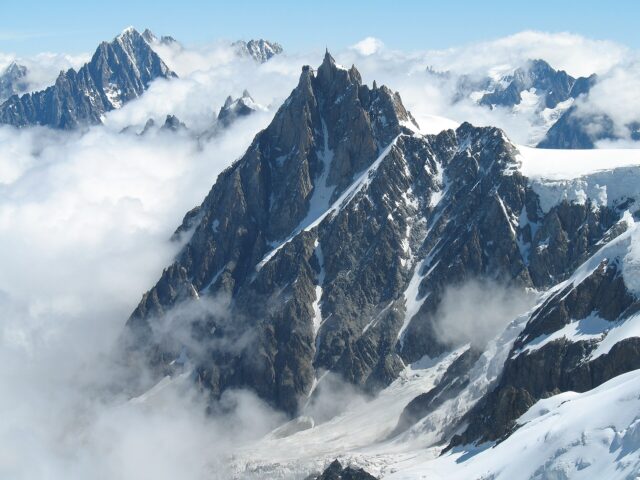
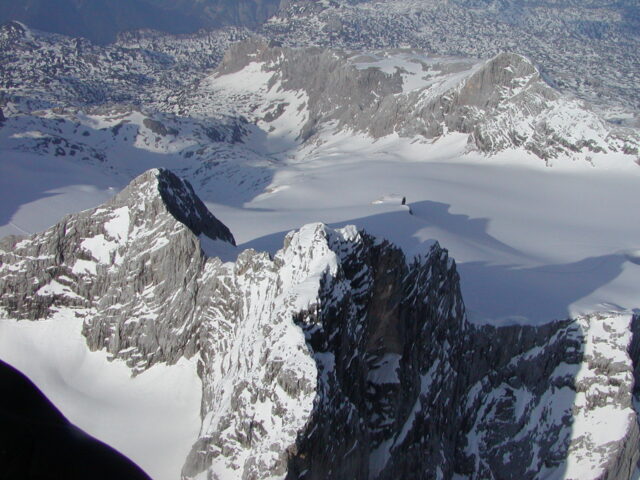
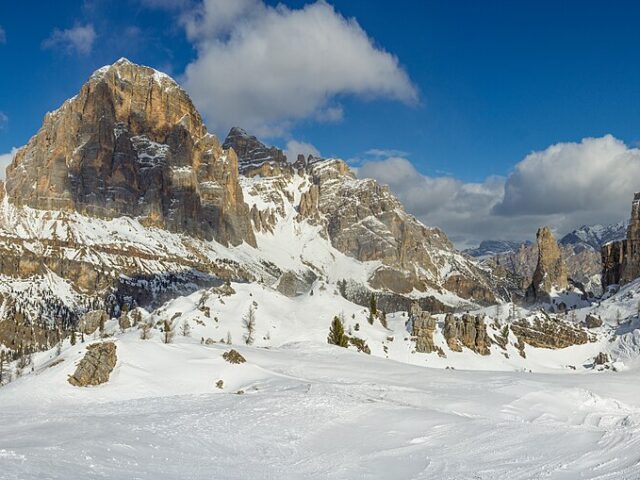
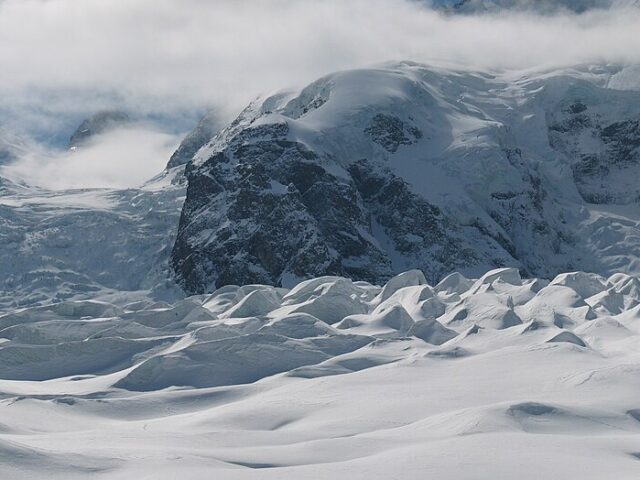
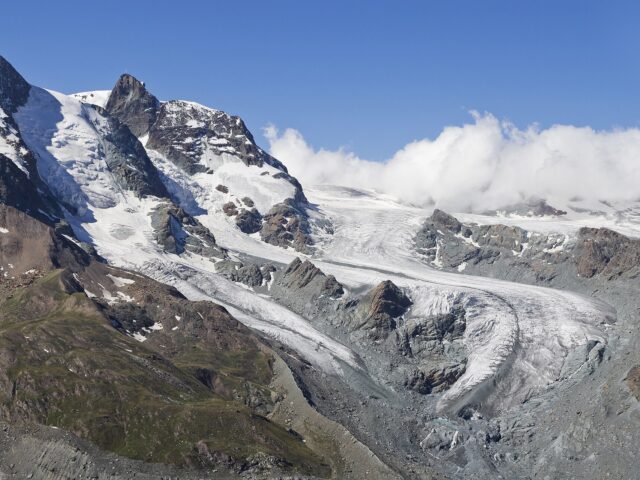
The Eiger (3,967 m) is famous above all for its roughly 1,800 m high north face, one of the largest and most storied rock walls in the Alps. Its first ascent in 1938 and numerous dramas made it the epitome of extreme alpinism. From the valley near Grindelwald and from Kleine Scheidegg the wall can be admired comfortably and safely.
Highlights
- View of the famous north face from Grindelwald and Kleine Scheidegg
- Eiger Express cable car to the Eigergletscher
- Eiger Trail along the foot of the wall
- History of the first ascent in 1938
Good to know
| Elevation | 3,967 m |
| North face | around 1,800 m high |
| First ascent of north face | 1938 |
| Viewpoints | Kleine Scheidegg, Grindelwald, Männlichen |
Practical info
Getting there: From Interlaken to Grindelwald; cable cars to Männlichen, Eigergletscher and Kleine Scheidegg.
Best time: Hiking June to October; the wall is visible year-round.
Cost: View from the valley free; mountain railways payable (please verify).
Safety: The north face is extreme terrain only for top alpinists; the Eiger Trail at its foot is a normal mountain hike.
Tips:
- The Eiger Trail from the Eigergletscher station to Alpiglen leads impressively along beneath the wall
- Bring binoculars to spot climbing parties and wall details
Background & History
The Eiger is the easternmost of the three peaks that tower above the Bernese Oberland, alongside the Mönch and the Jungfrau, and in German its name carries a ring of both dread and awe. Famous, indeed notorious, is above all its north face, a vast wall of rock and ice, often shrouded in cloud, that rises almost vertically above the alpine meadows of Alpiglen. For a long time it was considered unconquerable, and its dark history of failed attempts and fatal falls gave it a reputation that reached far beyond the world of mountaineering.
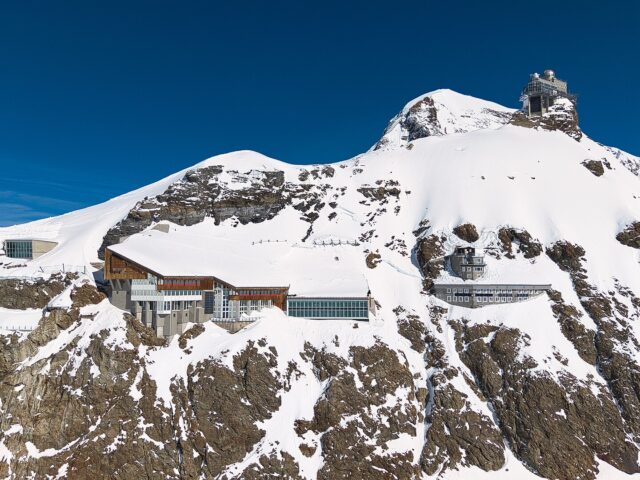
Not until 1938 did the first complete ascent succeed, an event that attracted attention across Europe at the time. To this day the face remains one of the great testing grounds of alpinism, and from the Eiger Trail one can watch roped parties, tiny as dots, working their way up the overhanging precipice. At the foot of the mountain the rack railway climbs through the rock up to the Jungfraujoch, a technical marvel of its time. Numerous books and films have told of the dramas on the face and turned the Eiger into a myth that reaches far beyond the world of mountain sport. Today, from a dedicated gallery station built into the rock, one can look out through a window in the middle of the north face, a striking experience at a place that has witnessed so many fates. The Eiger thus unites two faces of the Alps: the relentless wilderness of the wall and the human ambition to open up even the inaccessible.
To make your trip run smoothly , our guides and gear tips for this destination: