Val d’Isère & Tignes
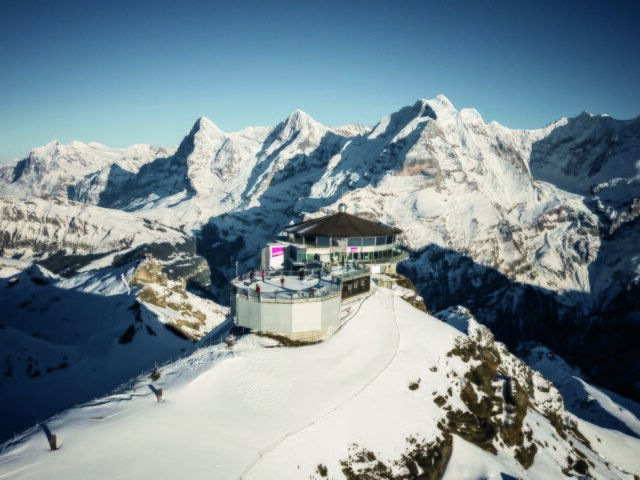
High-alpine ski area Espace Killy
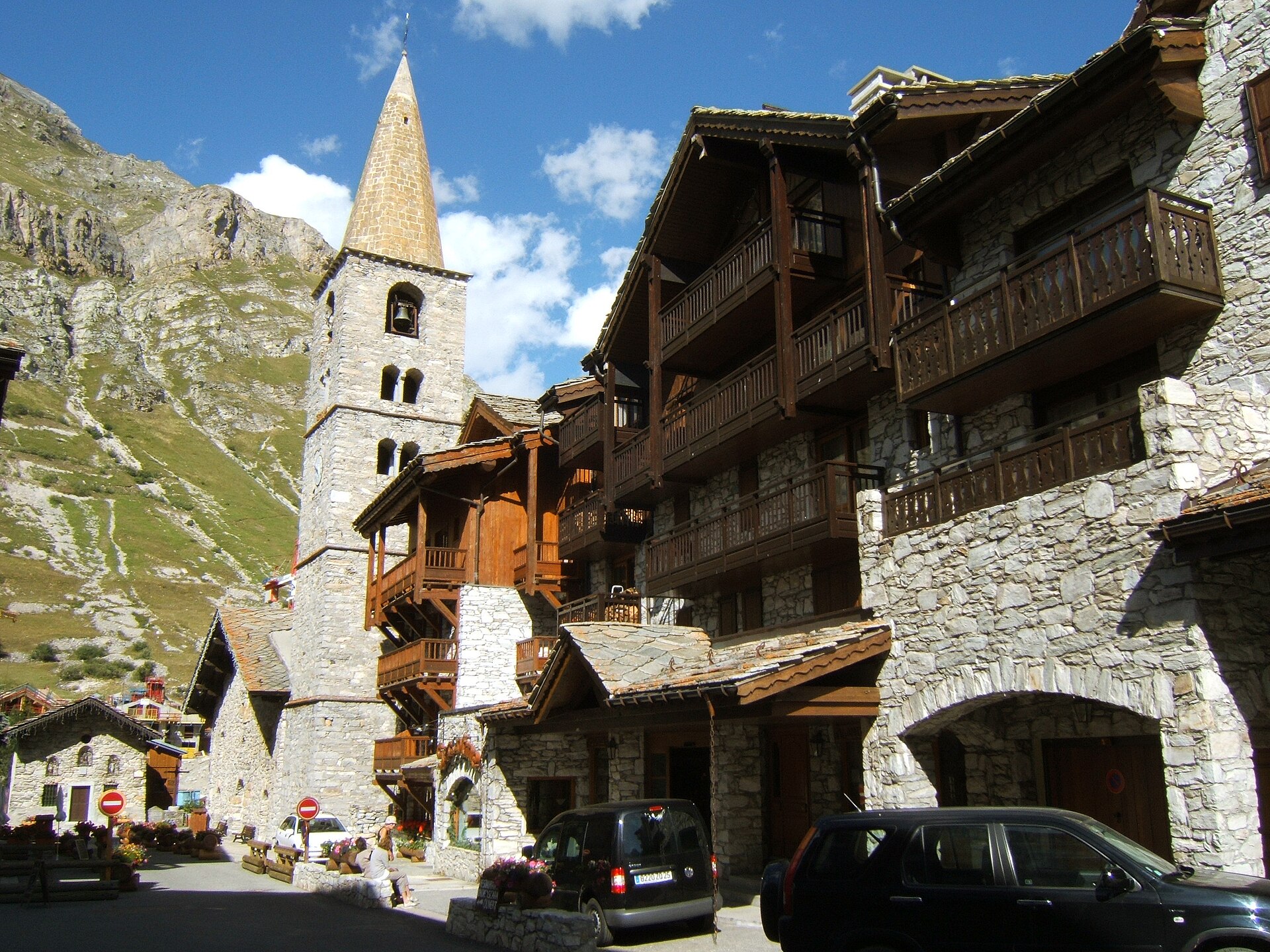
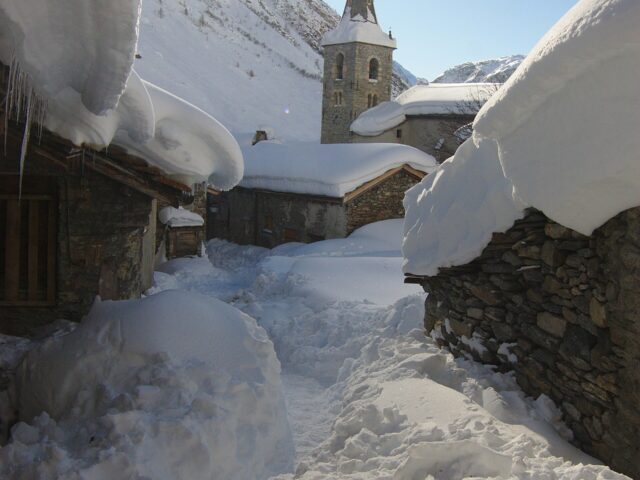
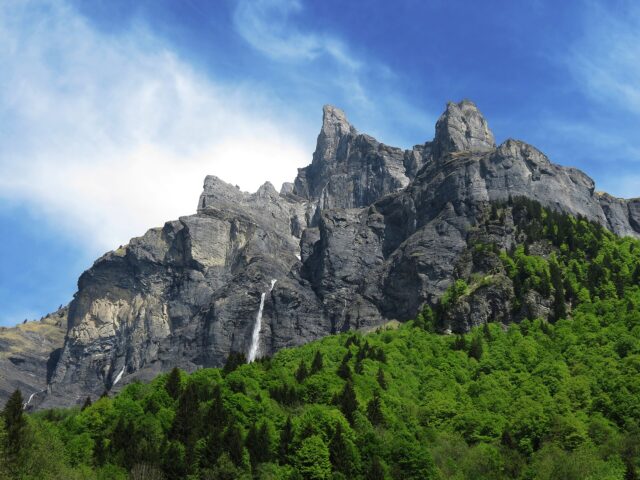
Photo: Rundvald / Wikimedia Commons (Public domain)
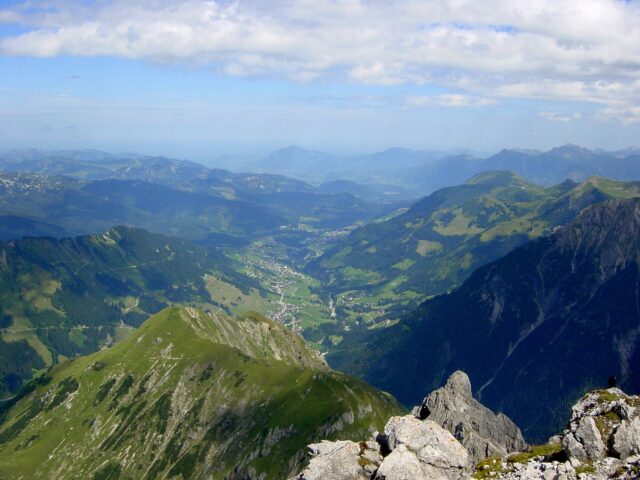
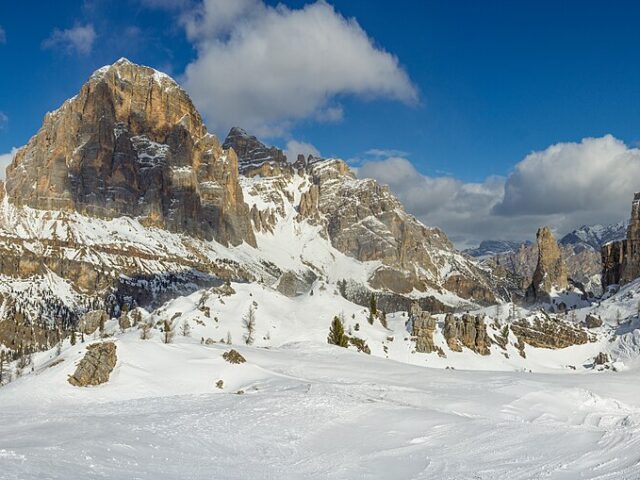
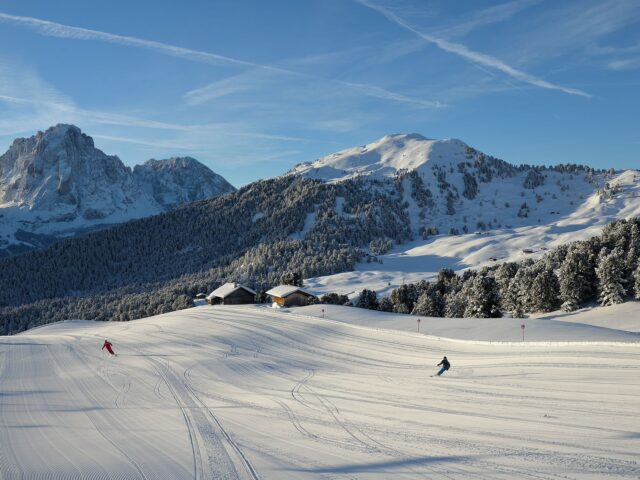
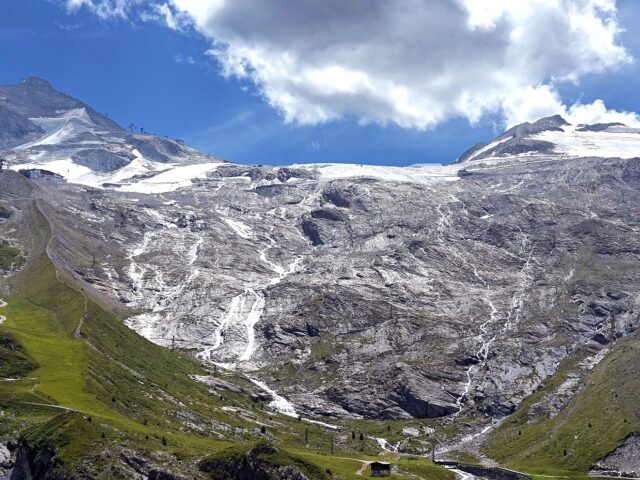
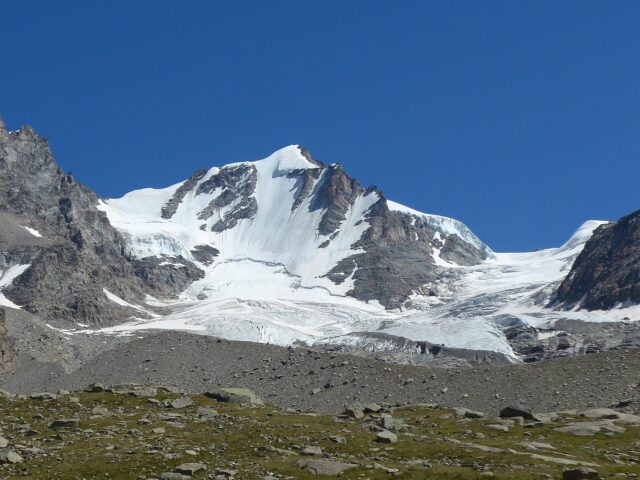
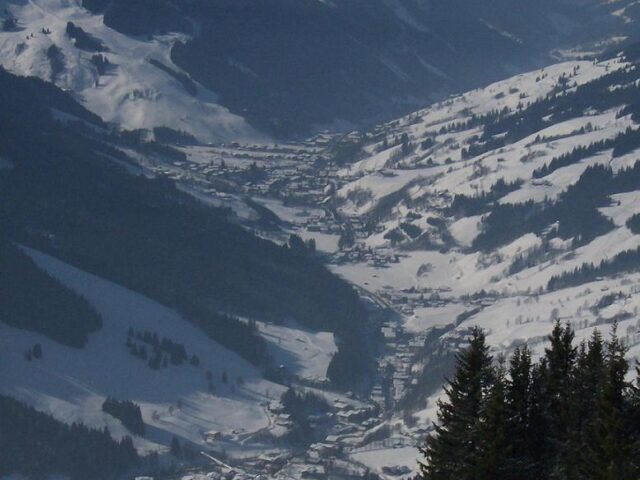
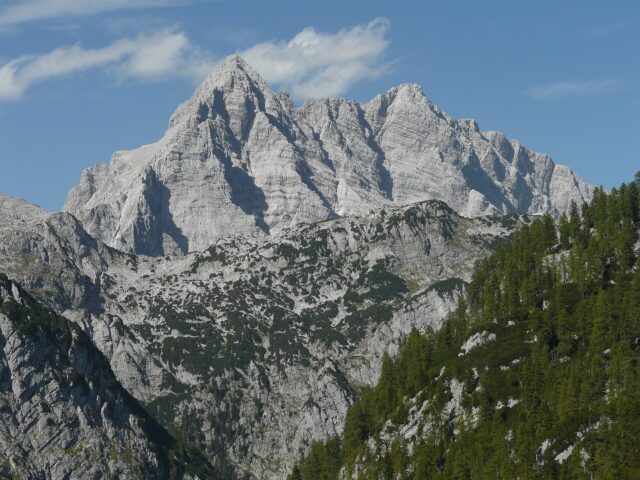
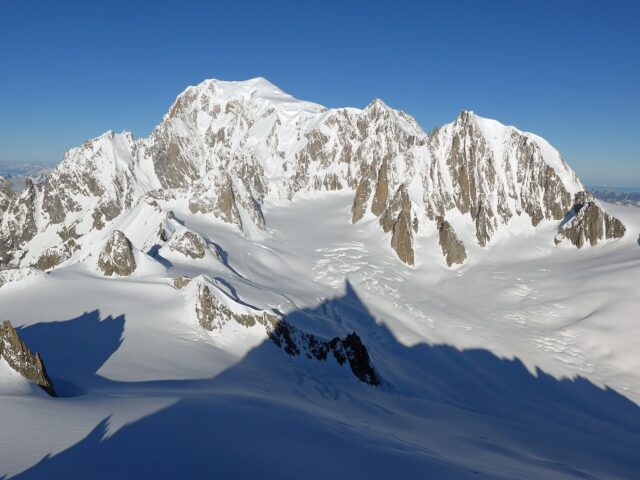
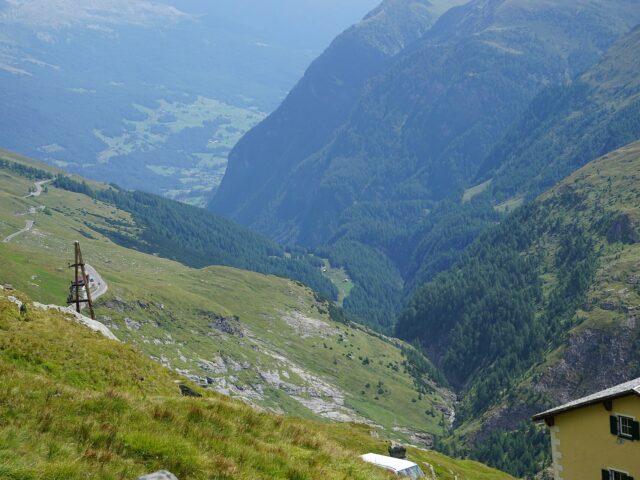
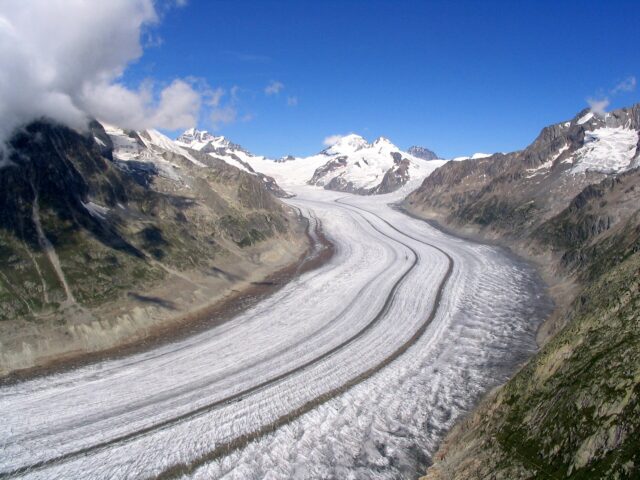
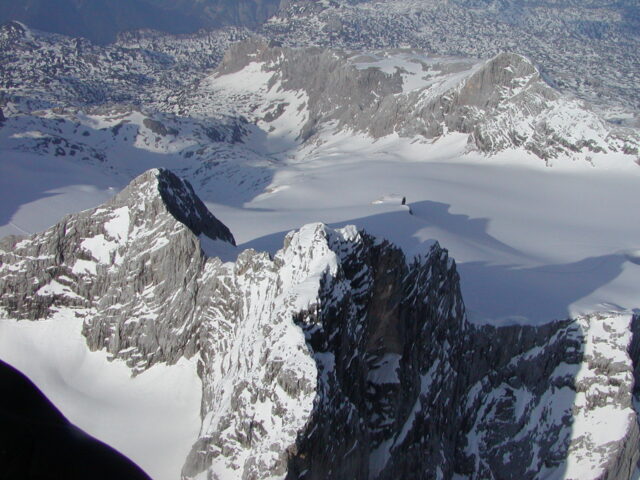
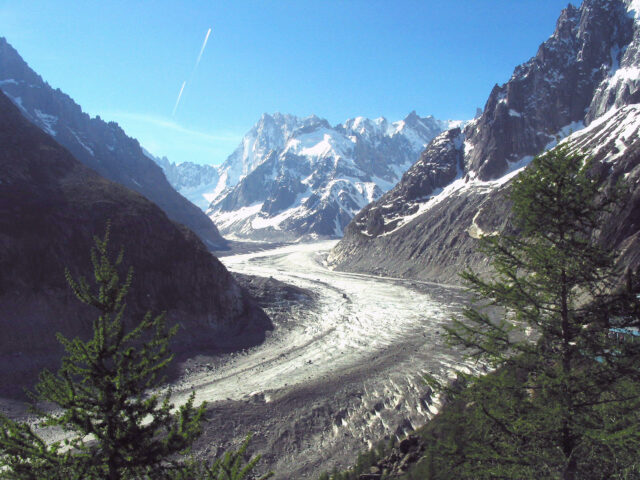
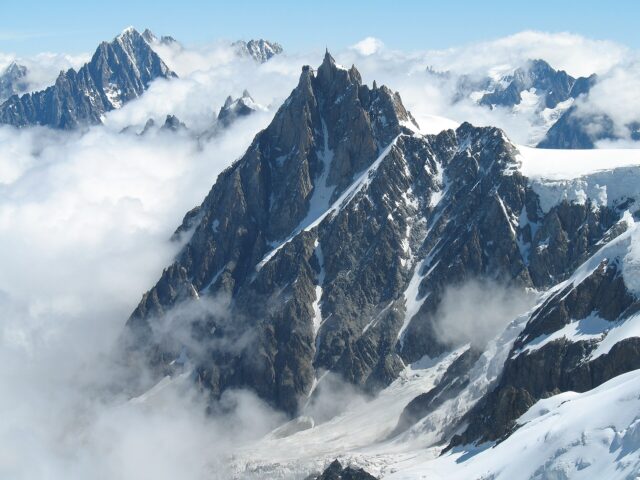
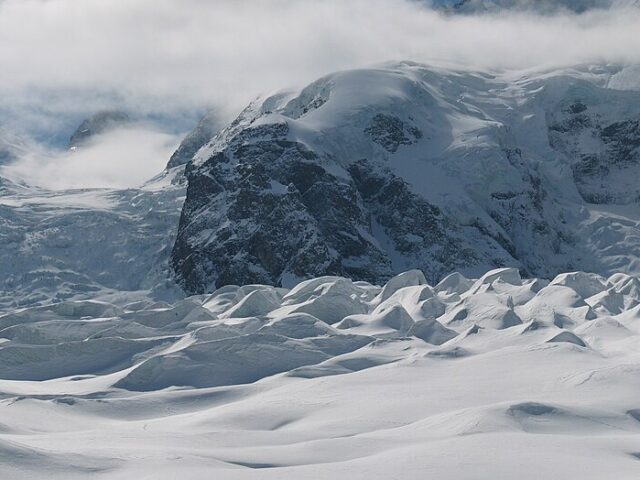
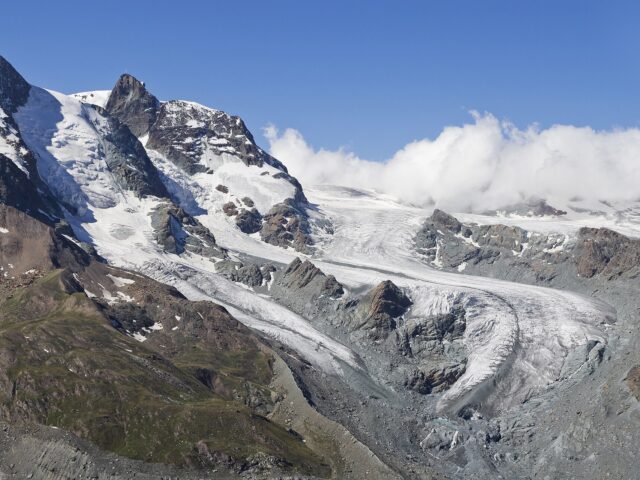
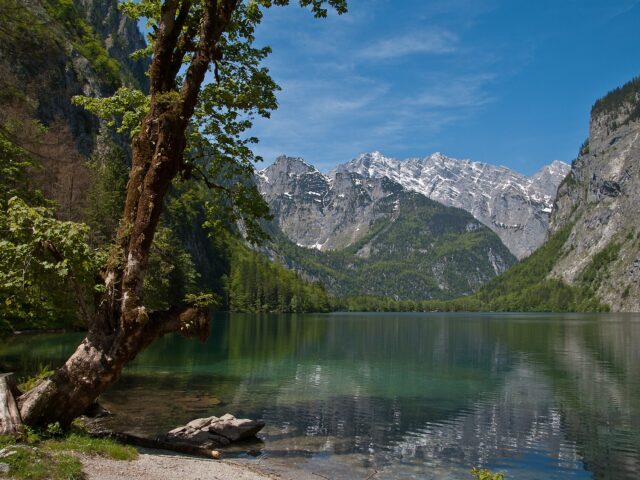
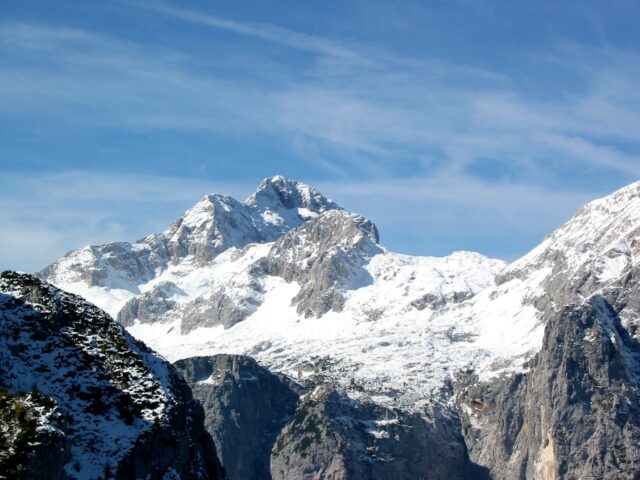
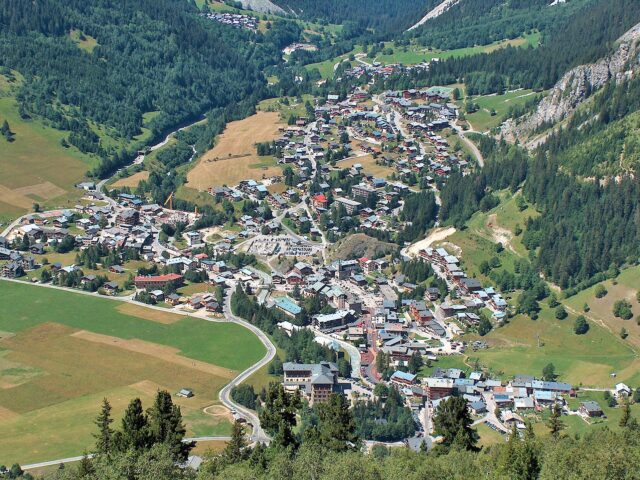
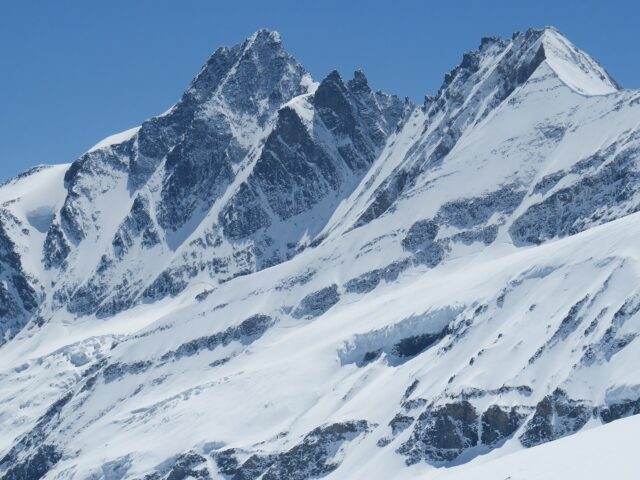
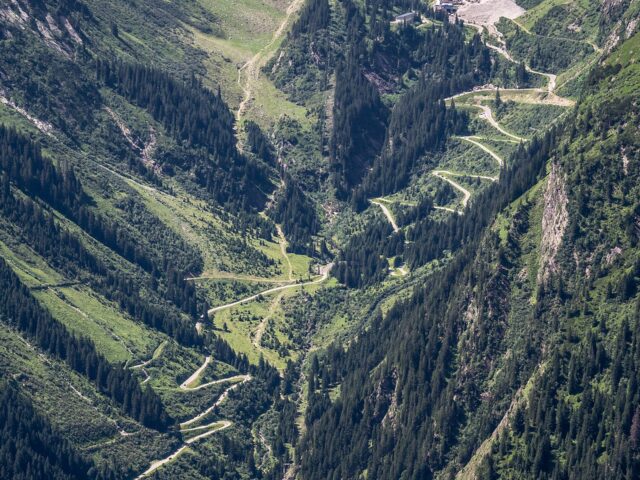
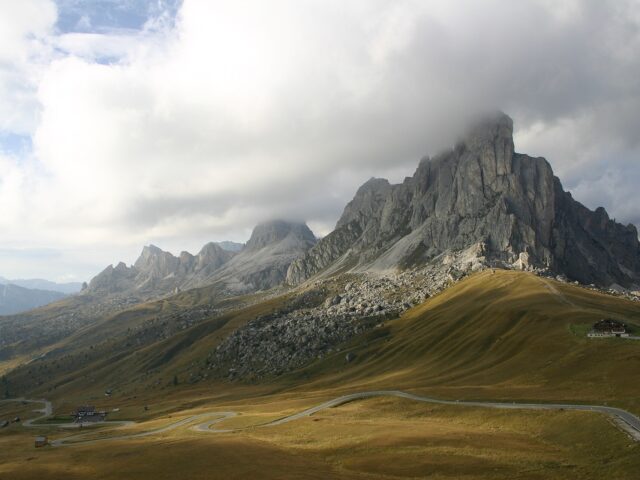
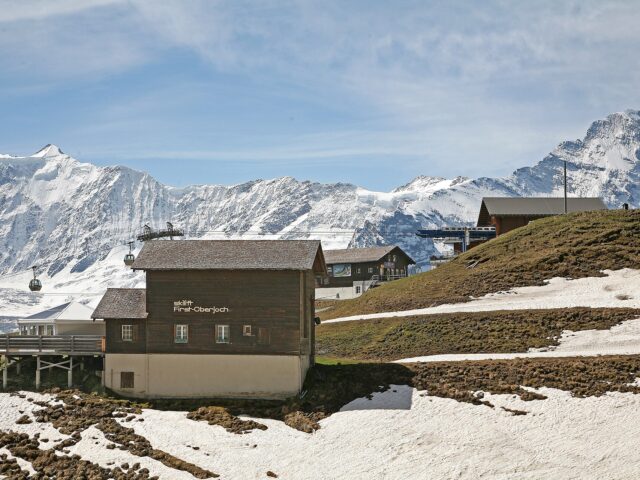
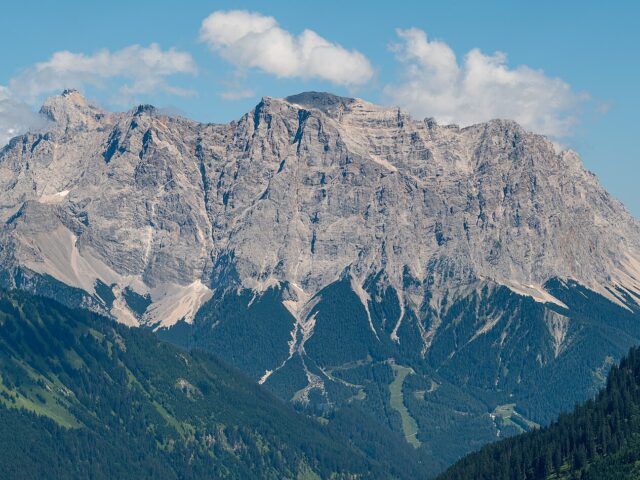
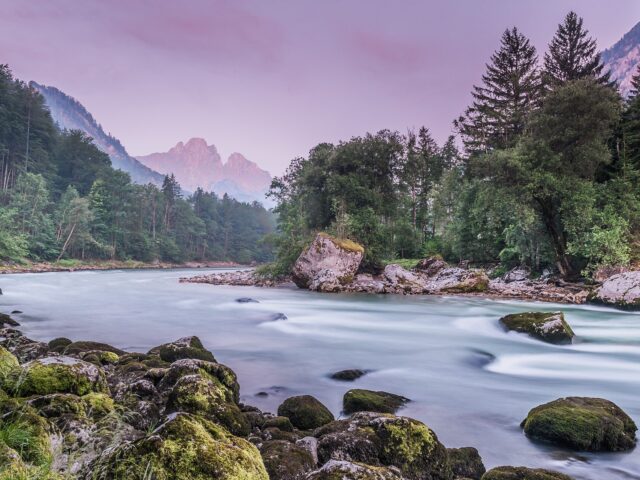
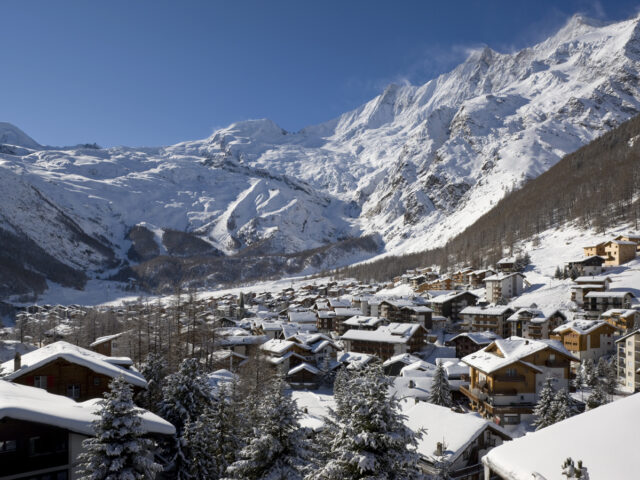
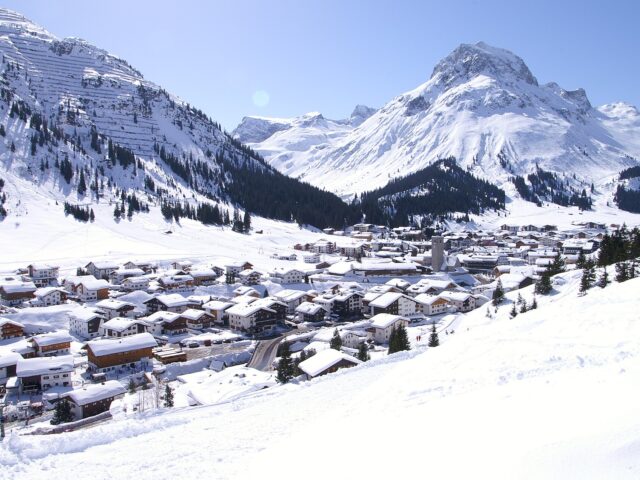
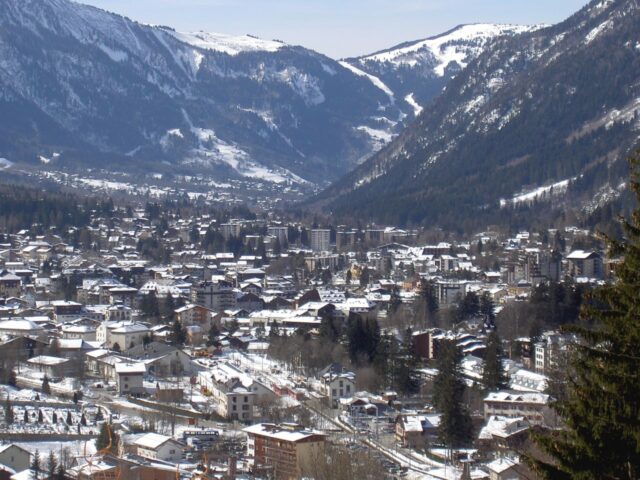
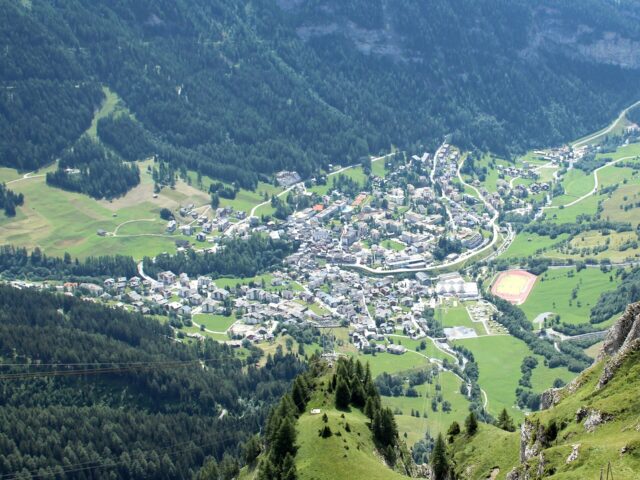
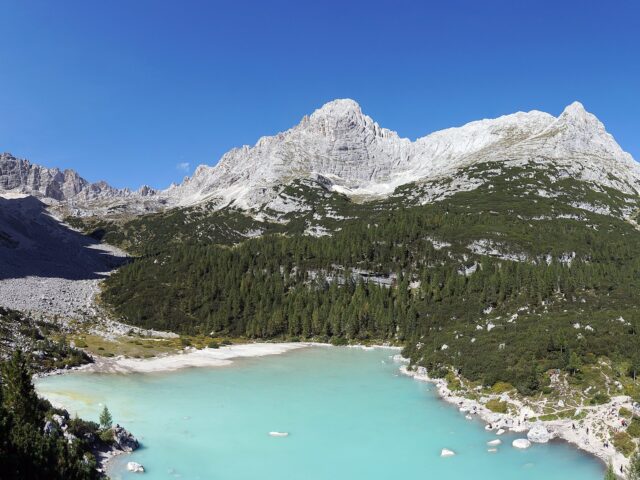
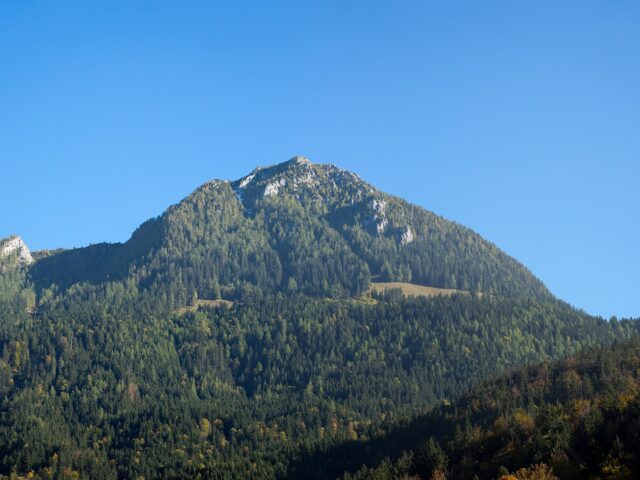
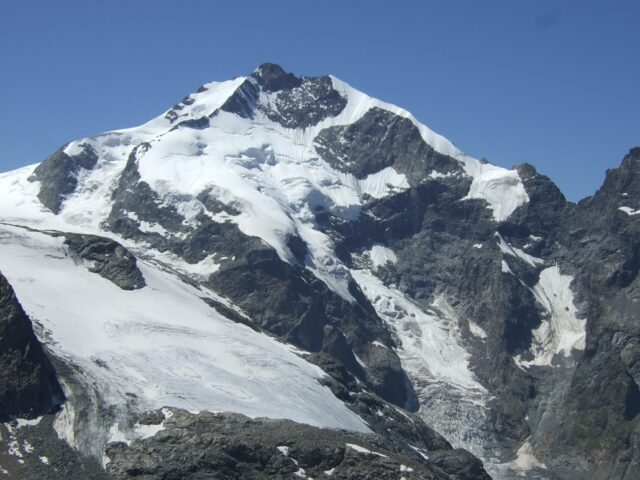
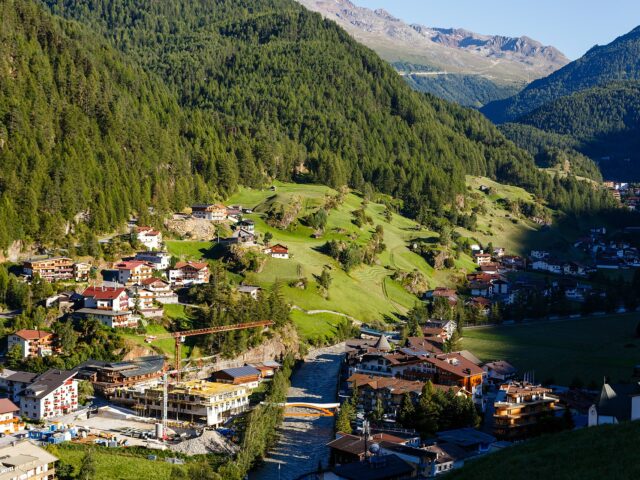
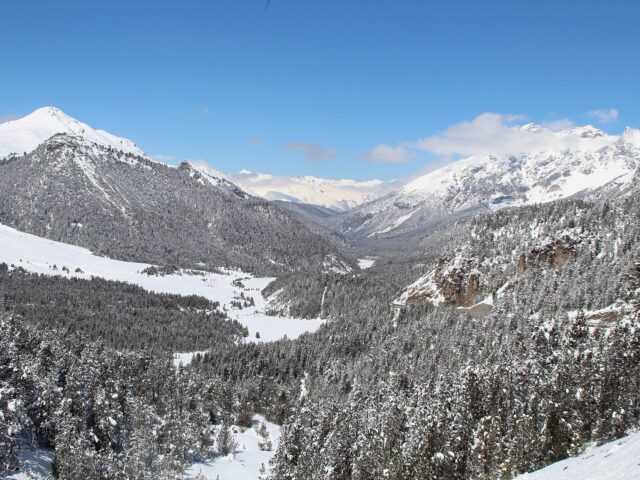
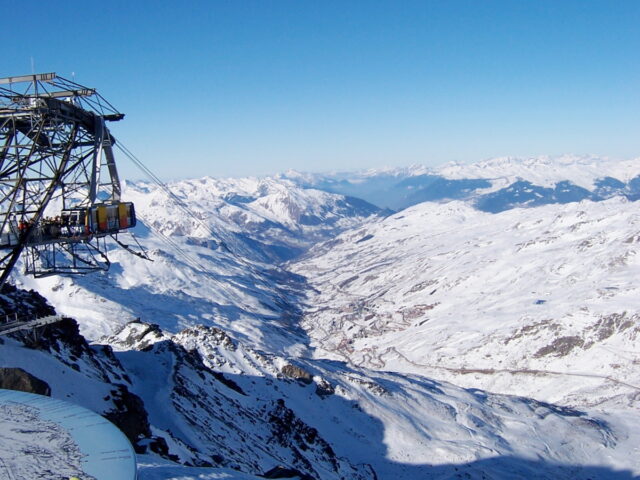
Val d'Isère and Tignes together form the high-alpine ski area Espace Killy, named after the ski star Jean-Claude Killy. Thanks to the altitude and the glacier on the Grande Motte, skiing is possible here even in summer. Val d'Isère has hosted Olympic races and is regarded as one of the most snow-sure areas in the Alps.
Highlights
- Espace Killy ski area (Val d'Isère + Tignes)
- Glacier skiing on the Grande Motte even in summer
- Very snow-sure altitude
- Summer hiking in the Tarentaise
Good to know
| Ski area | Espace Killy |
| Glacier | Grande Motte (Tignes) |
| Namesake | Jean-Claude Killy |
| Region | Tarentaise, Savoy |
Practical info
Getting there: Train to Bourg-Saint-Maurice, then by bus; by car via the Tarentaise.
Best time: Skiing December to May, glacier partly in summer; hiking July/August.
Cost: Ski passes and accommodation at an upscale level (please verify).
Safety: High-alpine, mind the avalanche situation; off-piste only with equipment.
Tips:
- Check summer glacier skiing on the Grande Motte for operation in advance
- In summer the region is quiet and cheap
Background & History
High in the Tarentaise valley of Savoy, near the Italian border, lie Val d'Isère and Tignes, two of the best-known winter sports resorts of the French Alps. For a long time they were secluded high-mountain villages, in which shepherds drove their cattle up to the alpine pastures in summer, while the winters held the inhabitants captive in deep isolation. Only the rising sport of skiing and the building of tremendous lift installations transformed the region in the 20th century into the extensive ski area Espace Killy, named after the Olympic champion Jean-Claude Killy, who came from Val d'Isère.
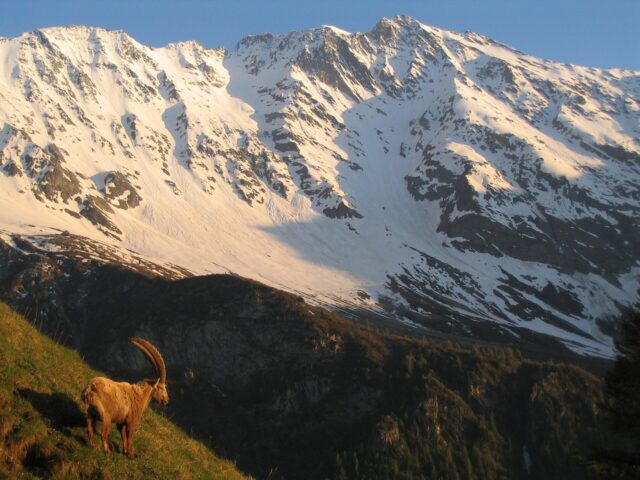
Directly behind the slopes another world begins: the Vanoise National Park, the first national park in France, founded for the protection of the Alpine ibex, at that time almost exterminated. While around the resorts cable cars span the slopes, in the inner Vanoise chamois and ibex roam an almost untouched landscape of flower meadows and rugged ridges. Tignes itself had to make a painful sacrifice to modernity: the old village sank in the 1950s, despite the resistance of its inhabitants, beneath the waters of a reservoir, whose hydropower has supplied electricity ever since. The region around the Tarentaise was once barren farming land, before it was reshaped within a few decades into one of the largest ski circuses in the world. Thus here unbridled tourism and quiet nature conservation meet directly, in the closest of spaces.
To make your trip run smoothly , our guides and gear tips for this destination: