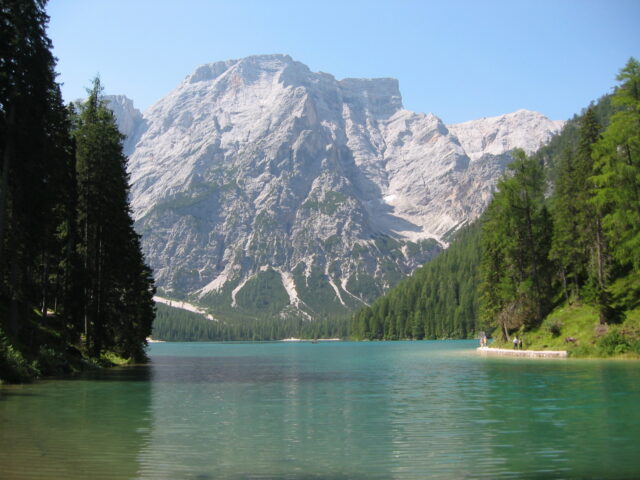
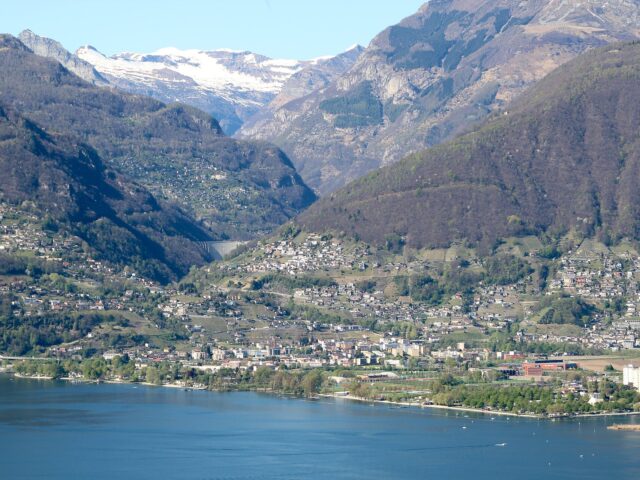
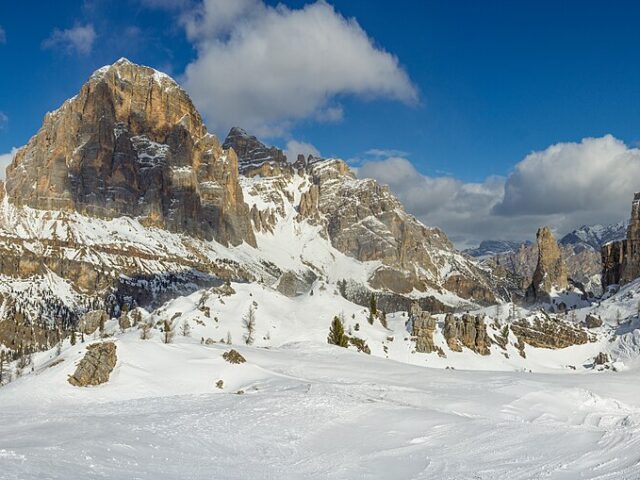
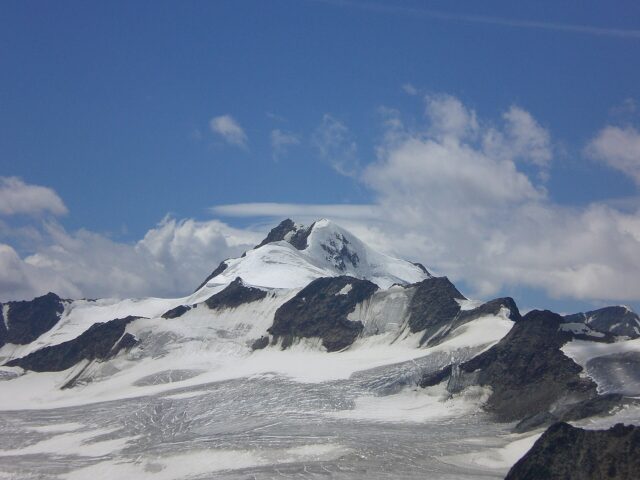
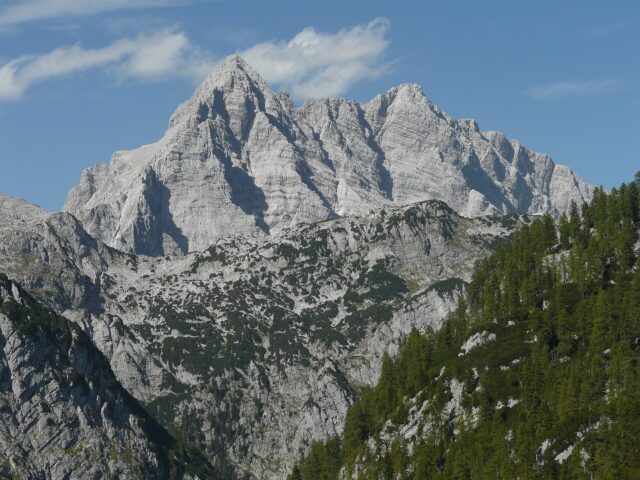
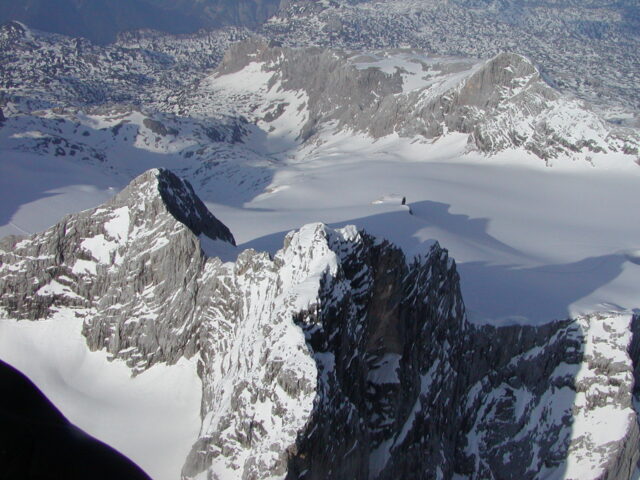
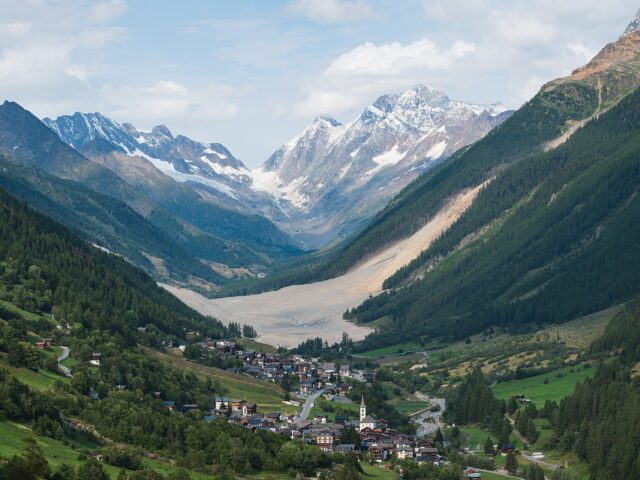
Dolomites
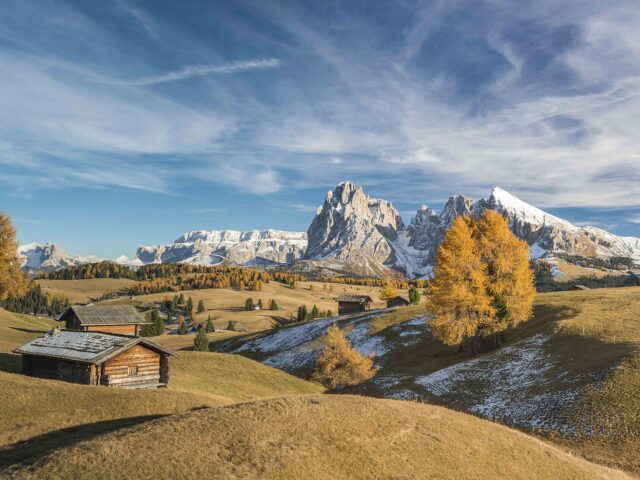
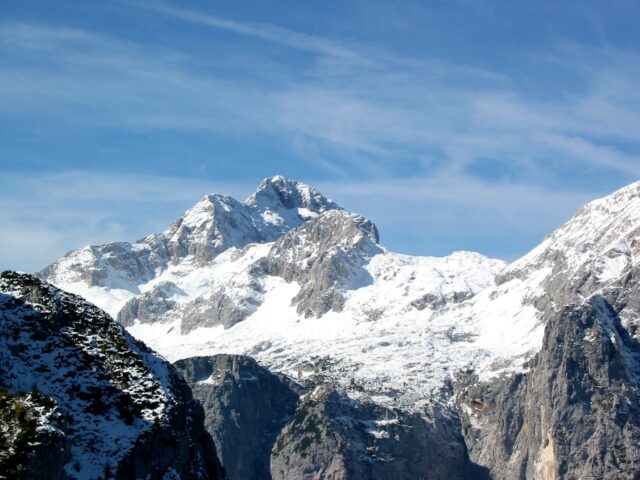
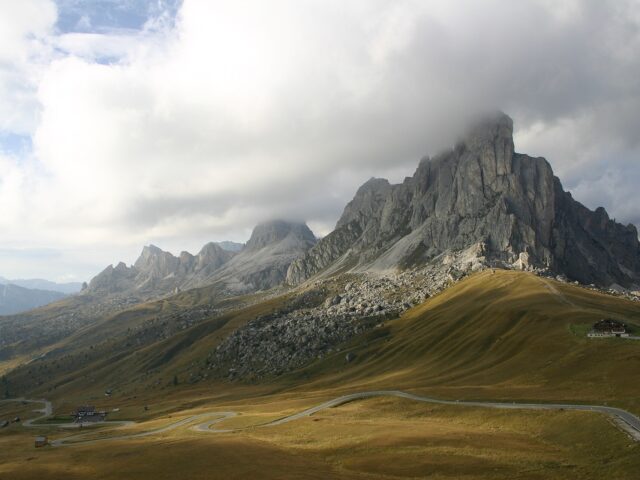
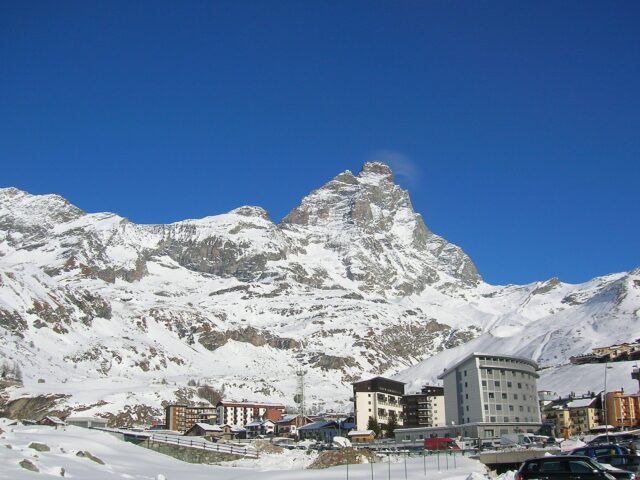
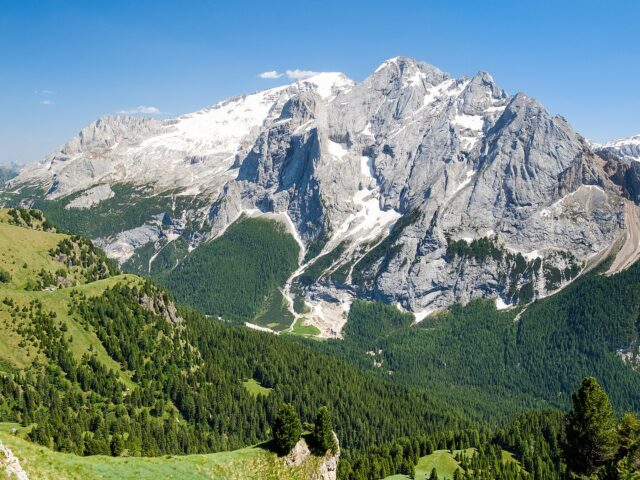
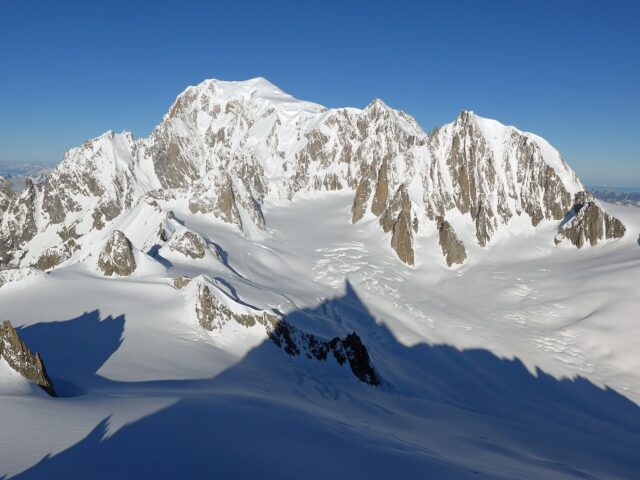
UNESCO World Heritage mountains in South Tyrol, Trentino and Belluno; highest peak Marmolada (3,343 m)
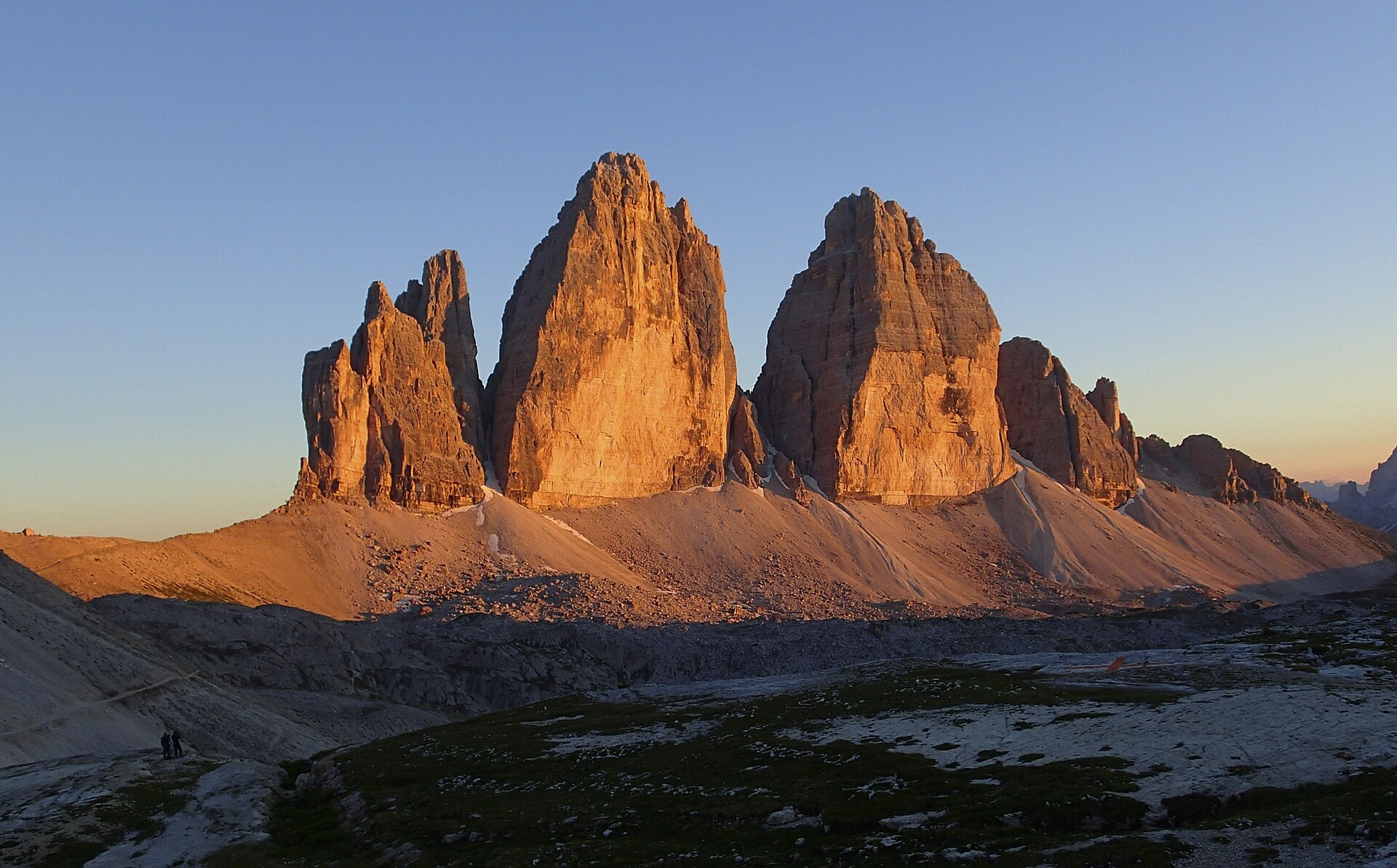
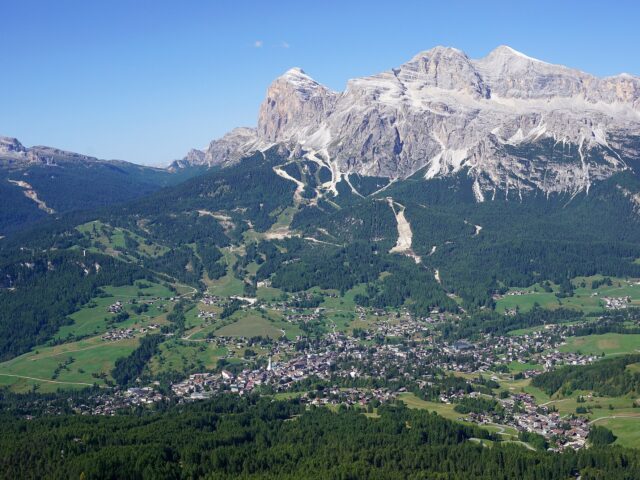
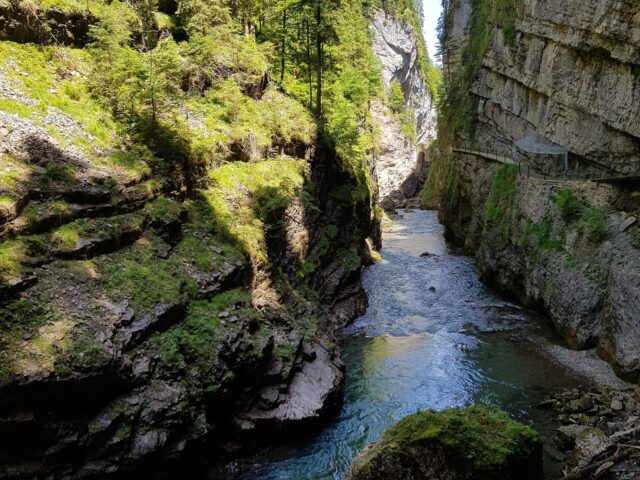
Photo: Andrea Schieber / Wikimedia Commons (CC BY-SA 2.0)
Address
Dolomites (Southern Limestone Alps), northern Italy
GPS
46.4347, 11.8508
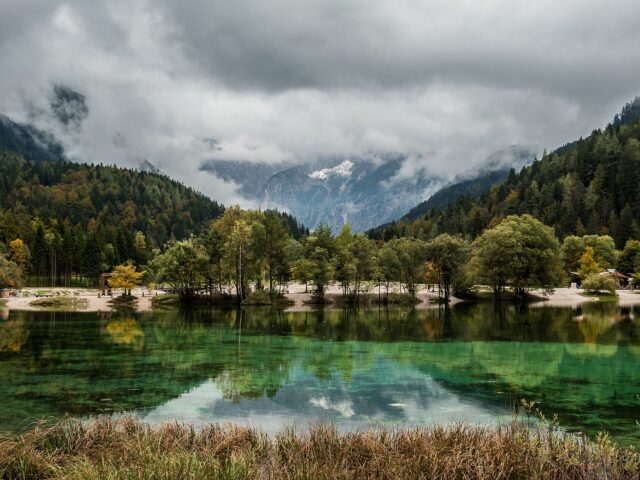
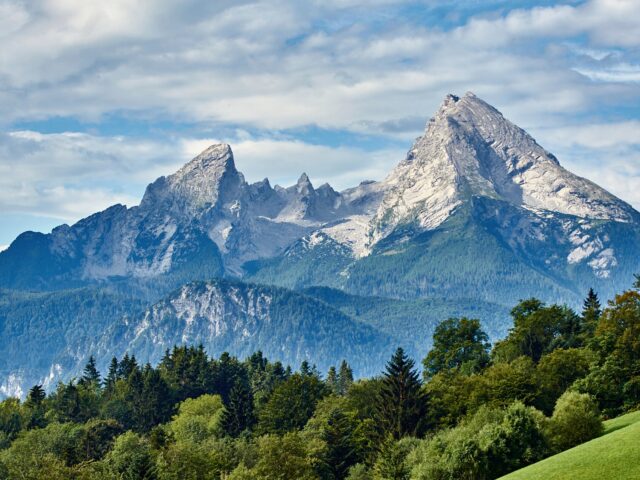
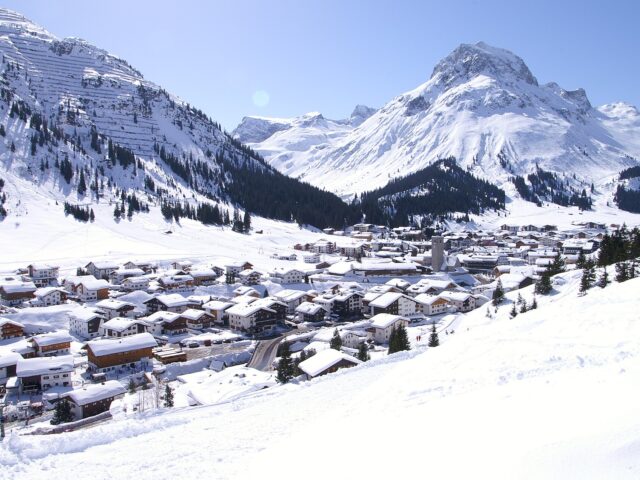
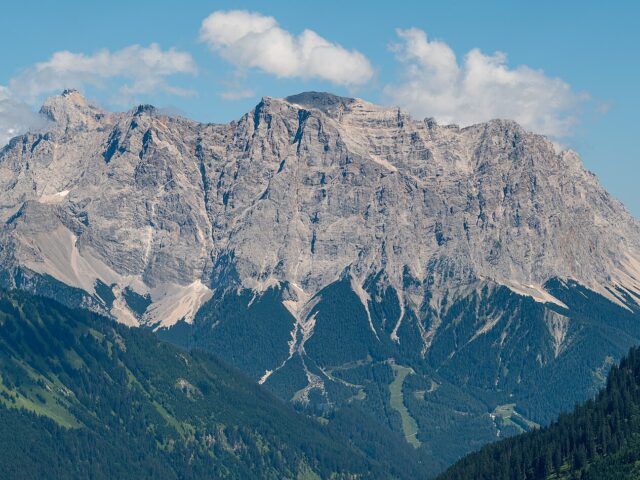
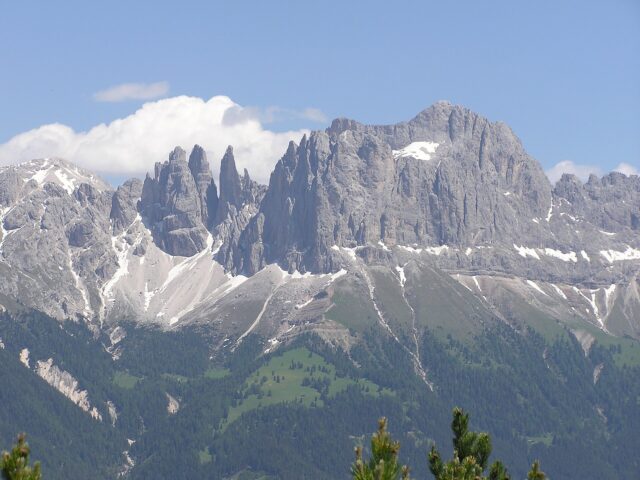
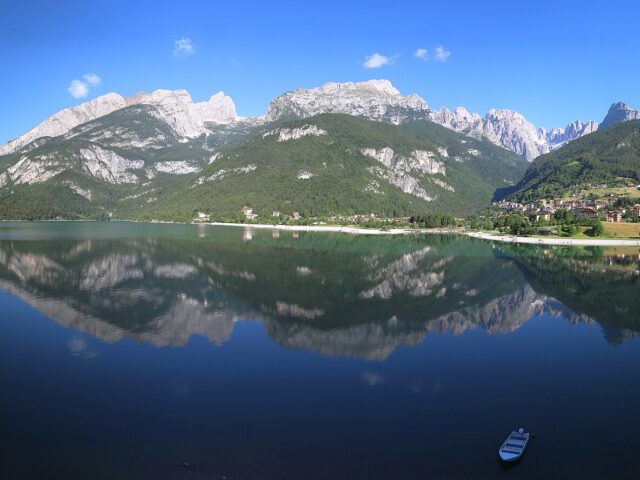
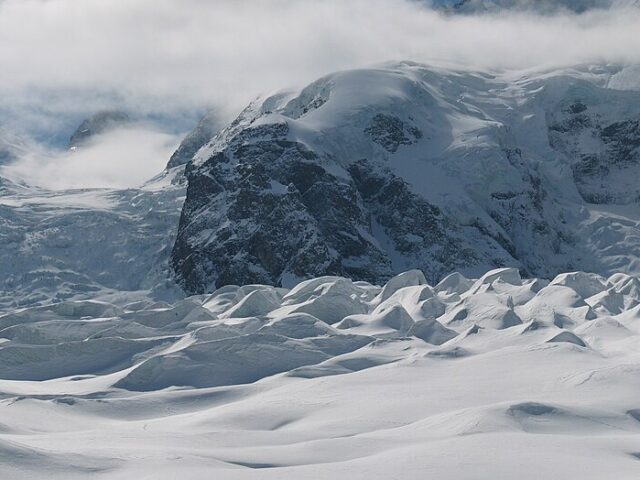
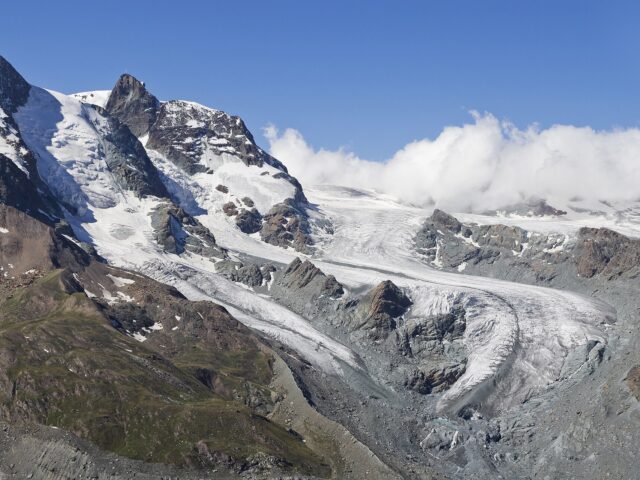
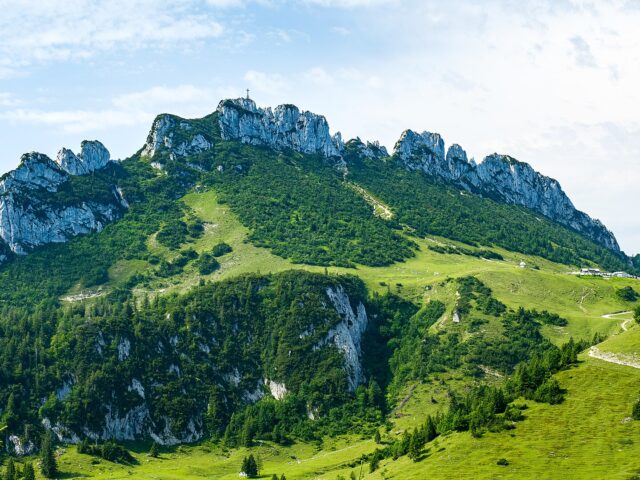
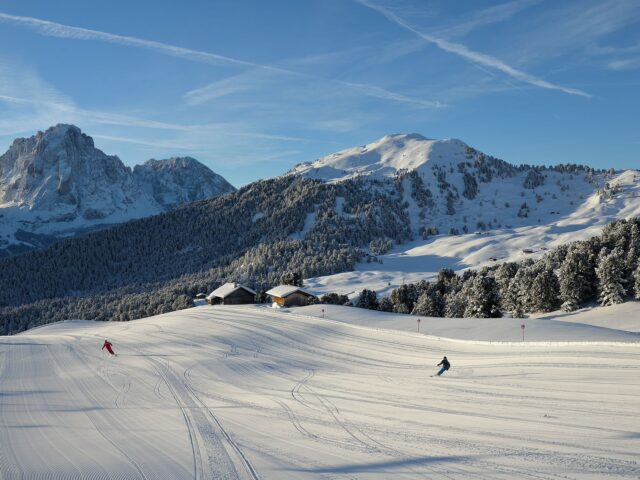
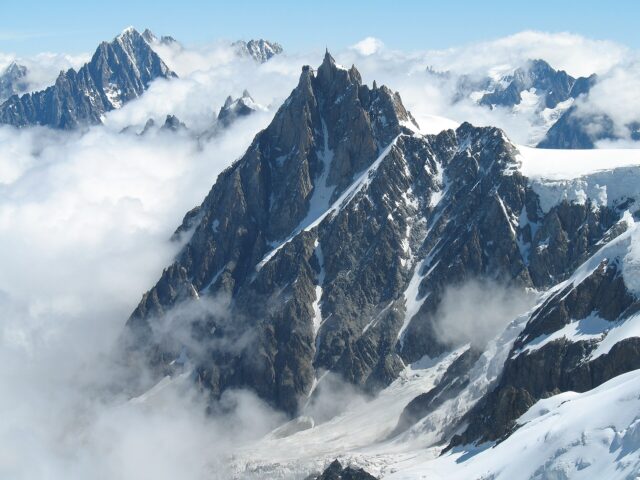
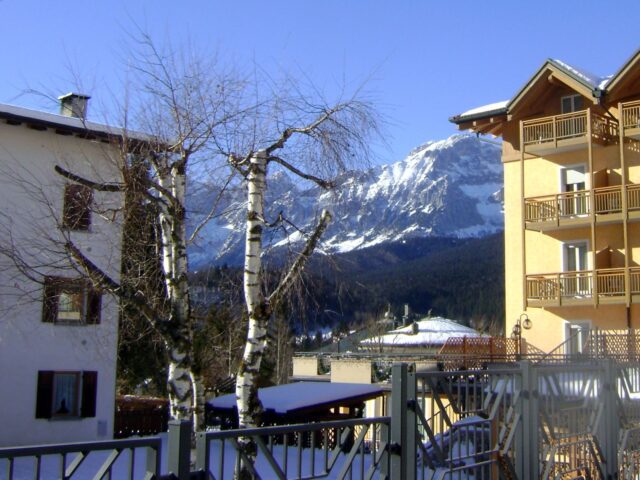
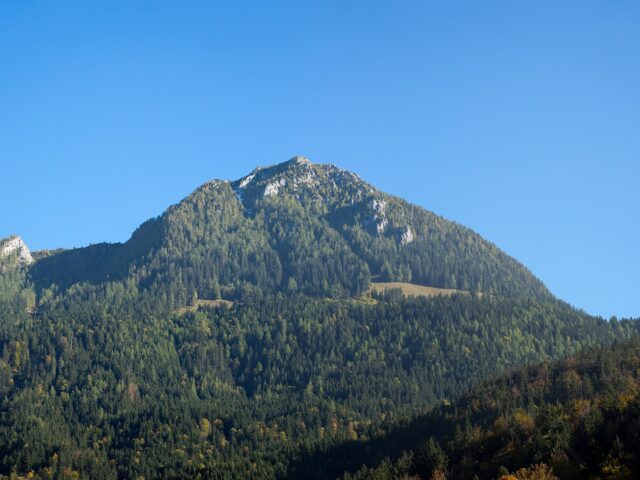
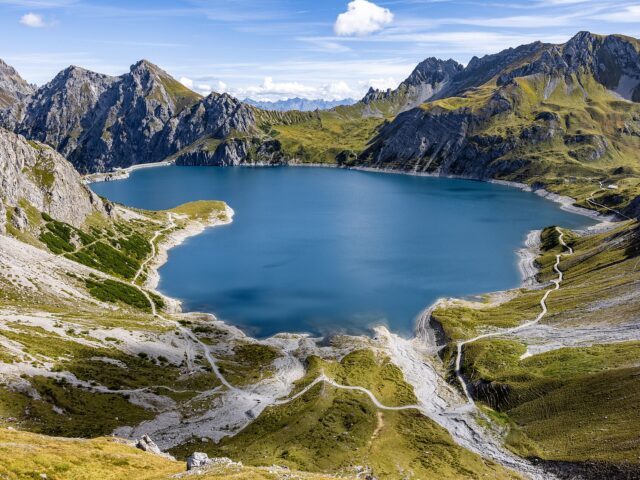
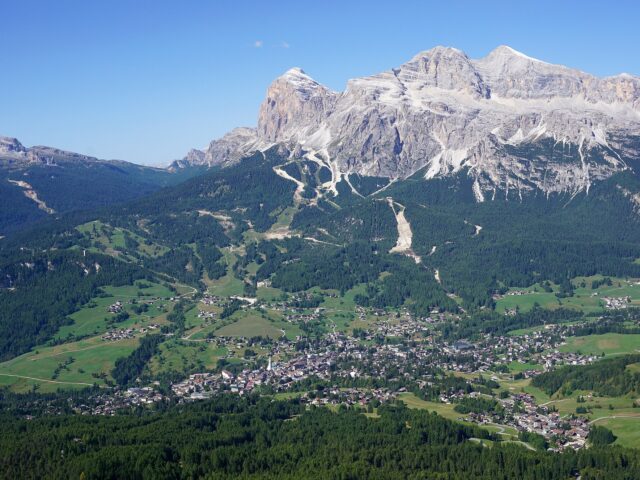
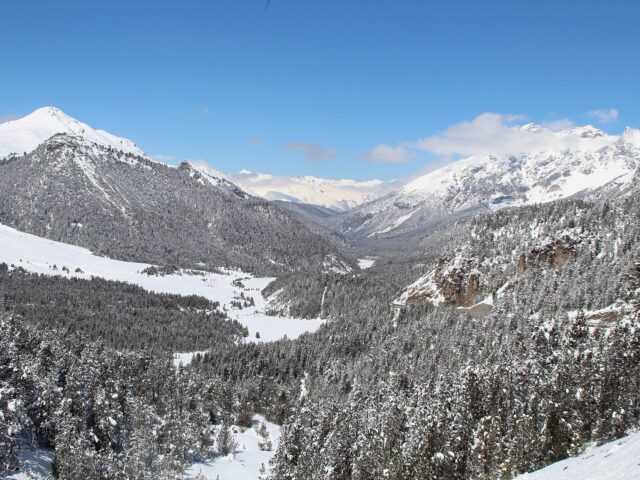
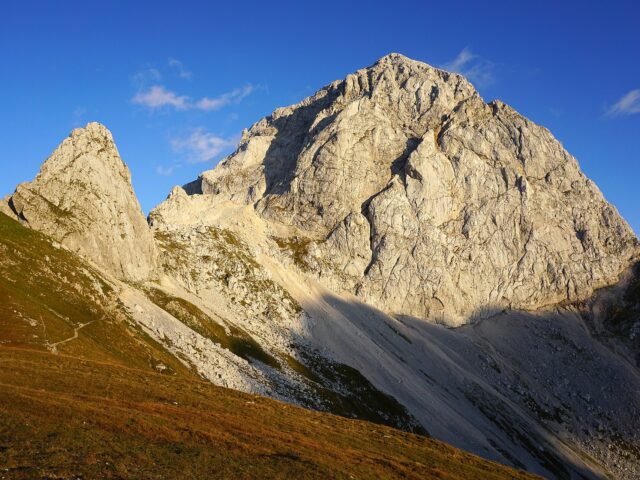
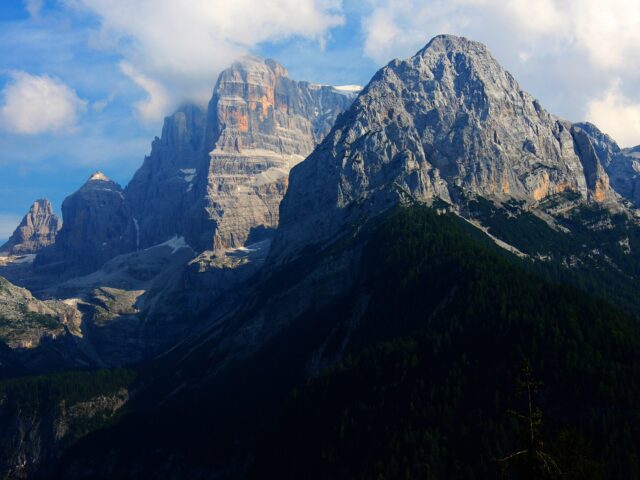
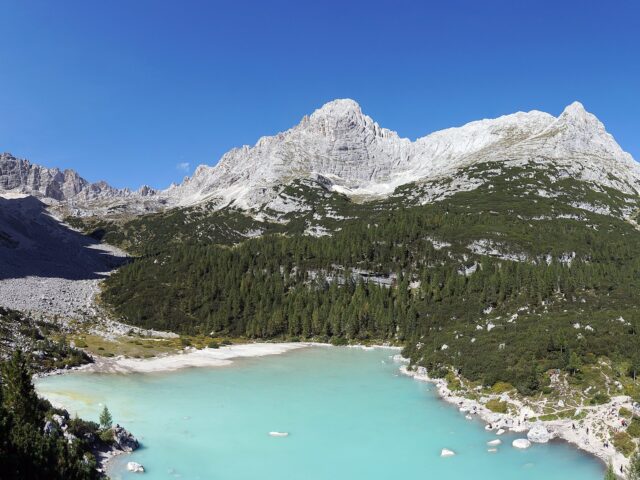
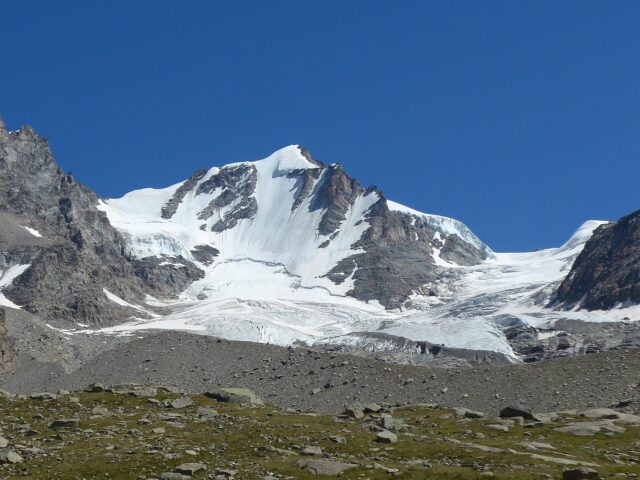
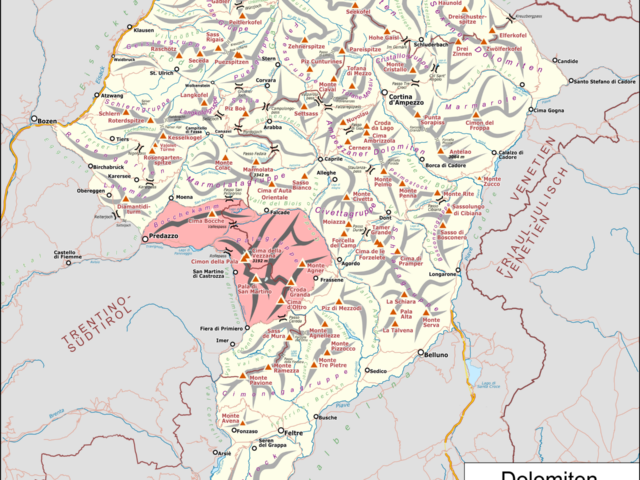
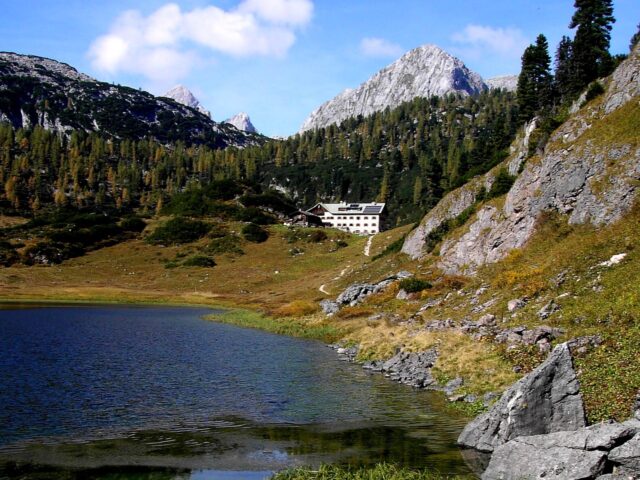
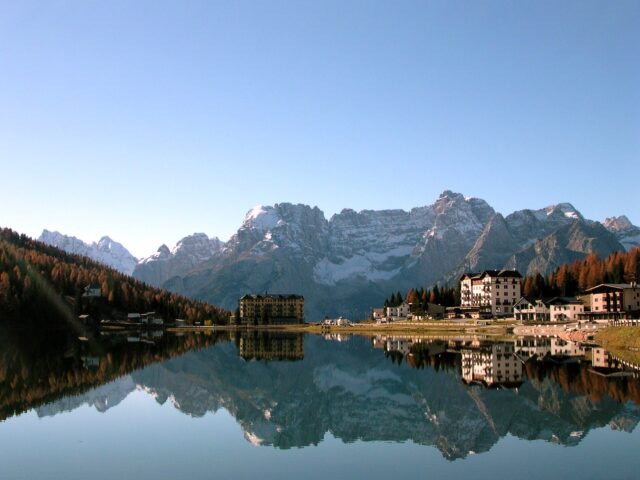
The Dolomites are a striking mountain group of the Southern Limestone Alps with pale dolomite rock, jagged towers and walls, a UNESCO World Natural Heritage Site since 2009. The highest peak is the Marmolada (Punta Penia, 3,343 m), the only significant glacier region of the range.
Activities
- Hiking and mountain tours
- Via ferratas
- Multi-pitch climbing
- High-alpine tour up the Marmolada
- Panoramic roads over the Dolomite passes
- Hut tours / Dolomite high trails
Highlights
- UNESCO World Natural Heritage since 2009
- Marmolada, queen of the Dolomites (3,343 m)
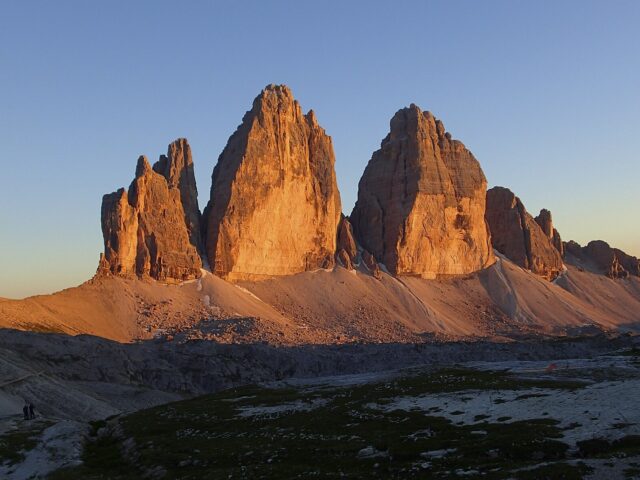
- Tre Cime di Lavaredo (Drei Zinnen)
- Rosengarten and Sella group
- Enrosadira (red alpenglow)
- Dense network of via ferratas and high trails
Routes & ascents
| Route | Type | Difficulty | Duration |
|---|---|---|---|
| Tre Cime circuit Loop around the Tre Cime past the Auronzo, Lavaredo and Dreizinnen huts. |
Hike | moderate | approx. 4–5 h |
| Marmolada west ridge / Punta Penia Via ferrata to the highest peak of the Dolomites with glacier contact and dizzying views over the Marmolada south face. |
Via ferrata | demanding, high-alpine | Day tour |
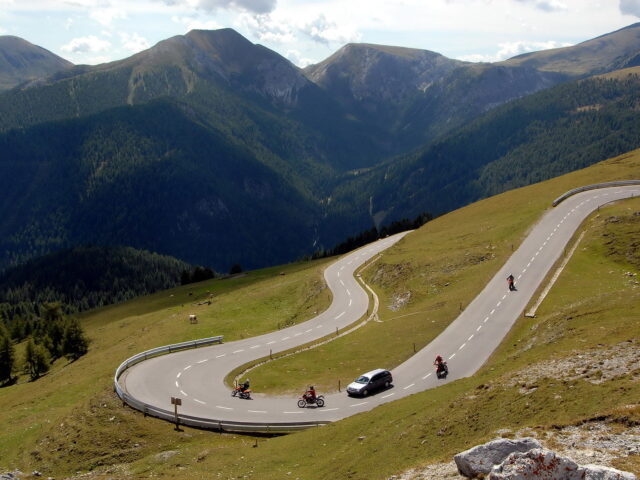
| Great Dolomite Road (Bozen–Cortina) Classic pass road over the Karer, Pordoi and Falzarego passes with views of the Rosengarten, Sella and Marmolada. |
Panoramic road | easy (by car) | Day trip |
Good to know
| Elevation | 3,343 m (Marmolada / Punta Penia) |
| Mountain range | Dolomites, Southern Limestone Alps |
| First ascent | Marmolada: 28 September 1864 by Paul Grohmann with Angelo and Fulgenzio Dimai |
| Special feature | UNESCO World Natural Heritage since 2009; famous for the Tre Cime, Rosengarten, Sella, Sexten Dolomites and the Enrosadira alpenglow |
Practical info
Getting there: Via Bozen/Brixen (South Tyrol), Cortina d'Ampezzo (Belluno) or Trento/Val di Fassa (Trentino); train to Bozen/Brixen/Toblach, then by bus/car over the passes.
Best time: Hiking and via ferratas June–October; the Marmolada high tour in high summer; in winter the ski area/Sellaronda.
Cost: Access to nature is free; cable cars, toll roads, huts and mountain guides are payable (please verify).
Safety: Via ferratas require a set and a head for heights; the Marmolada glacier only with high-tour equipment/a guide; afternoon thunderstorm risk.
Background & History
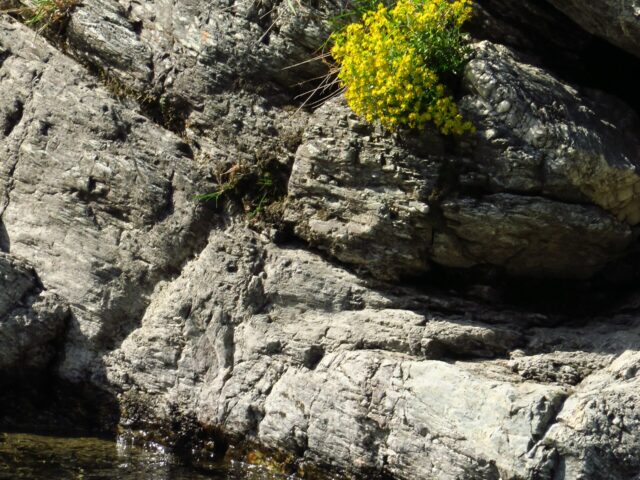
The Dolomites owe their name to the French researcher Déodat de Dolomieu, who in the late 18th century described the peculiar rock from which these mountains are built. Chemically it is a double carbonate of calcium and magnesium, which formed in the shallow tropical seas of the Triassic, when coral reefs and lagoons laid the foundation for the later rock towers. Only the alpine mountain-building raised these petrified reefs steeply upwards, and so the pale, almost luminous character of the walls is explained, which at sunset turns into that famous rosy glow known as the Enrosadira.
Culturally the Dolomites are a mosaic. In some valleys Ladin is still spoken today, an archaic Romance language whose roots reach back to the time of the Romans. For centuries a border landscape ran here between the German, the Italian and the Ladin character, shaped by mountain farmers, mule tracks and old trade routes over the passes. In the First World War the rugged peaks became the front, whose tunnels and paths live on as via ferratas. Even the famous mountaineer and painter from the pioneering days of alpinism praised these mountains as the most beautiful in the world, and generations of climbers have created routes here that have become classics. Since 2009 the Dolomites have been a World Natural Heritage Site, a recognition of the rare combination of geological singularity and scenic beauty that makes these pale mountains one of the unmistakable faces of the Alps.
To make your trip run smoothly , our guides and gear tips for this destination: