Bernina Express
UNESCO World Heritage railway across the Alps
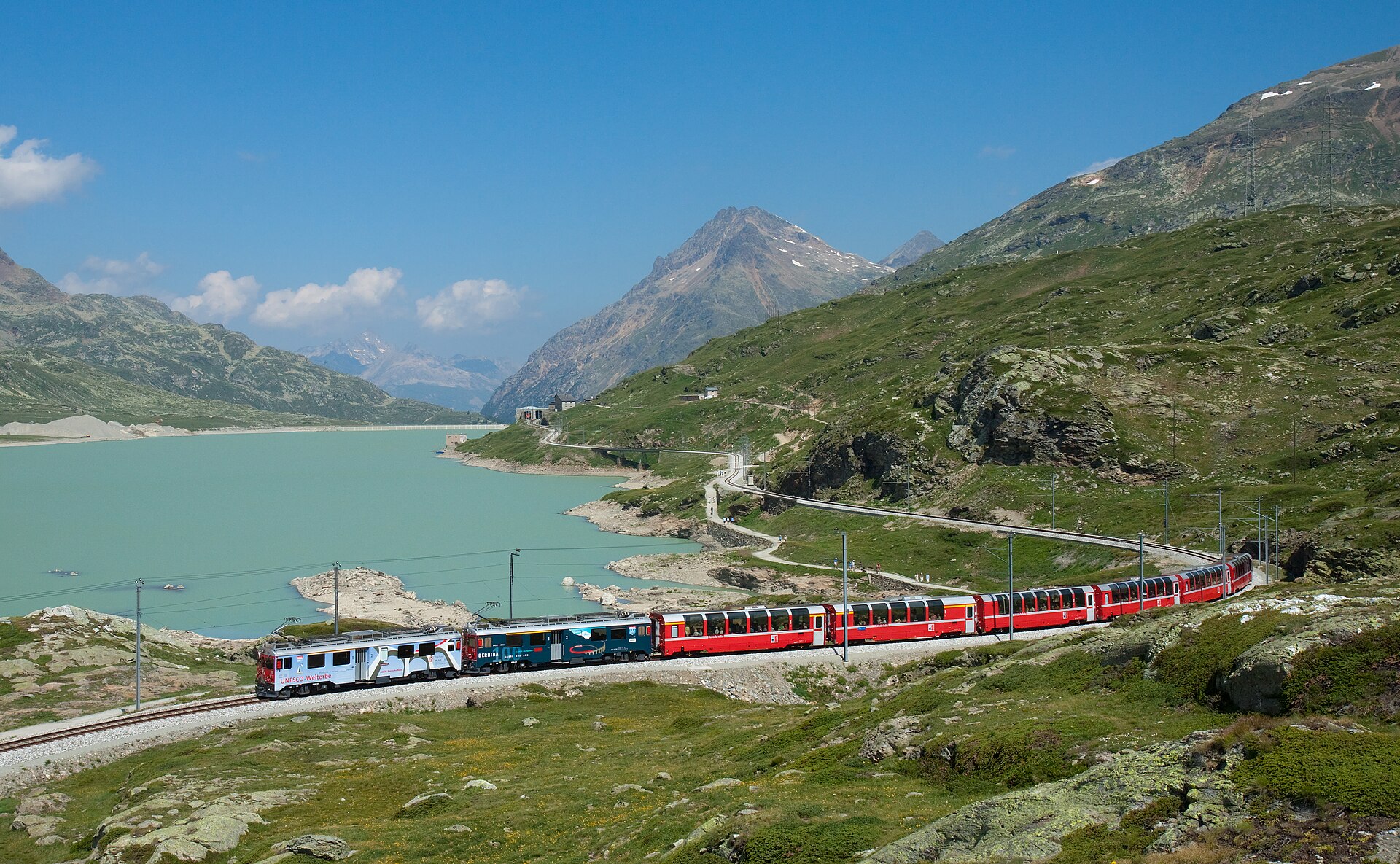
Foto: Kabelleger / David Gubler / Wikimedia Commons (CC BY-SA 3.0)
Address
Chur/St. Moritz – Tirano (Italy), Rhaetian Railway
GPS
46.4106, 10.0203
Web
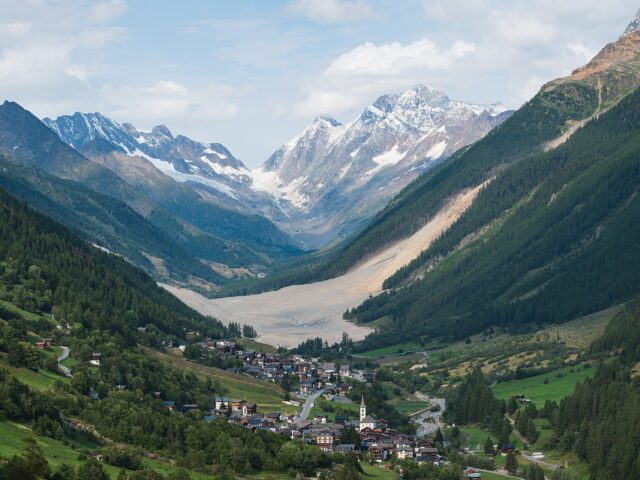
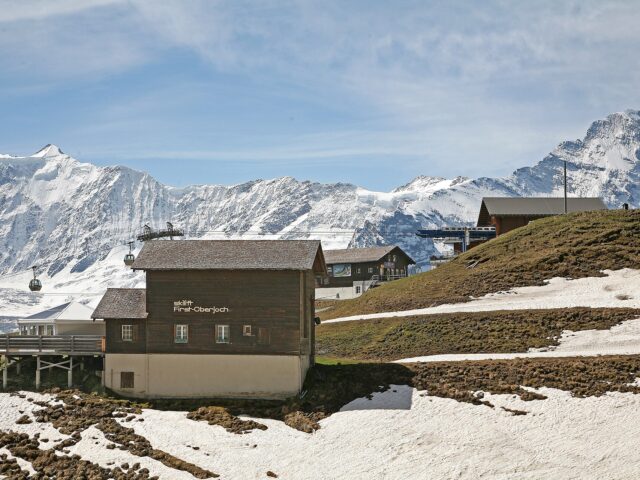
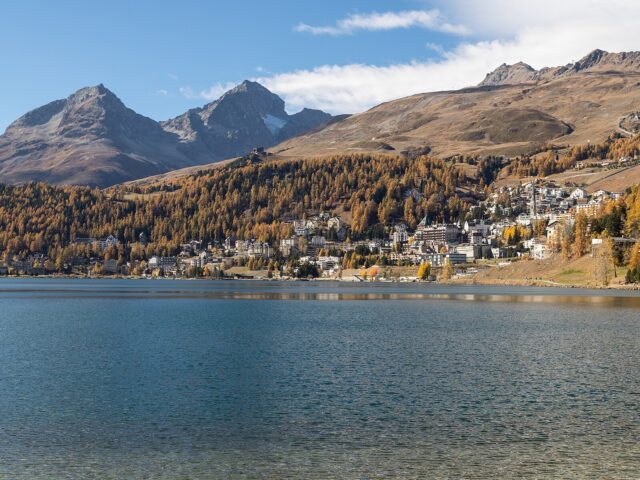
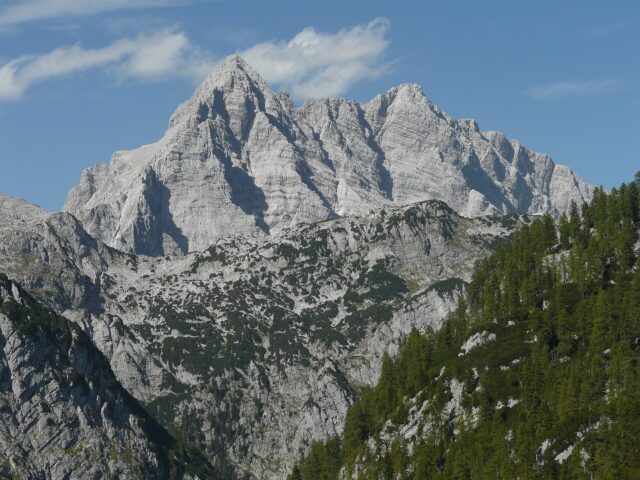
The Bernina Express links Swiss Graubünden with Italian Tirano over the most spectacular stretch of the Rhaetian Railway. The Albula and Bernina lines have been a UNESCO World Heritage Site since 2008. Without a rack, the narrow-gauge railway climbs on the tightest curves to over 2,250 m at the Bernina Pass and passes the famous Landwasser Viaduct and the circular viaduct of Brusio.
Highlights
- UNESCO World Heritage Albula and Bernina lines (since 2008)
- Landwasser Viaduct, built into the rock face
- Circular viaduct of Brusio, a spiral open-air loop
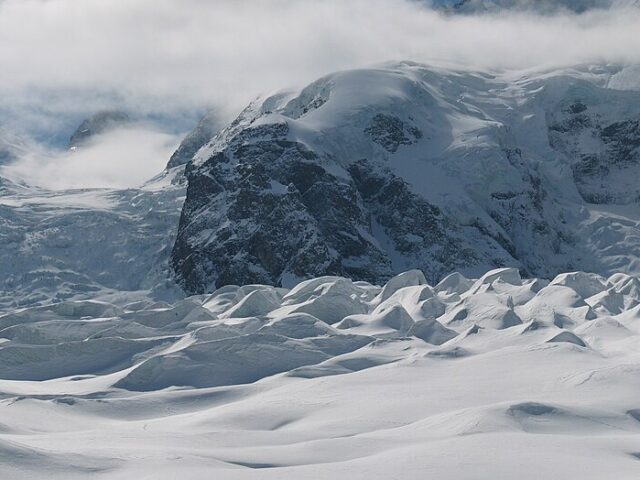
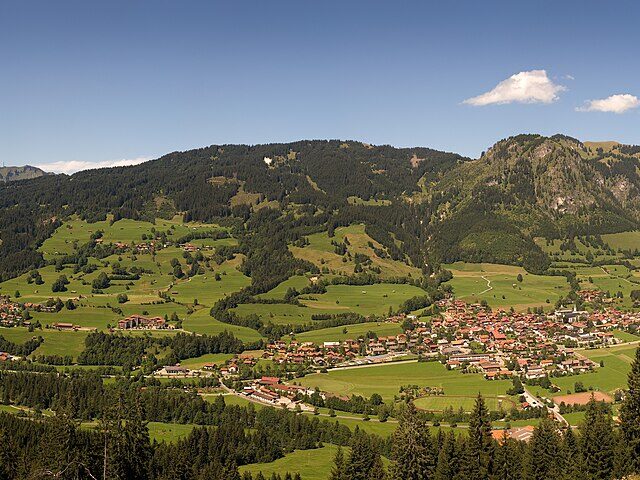
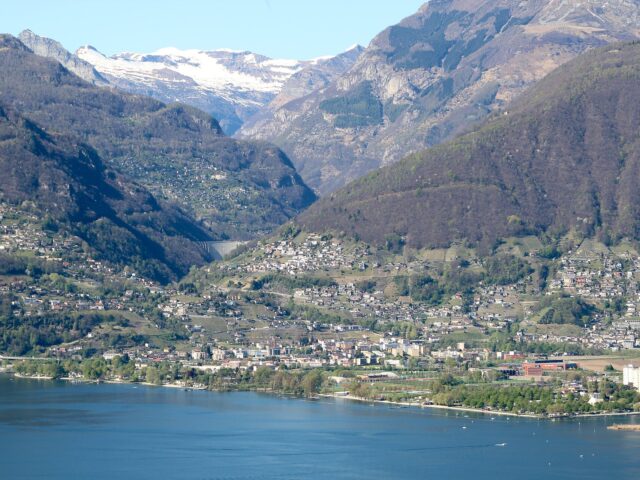
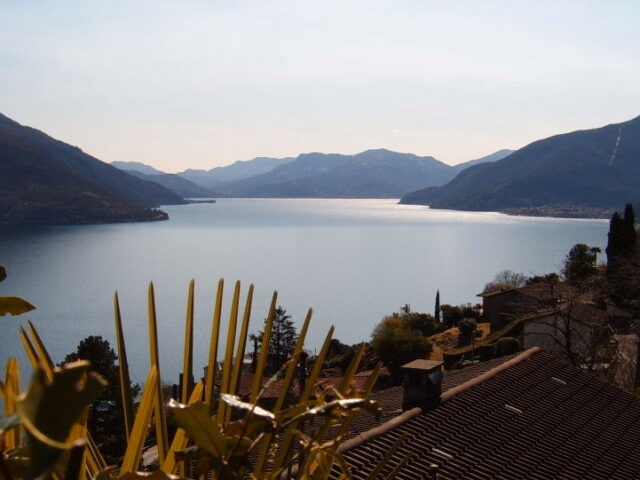
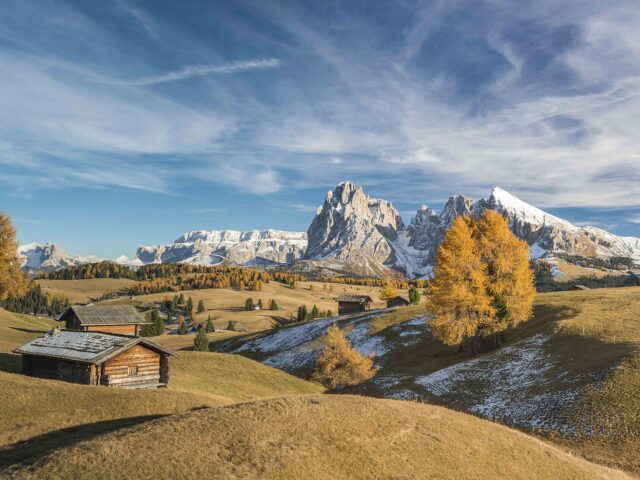
- A journey from glaciers to palm trees in Tirano
Good to know
| Route | Chur/St. Moritz – Tirano (Italy) |
| World Heritage | UNESCO since 2008 |
| Summit point | Ospizio Bernina, over 2,250 m |
| Special feature | steepest adhesion railway without a rack |
Practical info
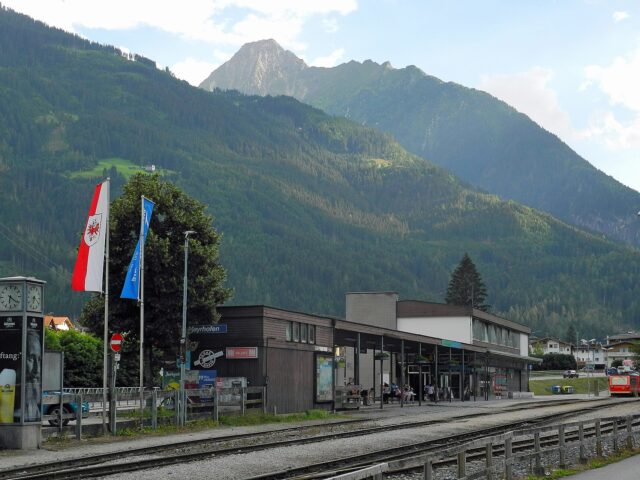
Getting there: Boarding in Chur, St. Moritz or Pontresina; panorama carriages require reservation.
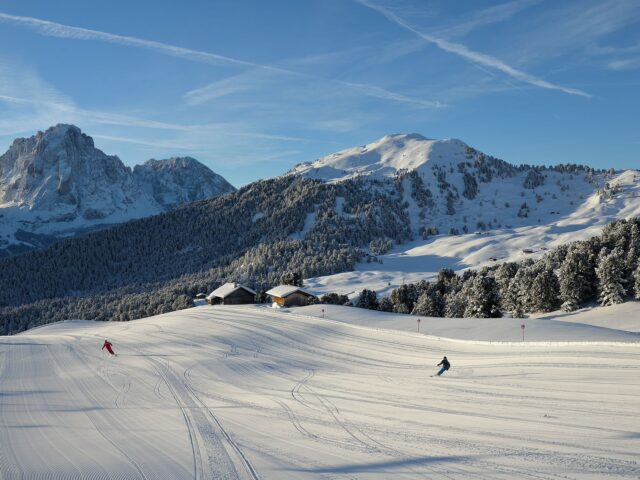
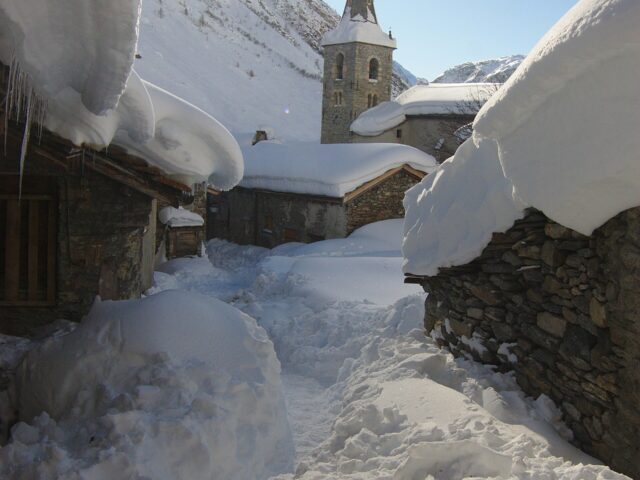
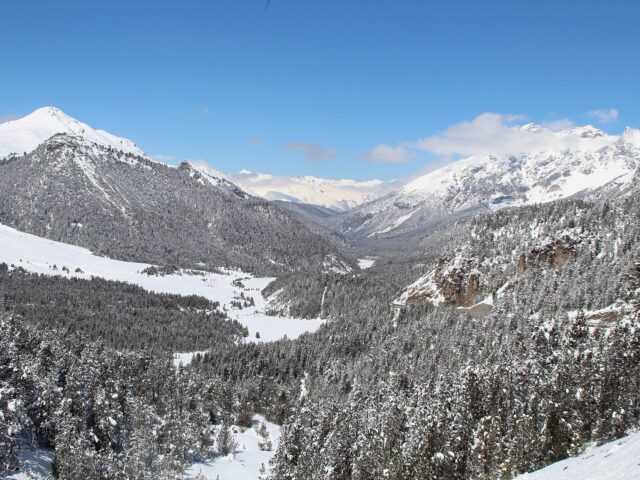
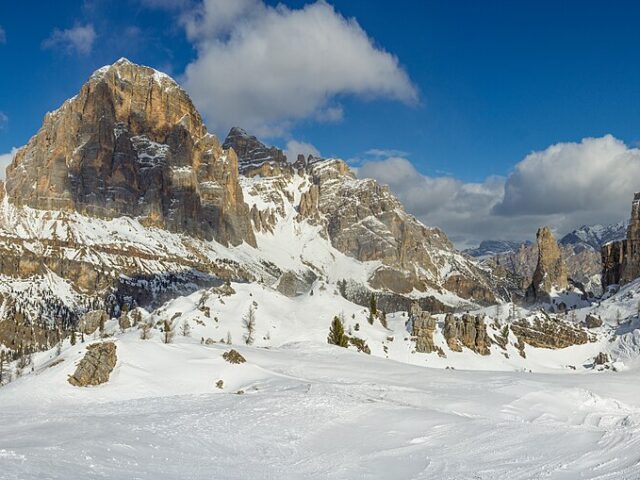
Best time: Year-round; in winter a snow-covered plateau, in summer clear views.
Cost: Reservation for panorama carriages payable in addition to the ticket (please verify).
Safety: A comfortable, safe train journey; for the return, plan cross-border connections.
Tips:
- Ask in advance for a seat on the right side, the highlights switch sides
- Combined ticket with the postbus from Tirano to Lugano possible
Background & History
The Bernina Express connects the Swiss canton of Graubünden with the Italian town of Tirano, crossing the high Bernina Pass without a rack rail, an engineering feat of the first rank. The line belongs to the Rhaetian Railway, whose routes in the Albula and Bernina region have been a UNESCO World Heritage Site since 2008, recognised as an outstanding example of how a railway can open up an extreme high-mountain region while being harmoniously integrated into the landscape. The Bernina Railway was opened at the beginning of the 20th century and electrically operated from the very start, which was remarkable for its time.
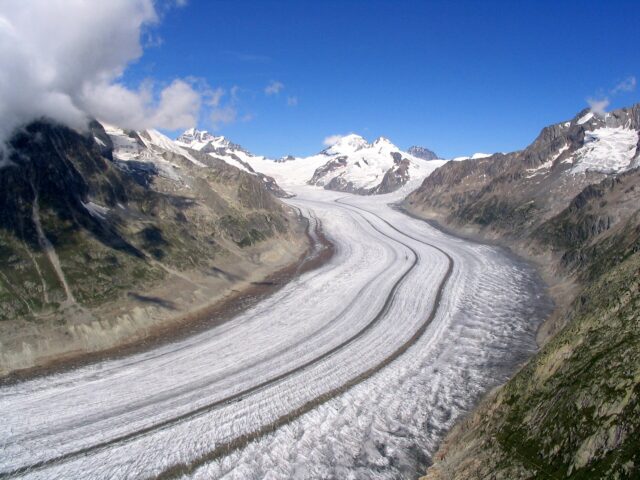
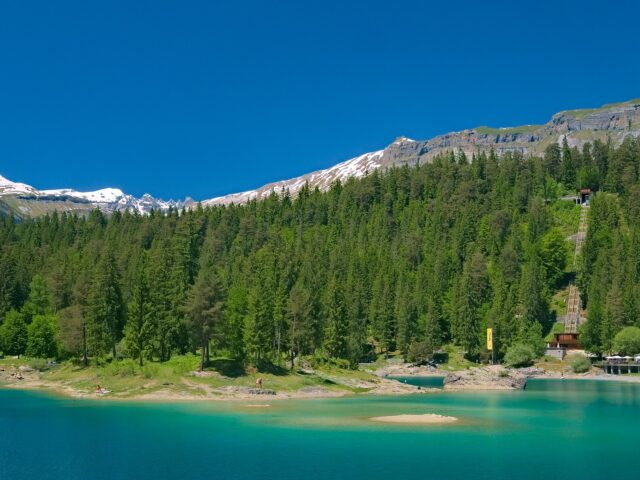
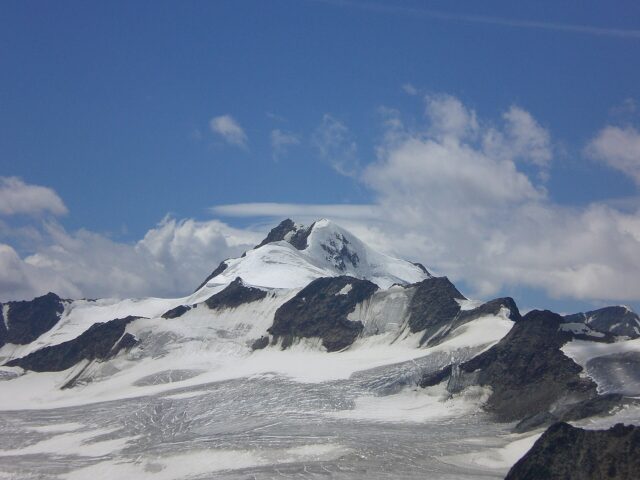
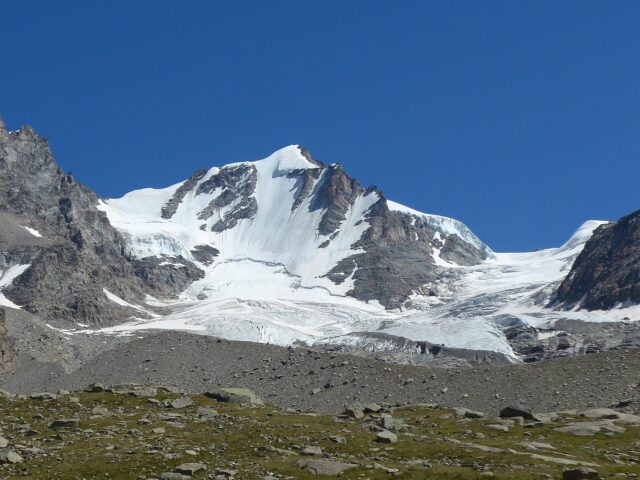
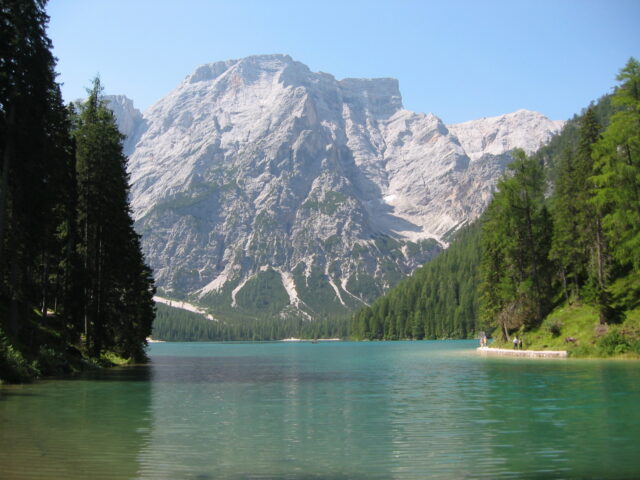
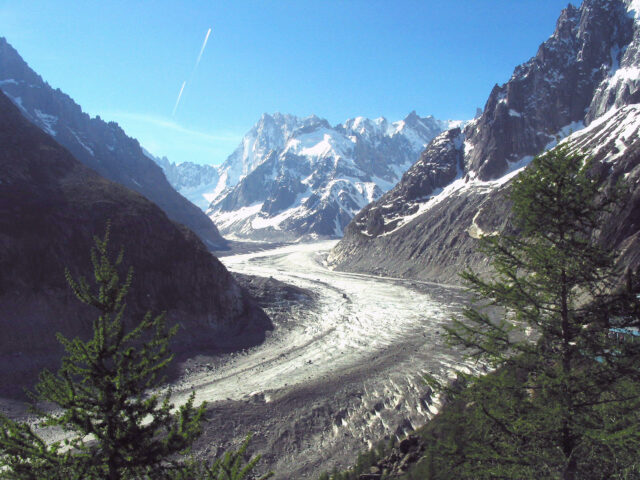
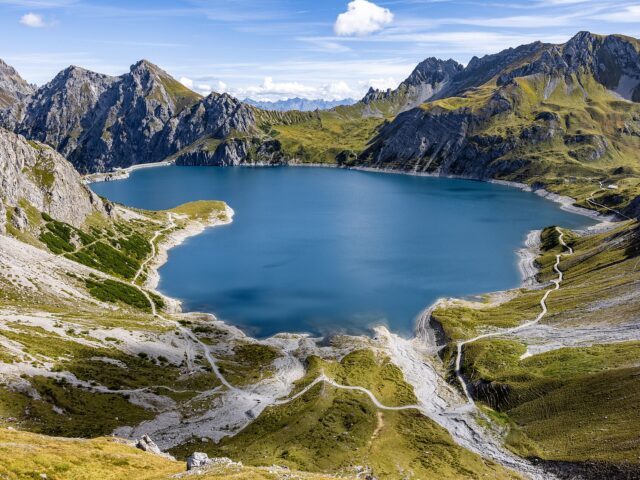
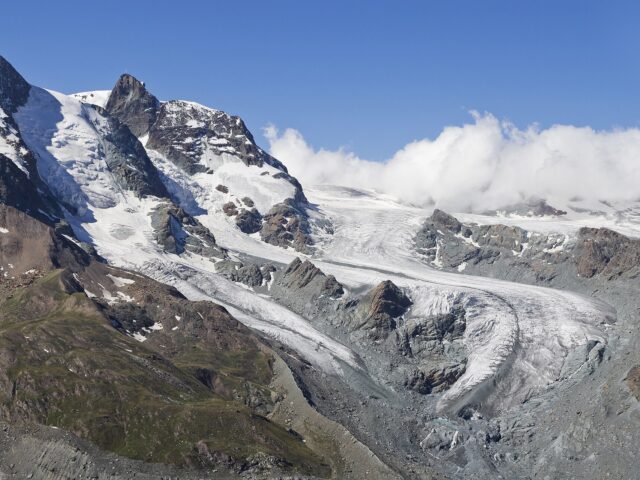
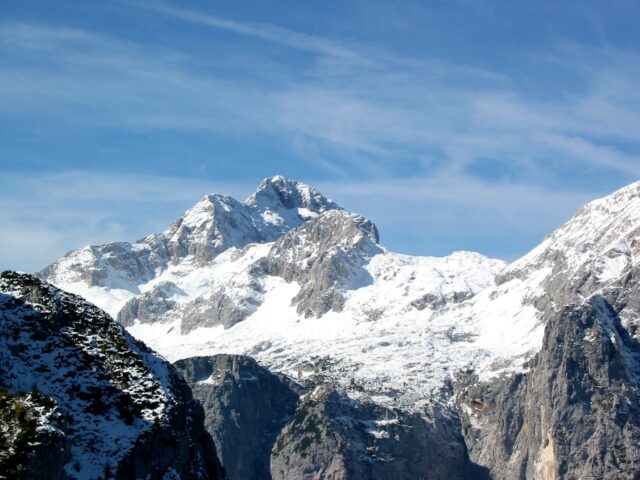
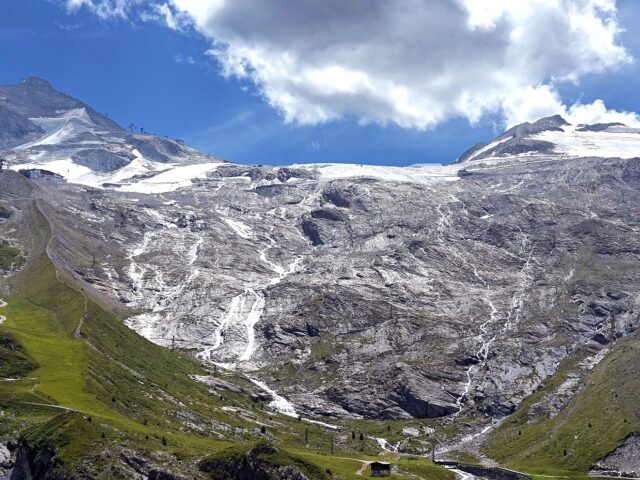
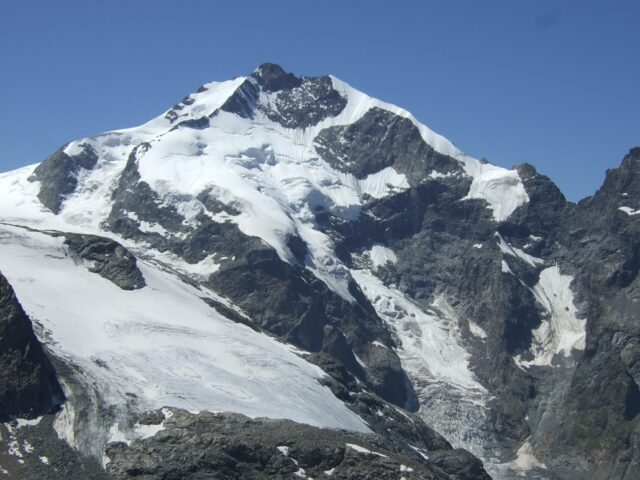
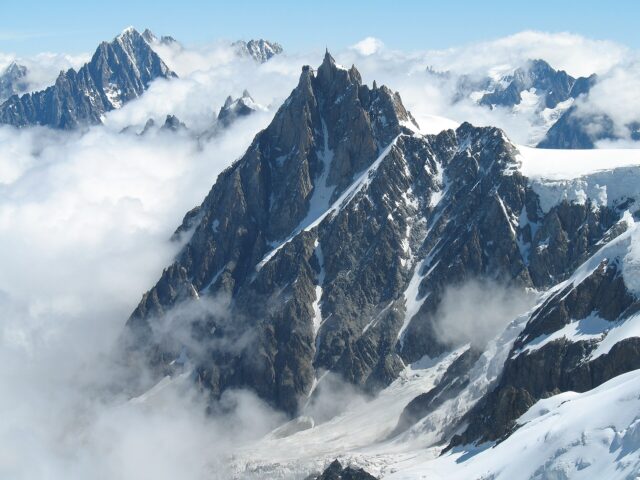
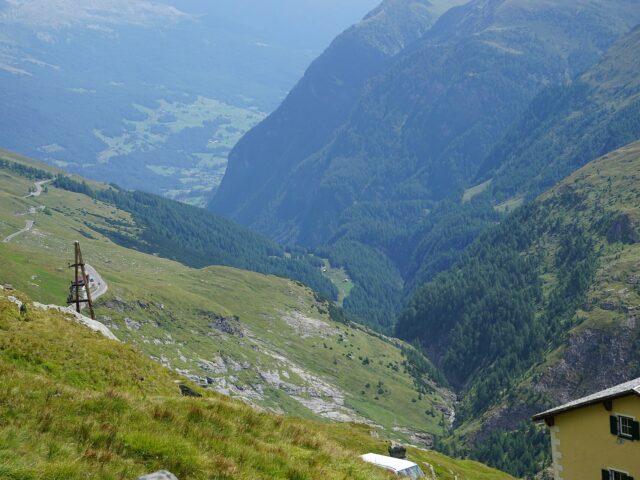
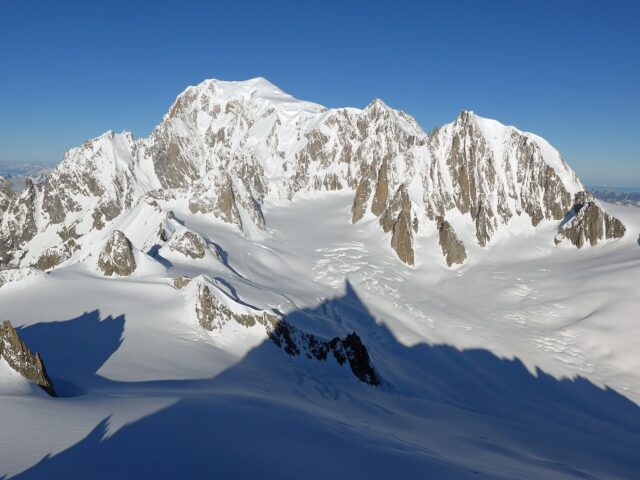
In just a few hours' journey the train crosses almost all the climatic zones of the Alps, from the glaciers of the Bernina massif to the palms and vineyards of the southern valleys. Spectacular is the Brusio circular viaduct, an open spiral arch with which the railway loses height in the closest space without forcing too steep a gradient. Past the deep-blue Lago Bianco at the top of the pass and the ice world of the Morteratsch Glacier, the route leads down into the warmer valleys of the Valtellina. This bold routing, which once linked remote mountain regions with one another, makes the journey to this day an experience of the history of both technology and landscape.
To make your trip run smoothly , our guides and gear tips for this destination: