Val Müstair & St. John's Convent
UNESCO World Heritage in the far south-east
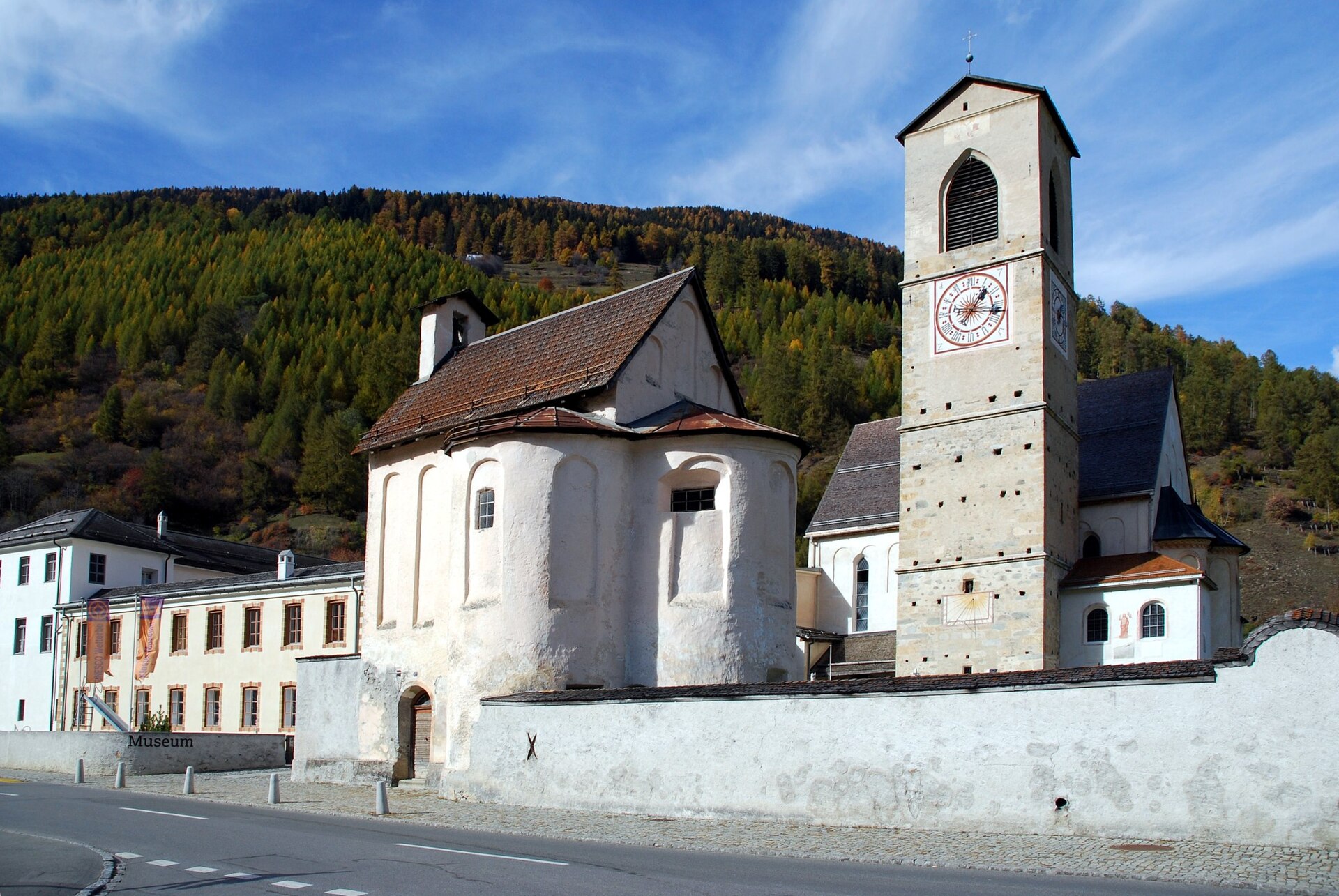
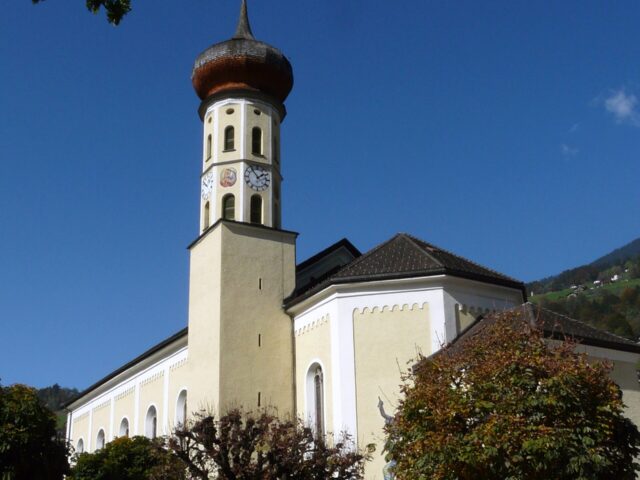
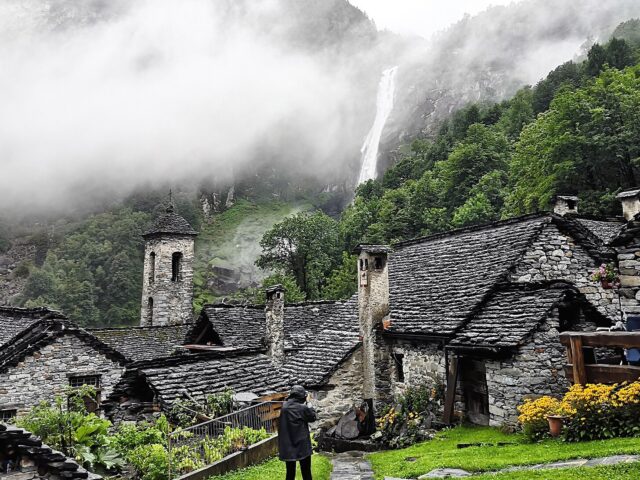
Photo: Wladyslaw / Wikimedia Commons (CC BY-SA 3.0)
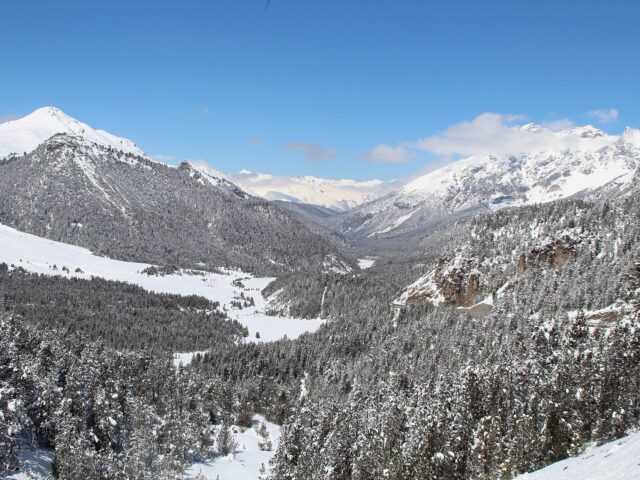
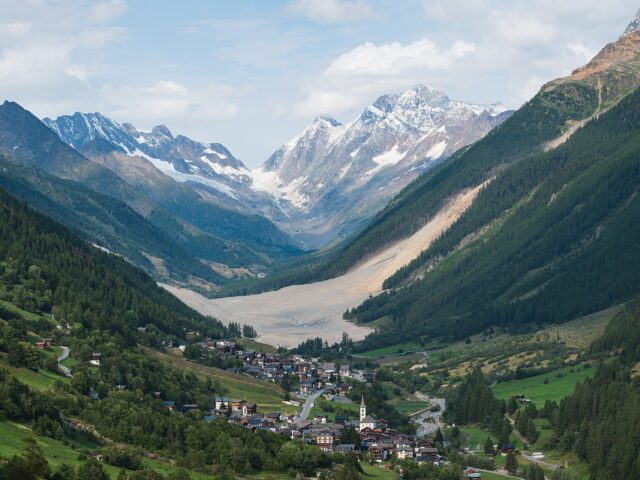
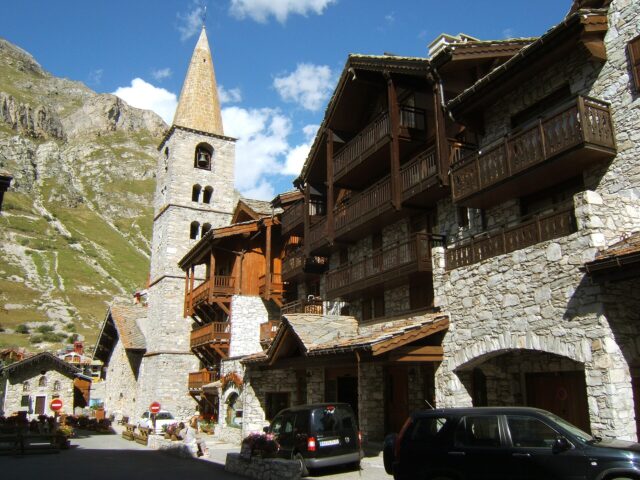
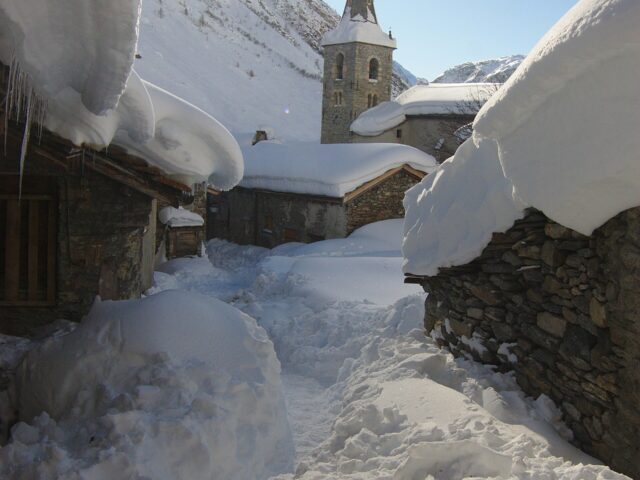
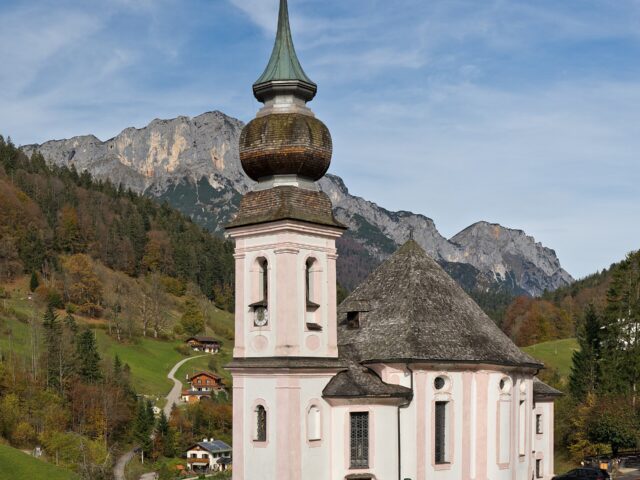
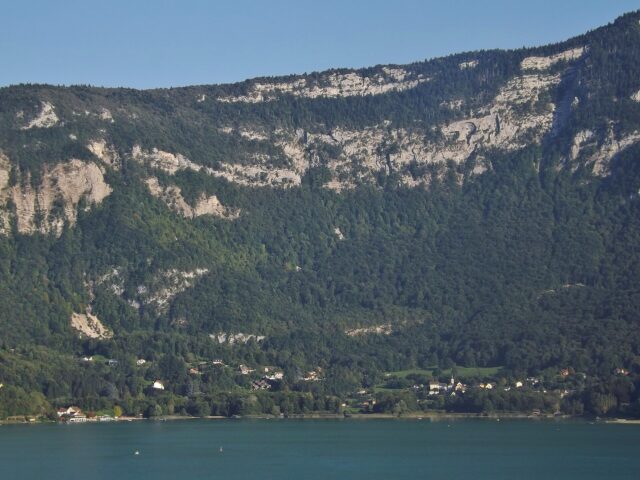
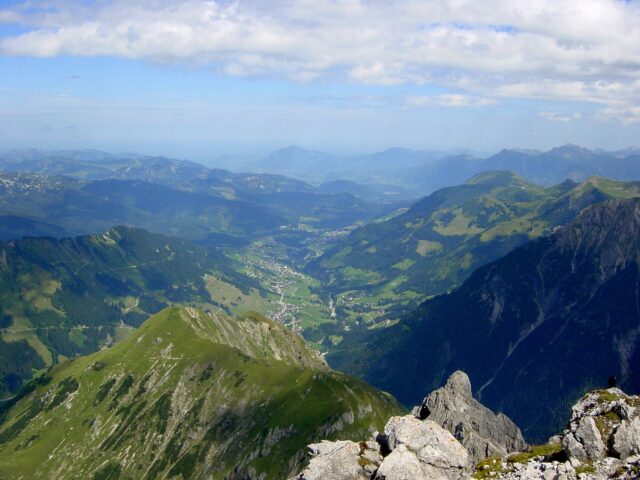
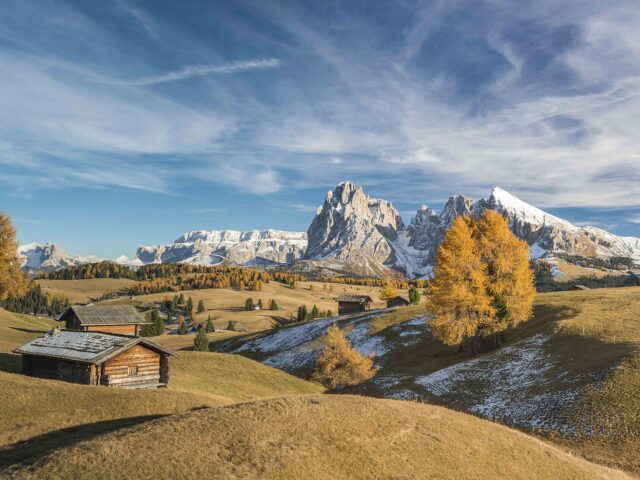
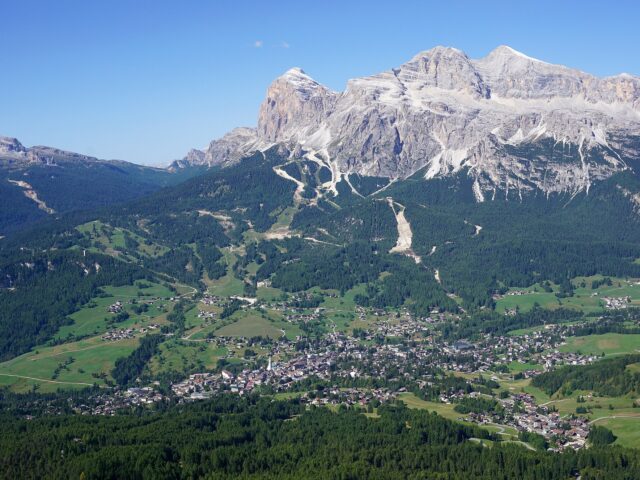
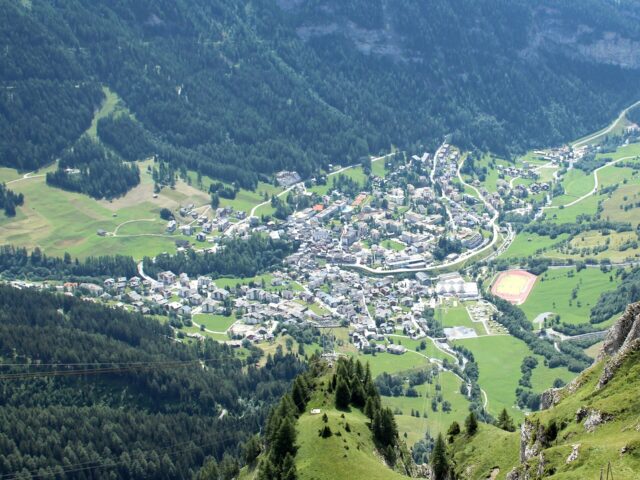
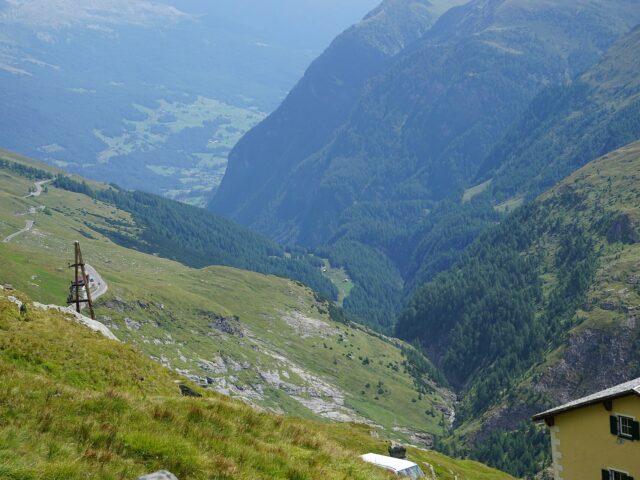
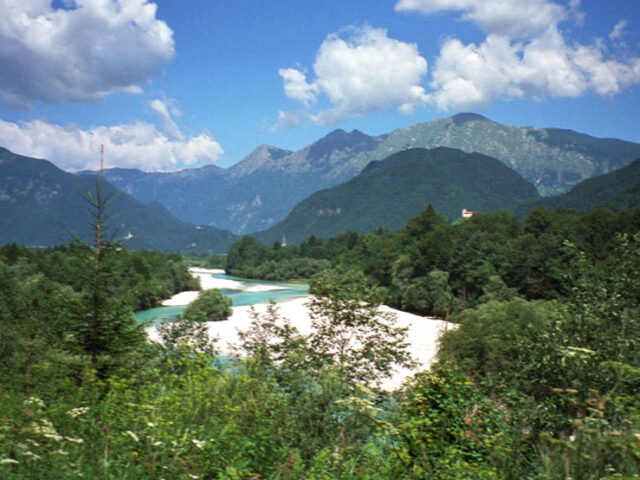
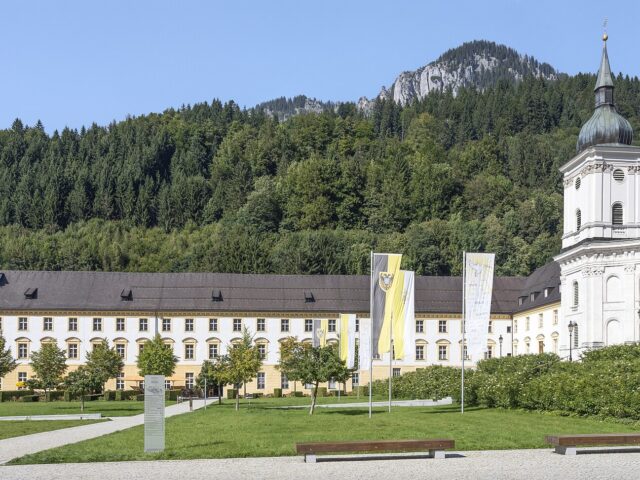
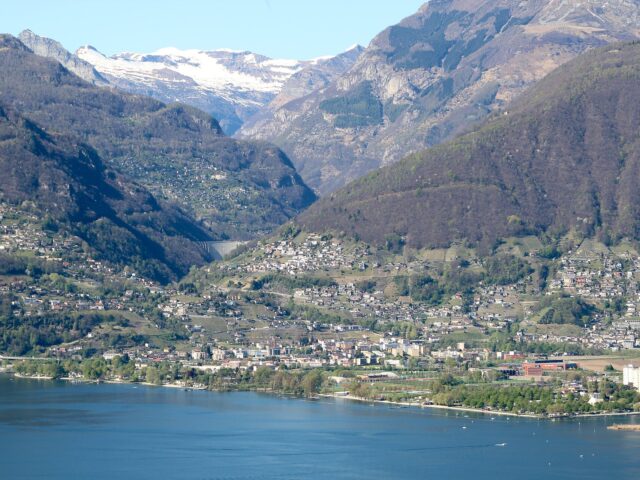
Val Müstair in the far south-east corner of Switzerland is home to the Benedictine convent of St. John in Müstair, whose Carolingian frescoes from the 8th century have been a UNESCO World Heritage Site since 1983. The quiet valley borders the Swiss National Park and keeps Romansh culture alive.
Highlights
- St. John's Convent with Carolingian frescoes (UNESCO)
- Romansh valley and convent culture
- Close to the Swiss National Park
- Quiet, unspoilt high valley
Good to know
| World Heritage | St. John's Convent (since 1983) |
| Era | Carolingian frescoes (8th c.) |
| Location | Val Müstair, Graubünden |
| Nearby | Schweizerischer Nationalpark, Ofenpass |
Practical info
Getting there: Over the Ofen Pass from the Engadin; by postbus from Zernez.
Best time: May to October; convent year-round.
Cost: Convent museum payable (please verify).
Safety: Uncomplicated; pass road partly tricky in winter.
Tips:
- Combine with a visit to the Swiss National Park
Background & History
In the far south-east of Switzerland, away from the great traffic axes, lies the Val Müstair, a quiet valley that opens towards Italy and in which Romansh is spoken. Its greatest treasure is the Monastery of St John in Müstair, a Benedictine monastery whose origins, according to tradition, go back to Charlemagne. On account of its exceptionally well-preserved early medieval wall paintings, the most extensive Carolingian fresco cycle that has survived, the monastery complex is a UNESCO World Heritage Site.
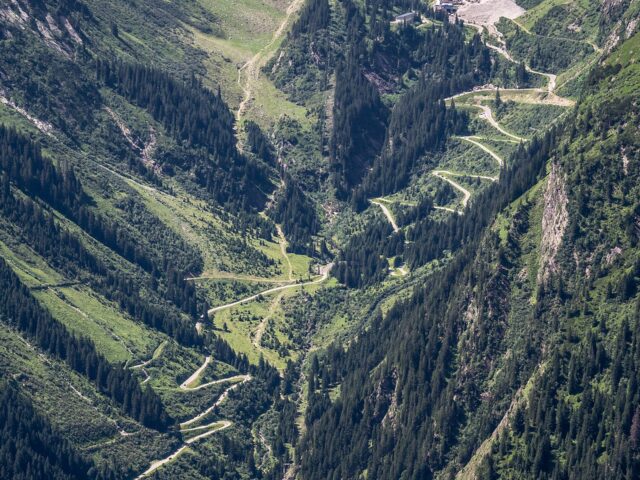
The valley lies nestled between the Swiss National Park and the wide forests on the Italian border, far from bustle and mass tourism. For centuries the people here lived from agriculture, livestock farming and trade over the nearby Ofen Pass. Its secluded position preserved not only the Romansh language but also old customs and an unspoiled cultural landscape. It is also remarkable that the monastery was run as a convent for centuries, thus preserving a rare continuity of monastic life over more than a thousand years. So the Val Müstair is a place where history lives on palpably: in the millennia-old frescoes as well as in the voices that still speak one of the oldest languages of the Alps.
To make your trip run smoothly , our guides and gear tips for this destination: