Kleinwalsertal
Austrian valley, reachable only from Germany
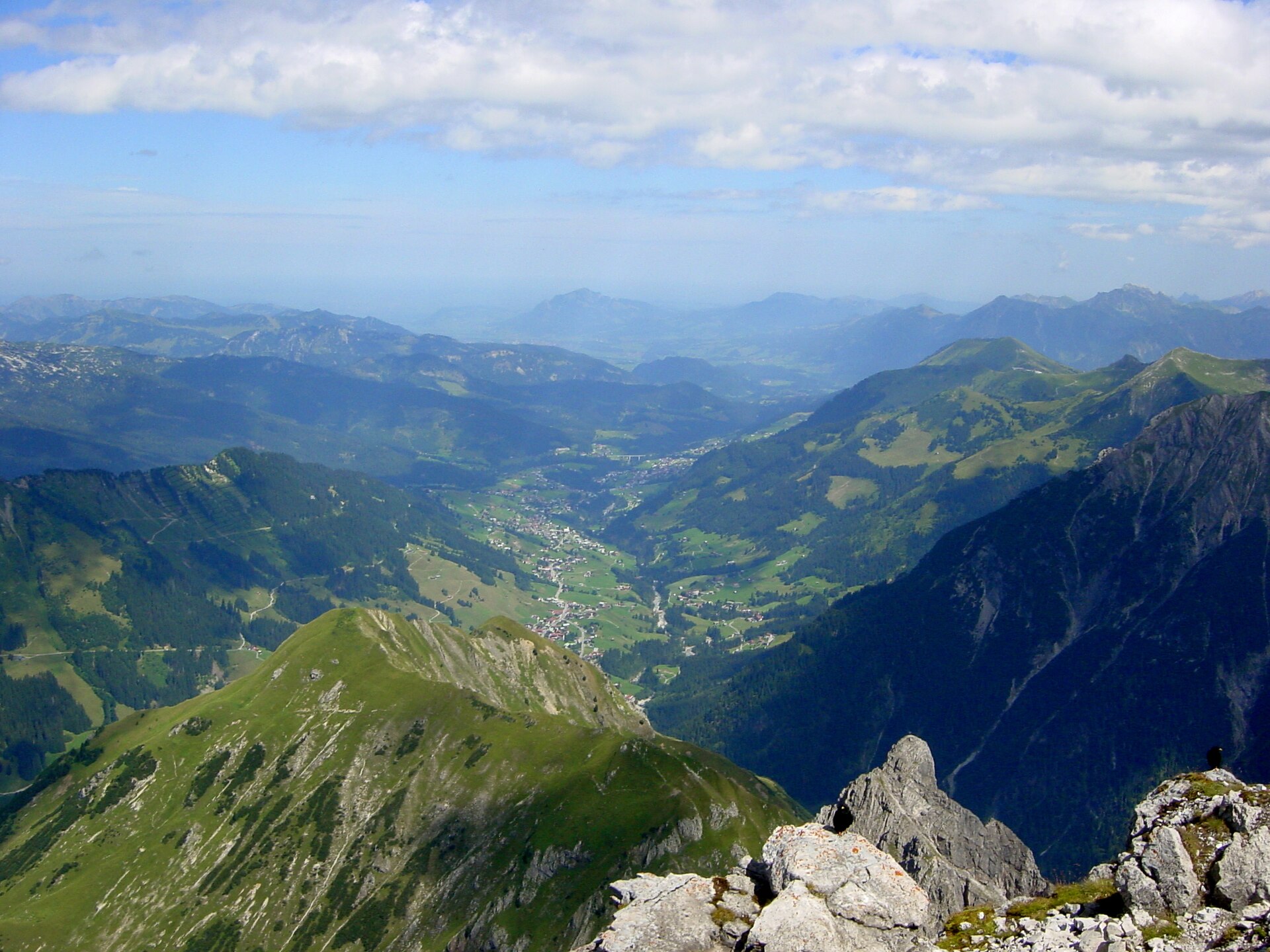
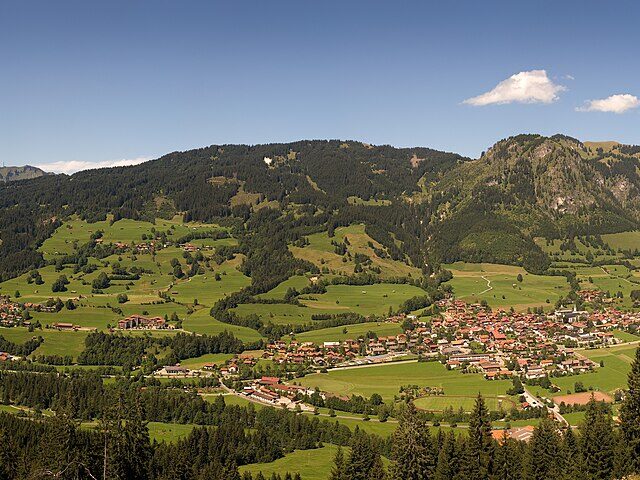
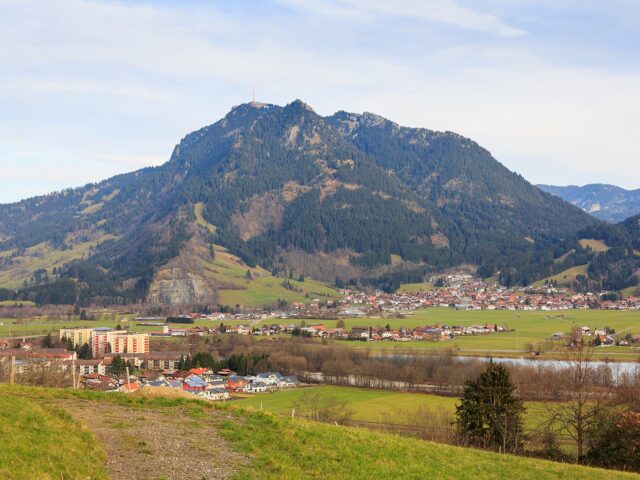
Photo: Christoph Lingg / Wikimedia Commons (CC BY 2.5)
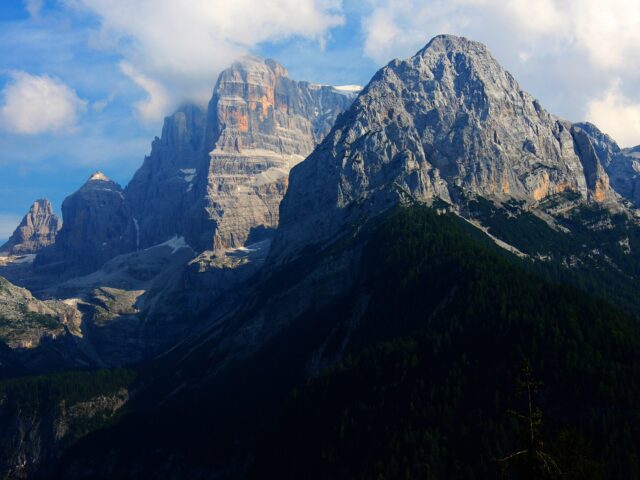
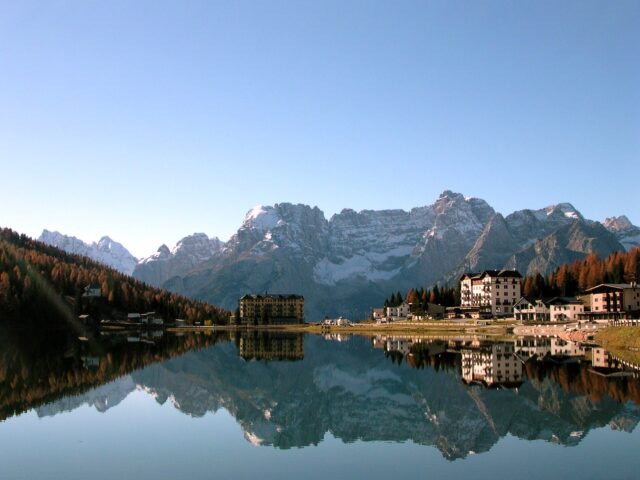
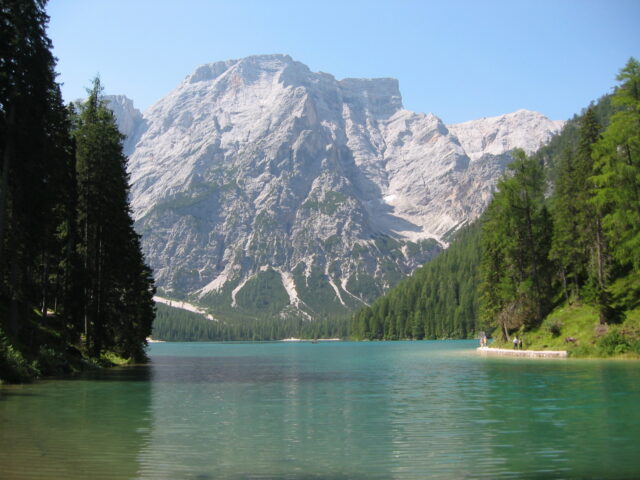
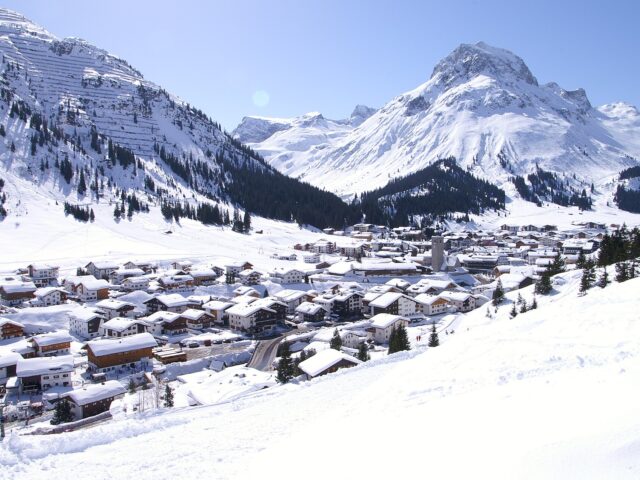
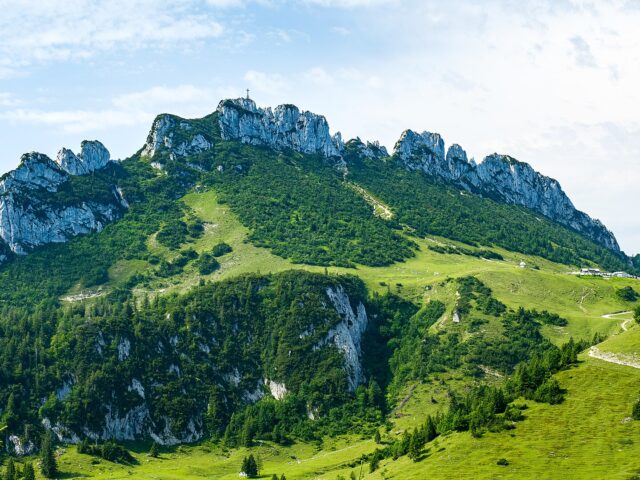
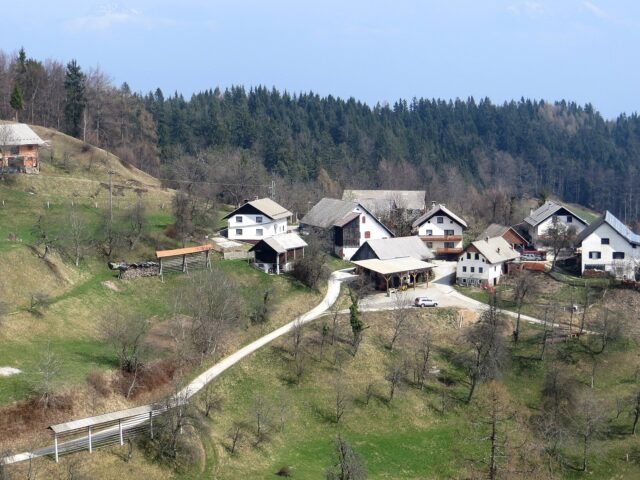
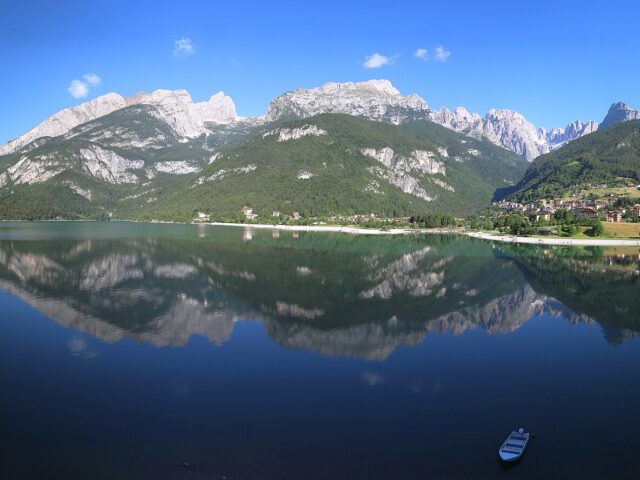
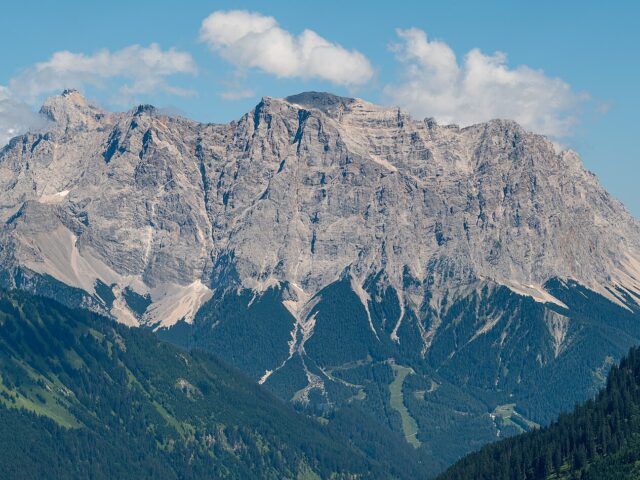
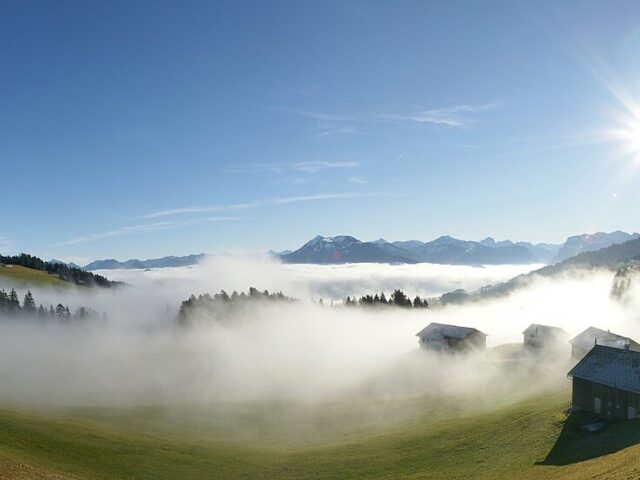
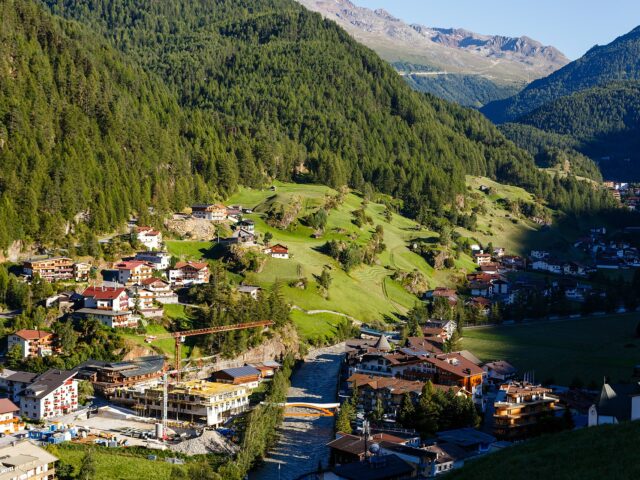
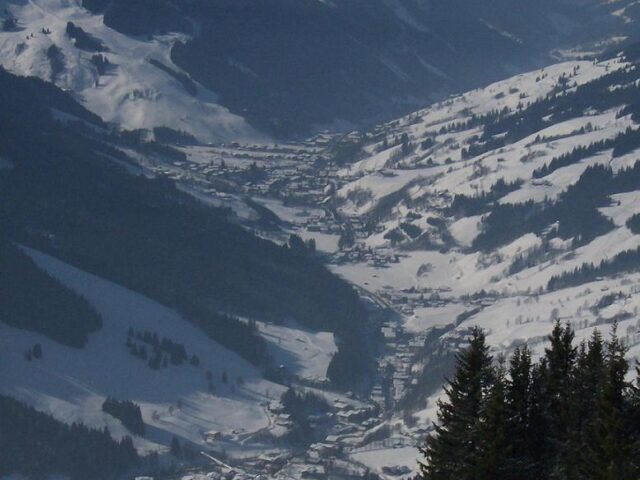
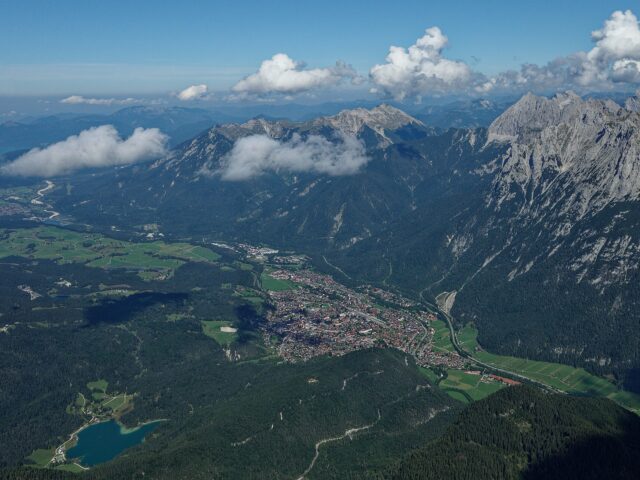
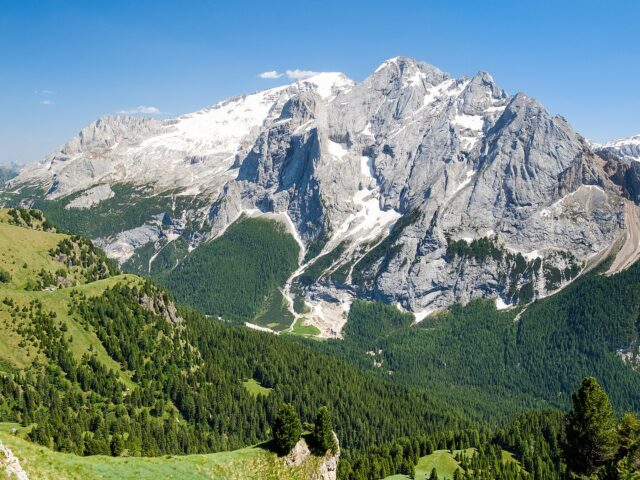
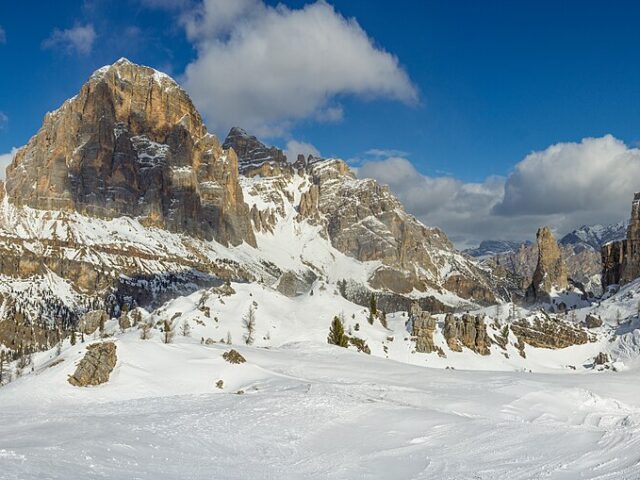
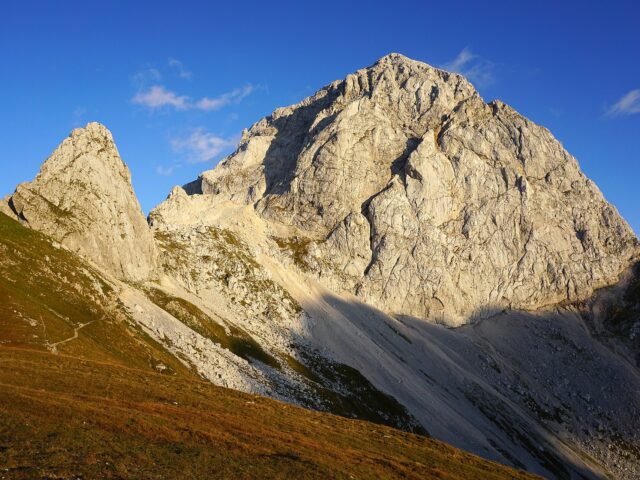
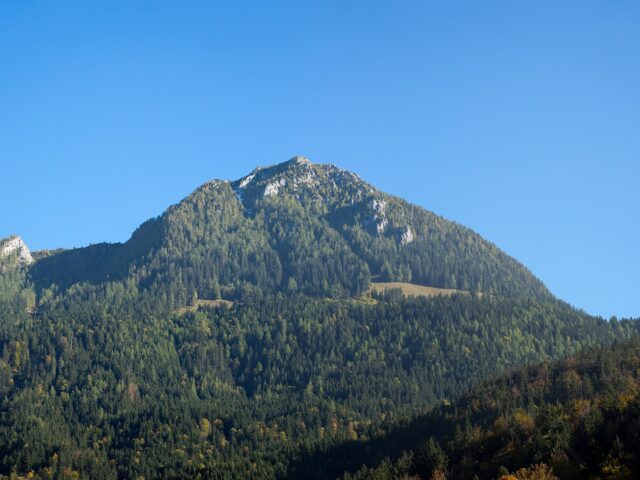
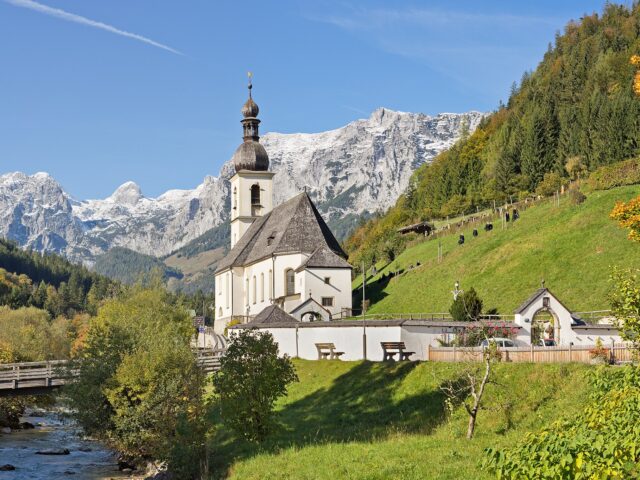
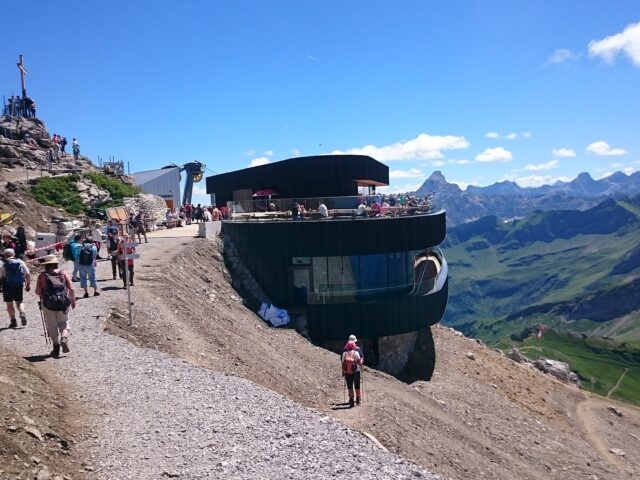
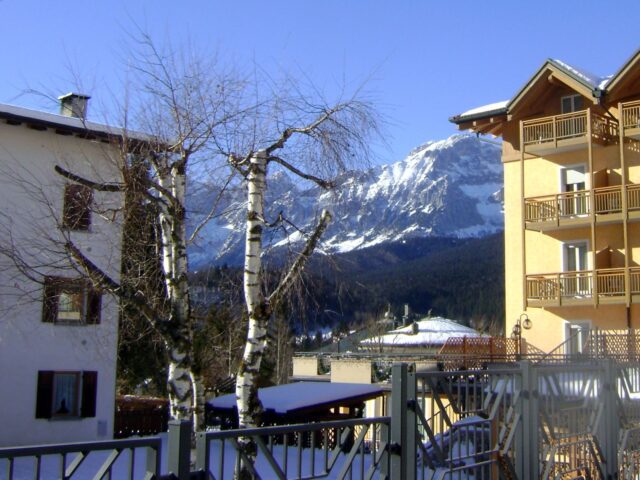
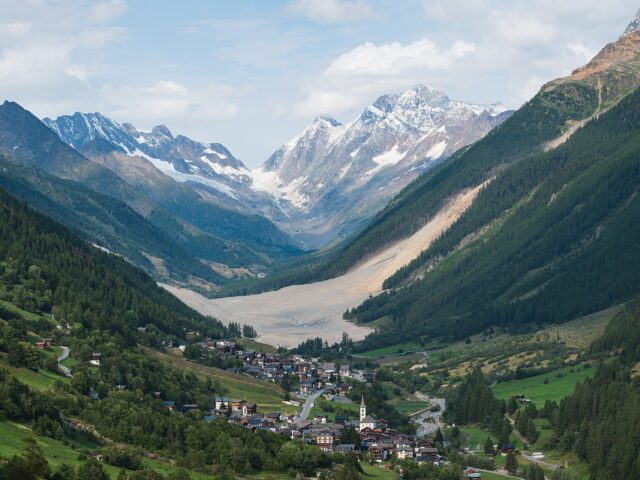
The Kleinwalsertal is a geographical curiosity: the Austrian high valley is reachable by road only from Oberstdorf in Germany. Founded by Walser settlers, it forms a shared ski and hiking area with Allgäu's Oberstdorf, before the backdrop of the Widderstein and Ifen.
Highlights
- High valley reachable only via Germany
- Shared area with Oberstdorf
- Walser culture and history
- Hiking and skiing before the Widderstein and Ifen
Good to know
| Special feature | reachable only from Oberstdorf (Germany) |
| Culture | Walser |
| Mountain range | Allgäu Alps |
| Region | Vorarlberg |
Practical info
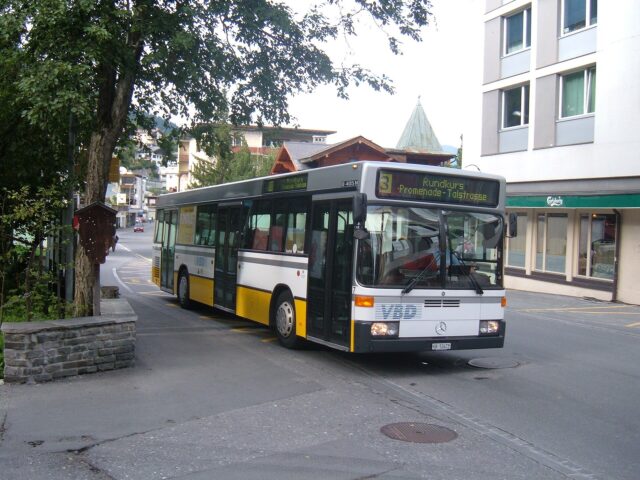
Getting there: By train to Oberstdorf, then by the Walser bus into the valley.
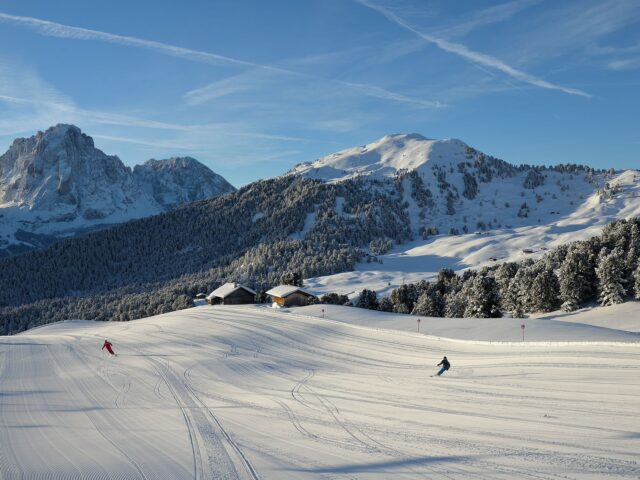
Best time: Hiking June to October; skiing December to April.
Cost: Mountain railways payable (please verify).
Safety: Family-friendly hiking area.
Tips:
- The guest card often includes the Walser bus
Background & History
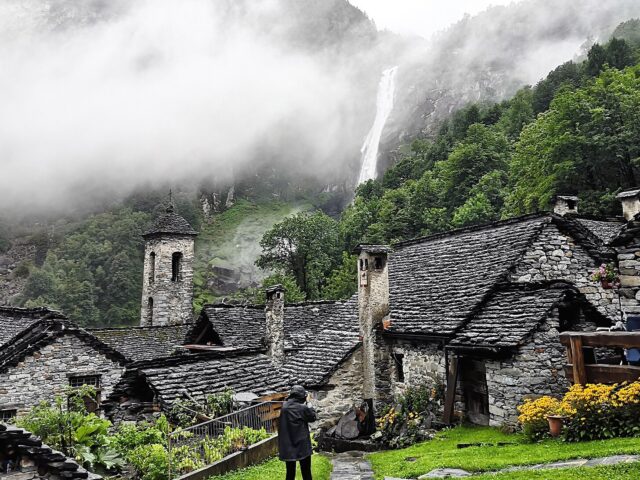
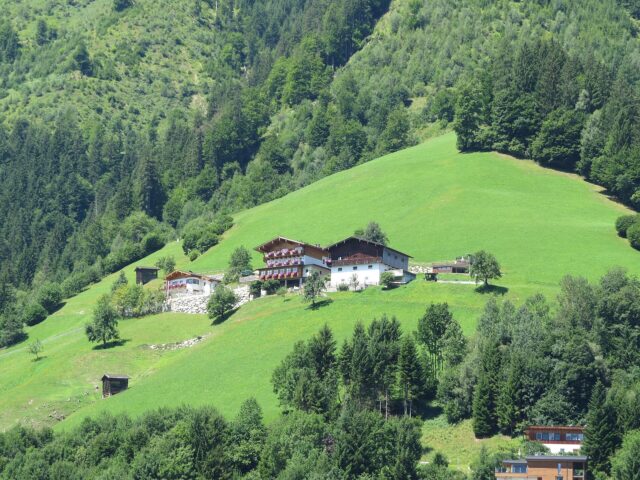
The Kleinwalsertal is a geographical curiosity: politically it belongs to Austrian Vorarlberg, yet by road it can only be reached via the German town of Oberstdorf, which is why one speaks of a “functional enclave” and why the valley was for a long time even economically more closely tied to Bavaria than to Austria. It takes its name from the Walser, that Alemannic mountain people who immigrated from the Valais over the passes in the High Middle Ages and founded an independent culture, dialect and building style in remote high valleys.
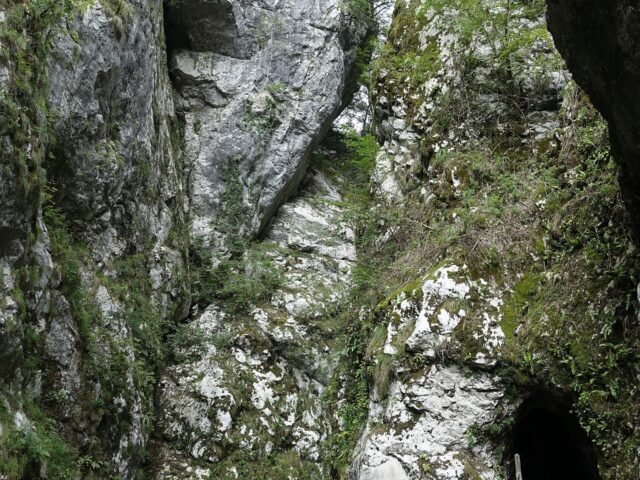
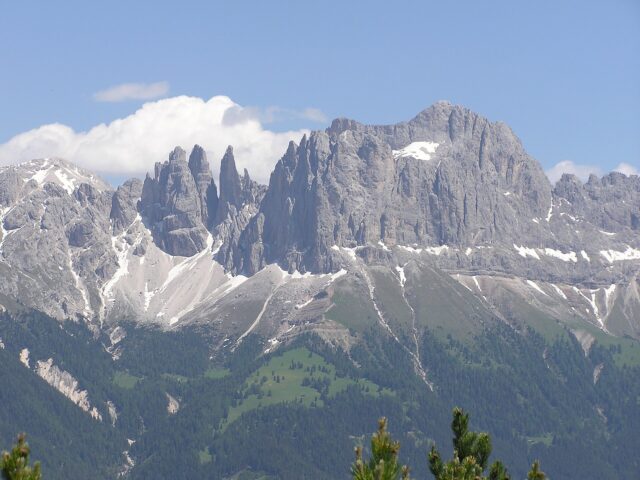
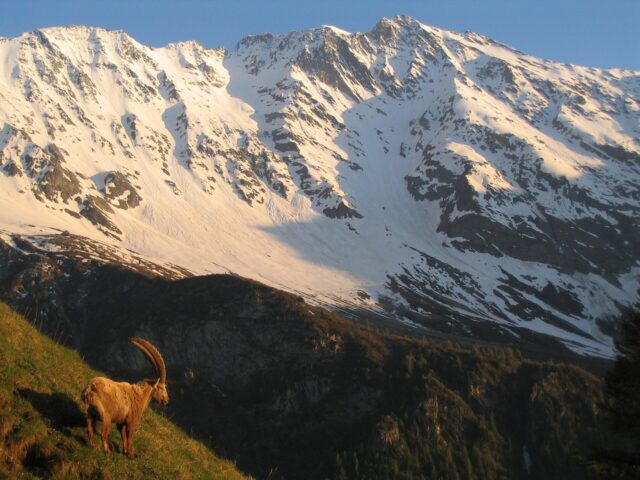
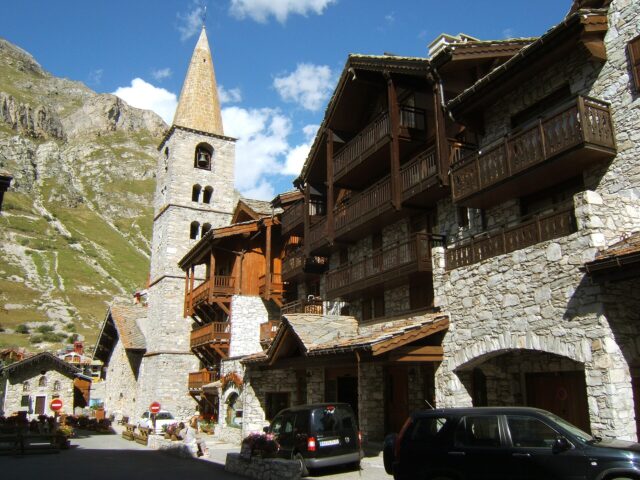
The Walser brought their experience of life on the steep slope with them and settled places that seemed too harsh to others, and to this day the dark, weathered wooden houses of Riezlern, Hirschegg and Mittelberg bear witness to this tenacious settlement history. Above the valley rise the striking limestone walls of the Hoher Ifen with its famous Gottesacker plateau, a rugged karst landscape of furrowed rock that resembles a petrified wave landscape and fascinates geologists and hikers alike. In the high regions live chamois and marmots, and in summer a carpet of alpine flowers covers the meadows. This special position between two states, combined with the living Walser tradition and a distinct dialect still cultivated today, gives the valley an identity that feels neither wholly Austrian nor wholly German, but unmistakably its own.
To make your trip run smoothly , our guides and gear tips for this destination: