Königssee
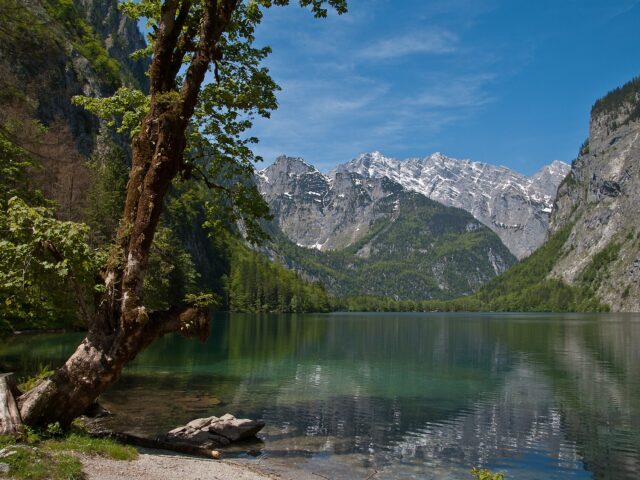
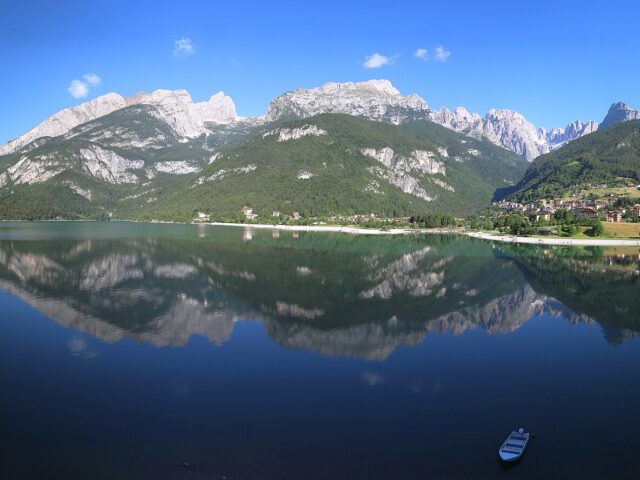
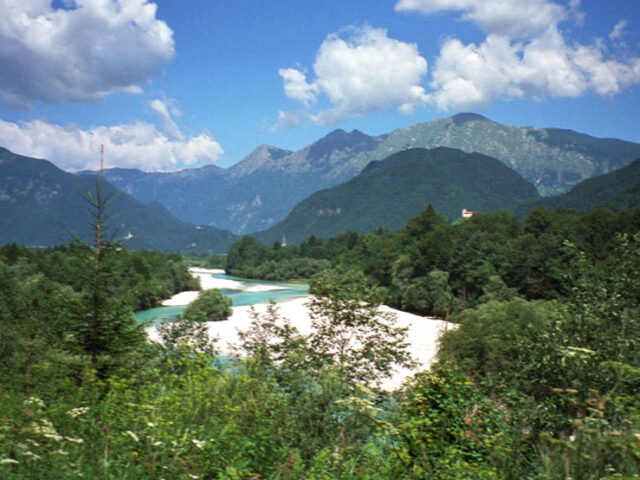
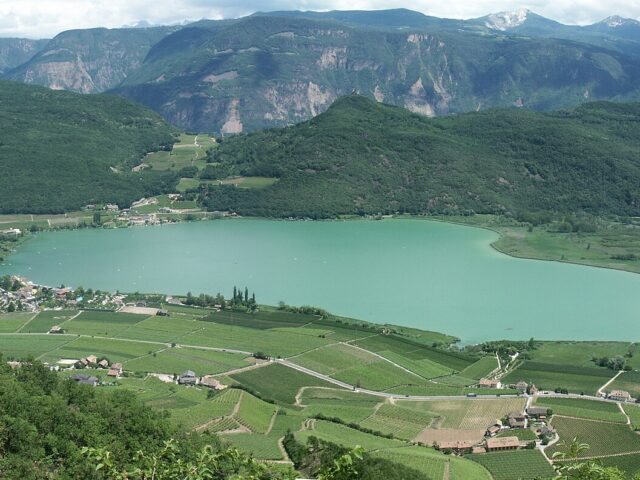
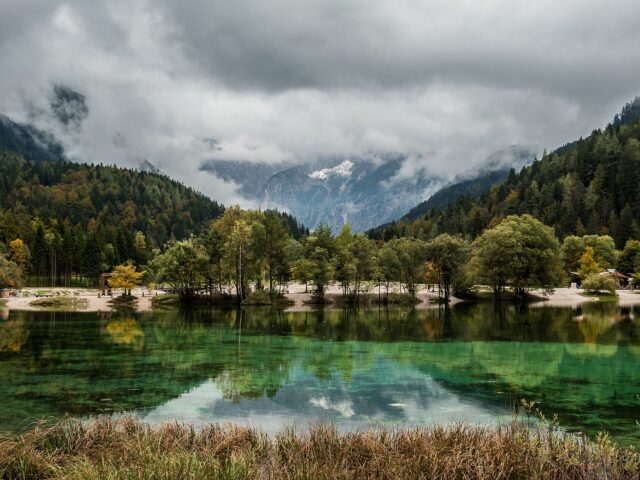
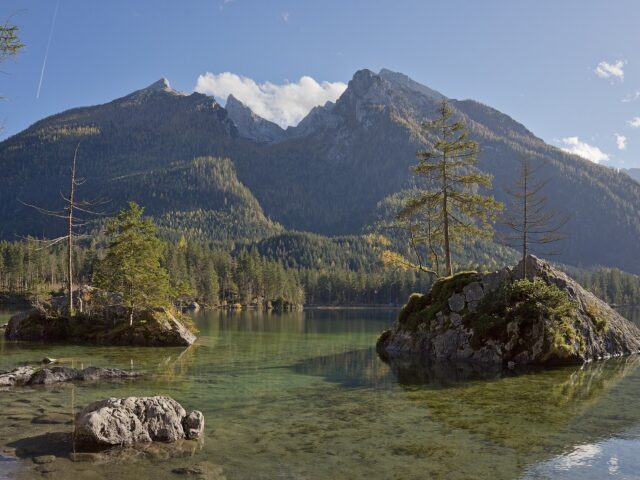
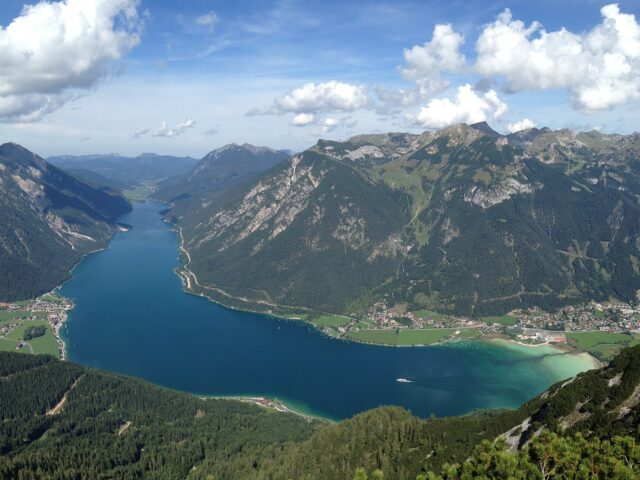
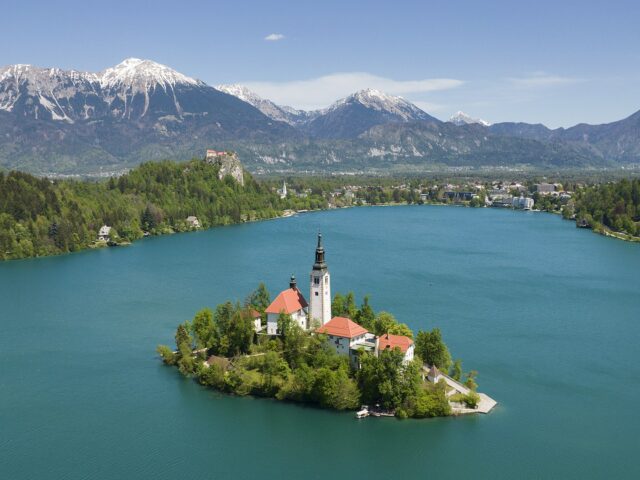
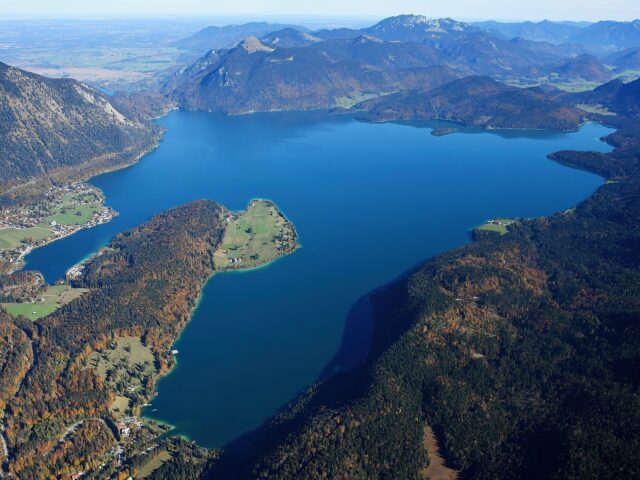
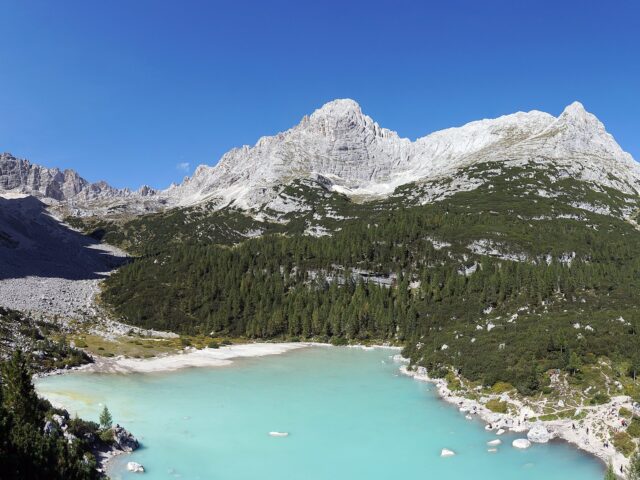
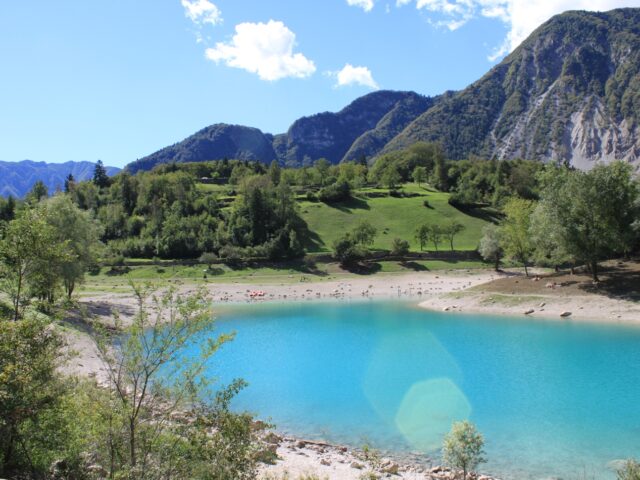
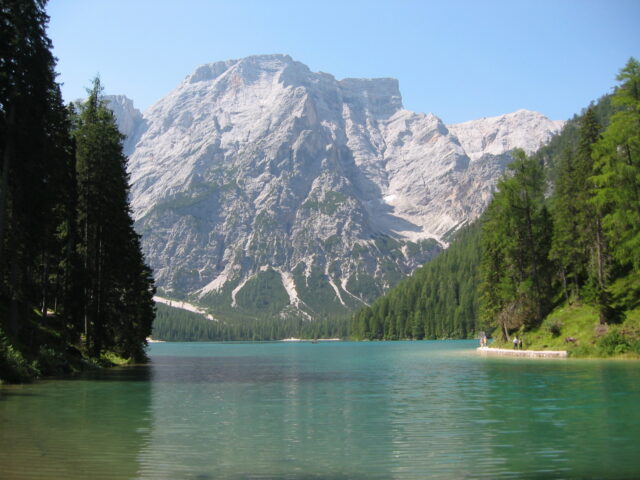
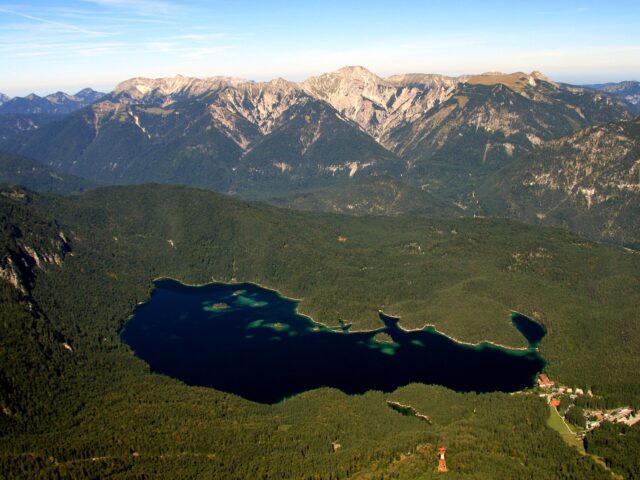
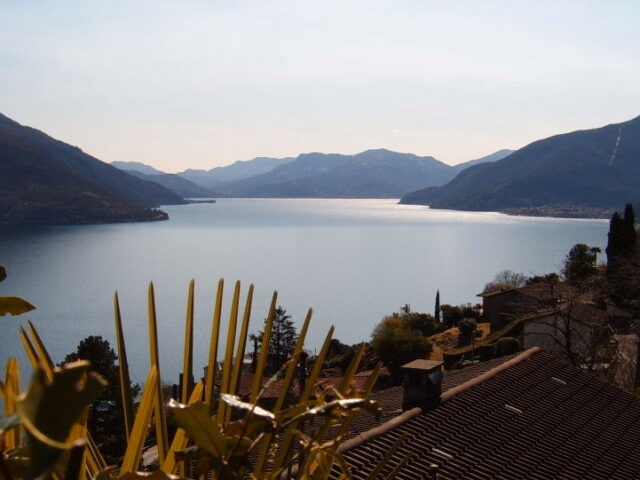
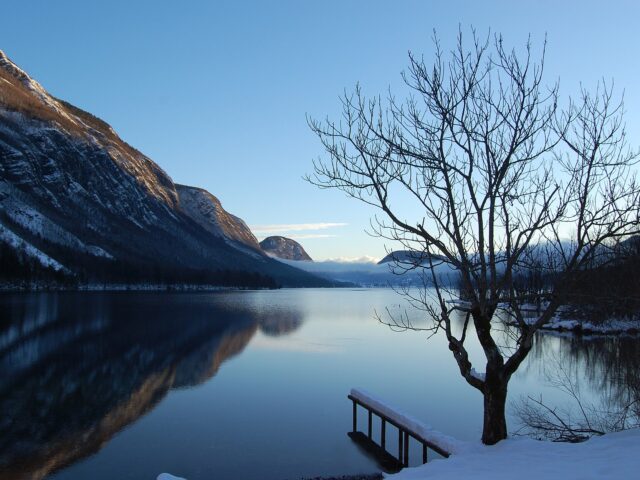
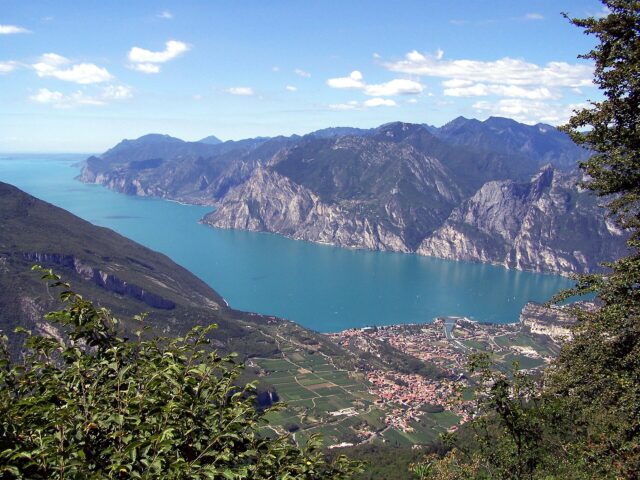
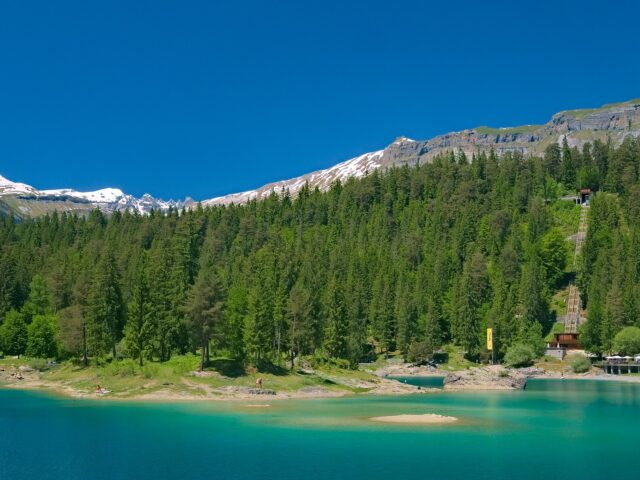
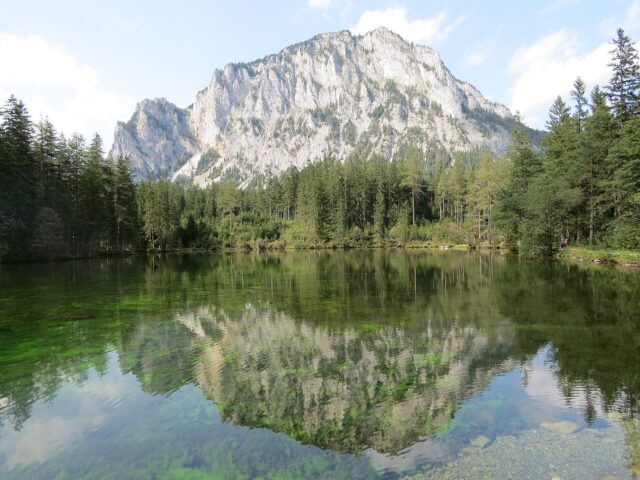
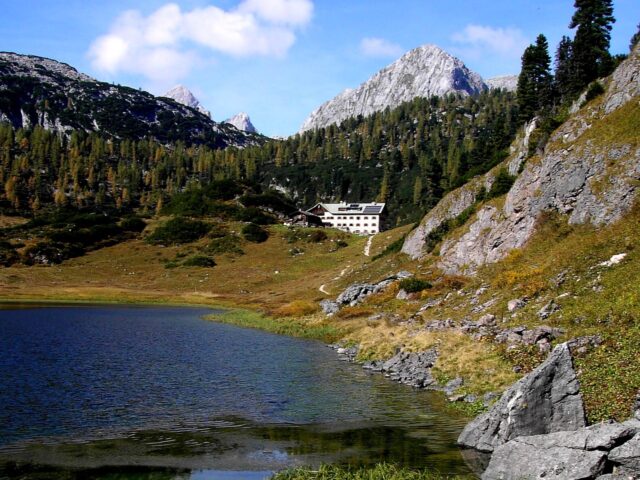
Emerald-green fjord lake in the heart of the Berchtesgaden National Park
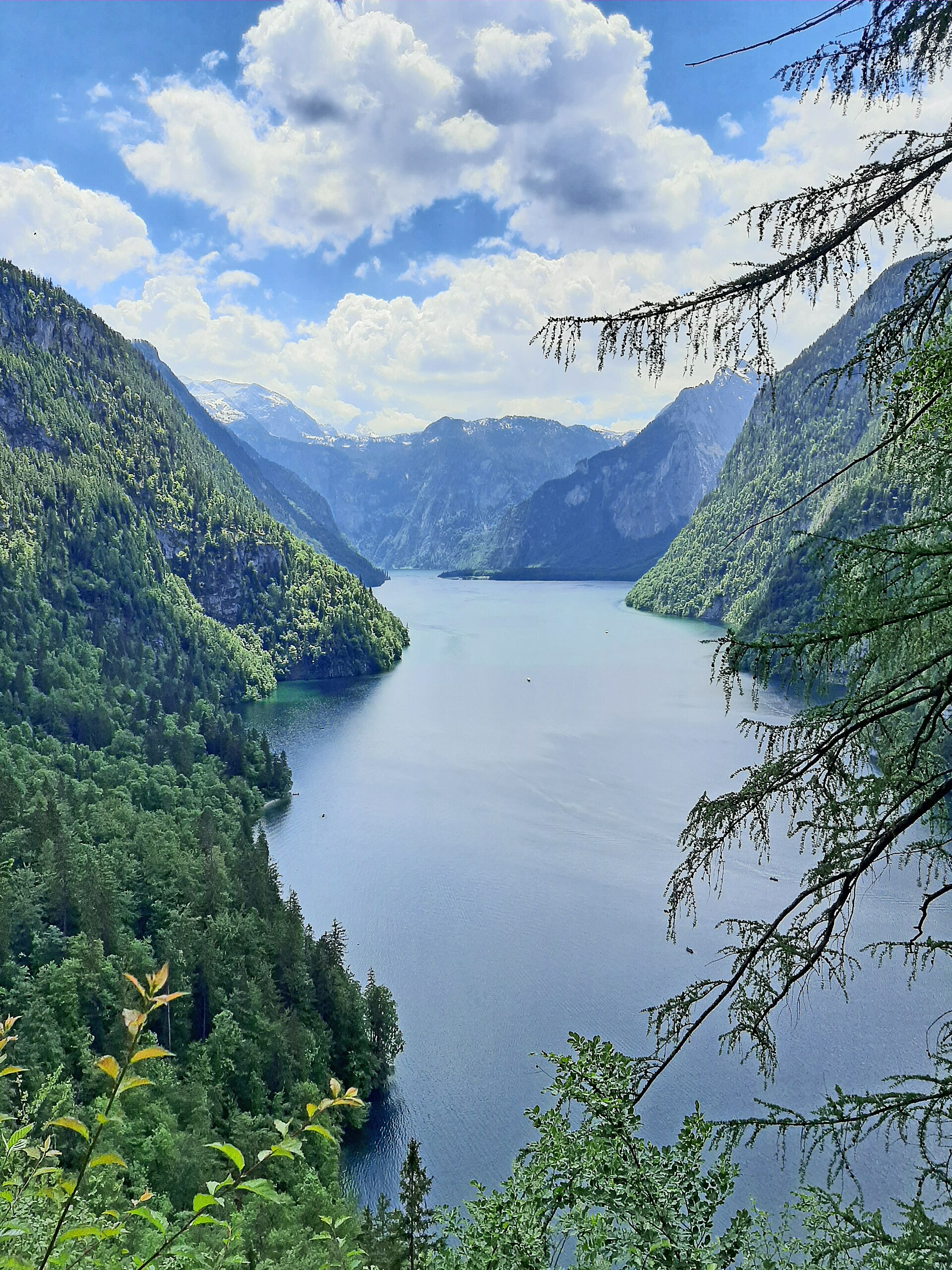
Photo: Mtt1734 / Wikimedia Commons (CC BY-SA 4.0)
Address
Seestraße 55, 83471 Schönau am Königssee
GPS
47.5526, 12.9886
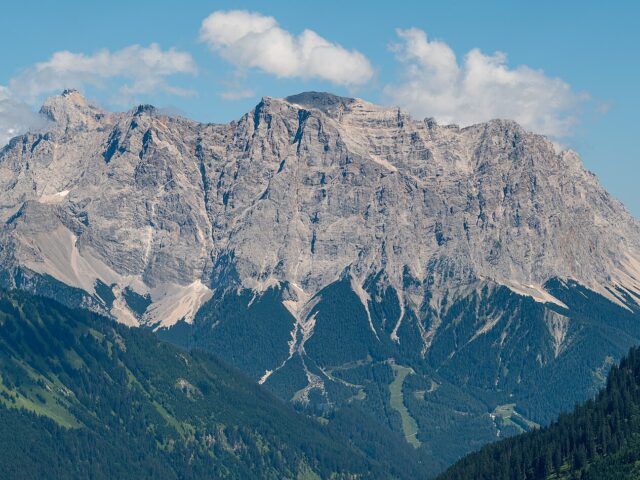
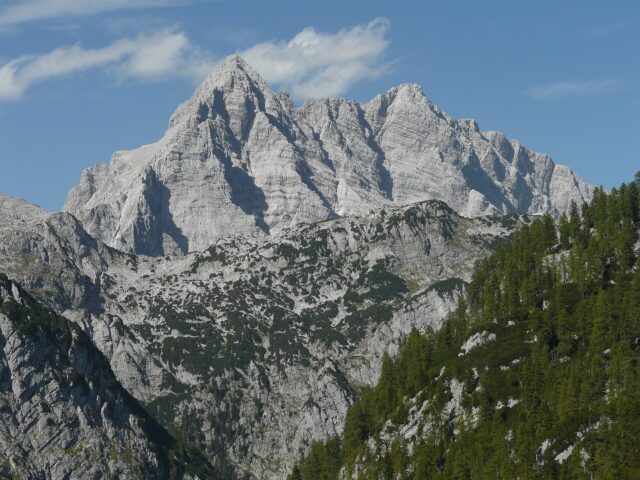
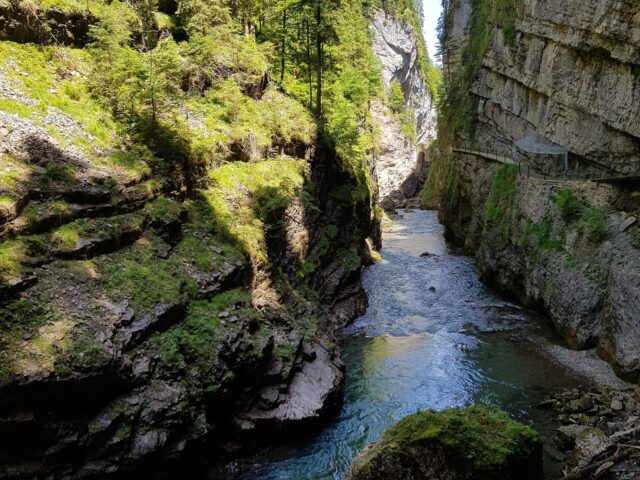
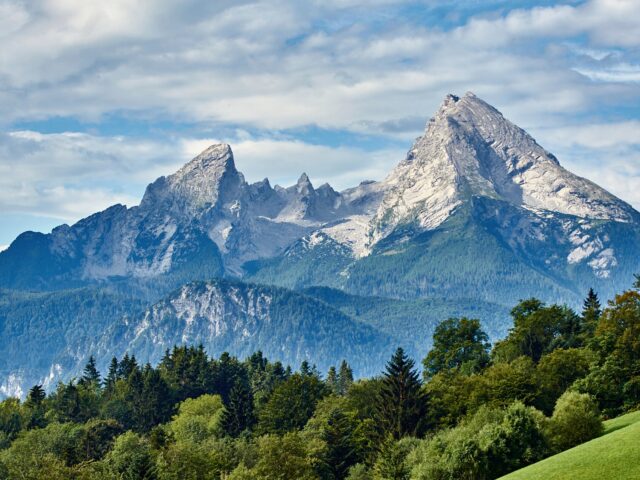
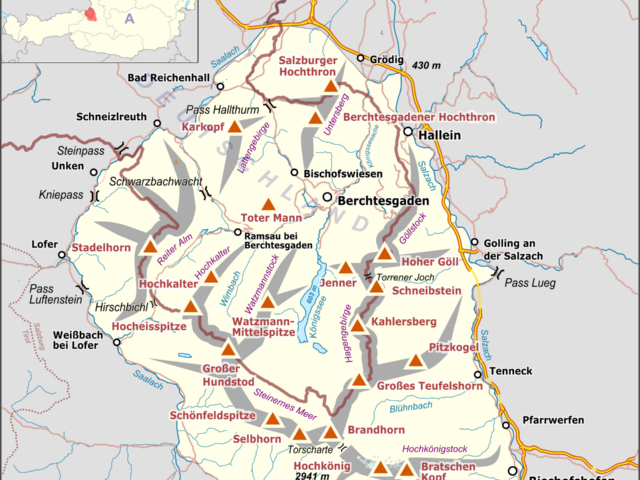
The Königssee is regarded as one of the cleanest and, at up to 190 metres, deepest lakes in Germany. Nestled between the steeply rising walls of the Watzmann massif and the Hagengebirge, it looks like a Nordic fjord that strayed into the Alps.
What makes the Königssee special
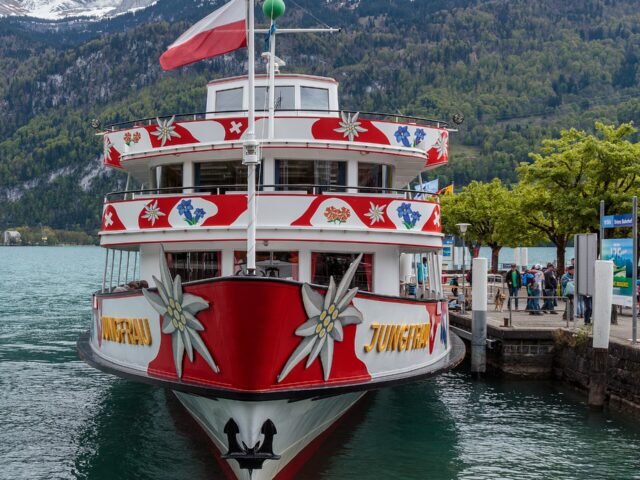
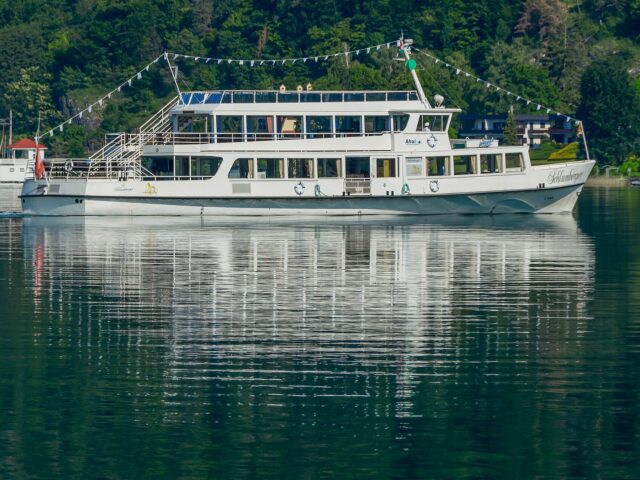
- Electric boats since 1909: For conservation reasons, only quiet electric boats operate on the lake, giving the water drinking-water quality.
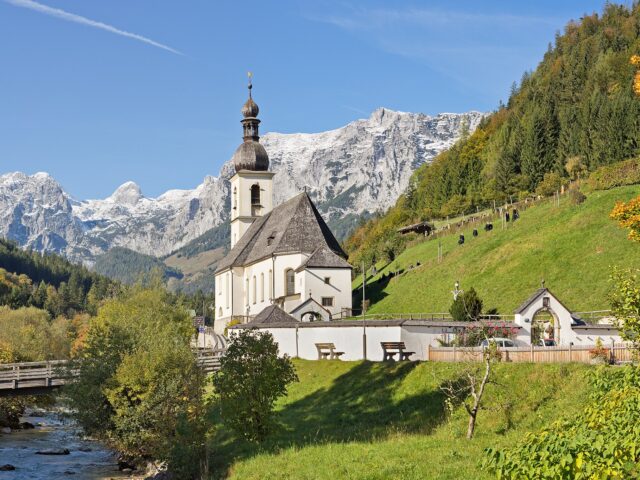
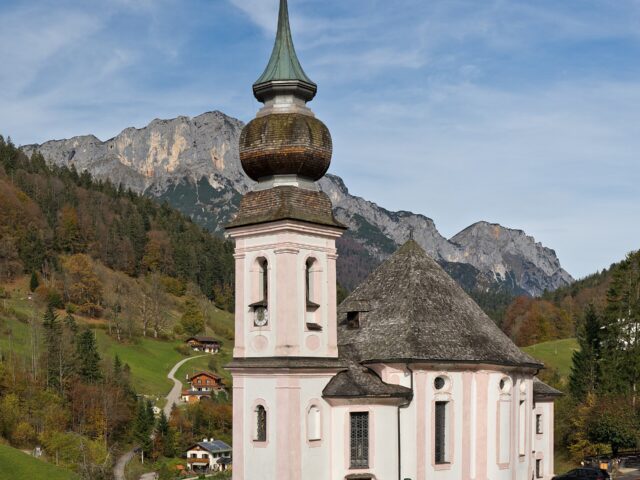
- St. Bartholomä: The striking pilgrimage church with red onion domes on the Hirschau peninsula is the lake's landmark.
- Echo at the Echo Wall: Tradition has it that the boatmen play a flugelhorn melody halfway across; the multiple echo from the steep walls is impressive.
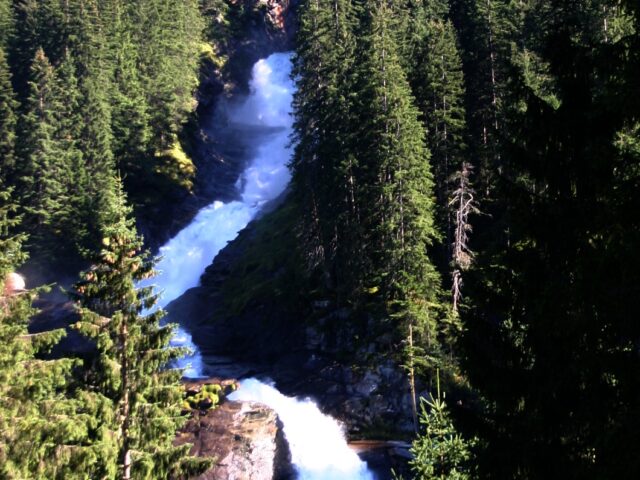
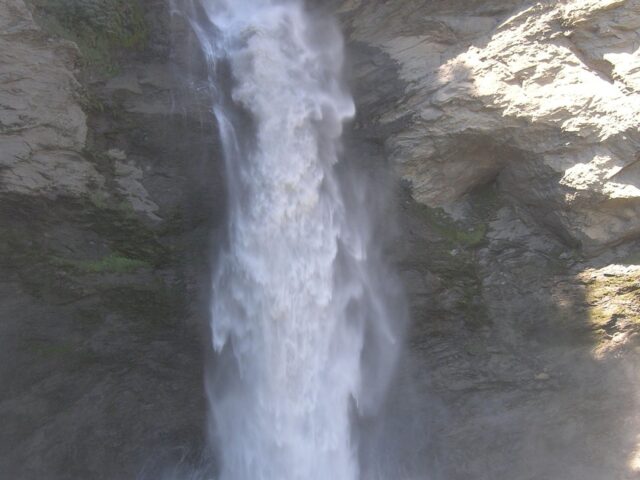
- Obersee & Röthbachfall: Behind St. Bartholomä you reach on foot the quieter Obersee and the Röthbach Falls, at around 470 m the highest waterfall in Germany.
Good to know
The Malerwinkel on the north shore offers the classic postcard view and is reachable in a few minutes even without a boat trip. The boat service runs year-round; in high summer an early arrival is advisable due to crowds and parking.
Note: here the Alpentreff team adds its own impressions, current prices and insider tips.
Background & History
The Königssee looks like a piece of Scandinavia that has strayed into the Bavarian Alps: a narrow fjord, up to 190 metres deep, wedged between the sheer east face of the Watzmann and the rocky precipices of the Hagen mountains. It is precisely this narrowness that produces the famous echo, which the boatmen have sent across the water for generations with a flugelhorn melody , it returns several times from the walls.
Above the lake towers the Watzmann, around which one of the best-known legends of the mountain country is woven: a tyrannical king who, together with his wife and children, was turned to stone as punishment. The red-and-white pilgrimage church of St. Bartholomä on the western shore, built in the 17th century by the prince-provosts of Berchtesgaden, was for a long time reachable only by water and is to this day the symbol of this secluded world. Since 1978 the Berchtesgaden National Park has protected the entire region; its guiding principle “let nature be nature” keeps the valley heads so unspoilt that beyond the Obersee, with the Röthbach Falls, the highest waterfall in Germany is hidden.
To make your trip run smoothly , our guides and gear tips for this destination: