Matterhorn
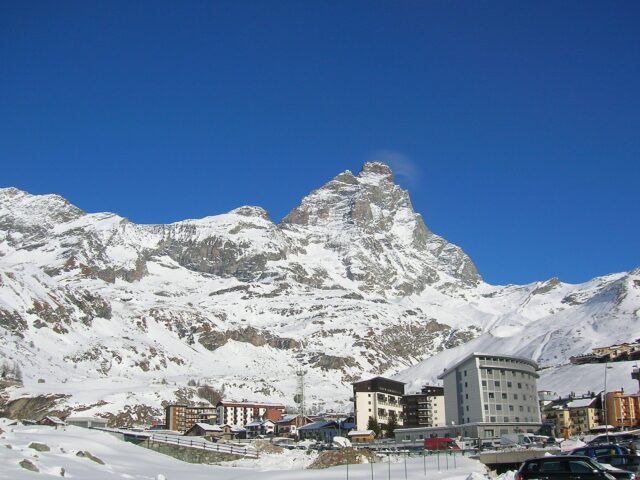
The landmark of the Alps, 4,478 m
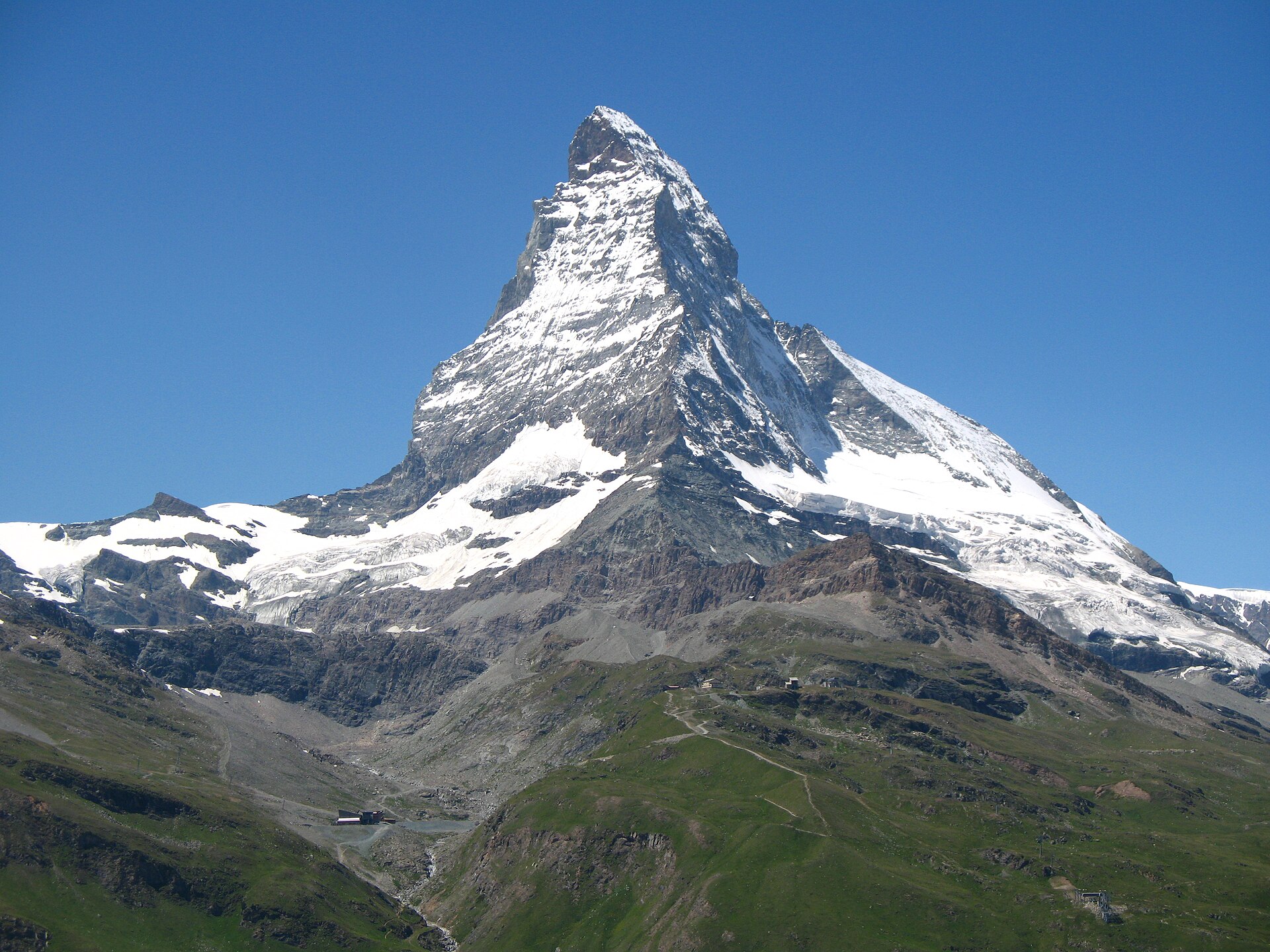
Photo: Andrew Bossi / Wikimedia Commons (CC BY-SA 2.5)
Address
Zermatt / Breuil-Cervinia, border Switzerland–Italy, Valais
GPS
45.9763, 7.6586
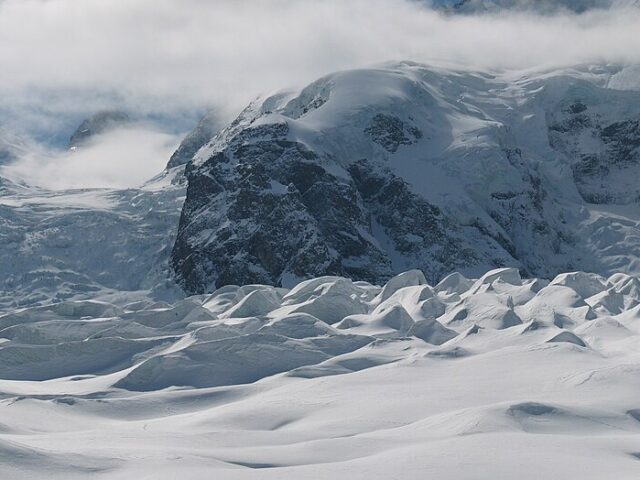
The Matterhorn, at 4,478 m, is one of the highest and at the same time the most famous mountain in the Alps. Its almost free-standing, pyramidal shape on the border between Swiss Zermatt and Italian Breuil-Cervinia is regarded as one of the most photographed mountain motifs in the world. The first ascent in 1865 by Edward Whymper's party ended tragically on the descent and made the mountain world-famous.
Highlights
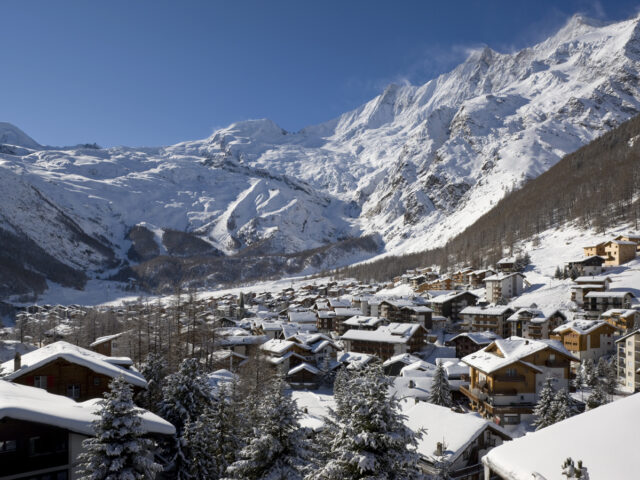
- The striking pyramid shape above the car-free mountain village of Zermatt
- Gornergrat railway with panoramic views of the Matterhorn and Monte Rosa massif
- Classic ascent via the Hörnli ridge (only for experienced alpinists with a mountain guide)
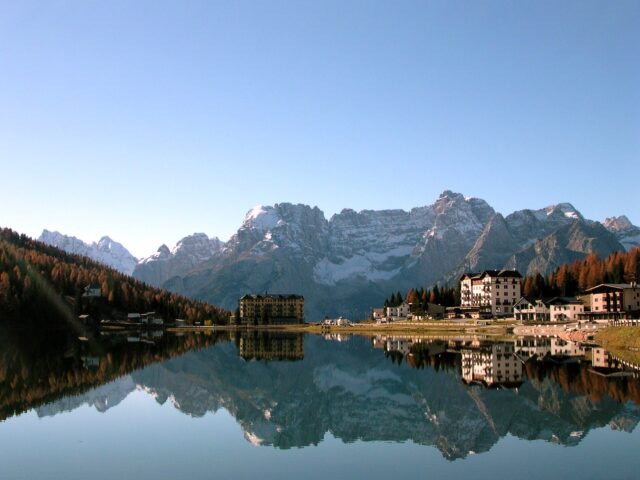
- Sunrise at the Riffelsee with the summit reflected in the water
Good to know
| Elevation | 4,478 m |
| Mountain range | Valais Alps |
| First ascent | 1865 (Edward Whymper) |
| Starting point | Zermatt (1,620 m), car-free |
| Base | Hörnli hut (3,260 m) |
Practical info
Getting there: By train to Zermatt (car-free, arrival via the Matterhorn-Gotthard Railway from Visp/Täsch); parking garages in Täsch.
Best time: Views and hiking June to October; skiing year-round on the glacier; ascent July to September.
Cost: Village and views free; mountain railways (Gornergrat, Klein Matterhorn) payable (please verify).
Safety: The ascent is a serious high tour with rockfall and weather hazards, only with alpine experience or a mountain guide. For the enjoyment, the railways and viewpoints are enough.
Tips:
- Early in the morning the air is clearest and the summit usually cloud-free
- The 5-Lakes Trail links several viewpoints with Matterhorn reflections
Background & History
The Matterhorn above Zermatt is perhaps the most famous mountain in the world, a rock pyramid that seems almost perfect, jutting lonely and sharp-edged into the sky. It owes its striking form to a geological peculiarity: the summit consists of rock from the African continental plate, which was pushed over European rock during the collision of the continents, so that the tip of the mountain is, as it were, a piece of Africa enthroned above Europe, a textbook example of the nappe structure of the Alps.
Inseparably bound up with the Matterhorn is the dramatic first ascent: on 14 July 1865 the Englishman Edward Whymper, after eight failed attempts, reached the summit first, but on the descent a rope broke, and four of his companions plunged to their deaths, among them the Chamonix guide Michel Croz, a tragedy that shook all of Europe and even moved Queen Victoria to words of mourning. Whymper survived as the only one of the British participants and later wrote his famous book “Scrambles Among the Alps”. Out of that fateful summer Zermatt emerged as the cradle of modern mountaineering, and the mountain became the immortal symbol of human daring and Alpine beauty. To this day mountaineers move in a long line over the Hörnli ridge to the summit, while the unmistakable pyramid is regarded worldwide as the symbol of the Swiss Alps.
To make your trip run smoothly , our guides and gear tips for this destination: