St. Moritz & Upper Engadin
Fashionable high-altitude resort, cradle of winter tourism
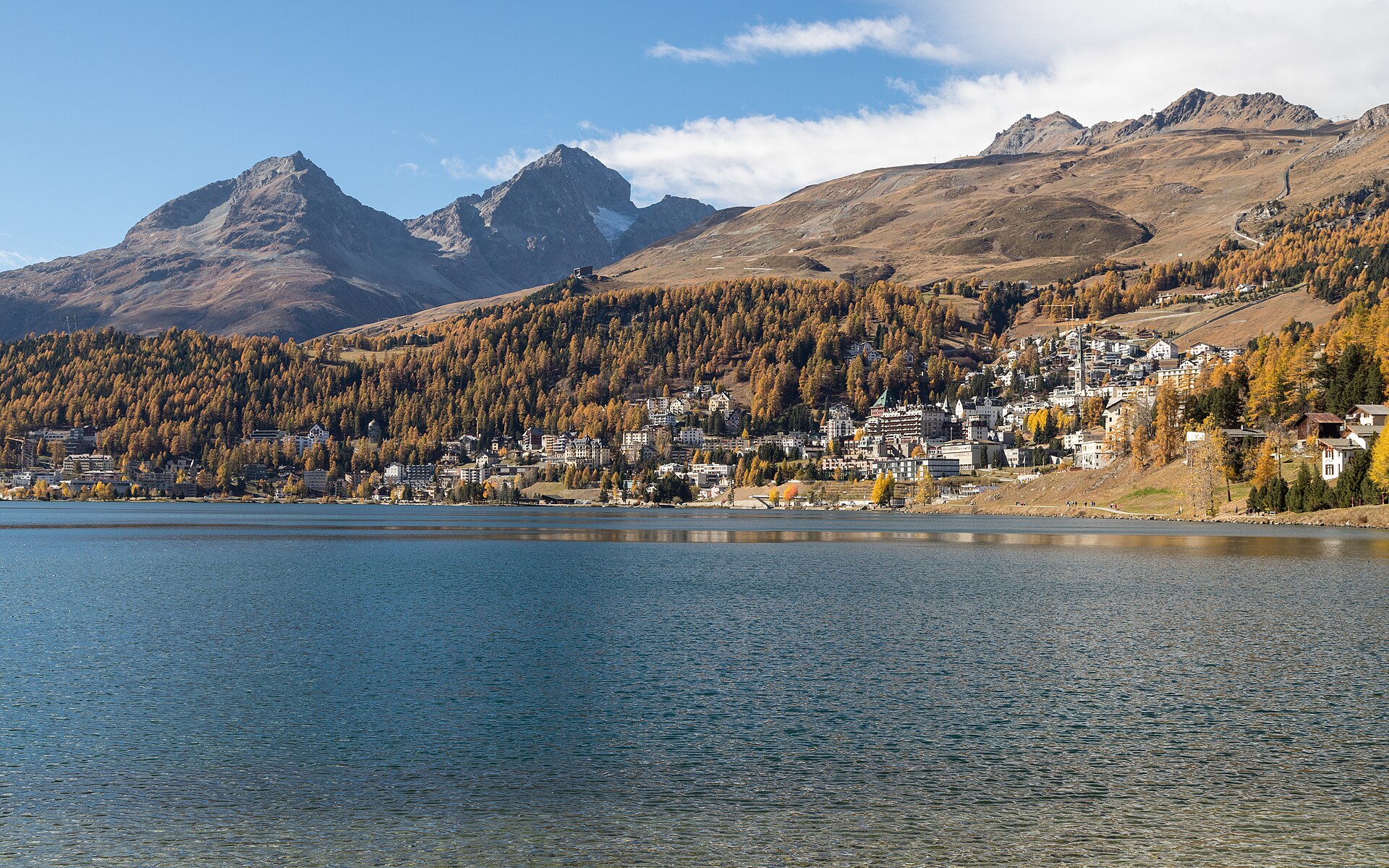
Photo: JoachimKohlerBremen / Wikimedia Commons (CC BY-SA 4.0)
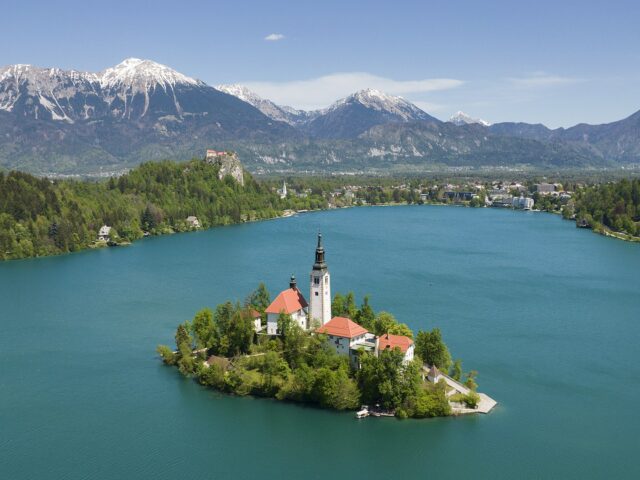
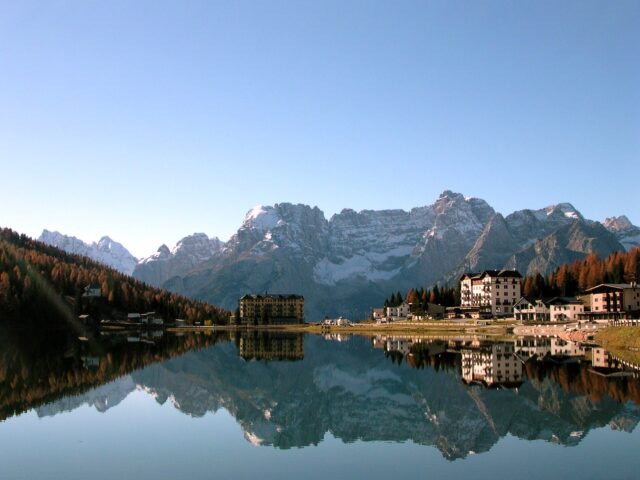
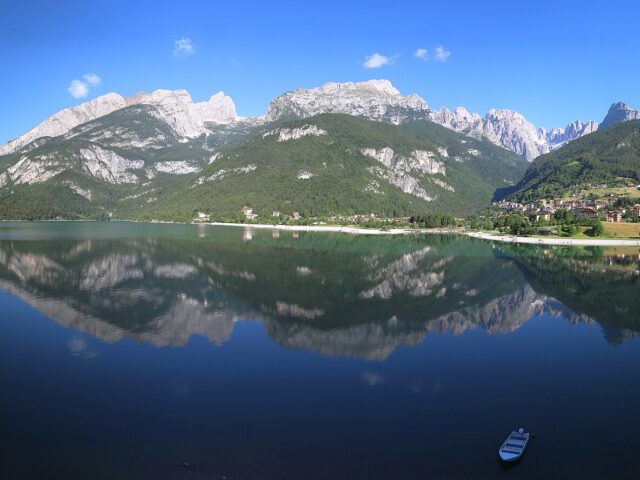
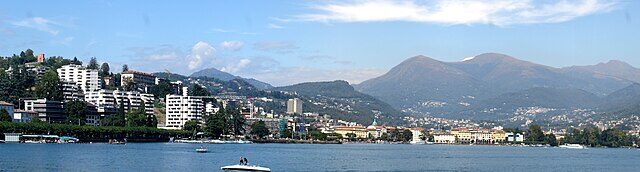
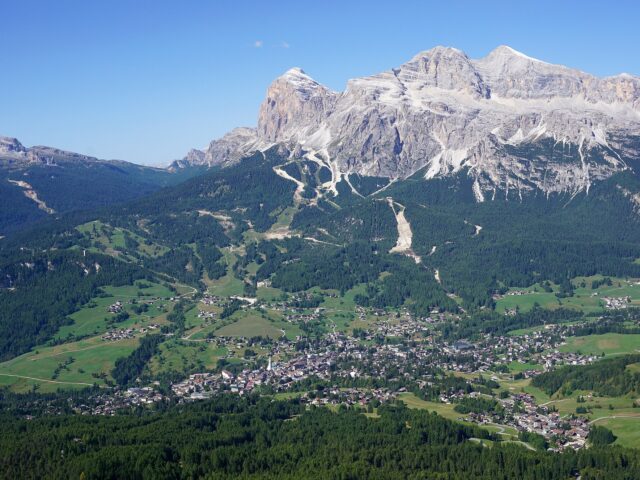
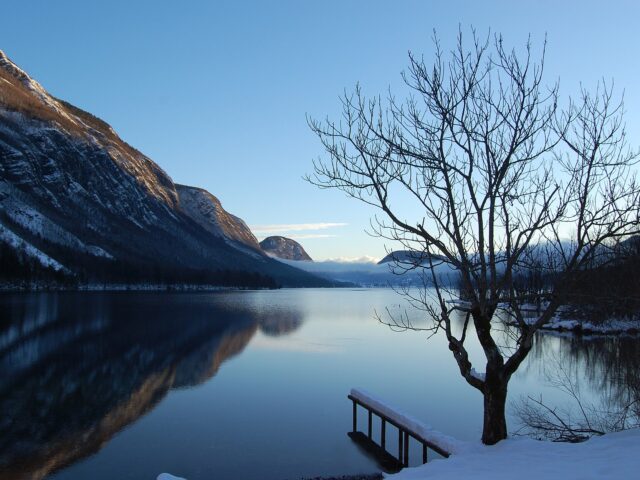
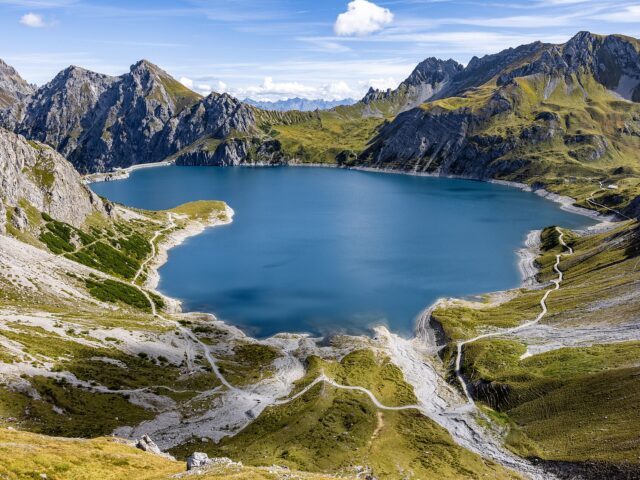
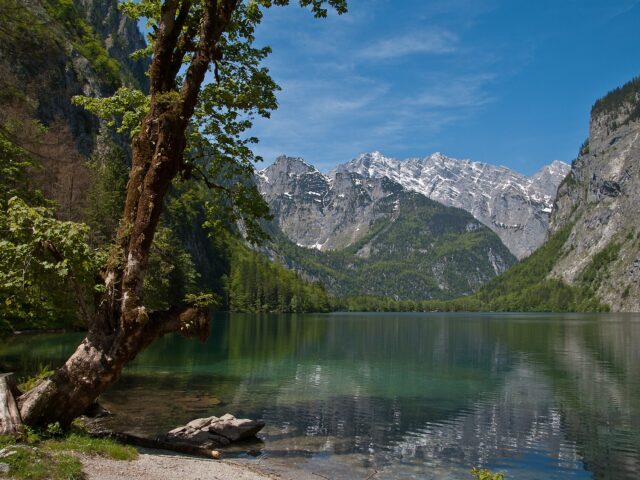
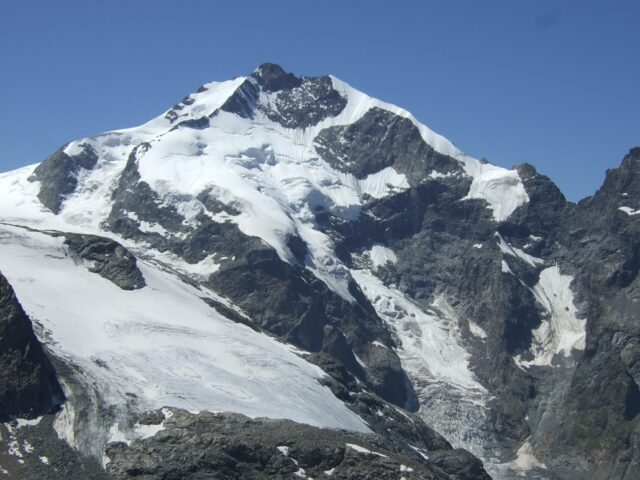
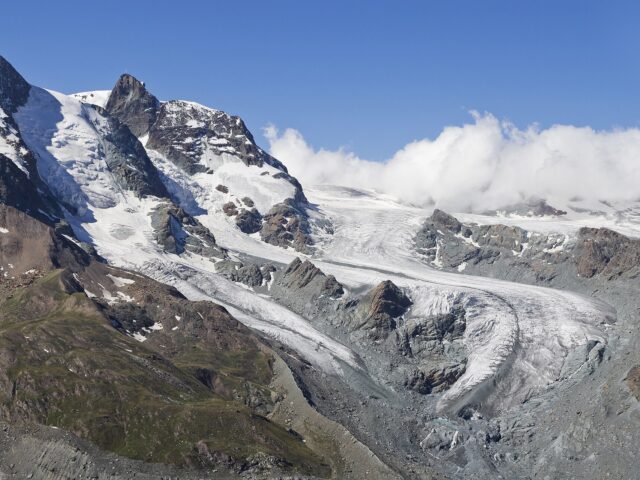
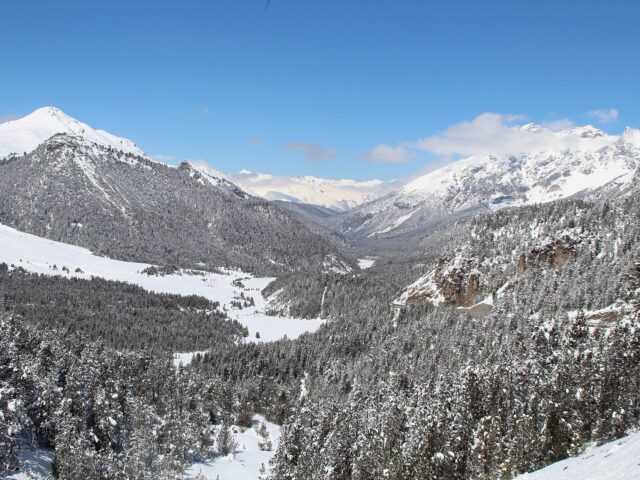
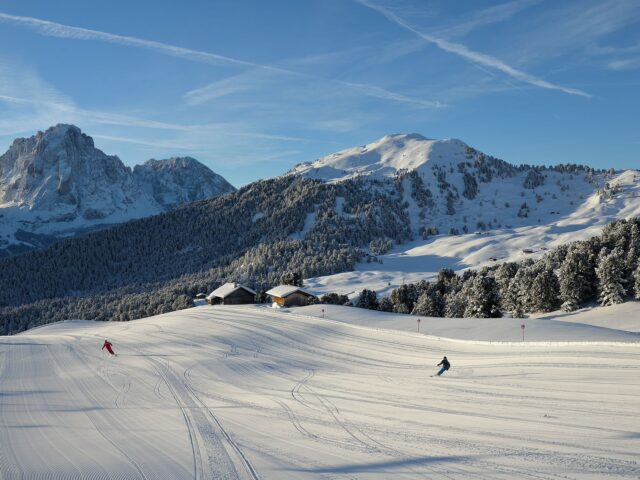
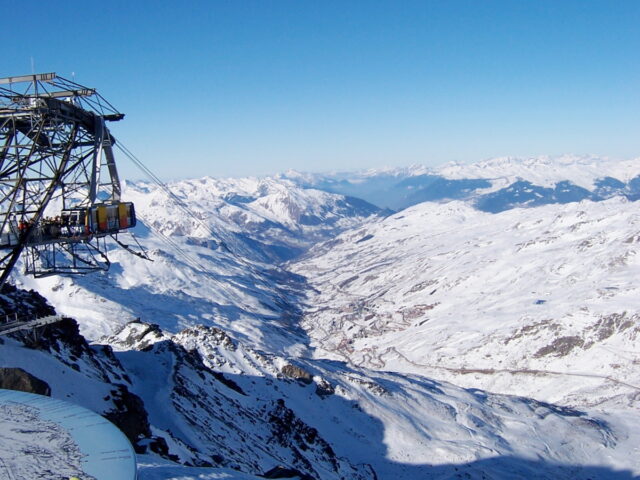
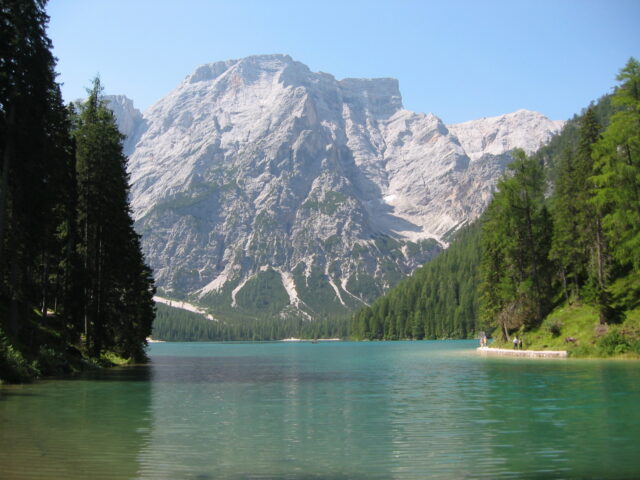
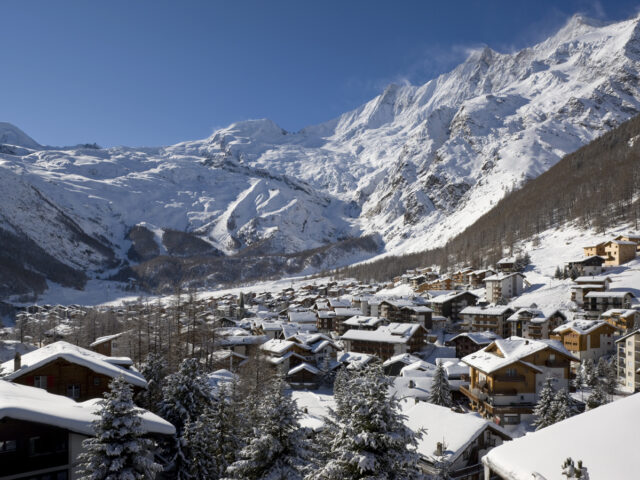
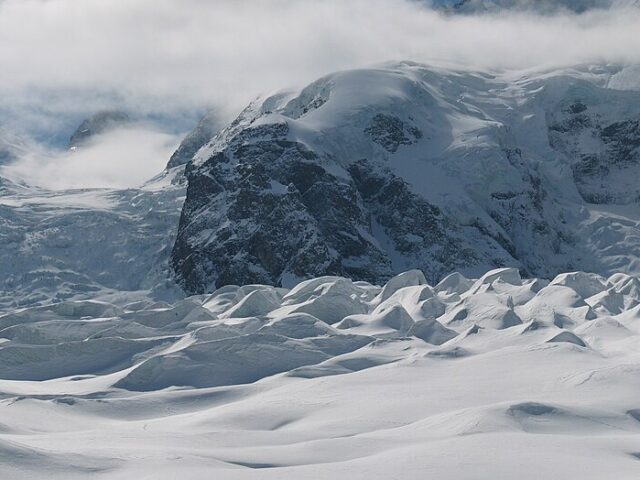
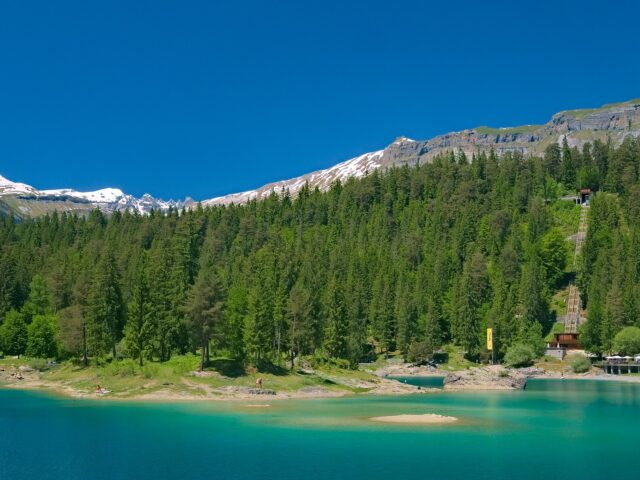
St. Moritz in the Upper Engadin is regarded as the cradle of alpine winter tourism, which began here in 1864, and twice hosted the Olympic Winter Games (1928 and 1948). The fashionable high-altitude resort at 1,822 m lies on a chain of turquoise Engadin lakes before the Bernina massif and is known for its exceptionally sunny, dry climate.
Highlights
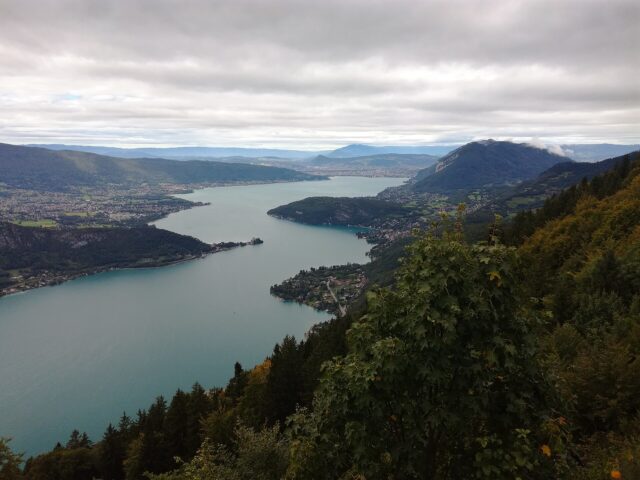
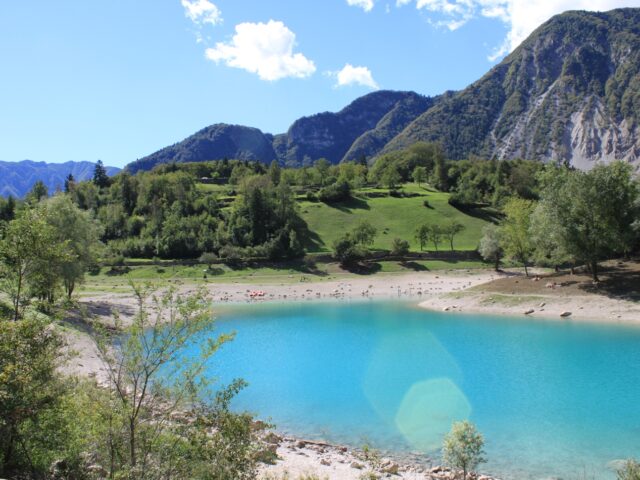
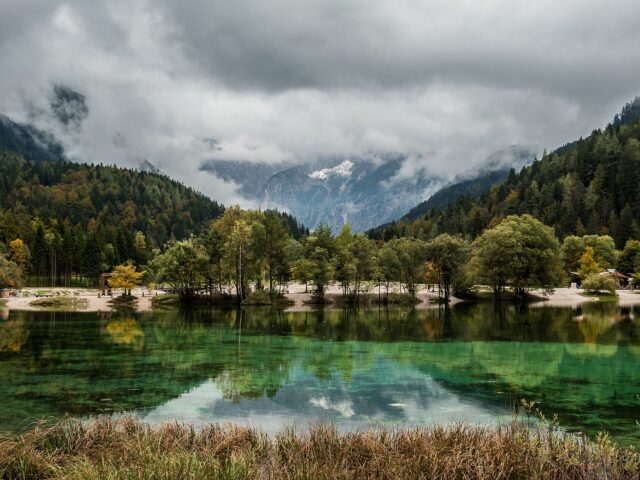
- Engadin lake plateau with the St. Moritz lake and Lake Sils
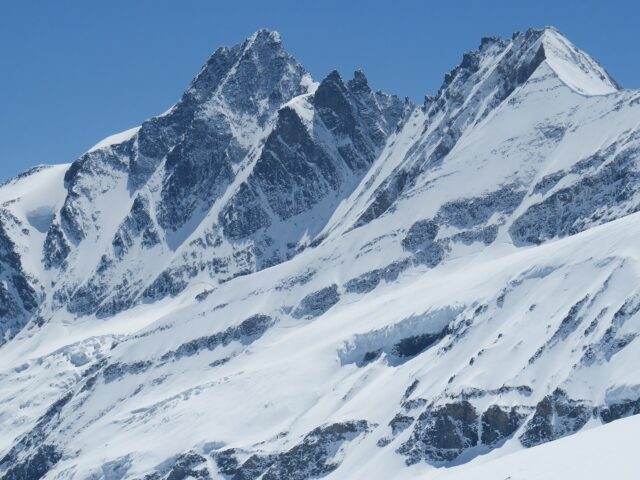
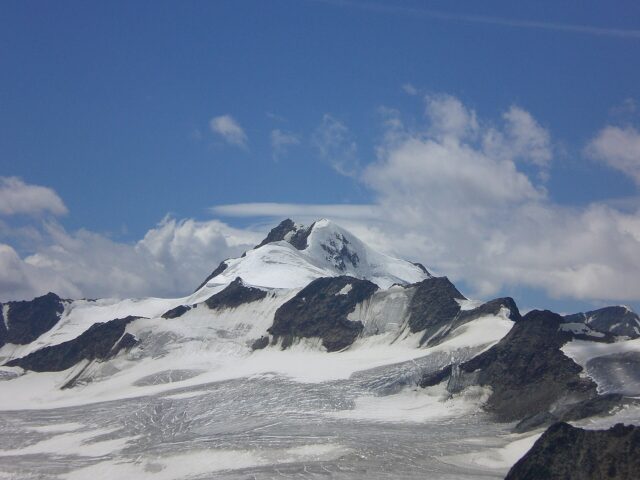
- The Bernina massif as a backdrop
- Mineral springs and tradition as a health resort
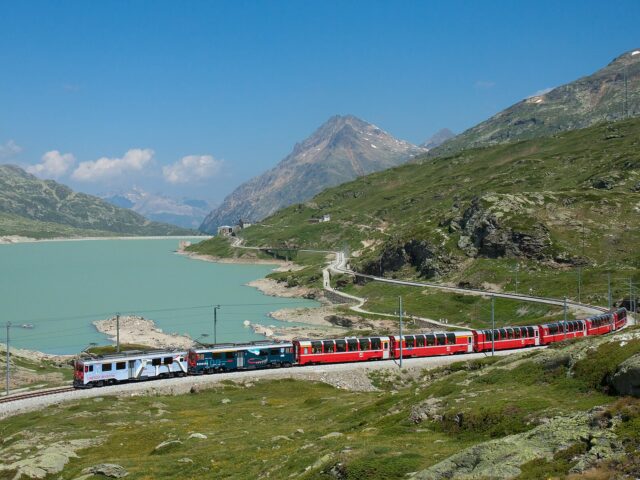
- Starting point for the Bernina Express and Diavolezza
Good to know
| Elevation | 1,822 m |
| History | Start of winter tourism in 1864 |
| Olympics | Winter Games 1928 and 1948 |
| Region | Upper Engadin, Grisons |
Practical info
Getting there: With the Rhaetian Railway over the Albula line (UNESCO) to St. Moritz; by car over the Julier or Maloja pass.
Best time: Winter sports December to April; hiking and sailing on the lakes June to October.
Cost: Town free; mountain railways, train and accommodation at an upscale price level (please verify).
Safety: In winter mind the avalanche situation; account for the altitude during exertion.
Tips:
- The Maloja wind provides ideal conditions for sailing and surfing in the afternoon
- Diavolezza and Muottas Muragl offer the finest Bernina views
Background & History
High in the Upper Engadine, set at over 1,800 metres in a sun-blessed landscape of lakes, St. Moritz is regarded as the cradle of alpine winter tourism. The town's iron-rich mineral springs were already known in antiquity, yet St. Moritz only became a legend when, in the winter of 1864, a hotelier persuaded English summer guests with a wager to spend the cold season in the mountains. From this idea grew an elegant spa resort that twice hosted the Olympic Winter Games and whose name stands to this day for fashionable splendour.
The Engadine itself is a world of its own. Here Romansh is spoken, an old Rhaeto-Romanic language, and the villages, with their thick walls, deep-set windows and the sgraffito decorations artfully scratched into the plaster, preserve an unmistakable character. Over the nearby Maloja Pass the valley opens southwards towards the light-flooded Bregaglia, a threshold between the alpine and the Mediterranean world that has long cast its spell over painters and poets. Geologically the region rests on vast sheets of rock, into which a young granite intruded nearby, a testimony to the collision of the European and African continental plates. In the Upper Engadine, ancient earth history, living linguistic culture and the history of luxury tourism thus come together in the closest space.
To make your trip run smoothly , our guides and gear tips for this destination: