Swiss National Park
Oldest national park in the Alps, since 1914
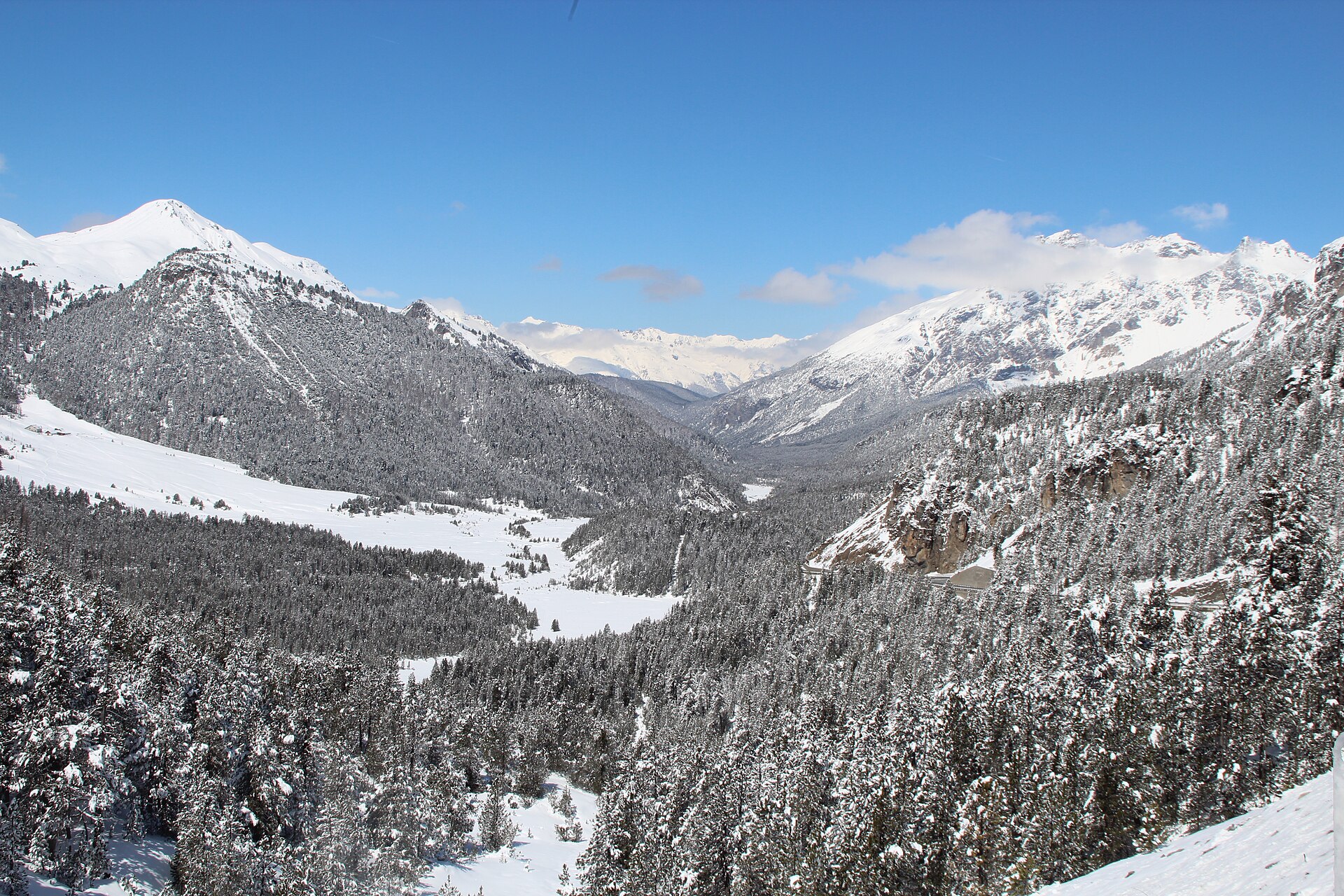
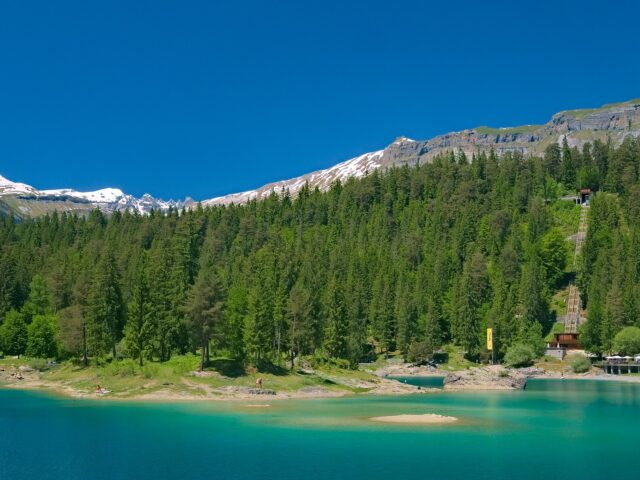
Photo: Adrian Michael / Wikimedia Commons (CC BY-SA 3.0)
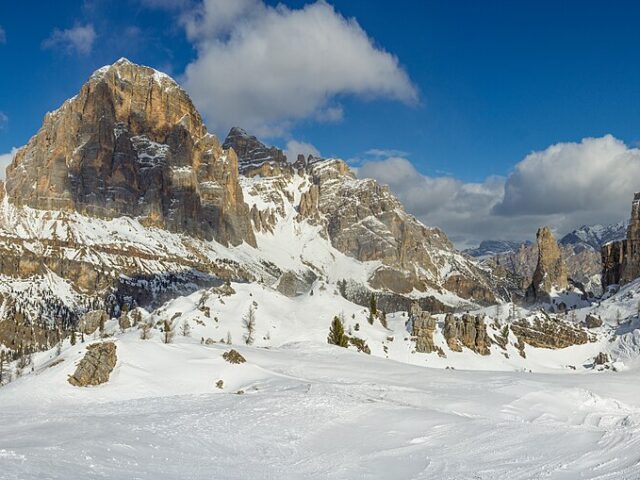
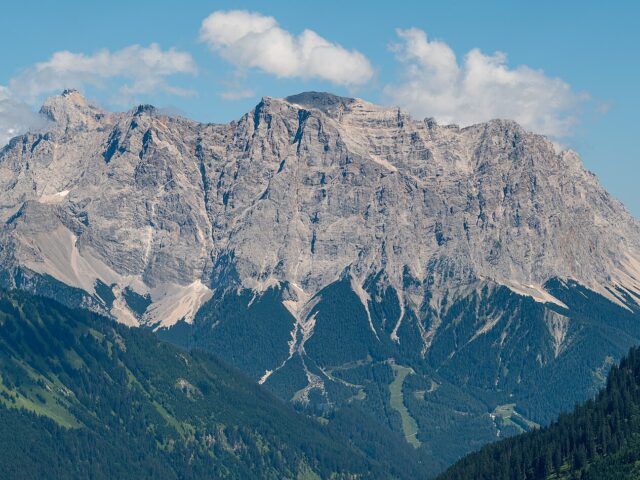
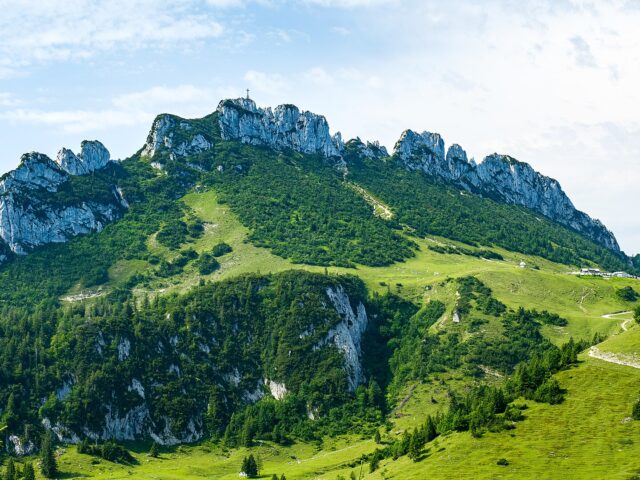
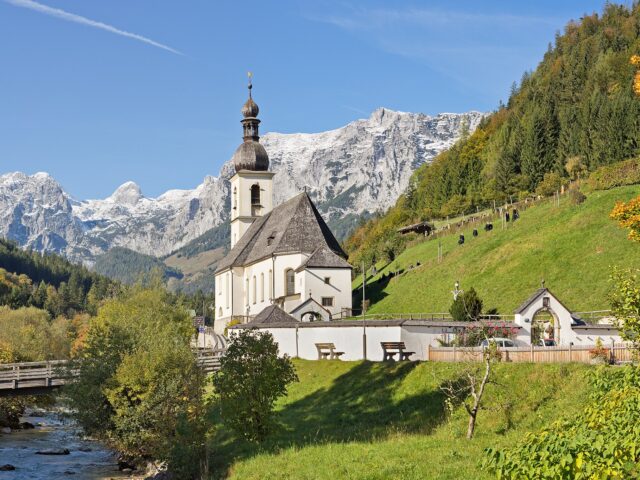
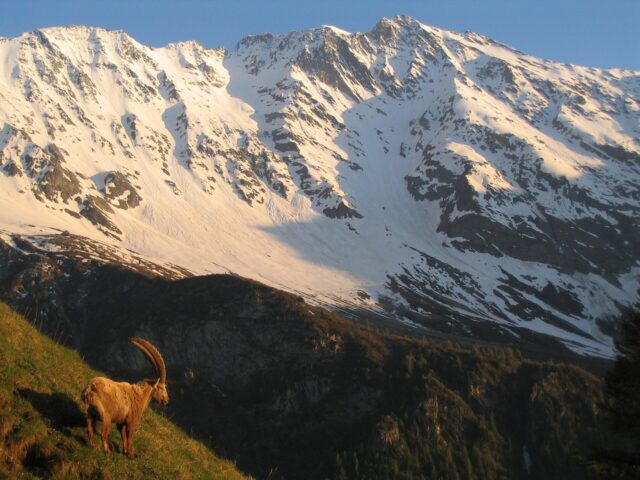
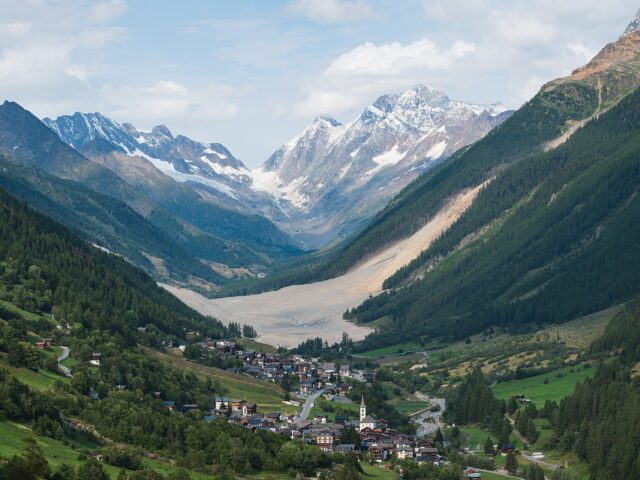
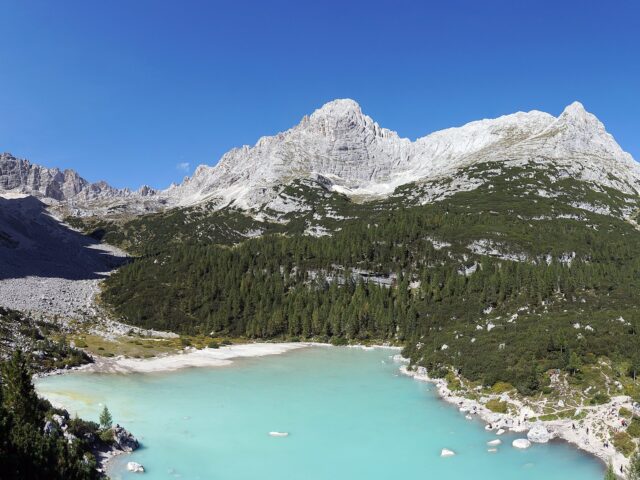
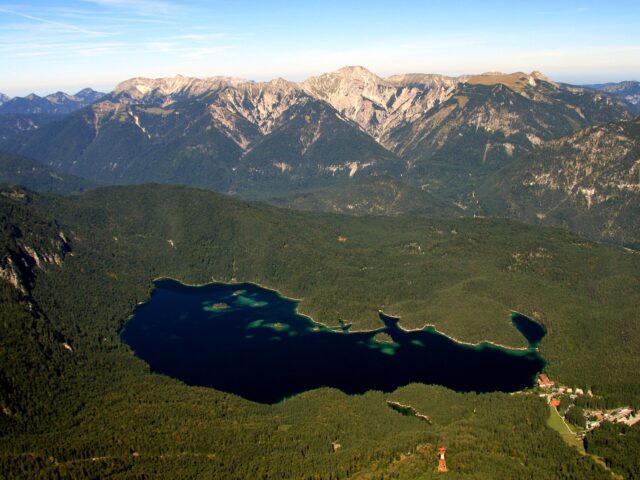
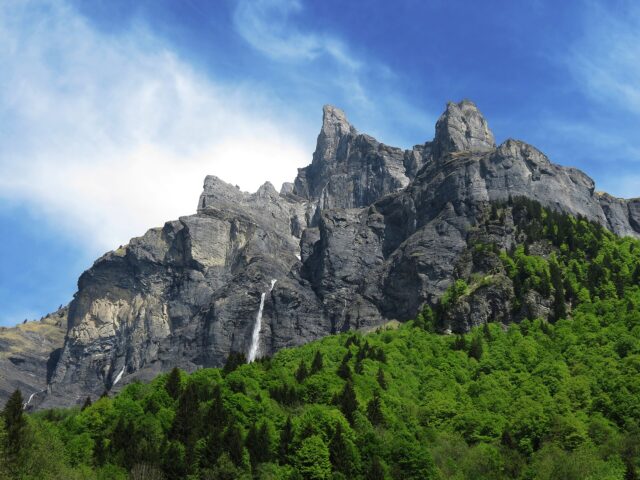
Founded in 1914, the Swiss National Park in the Engadin is the oldest national park in the Alps and a strict total reserve: nature is left entirely to itself, and visitors may not leave the marked trails. On around 170 km² live ibex, chamois, red deer, marmots and bearded vultures. The visitor centre in Zernez introduces the idea and the rules of the park.
Highlights
- Oldest national park in the Alps (since 1914)
- Ibex, red deer, chamois, marmots and bearded vultures
- Strict protection: only on marked trails, free natural development
- National park centre in Zernez
Good to know
| Founded | 1914 (oldest in the Alps) |
| Area | around 170 km² |
| Protection | Total reserve, stay-on-trails rule |
| Centre | Zernez |
Practical info
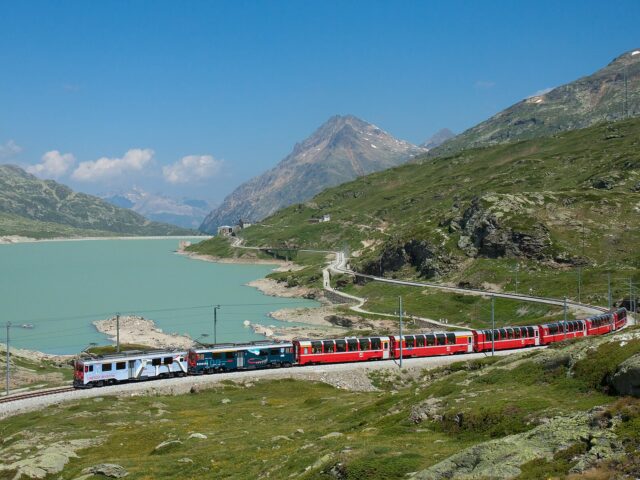
Getting there: By the Rhaetian Railway or by car to Zernez; from there hiking starting points along the Ofenpass road.
Best time: June to October (in winter the trails are usually closed); the deer rut in autumn.
Cost: Admission free; guided tours and the centre partly payable (please verify).
Safety: Strict rules: stay on the trails, take nothing, dogs prohibited. Bring good binoculars.
Tips:
- Early morning and evening offer the best wildlife-watching chances
- Ask for current wildlife-watching tips at the centre in Zernez
Background & History
In the secluded Lower Engadine, east of the Inn, lies the oldest national park in the Alps and one of the oldest in Europe. Founded in 1914, it followed an idea that was radical for its time: to place not people, but nature, at the centre. Here nothing is tended, mown or reforested, fallen trees are left lying, the wilderness is allowed to develop left to itself. This strict philosophy of protection makes the area a living laboratory, in which for over a century researchers have observed how a landscape changes without human intervention.
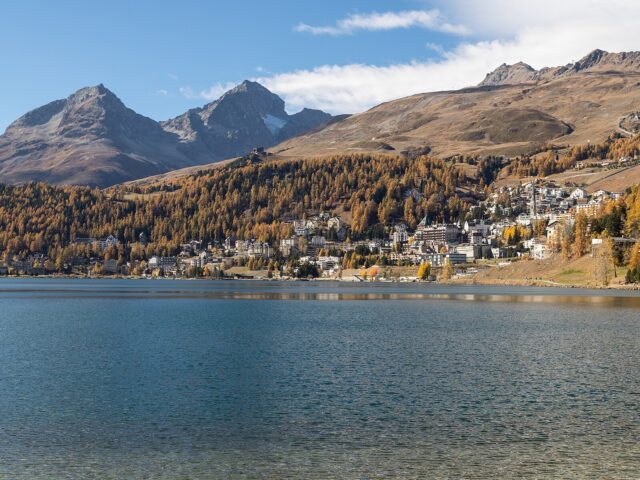
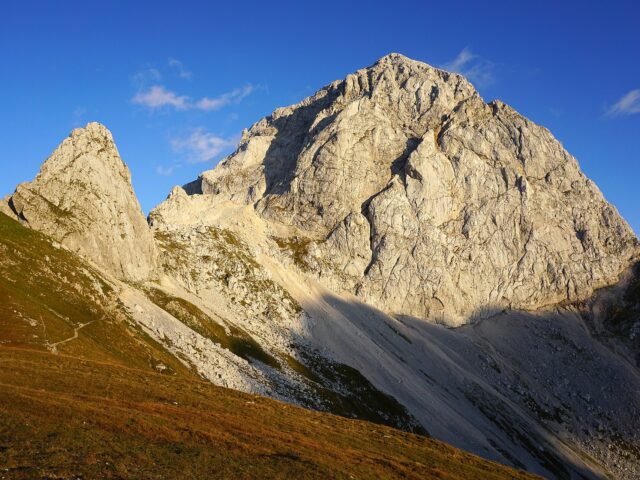
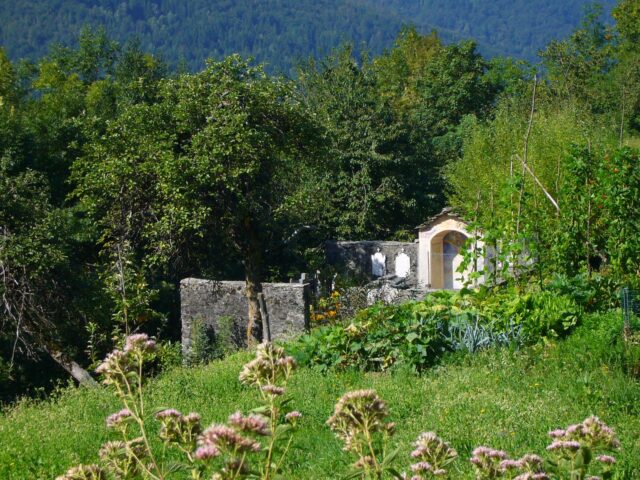
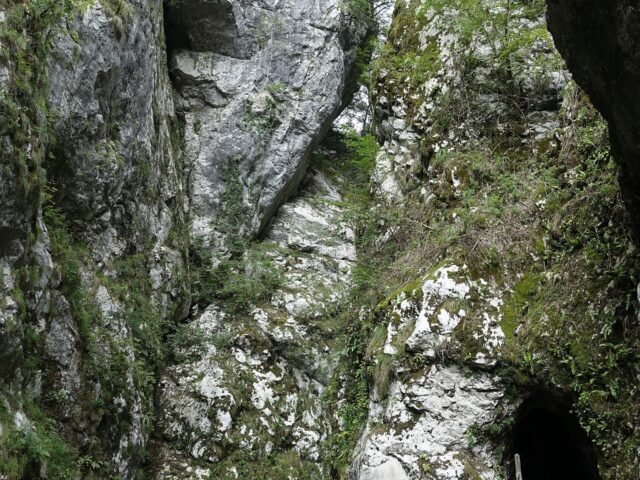
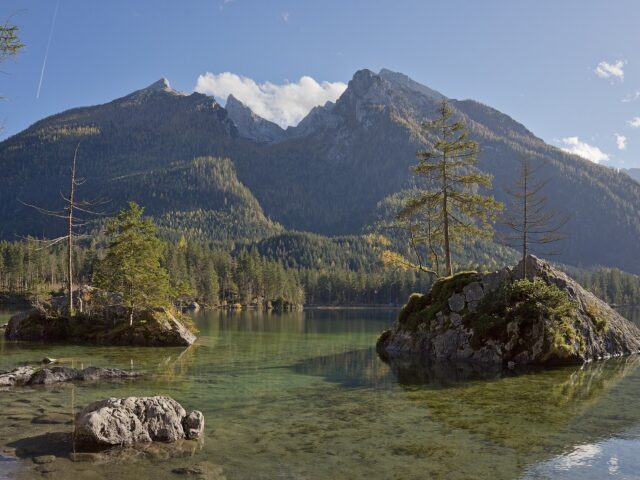
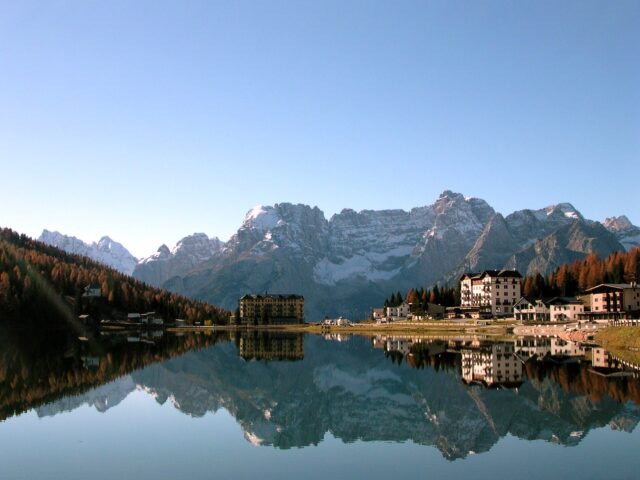
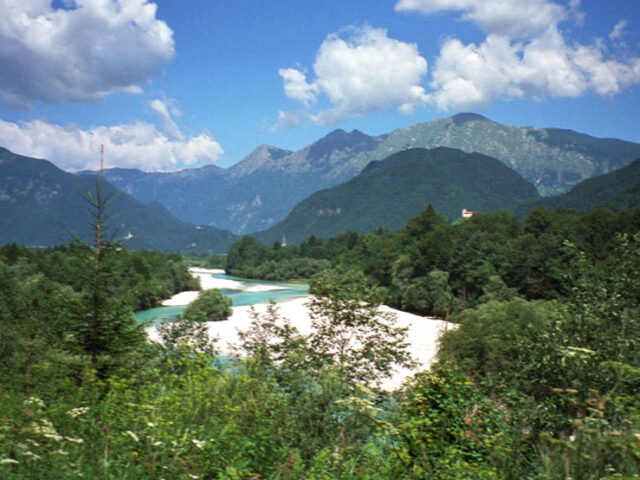
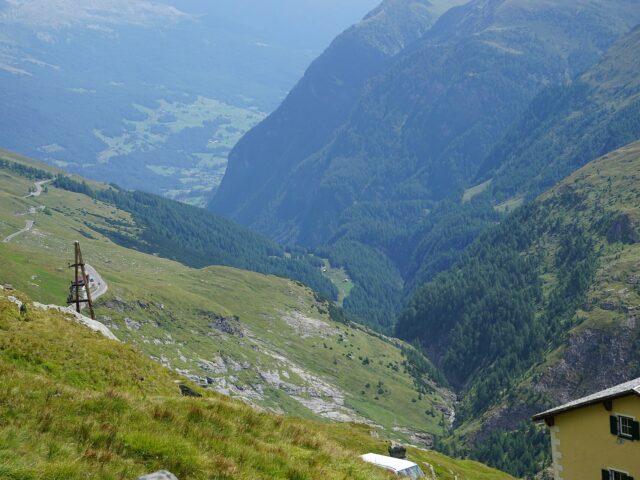
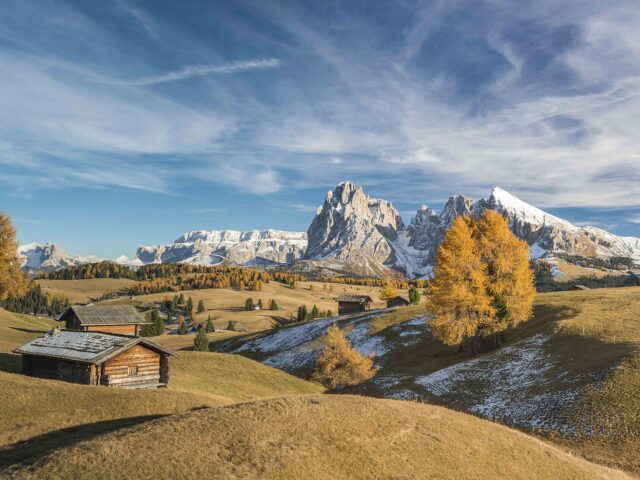
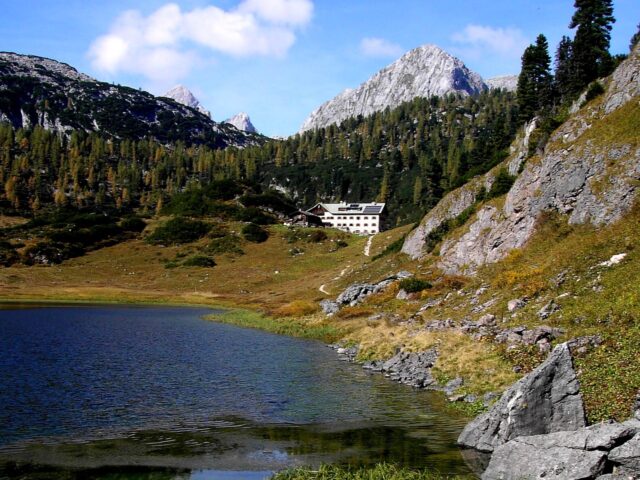
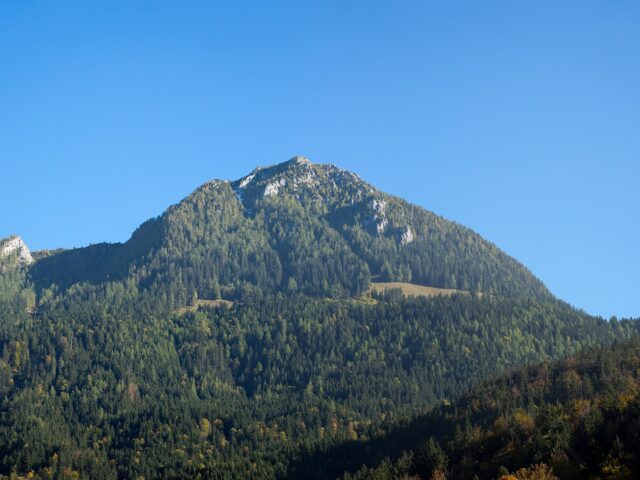
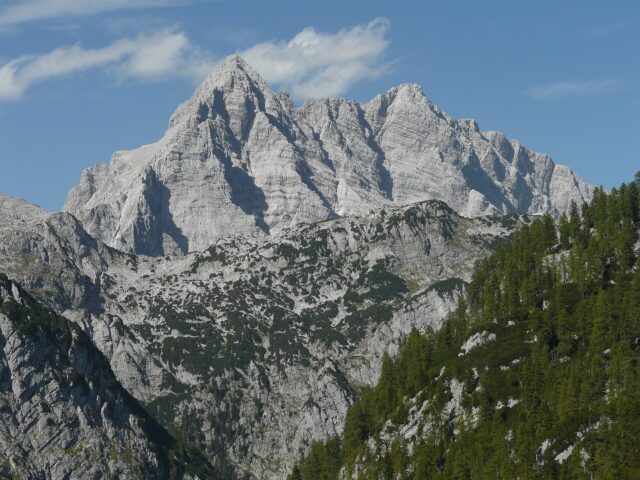
Whoever walks through the deeply incised Val Cluozza plunges into dense forests of Swiss pine and larch, which glow in warm golden tones in October. Red deer move across the clearings at dusk, marmots whistle from the slopes, and with a little luck a golden eagle circles above the bare peaks. Since the park has served as a refuge, even the bearded vulture and the wolf have returned to the region. The ban on any intervention demands discipline of visitors: one stays on the paths. It is precisely this consistency that has preserved an almost untouched stillness, which has long since been lost elsewhere in the densely populated Alps. The park thus impressively shows how nature recovers when man leaves it to its own devices for an entire century.
To make your trip run smoothly , our guides and gear tips for this destination: