Mer de Glace
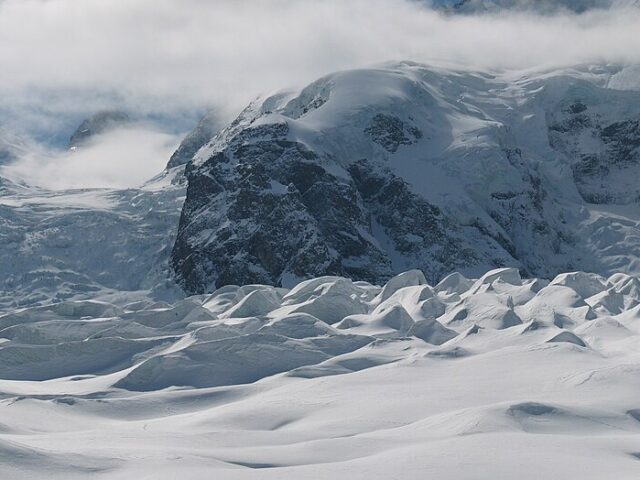
France's largest glacier
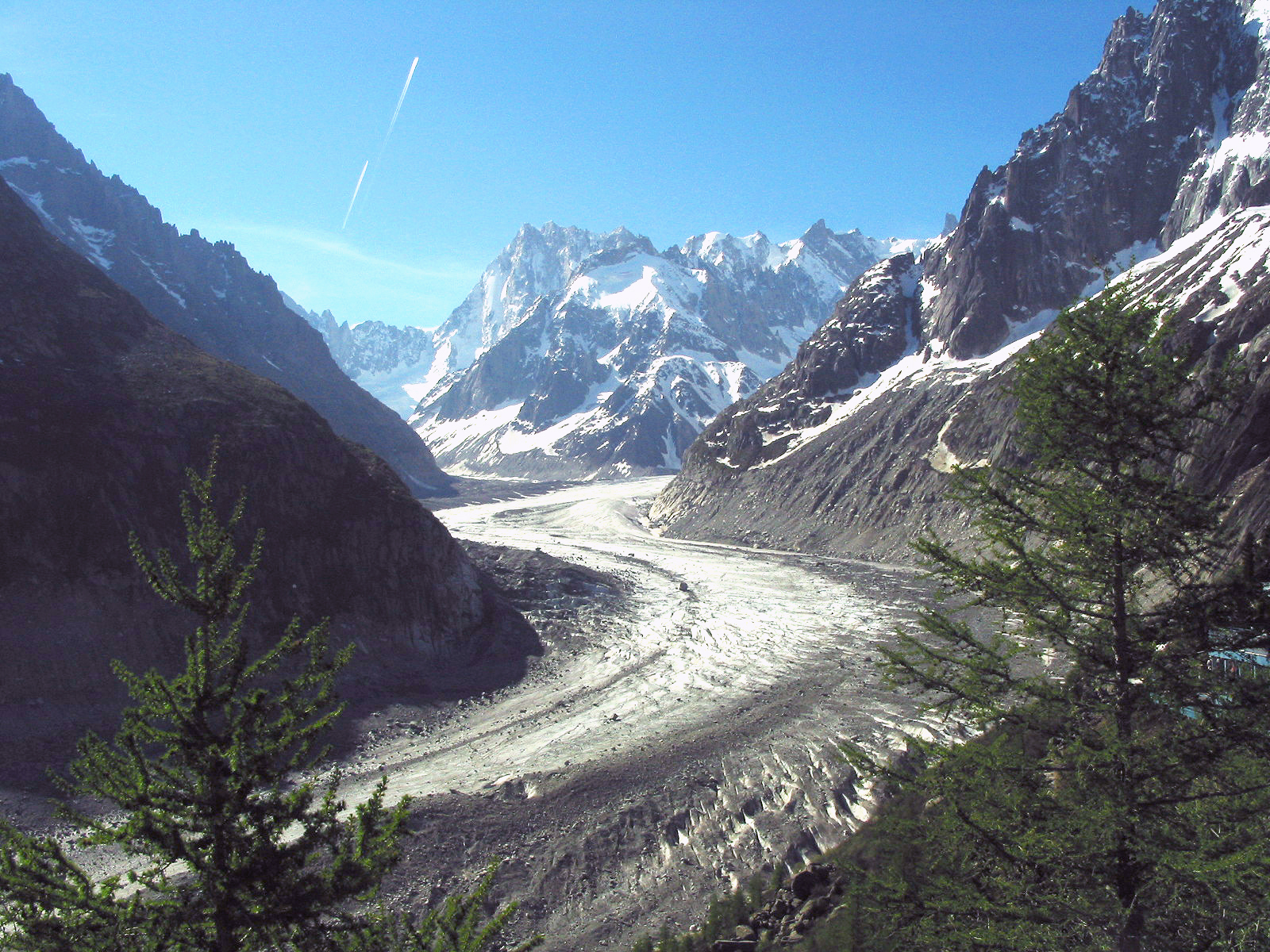
Photo: Jean-Pol GRANDMONT / Wikimedia Commons (CC BY 3.0)
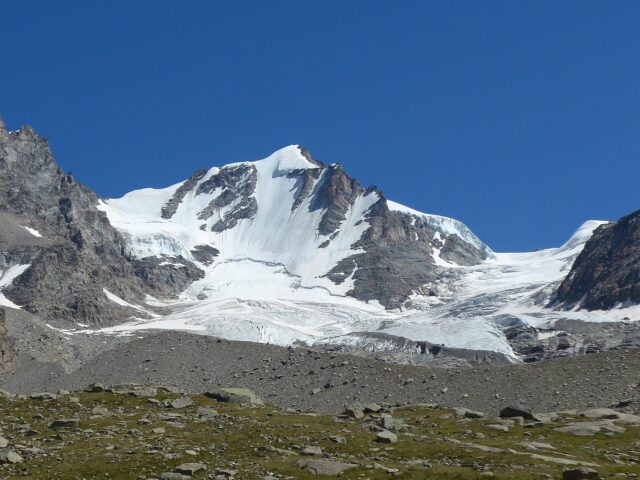
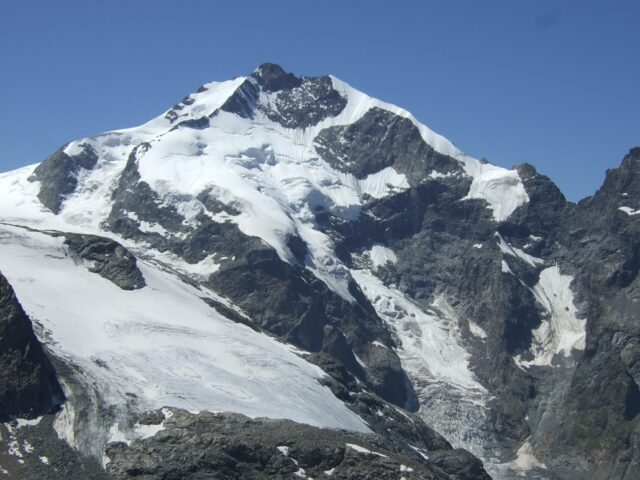
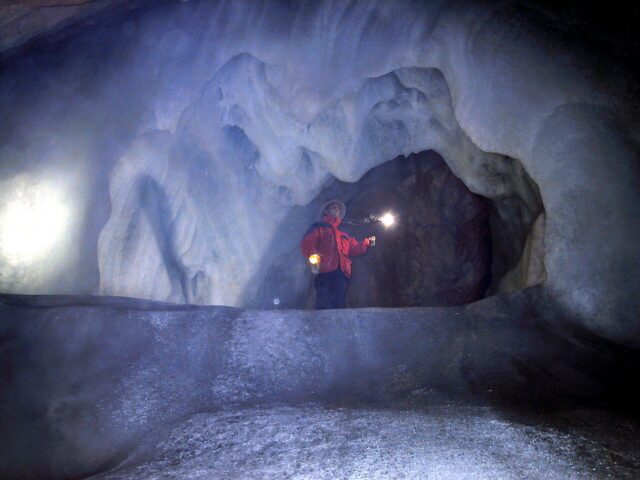
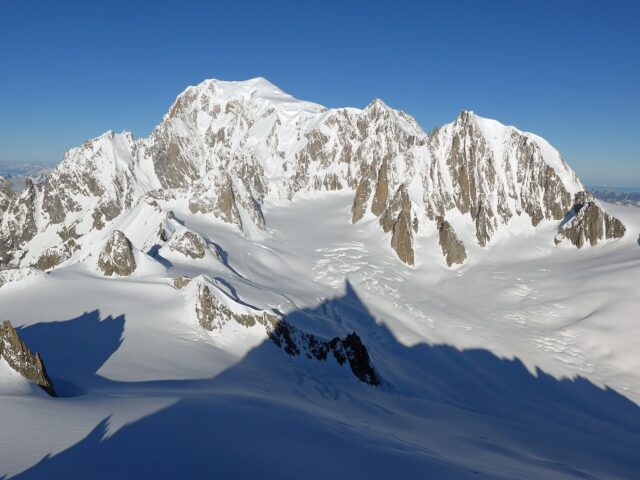
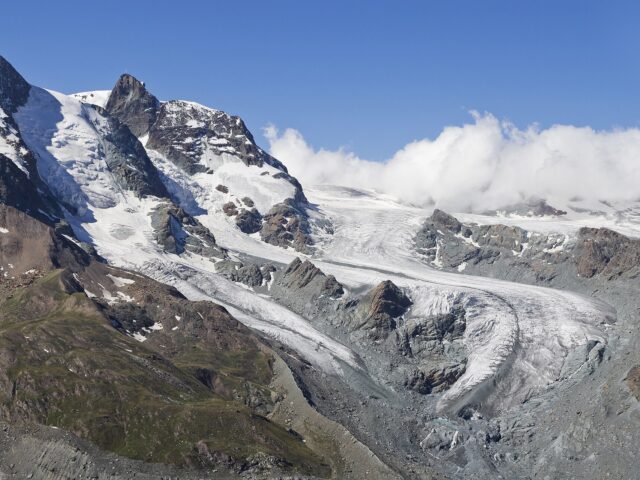
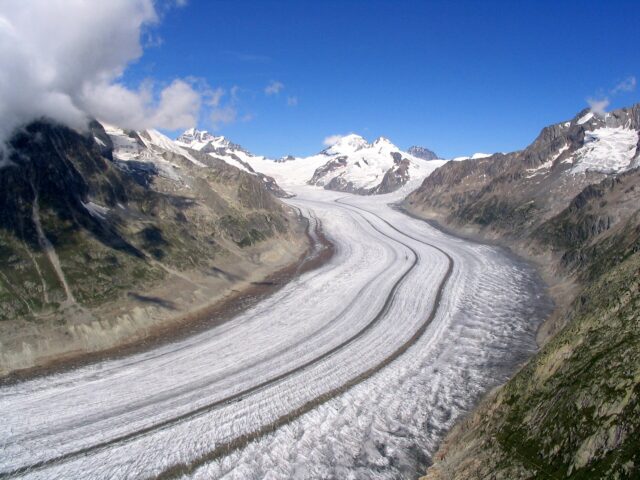
The Mer de Glace, at around 7 km long, is the largest glacier in France and has drawn visitors since the 19th century. The historic cog railway from Chamonix to Montenvers reaches the viewing balcony, from where a gondola and stairs lead down to the ice cave. The rapid glacier retreat is especially visible here.
Highlights
- Largest glacier in France (around 7 km)
- Historic cog railway to Montenvers
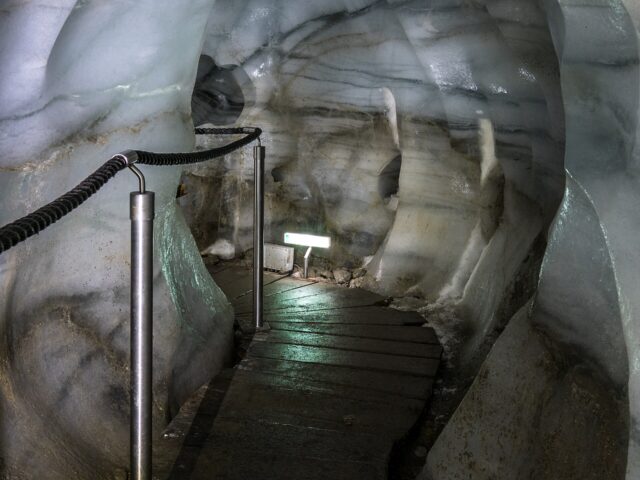
- Walk-in ice cave in the glacier
- Visible glacier retreat
Good to know
| Length | around 7 km (largest glacier in France) |
| Railway | Cog railway Chamonix–Montenvers |
| Extra | Ice cave (Grotte de Glace) |
| Note | strong glacier retreat |
Practical info
Getting there: By the Montenvers cog railway from Chamonix.
Best time: Roughly May to October (please verify).
Cost: Railway, gondola and ice cave payable (please verify).
Safety: Many steps down to the cave; sturdy footwear.
Tips:
- The markings on the slope show the former glacier level
- Combine with a Chamonix day and the Aiguille du Midi
Background & History
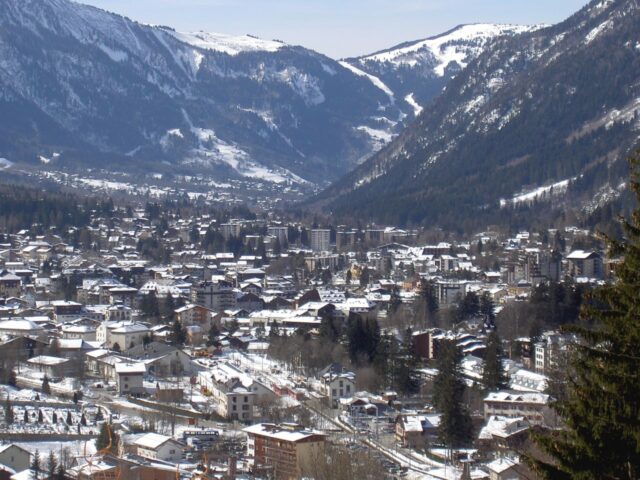
The Mer de Glace, the “Sea of Ice”, is the largest glacier in France and winds in a mighty, crevasse-furrowed ice stream down from the Mont Blanc massif into the valley of Chamonix. Already in the 18th century the tremendous tongue of ice drew the first travellers, and English aristocrats on their Grand Tour were among the early admirers who viewed the spectacle from the Montenvers heights and thereby helped to found alpine tourism; even Mary Shelley had her creature wander across this sea of ice in “Frankenstein”.
In 1908 the rack railway to Montenvers was opened, which has since brought visitors comfortably to the edge of the glacier, where year after year an ice tunnel is dug anew into the ice in order to make the interior of the glacier experienceable. Yet the Mer de Glace is also a haunting memorial to climate change: the glacier is retreating rapidly and is markedly losing thickness, and where the ice once reached close to the mountain station, visitors today must descend many hundreds of steps to the shrunken ice. Markings on the rock along the descent show mercilessly how high the ice still reached in earlier decades. Thus the sea of ice unites the pioneering age of Alpine tourism with the visible, disquieting testimony of a rapidly changing nature.
To make your trip run smoothly , our guides and gear tips for this destination: