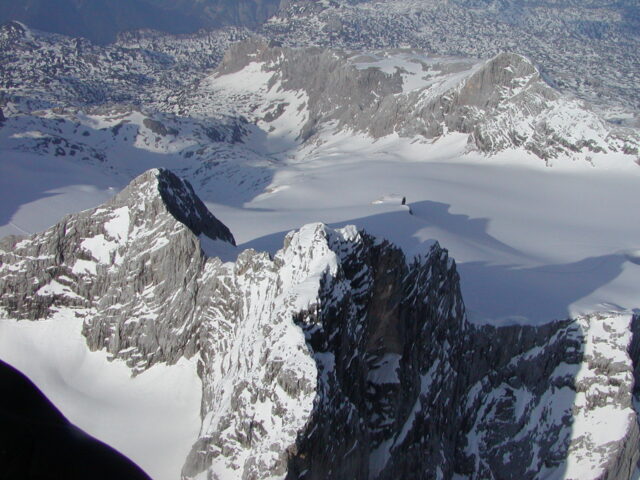
Jungfraujoch – Top of Europe
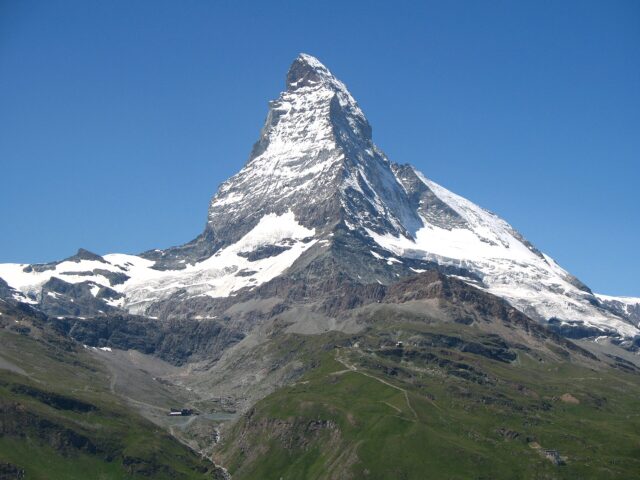
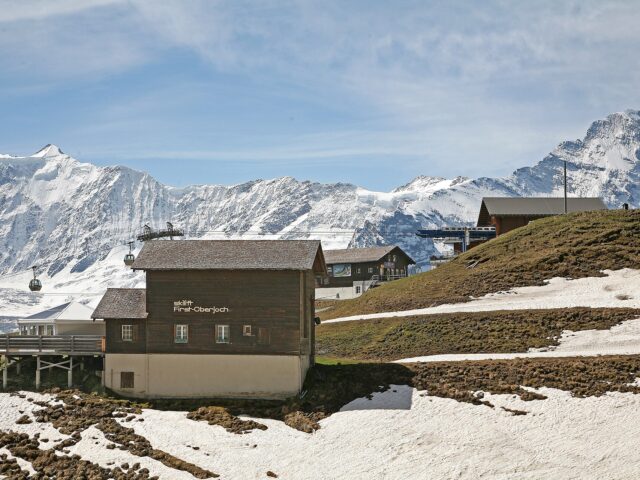
Highest railway station in Europe, 3,454 m
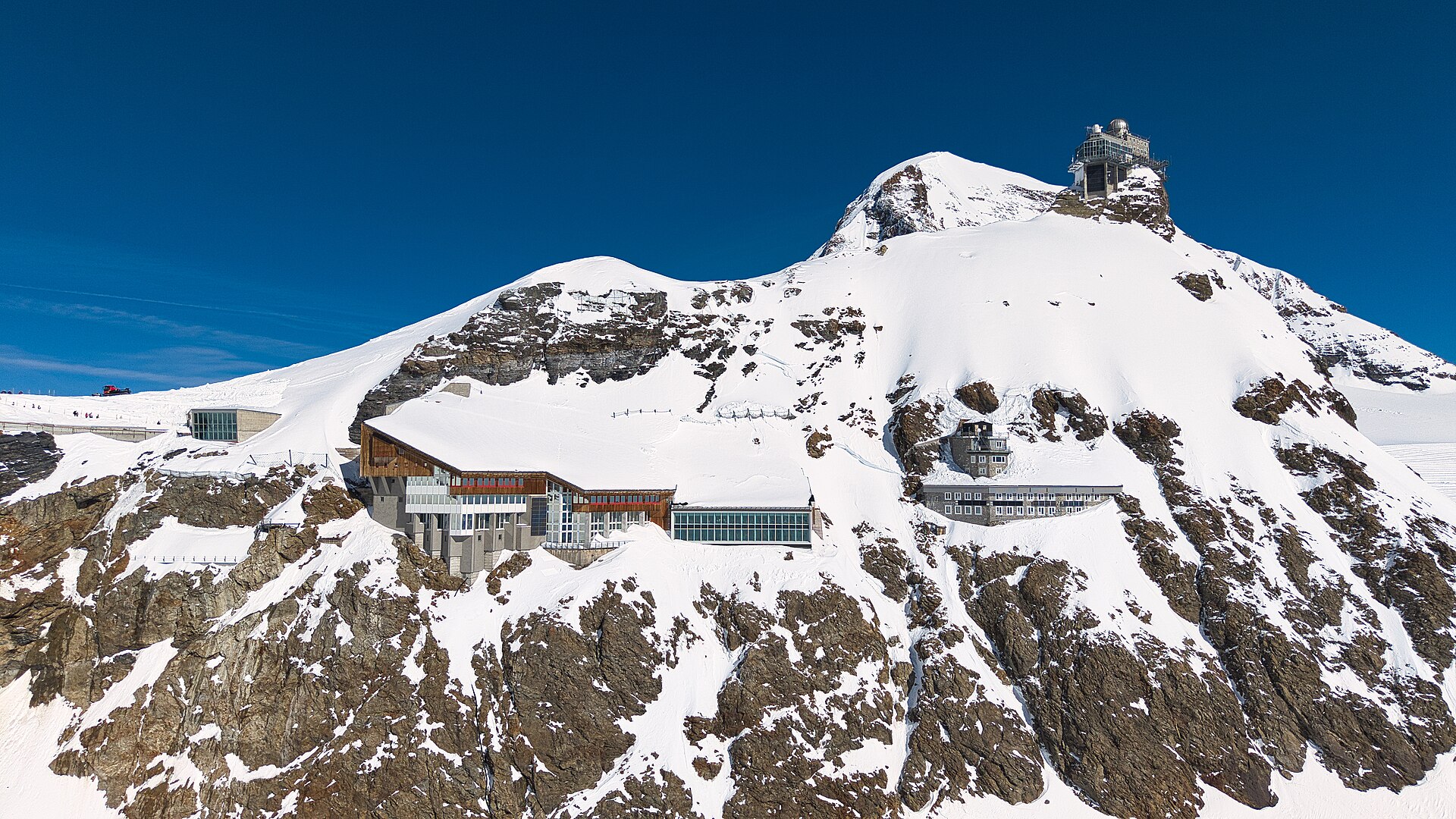
Photo: Reustli / Wikimedia Commons (CC BY-SA 4.0)
Address
Jungfrau region, between Mönch and Jungfrau, Bernese Oberland
GPS
46.5475, 7.9856
Web
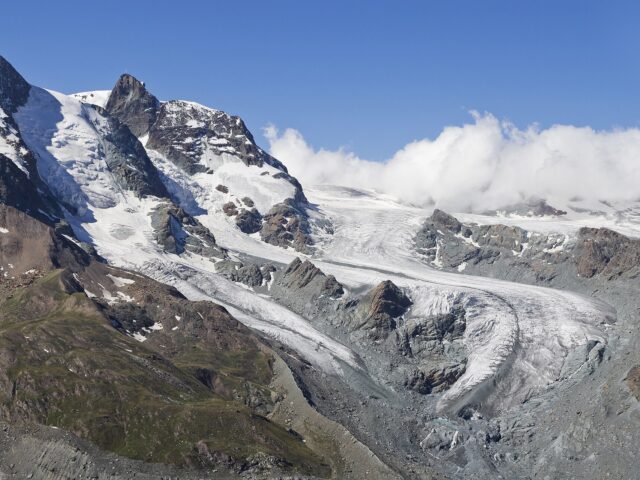
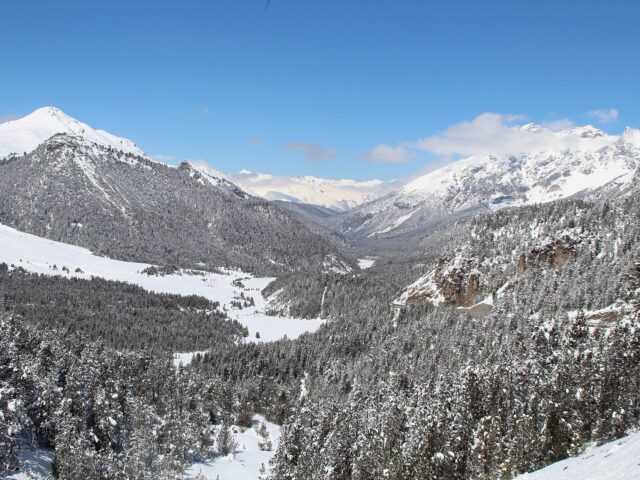
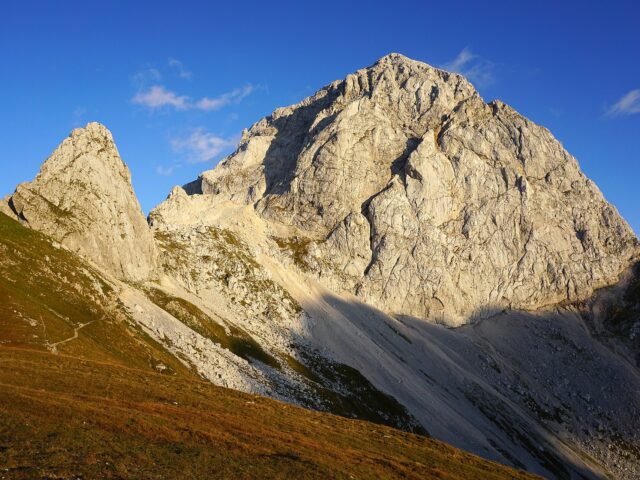
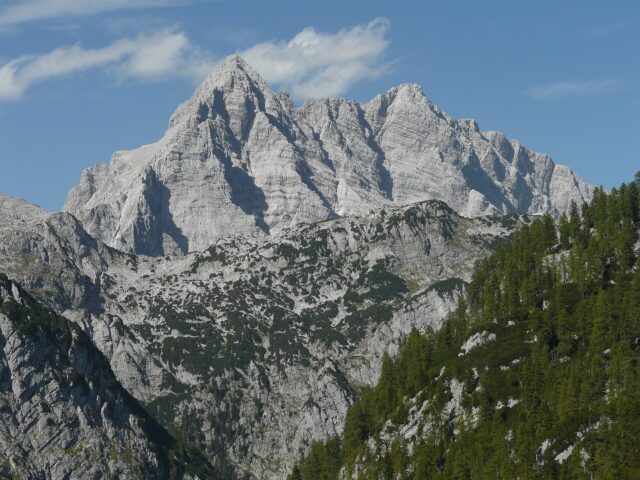
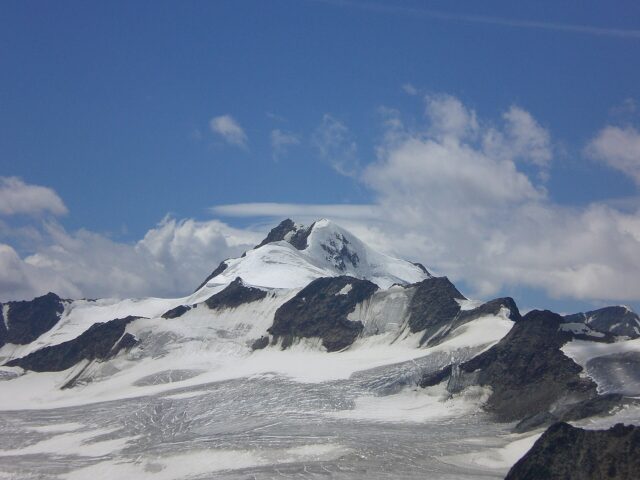
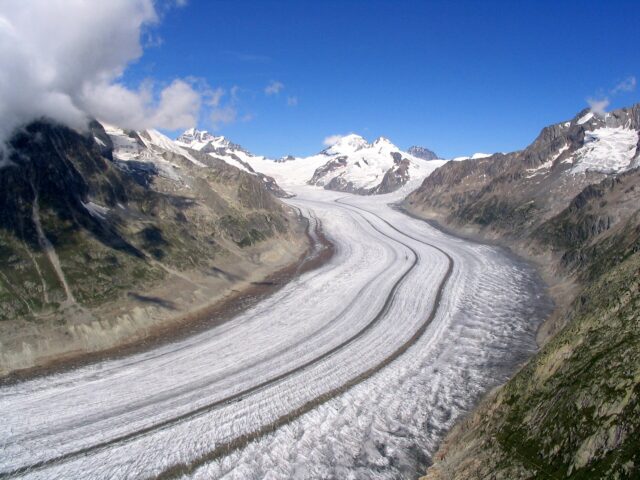
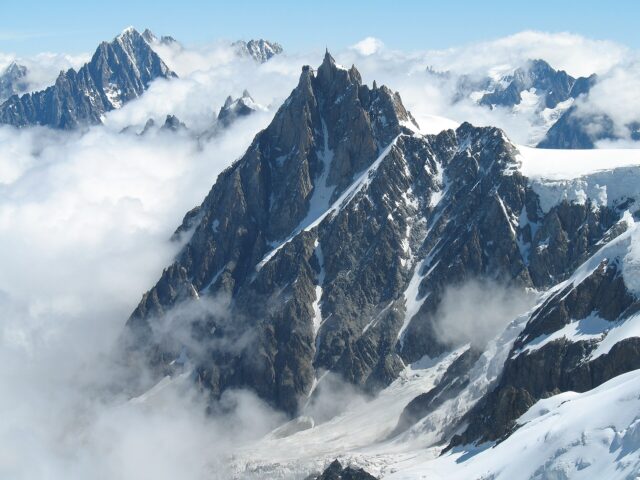
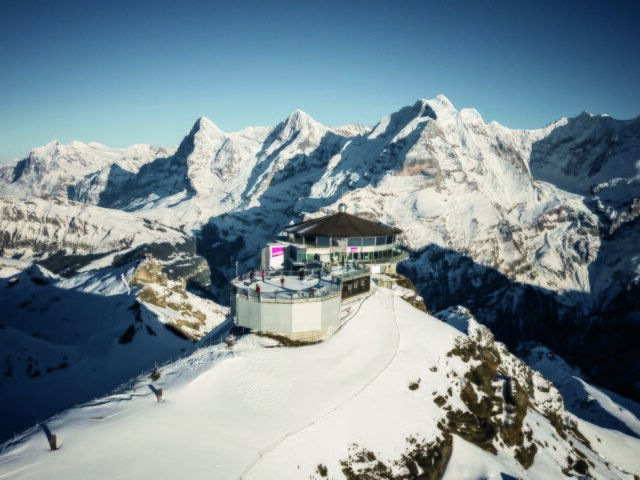
The Jungfraujoch at 3,454 m is home to the highest railway station in Europe, reached by the Jungfrau Railway, which since 1912 climbs largely through a tunnel inside the Eiger and Mönch. At the top await the Sphinx viewpoint, the Ice Palace and the view of the Aletsch Glacier. The Top of Europe is one of the most visited high-mountain destinations in the Alps.
Highlights
- Highest railway station in Europe (3,454 m), reached by rack railway
- Sphinx viewing platform with a view of the Aletsch Glacier
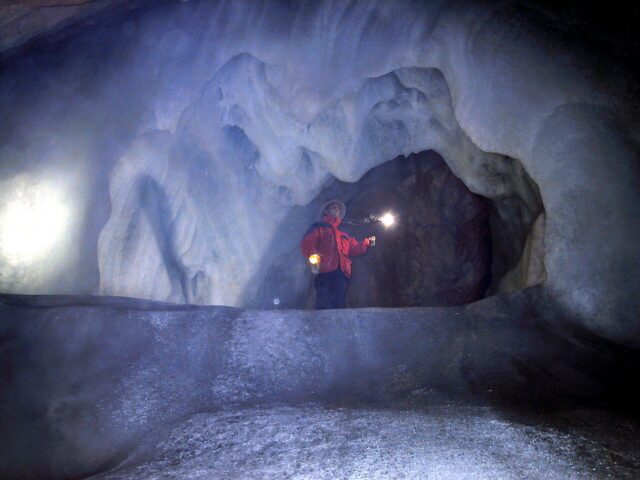
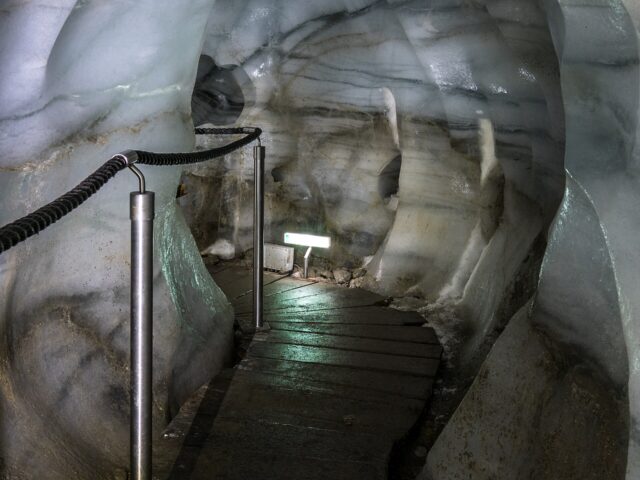
- Ice Palace inside the glacier
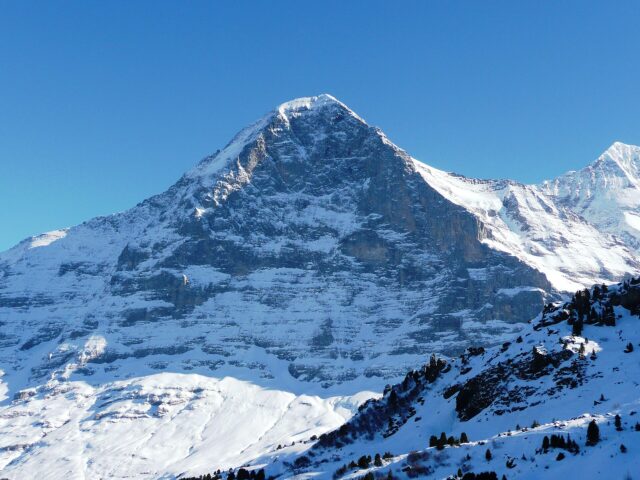
- Tunnel windows in the Eiger north face during the ride
Good to know
| Elevation | 3,454 m |
| Railway | Jungfrau Railway (since 1912) |
| Starting points | Grindelwald, Lauterbrunnen, Kleine Scheidegg |
| Special feature | highest railway station in Europe |
Practical info
Getting there: From Interlaken by train to Grindelwald or Lauterbrunnen, then via Kleine Scheidegg or the Eigergletscher station (Eiger Express) to the Jungfraujoch.
Best time: Reachable year-round; choose clear days for the long views.
Cost: Train ride comparatively expensive, online tickets with time slots (please verify).
Safety: At 3,454 m the altitude can be noticeable, move slowly; warm clothing even in summer.
Tips:
- Book early and travel early, mornings usually have the best visibility
- Check the weather report for the summit station, in fog the trip is hardly worth it
Background & History
The Jungfraujoch, marketed as the Top of Europe, is a high-alpine saddle between the Mönch and the Jungfrau in the Bernese Oberland and, with its station at around 3,454 metres, is home to the highest railway station in Europe. The Jungfrau Railway was built at the beginning of the 20th century, a bold undertaking for its time: over many years, workers drove a long tunnel through the interior of the Eiger and the Mönch to carry the rails up into these icy heights, a technical venture that cost several lives and attracted attention across Europe.
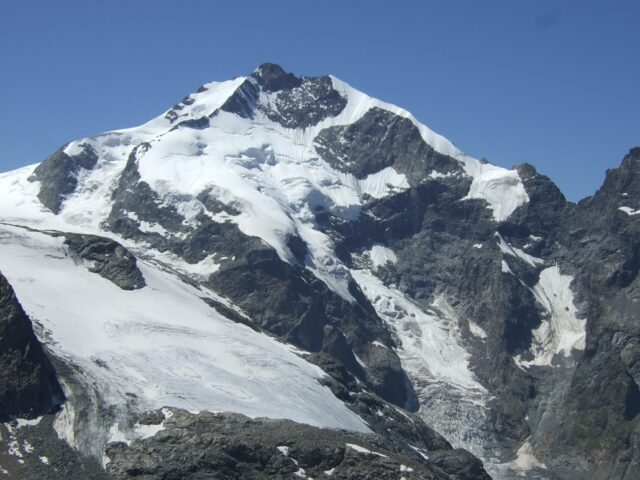
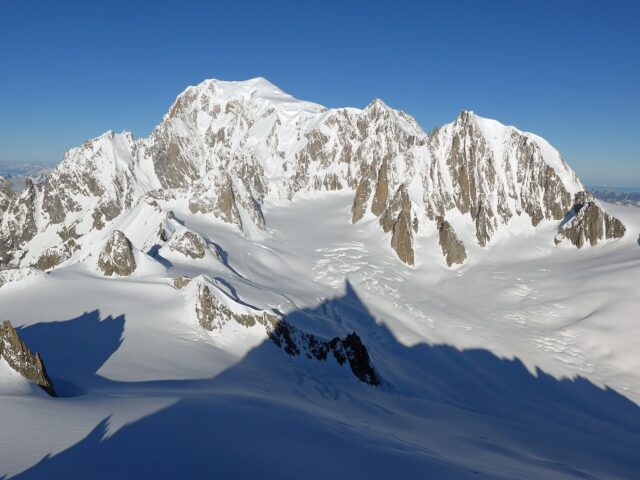
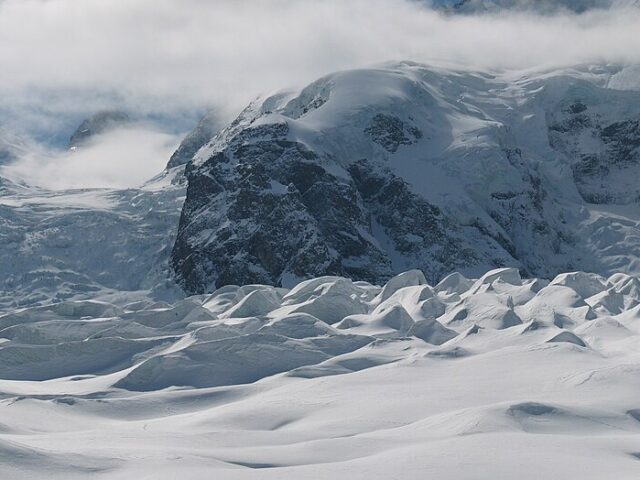
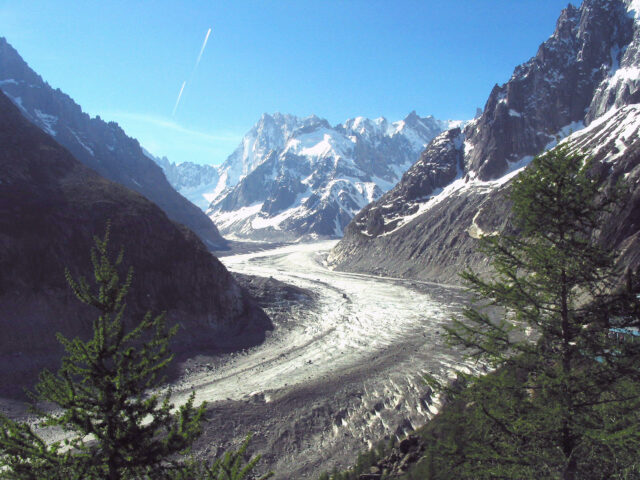
Once at the top, the view opens onto the Aletsch Glacier, the largest and longest ice stream in the Alps, which winds through the mountain world as a vast white ribbon and is today a World Natural Heritage Site. A striking rocky knoll bears the research and observation station known as the Sphinx, where for generations scientists have studied the high mountains, the atmosphere and the climate. The Jungfrau itself, whose name recalls a maiden and probably goes back to an alpine pasture once belonging to a convent, forms together with the Eiger and the Mönch the famous triad of the Bernese Oberland. An ice palace has also been carved into the rock of the col, its passages and sculptures shaped from the glacier itself. The Jungfraujoch thus combines the pioneering spirit of the early mountain-railway era with the enduring task of research, while at the same time granting visitors a glimpse into a world of ice that is otherwise open only to mountaineers.
To make your trip run smoothly , our guides and gear tips for this destination: