Seiser Alm / Alpe di Siusi
Europe's largest high alpine meadow, before Schlern and Rosengarten
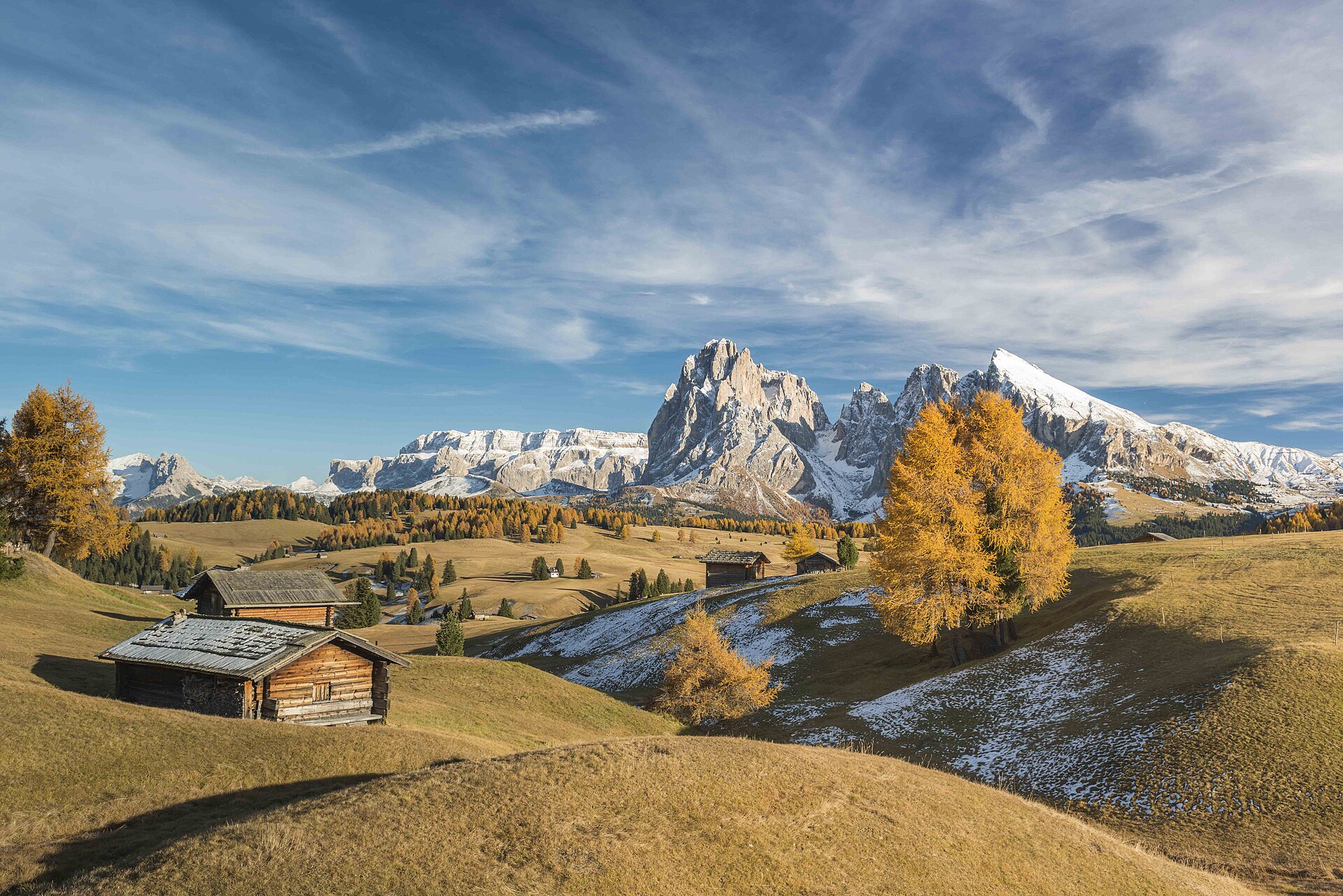
Photo: Sammerci / Wikimedia Commons (CC BY-SA 4.0)
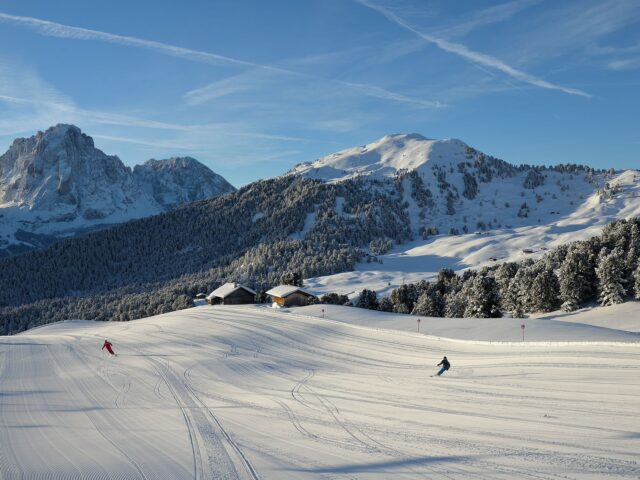
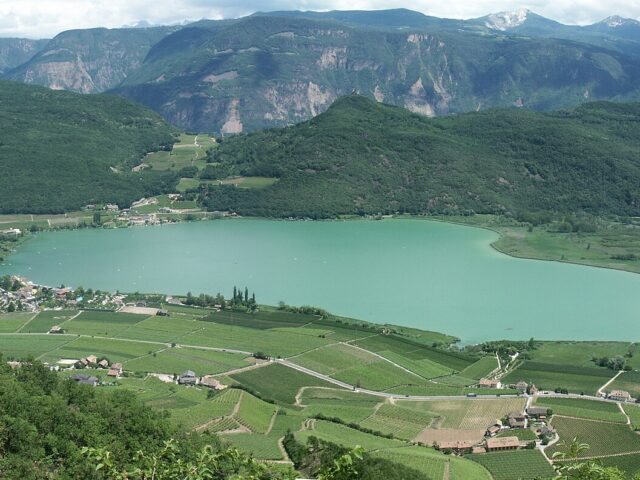
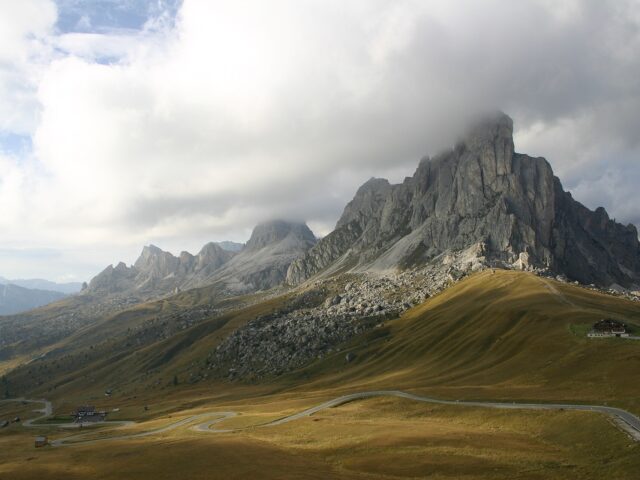
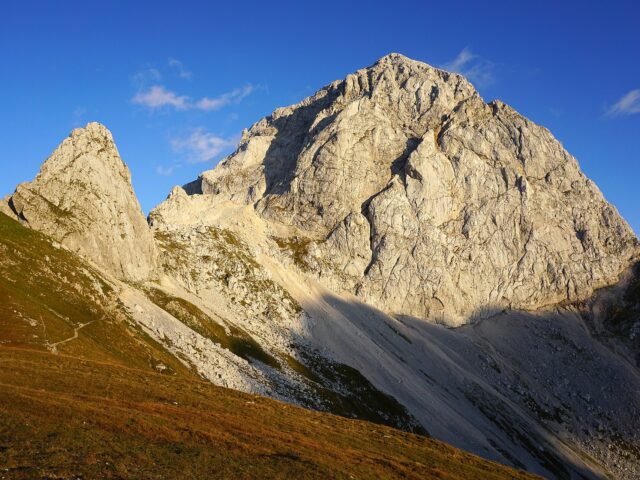
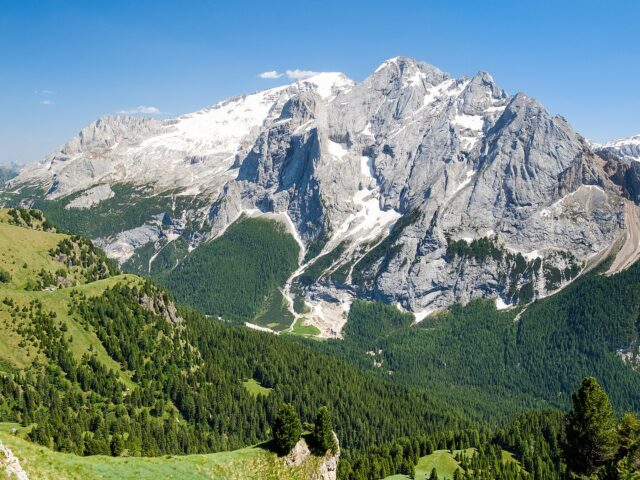
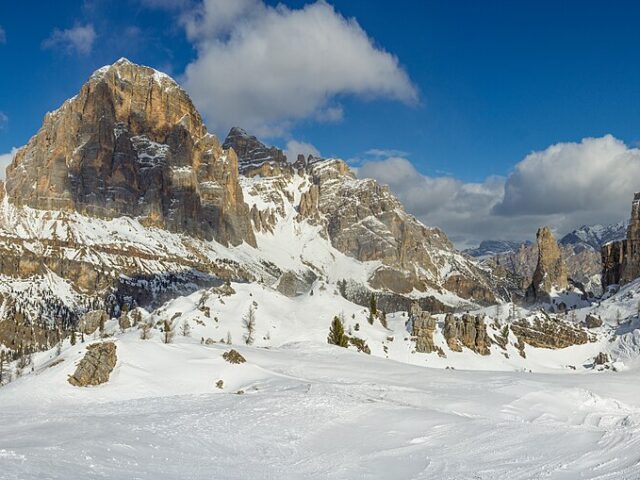
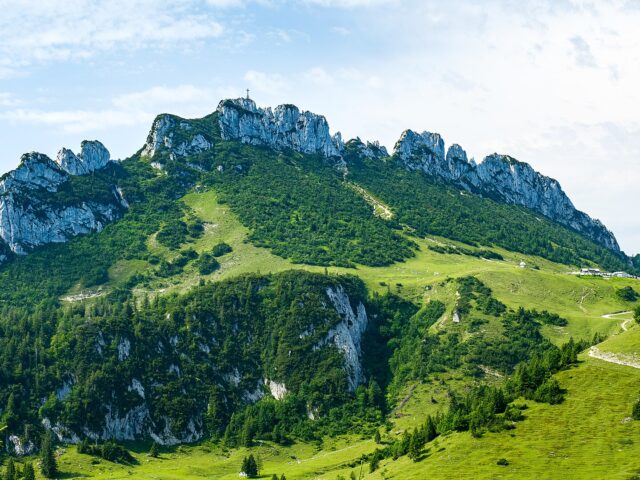
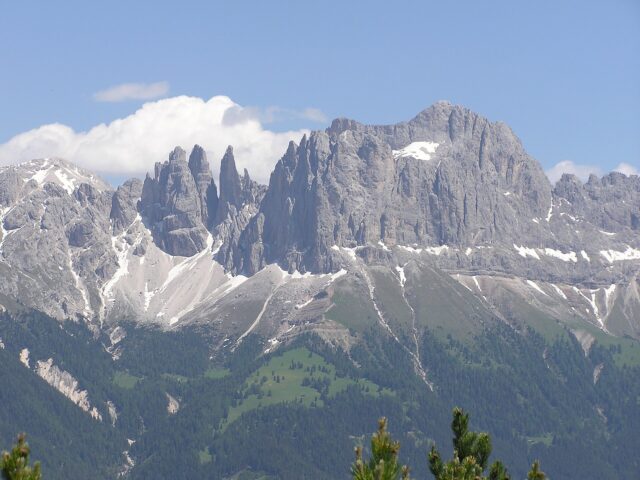
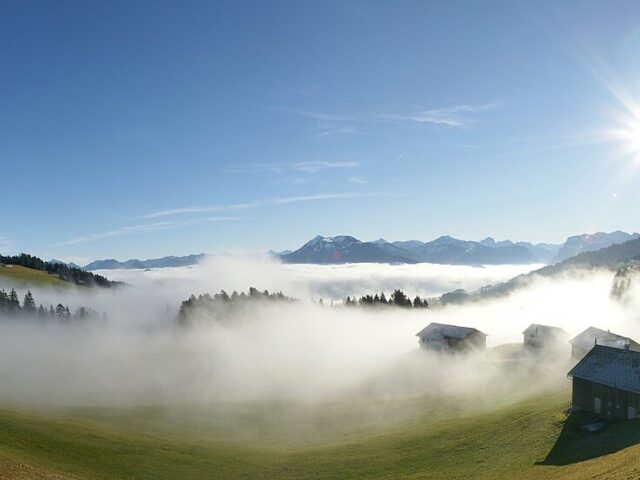
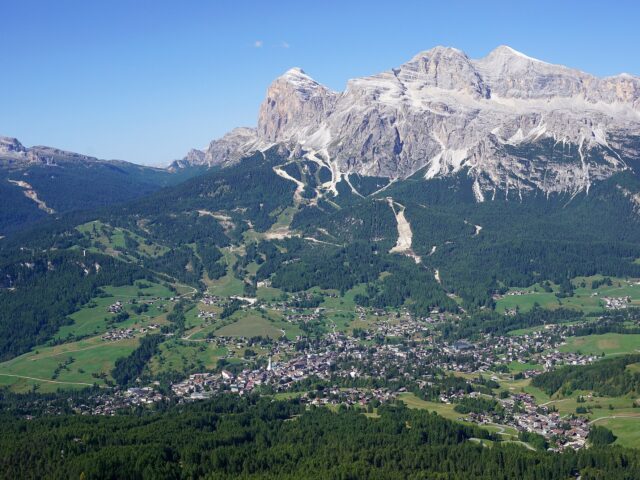
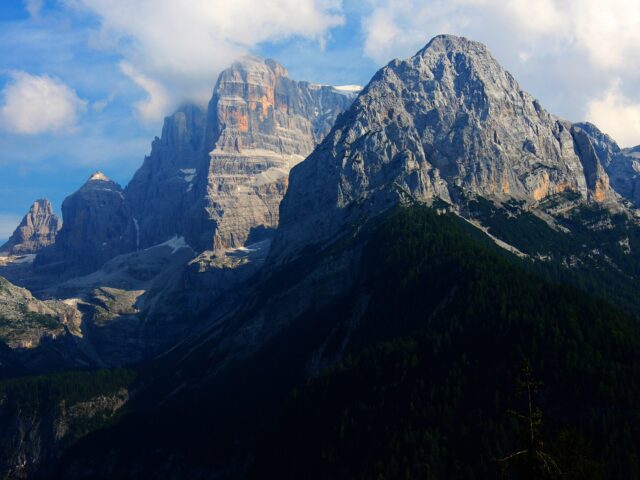
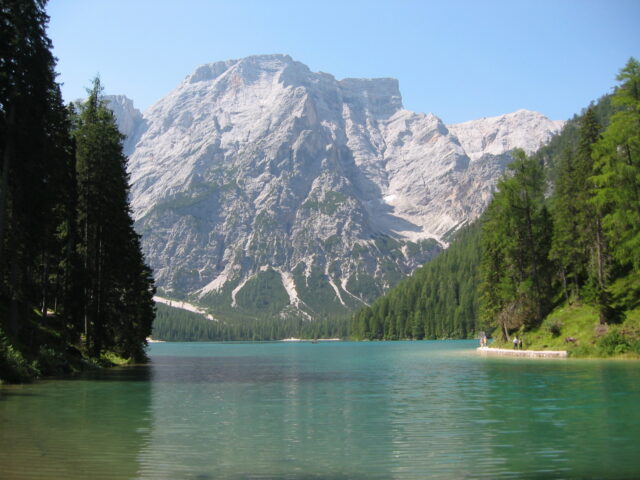
The Seiser Alm is, at around 56 km², the largest high-altitude alpine meadow in Europe, a broad, gently rolling meadow landscape at about 1,700 to 2,300 m. Against the backdrop of the Schlern, Langkofel and Plattkofel it is a hiking paradise in summer and a cross-country and ski paradise in winter. To protect the landscape, access is heavily restricted during the day.
Highlights
- Europe's largest high alpine meadow with a wide Dolomite panorama
- Schlern, Langkofel and Plattkofel as a backdrop
- Gentle hiking and cross-country trails on the high plain
- Cable car from the valley instead of your own drive
Good to know
| Area | around 56 km² (largest high alpine meadow in Europe) |
| Elevation | approx. 1,700–2,300 m |
| Backdrop | Schlern, Langkofel, Plattkofel |
| Access | heavily restricted during the day |
Practical info
Getting there: With the Seiser Alm cable car from Seis; car access closed during the day or only for overnight guests.
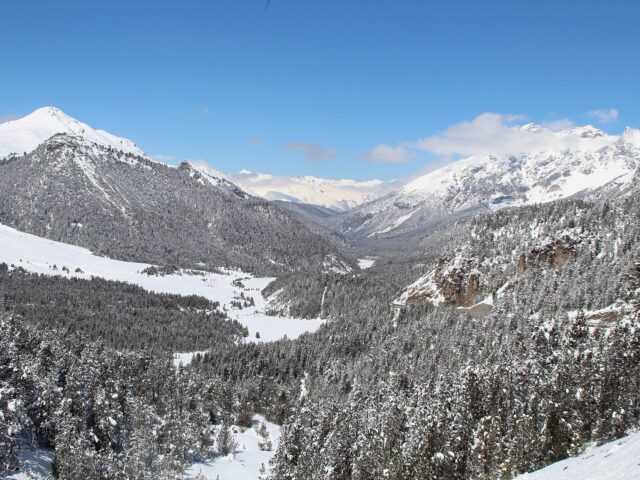
Best time: Hiking June to October; cross-country and skiing December to March.
Cost: Cable car and mountain railways payable (please verify).
Safety: Easy hiking terrain; mind weather and afternoon thunderstorms.
Tips:
- Taking the cable car up avoids the access restriction
- Early or late in the day, light and quiet are at their finest
Background & History
The Seiser Alm, Italian Alpe di Siusi, is the largest high alpine pasture in Europe, a wide, sweeping sea of meadows at around 1800 to 2300 metres, above which rise the jagged rock towers of the Langkofel and the Plattkofel. Like the whole of the Dolomites, its bedrock too consists of the petrified remains of tropical coral reefs that grew more than 200 million years ago at the edge of a warm primeval sea. Only the collision of the continental plates lifted up these limestone massifs; the French researcher Déodat de Dolomieu gave the rock, and thus the whole mountain range, its name in the 18th century.
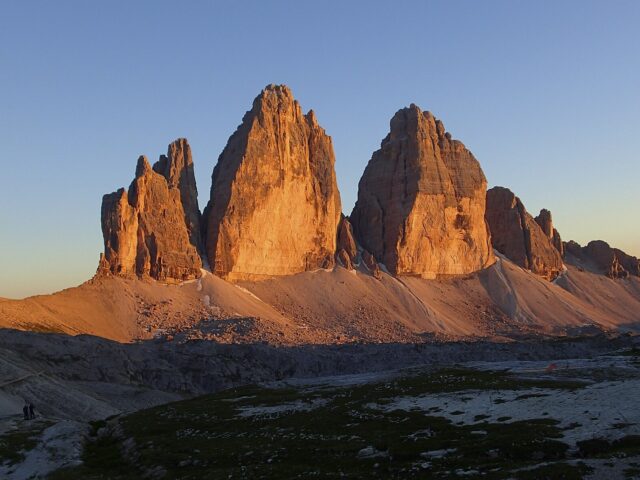
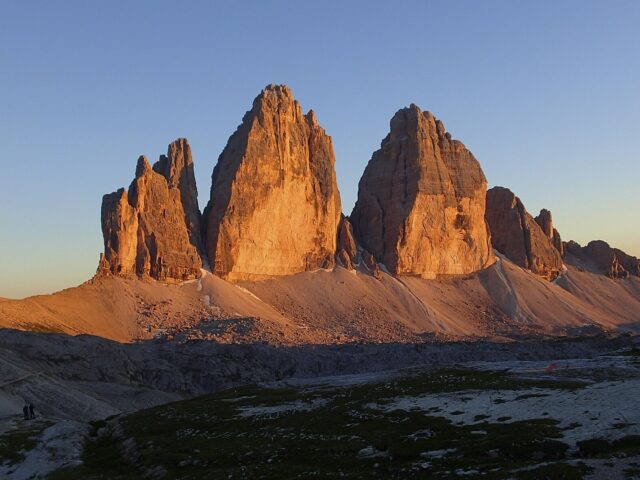
For centuries the mountain farmers from the Ladin valleys shaped the image of the alpine pasture. Ladin, an old Rhaeto-Romance idiom, is still spoken in the surrounding Dolomite valleys today and tells of a culture that has held its own between the great language areas. In summer the farmers drive their cattle up to the high pastures, in autumn the meadows glow golden, before the snow transforms the slopes into a wide ski landscape. That the sun colours the rock faces pink in the evening, the famous Enrosadira, has always belonged to the legends and wonders of this landscape. An old Ladin legend explains the glow with the sunken rose garden of a king, whose blossoms the mountain carries within itself forever.
To make your trip run smoothly , our guides and gear tips for this destination: