Silvretta High Alpine Road
Panoramic toll road over the Bielerhöhe
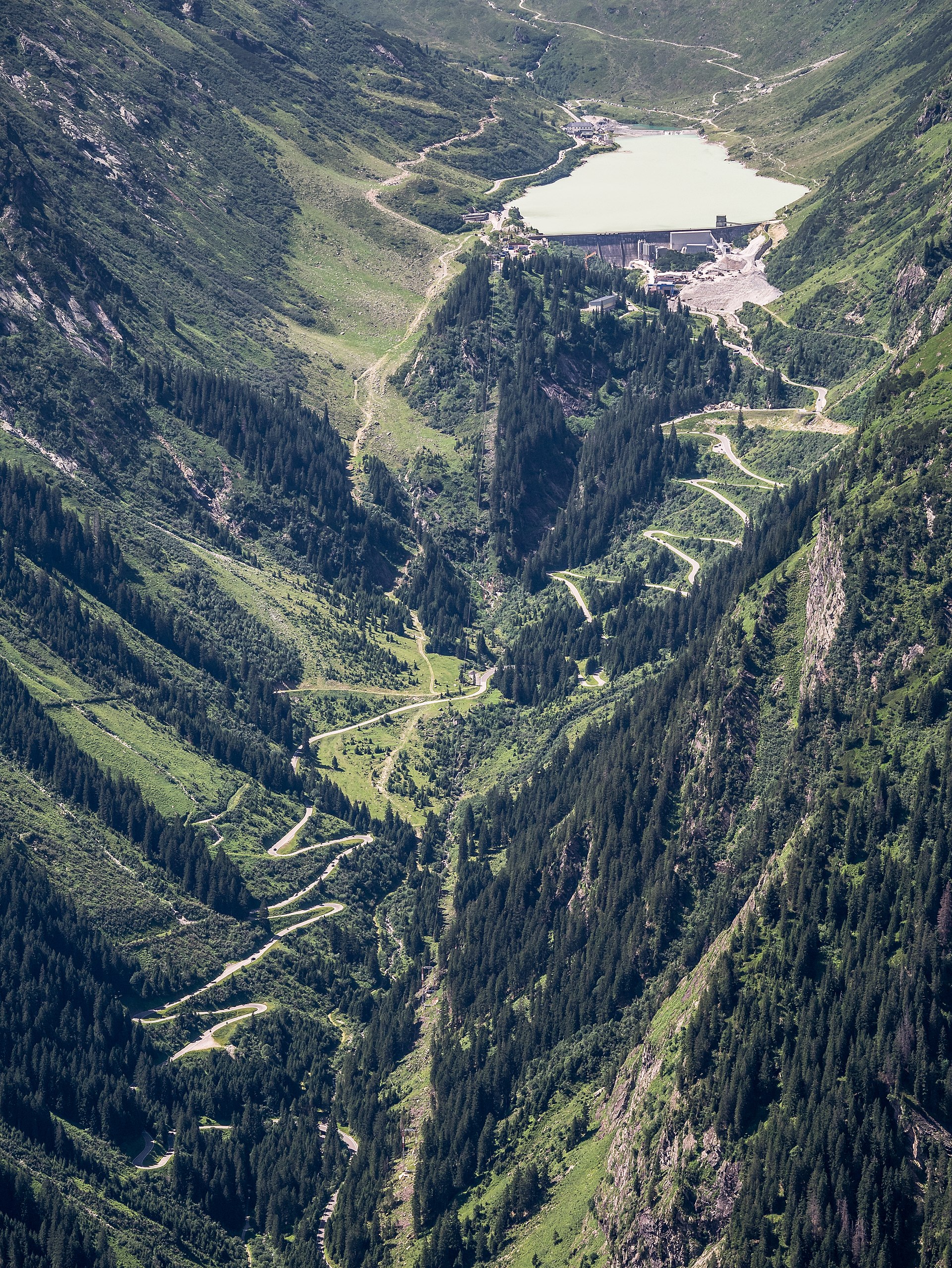
Photo: Basotxerri / Wikimedia Commons (CC BY-SA 4.0)
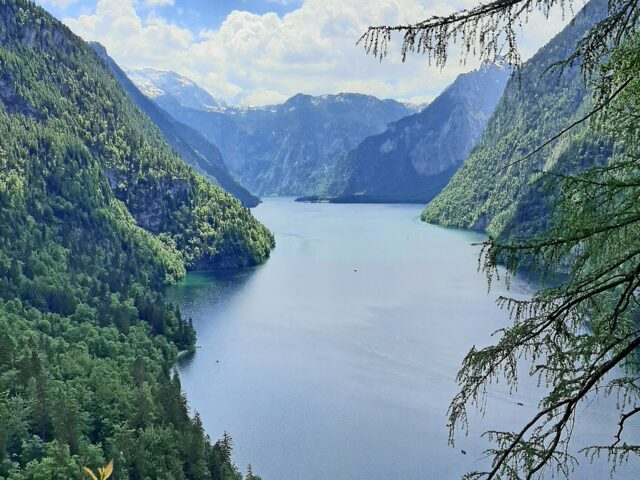
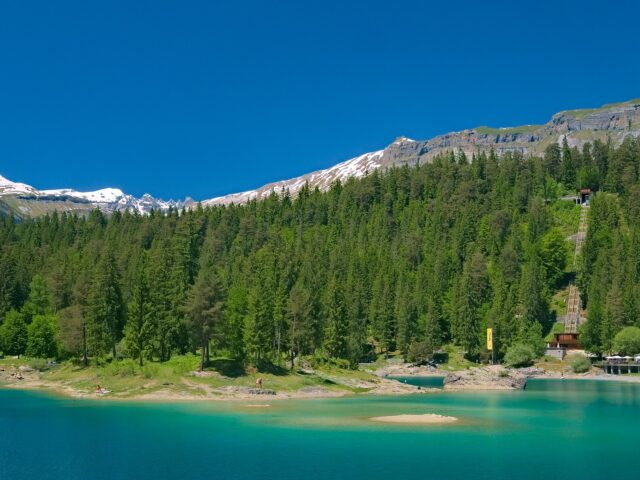
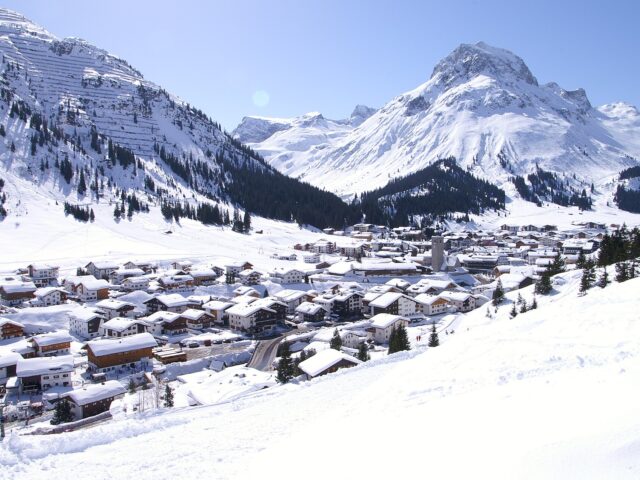
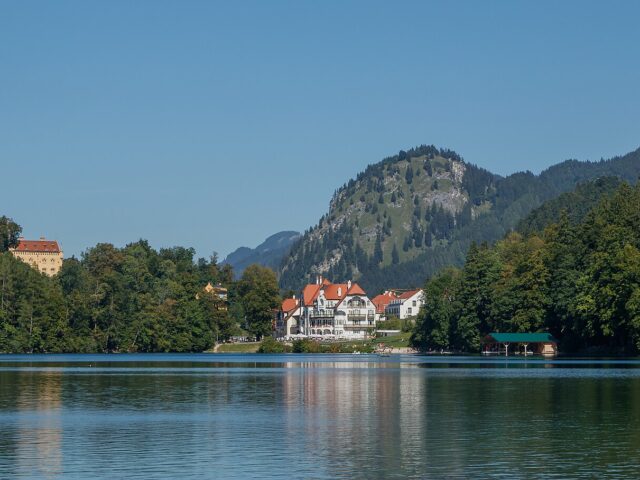
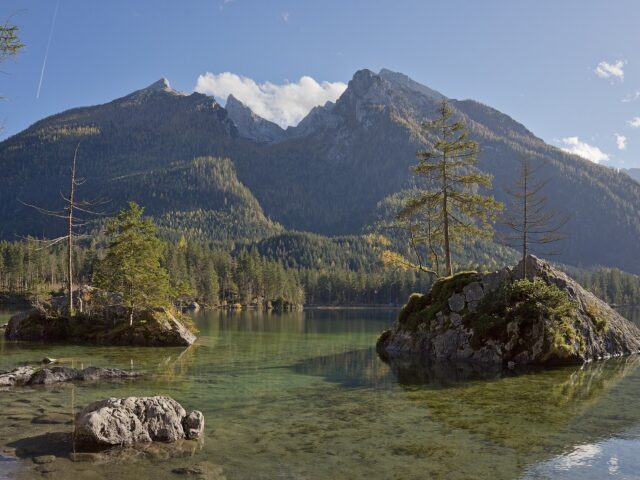
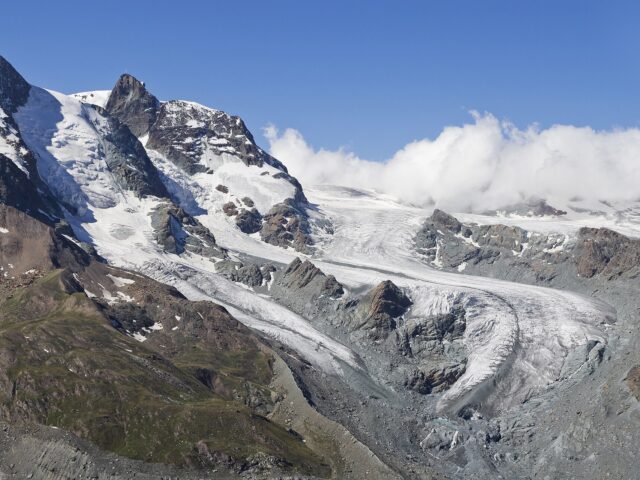
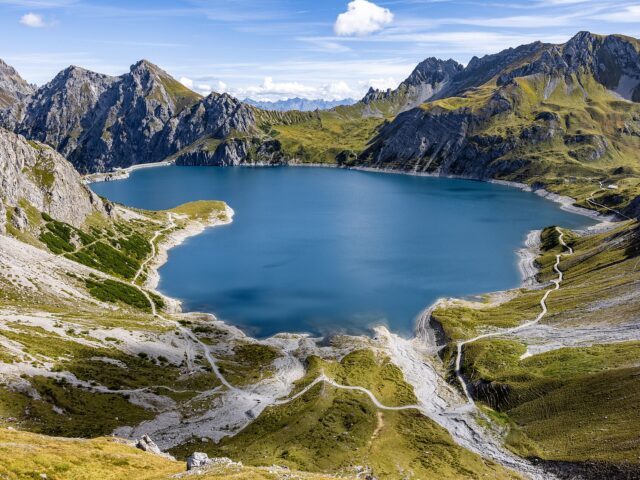
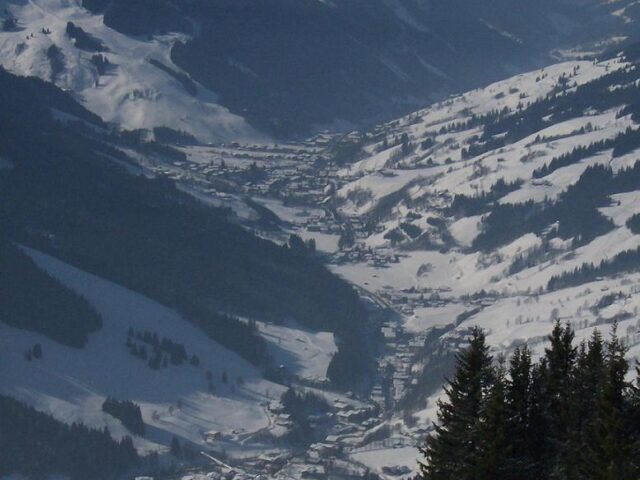
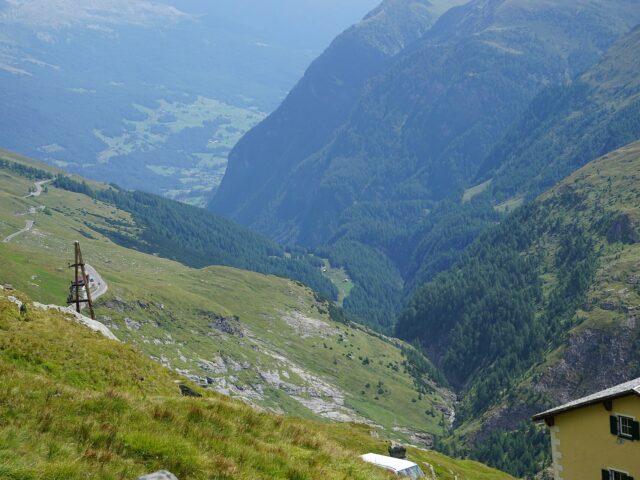
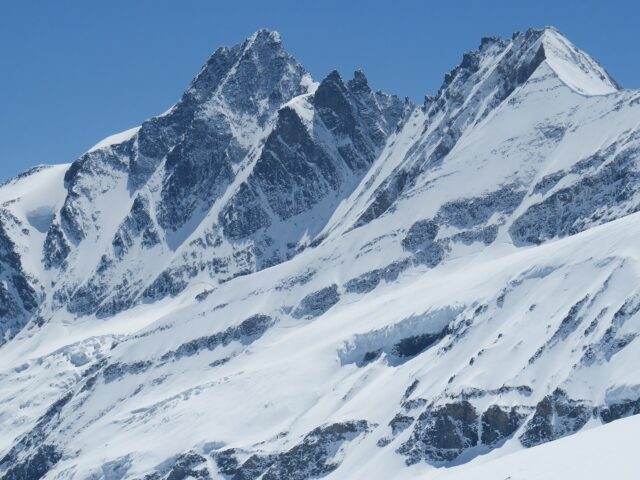
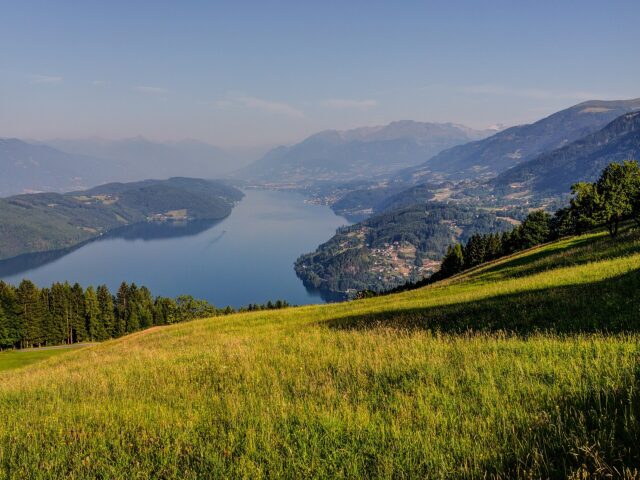
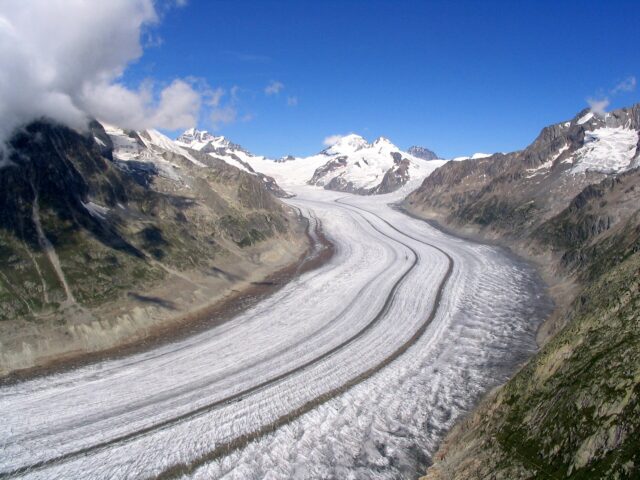
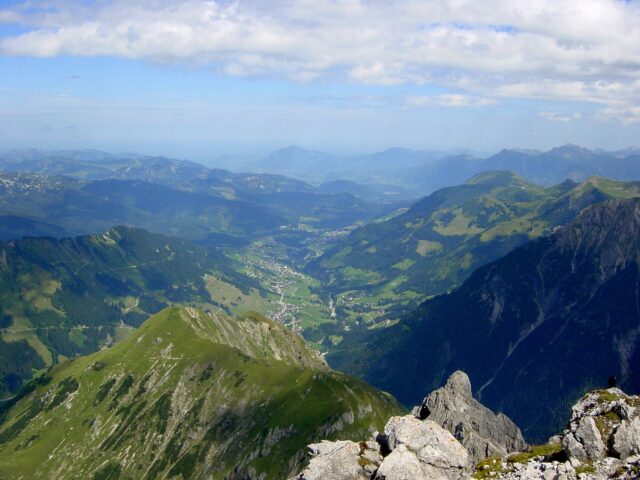
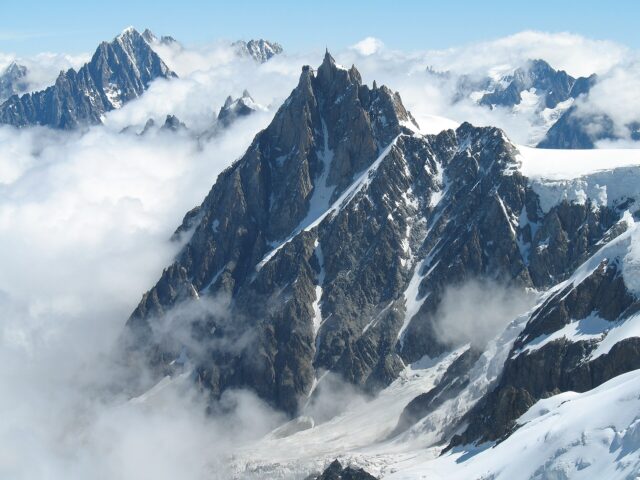
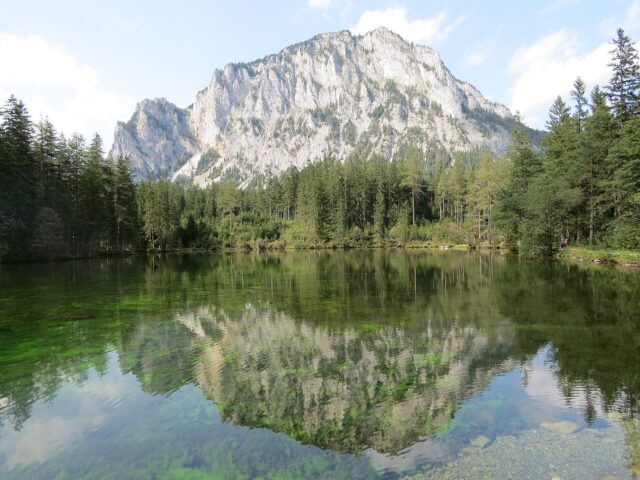
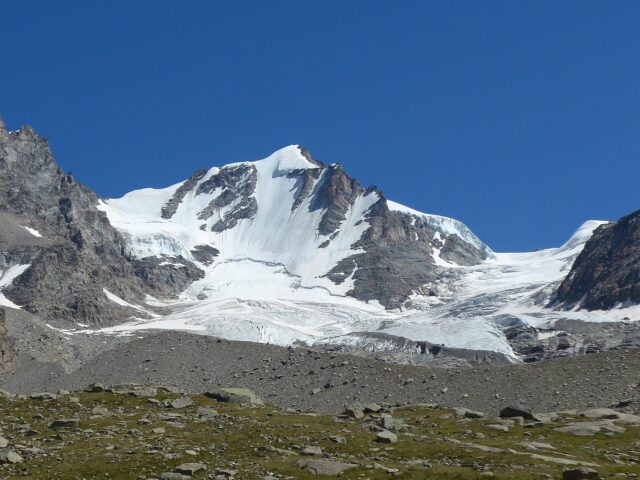
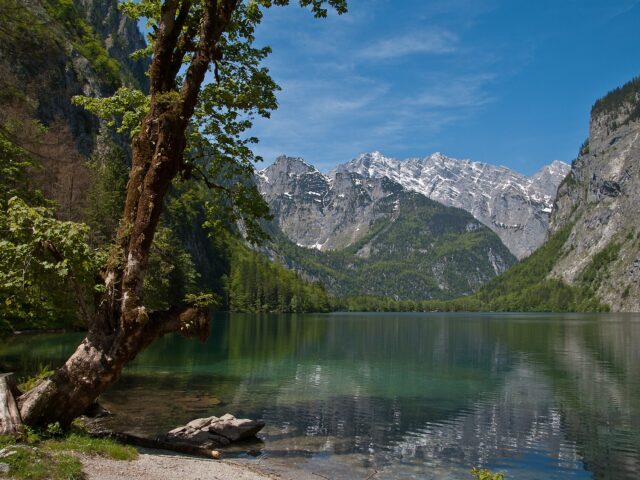
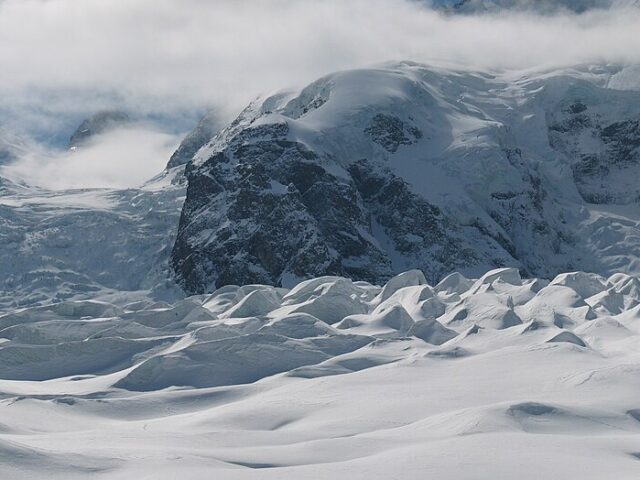
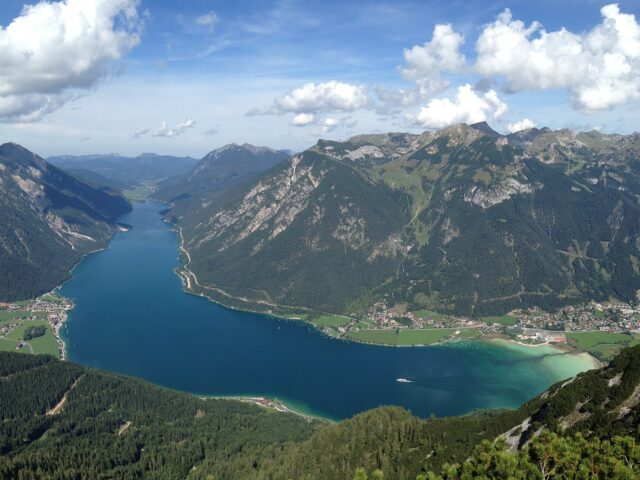
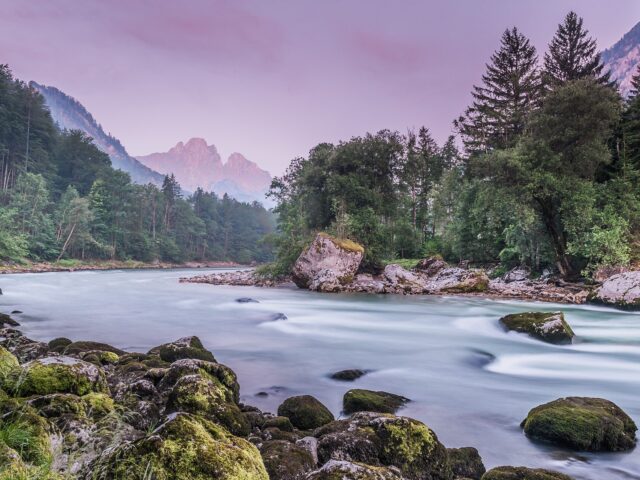
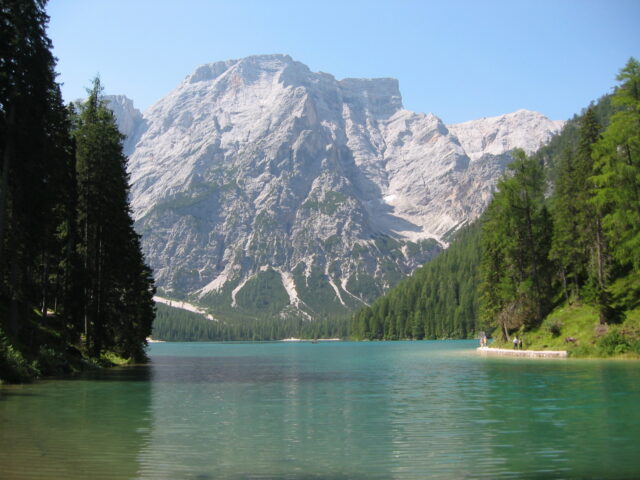
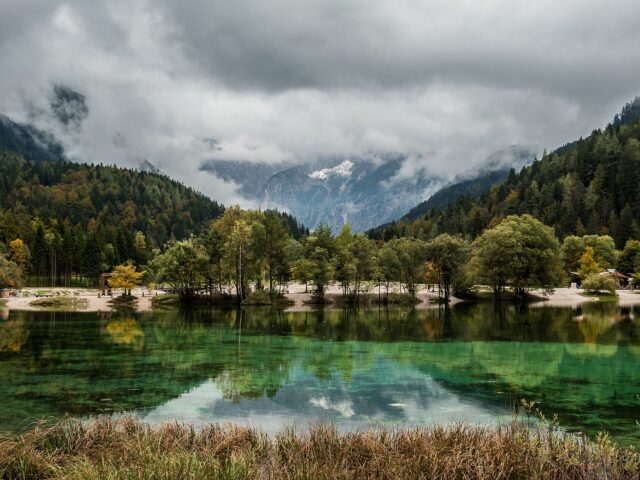
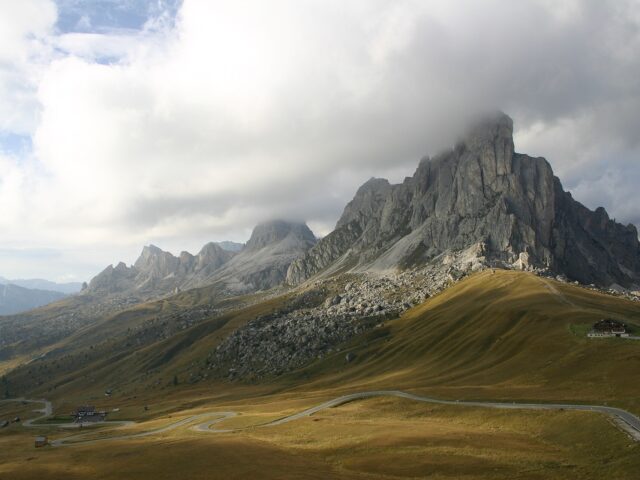
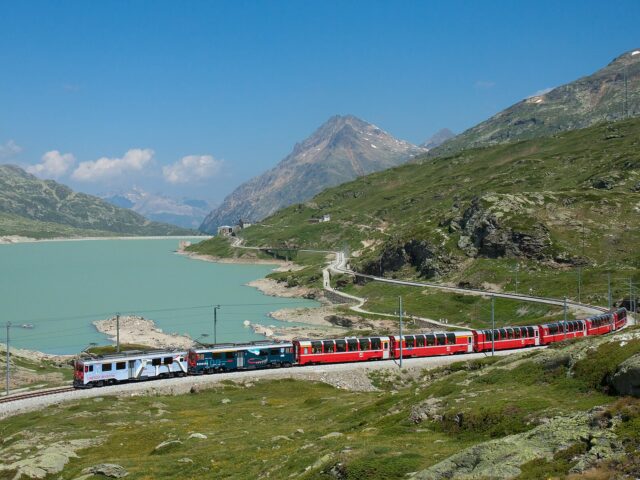
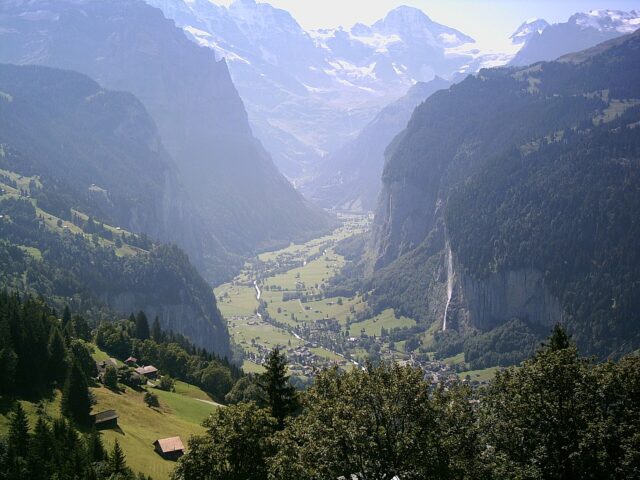
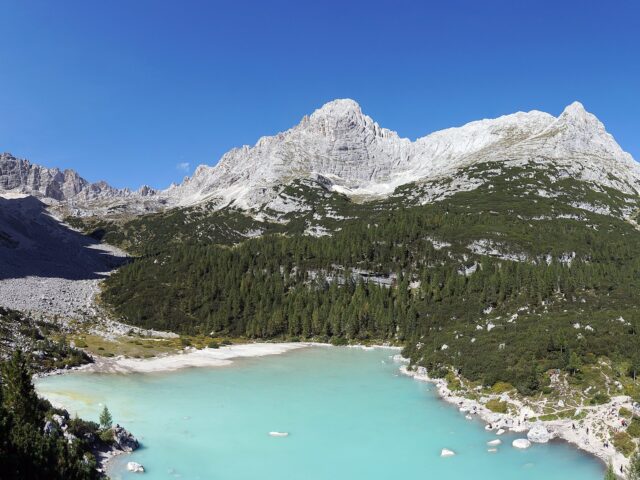
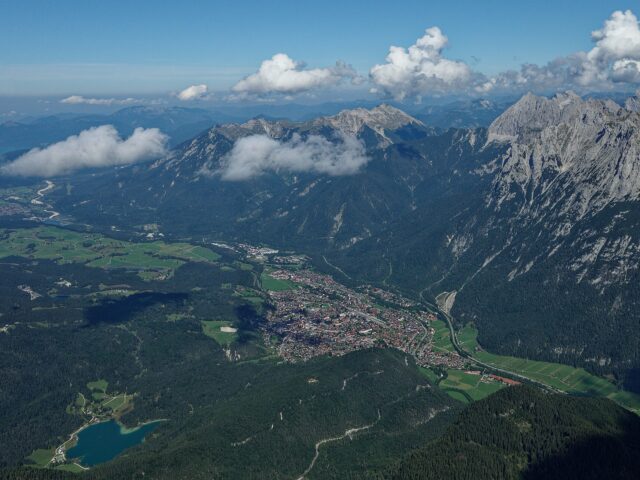
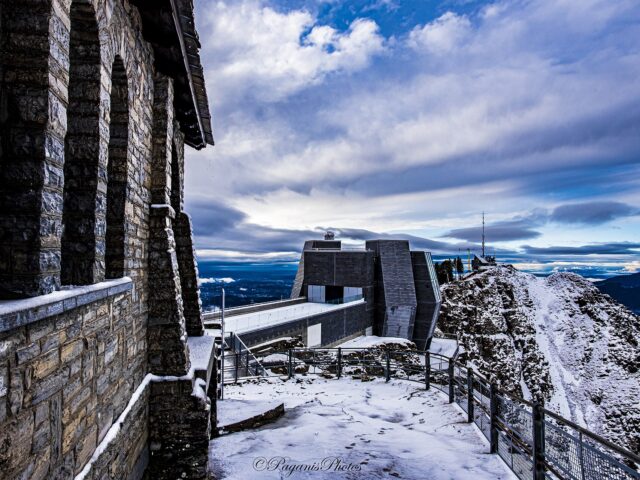
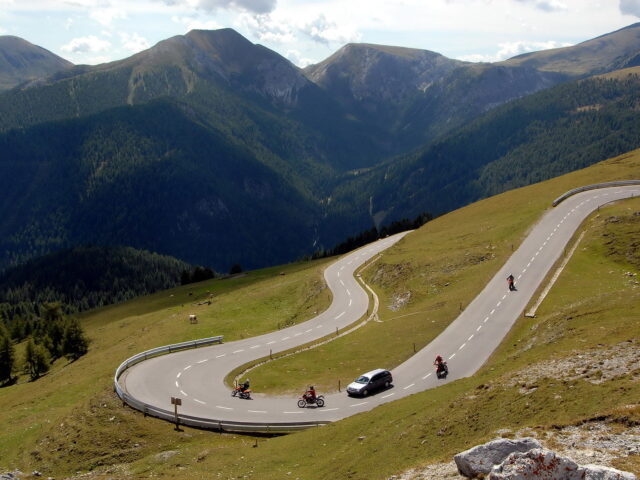
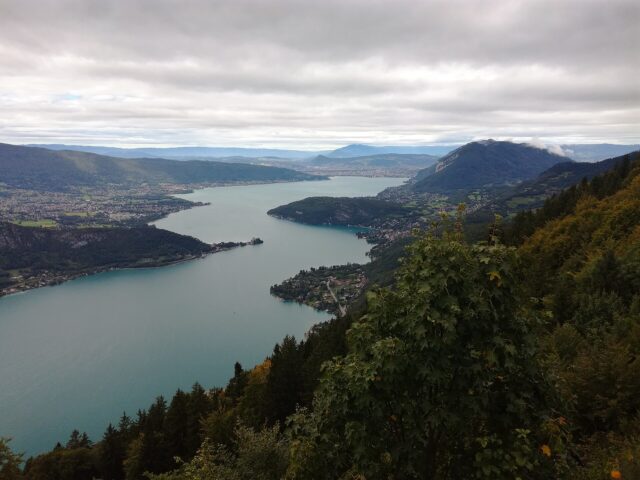
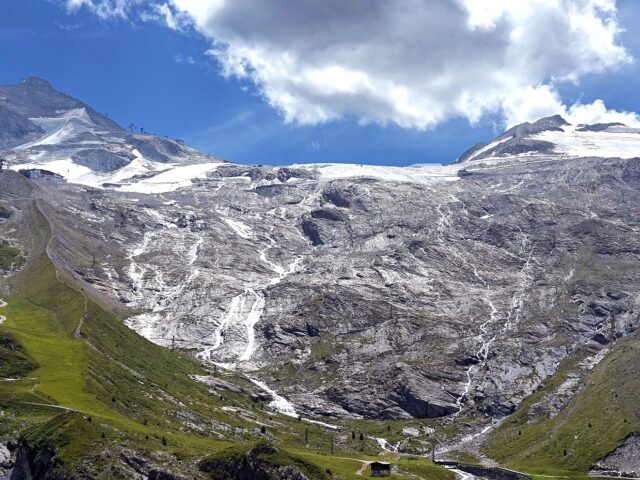
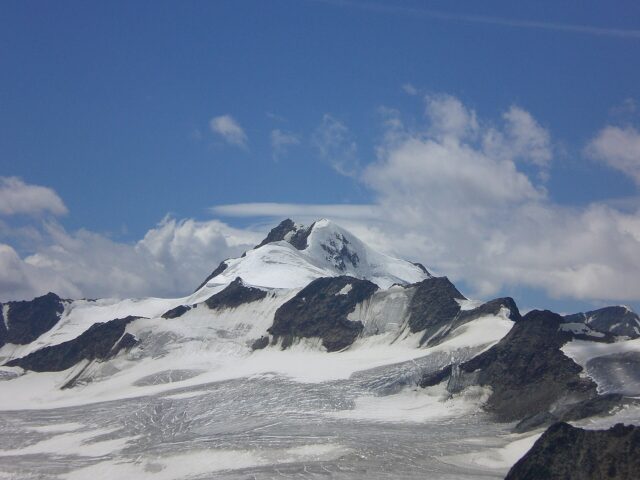
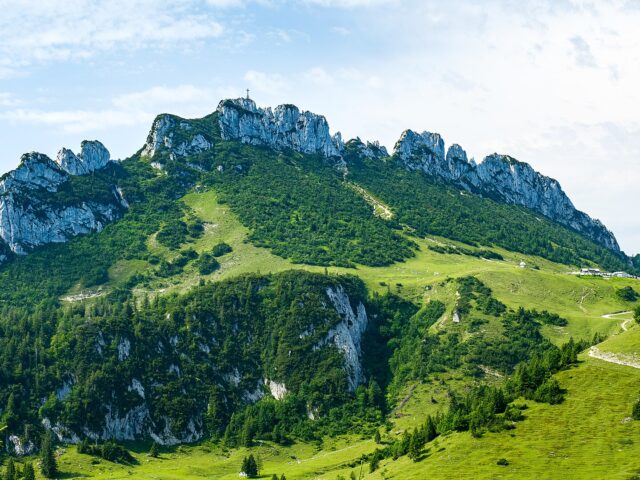
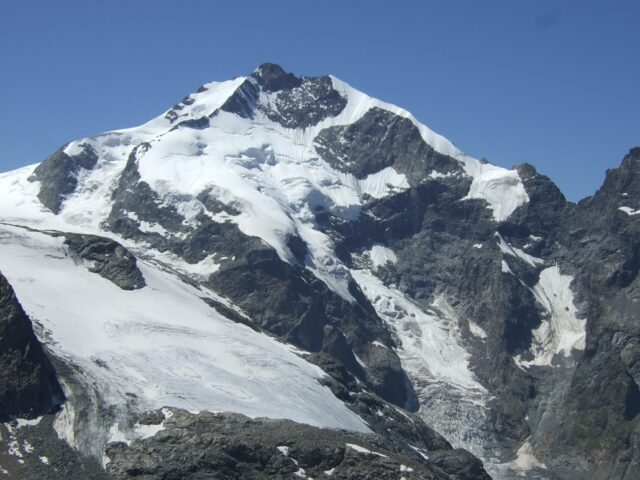
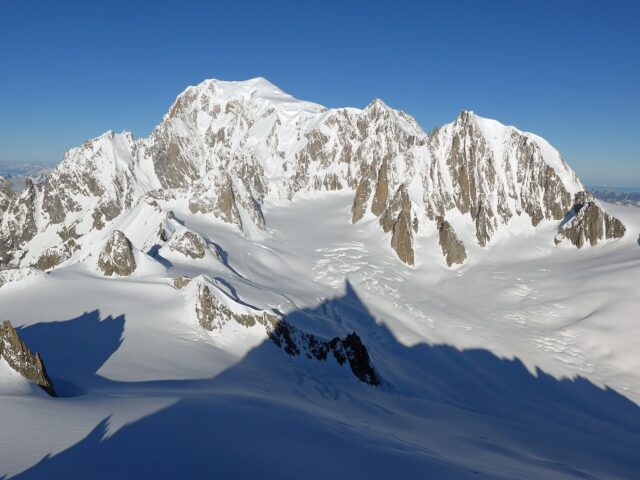
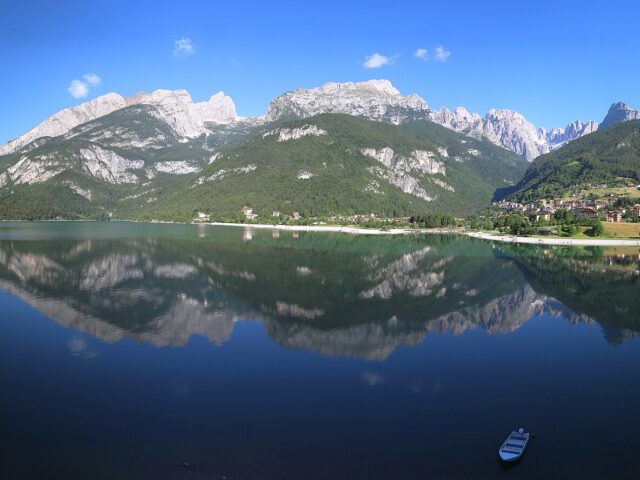
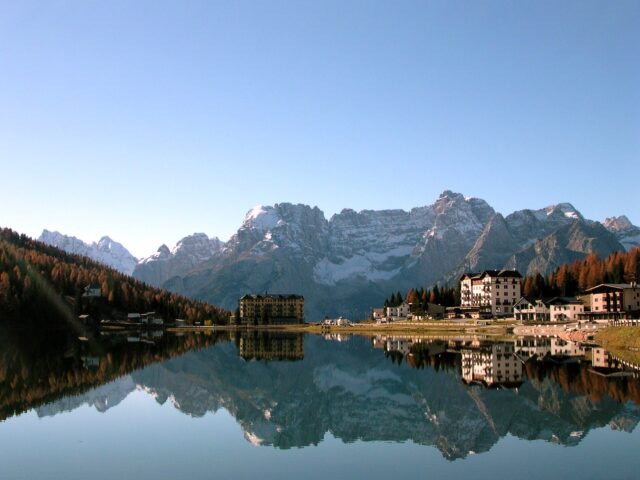
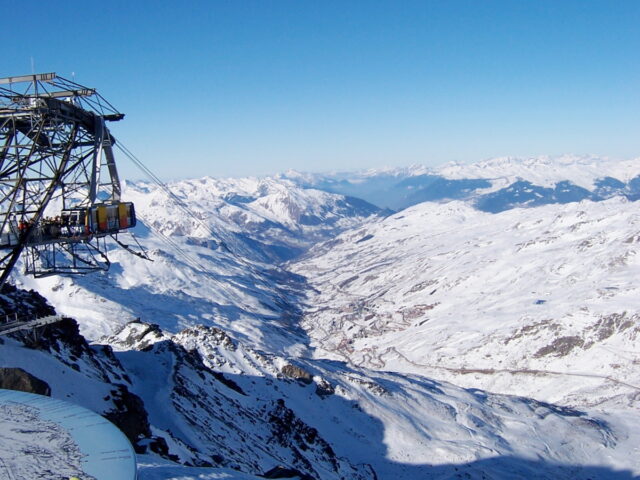
The Silvretta High Alpine Road links the Montafon with the Tyrolean Paznaun and crosses the Bielerhöhe at around 2,032 m. On the pass, the Silvretta reservoir reflects the glaciated peaks of the Silvretta, among them the Piz Buin. Numerous hairpins and viewpoints make the toll road one of the finest Alpine pass roads.
Highlights
- Bielerhöhe pass (around 2,032 m)
- Silvretta reservoir with glacier reflection
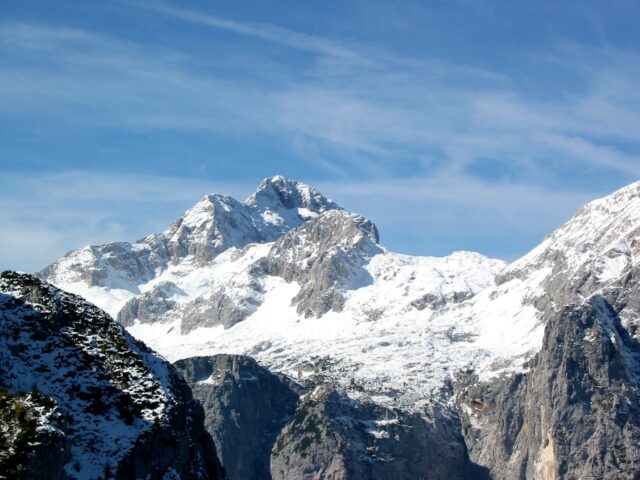
- View of the Piz Buin
- Starting point for high-mountain hikes
Good to know
| Summit point | Bielerhöhe, around 2,032 m |
| Reservoir | Silvretta-Stausee |
| Connection | Montafon – Paznaun |
| Mountain range | Silvretta (Piz Buin 3,312 m) |
Practical info
Getting there: By car or motorcycle over the toll road; open seasonally.
Best time: Roughly June to October (winter closure, please verify).
Cost: Toll road payable (please verify).
Safety: Winding mountain road; closed when snowy, check opening times.
Tips:
- At the reservoir a walk around is worthwhile
- Drive early, the pass is busiest at midday
Background & History
The Silvretta High Alpine Road sweeps up in countless hairpins from Partenen in Vorarlberg over the Bielerhöhe into Tyrol, crossing the pass at around 2000 metres altitude. It was built in the 1950s not solely for travellers, but in the course of the construction of the great Silvretta reservoirs, with which the hydropower of the glaciated mountains was harnessed for electricity generation. Thus the road combines engineering and high-mountain romance to this day: the turquoise-shimmering Silvretta reservoir at the top of the pass mirrors the surrounding three-thousand-metre peaks as if in a painting.
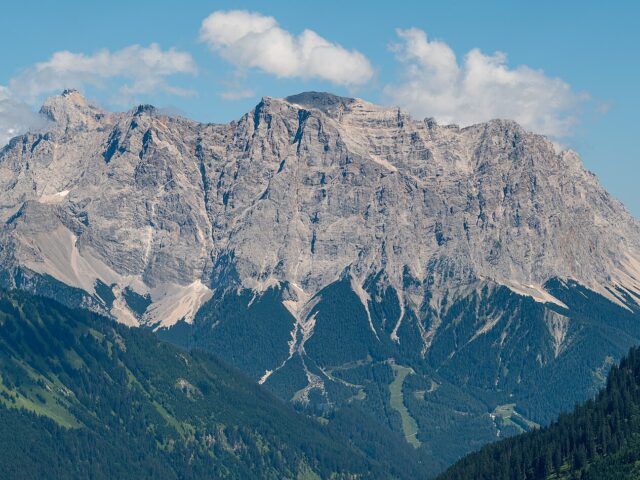
Towering over everything is the Piz Buin, at 3312 metres the best-known peak of the Silvretta. Its first ascent in 1865 belongs to the classic chapters of Alpine exploration, and its name later even entered everyday life as a sunscreen brand. The Silvretta itself is known as the “blue Silvretta”, a mountain range of crystalline primary rock that differs markedly in colour from the pale Limestone Alps. Those who drive the road cross a landscape that was once reserved only for shepherds, smugglers and mountaineers and became accessible to many only through the reservoir and the serpentine roads. In summer the top of the pass becomes a starting point for hikes to high-lying huts, while in winter it rests under a thick blanket of snow and is closed to traffic.
To make your trip run smoothly , our guides and gear tips for this destination: