Morteratschgletscher
Accessible glacier in the Engadin
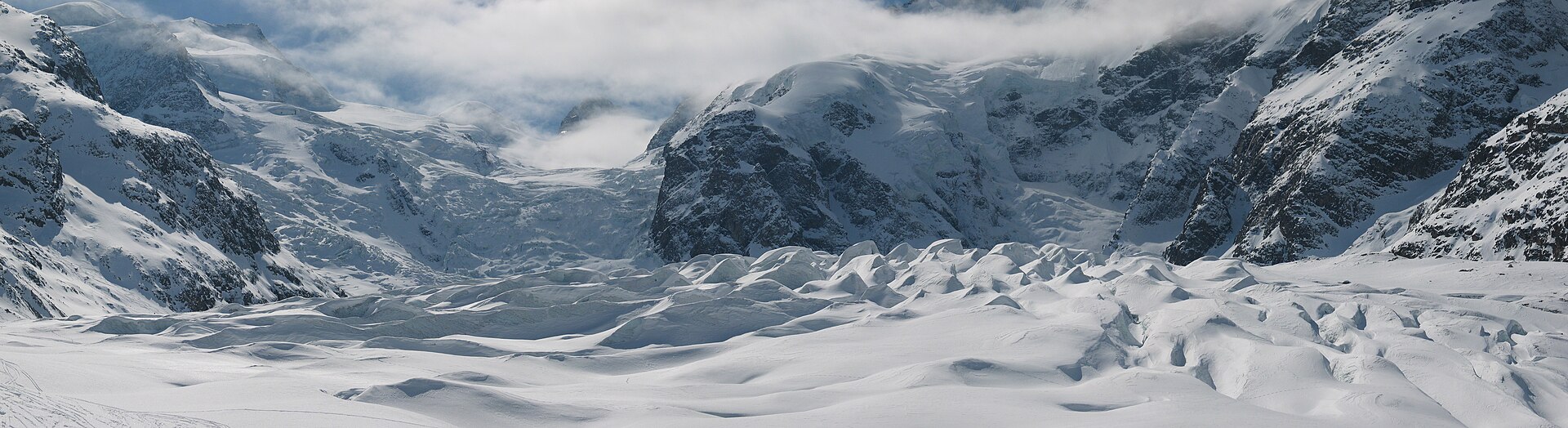
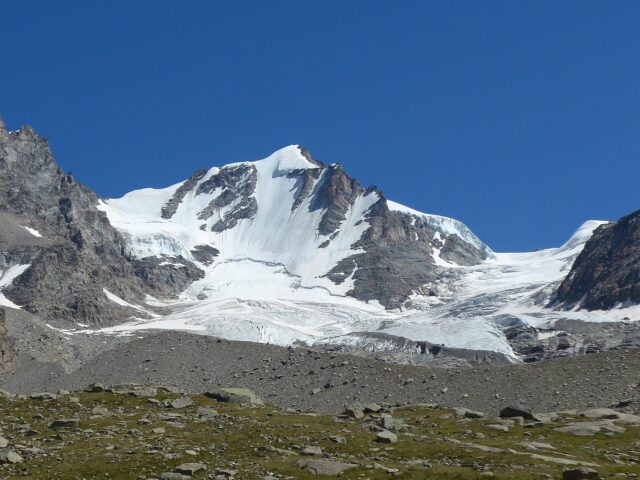
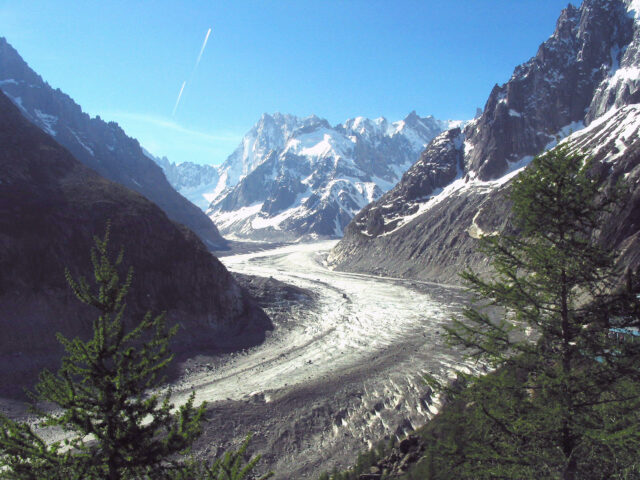
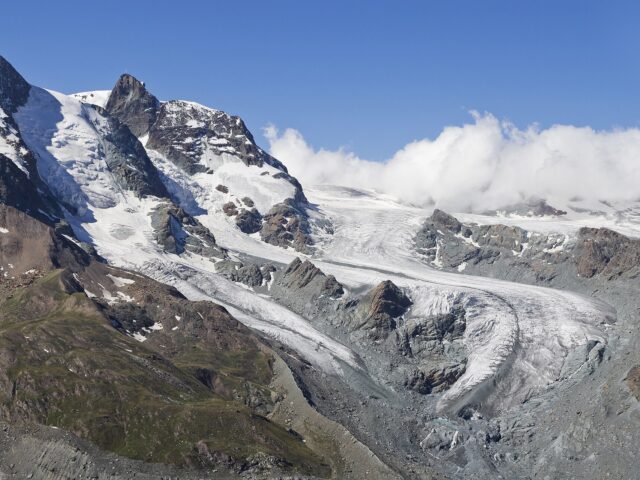
Photo: Daniel Schwen / Wikimedia Commons (CC BY-SA 2.5)
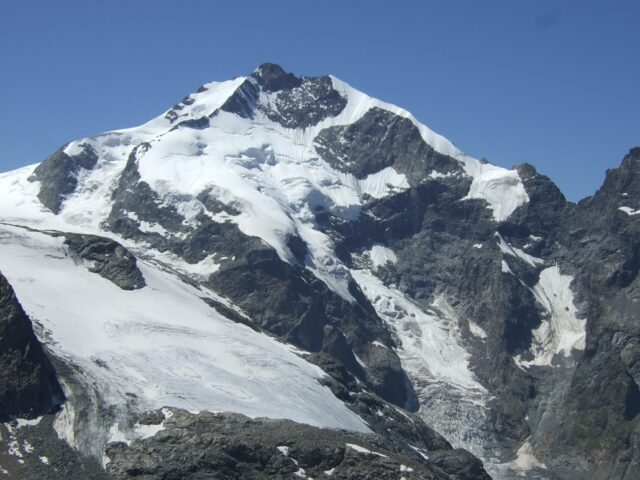
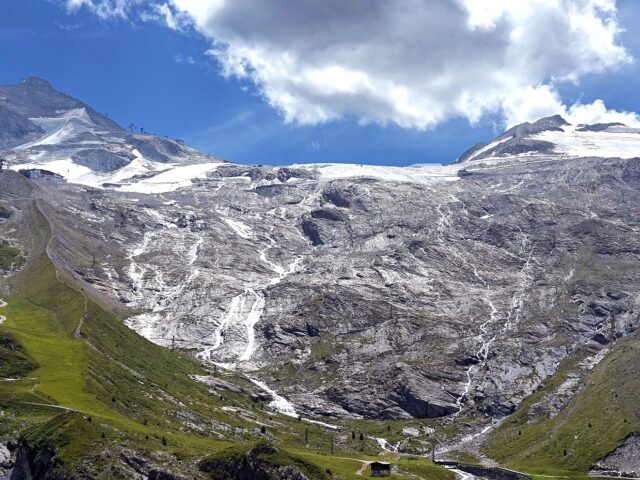
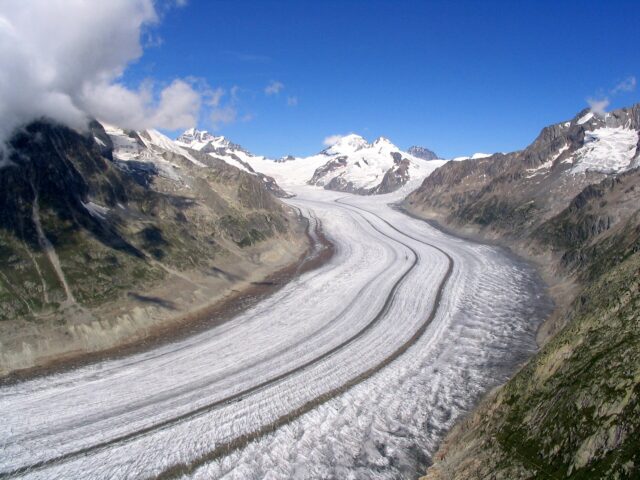
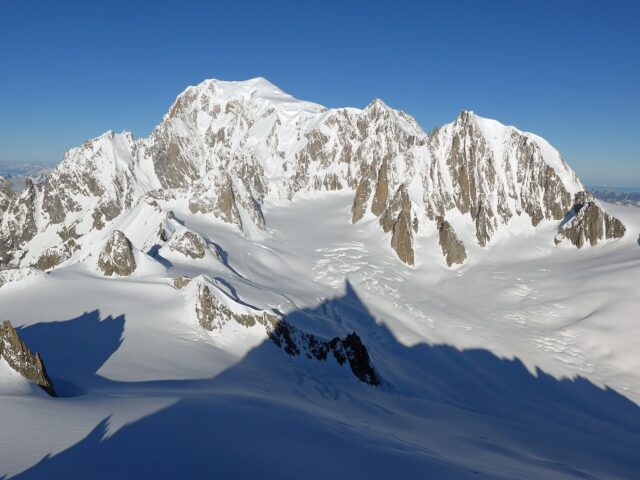
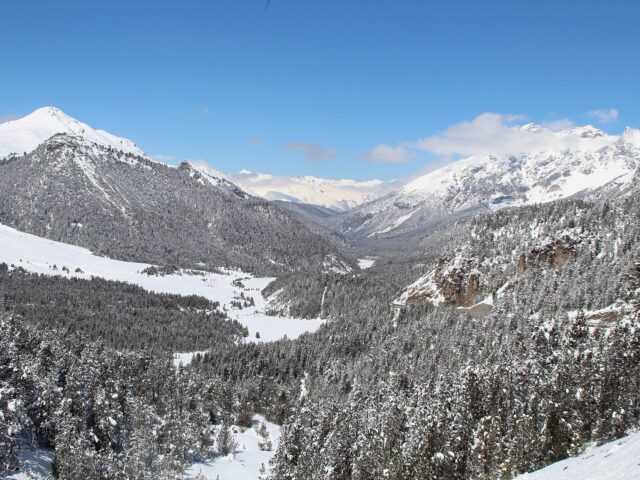
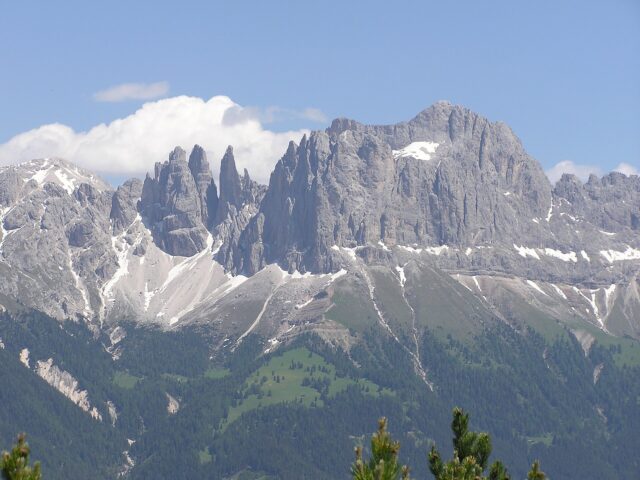
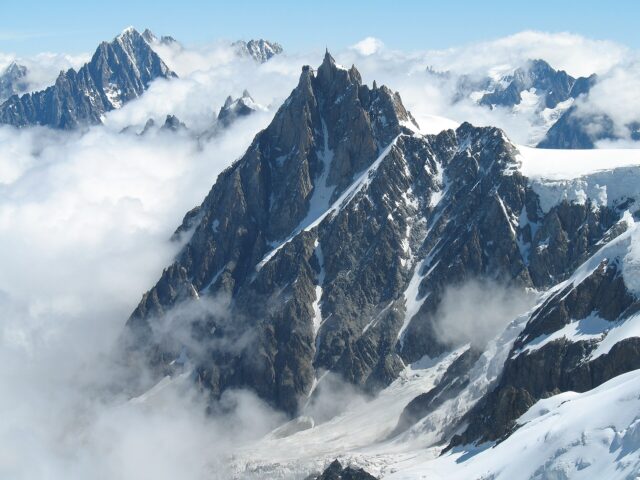
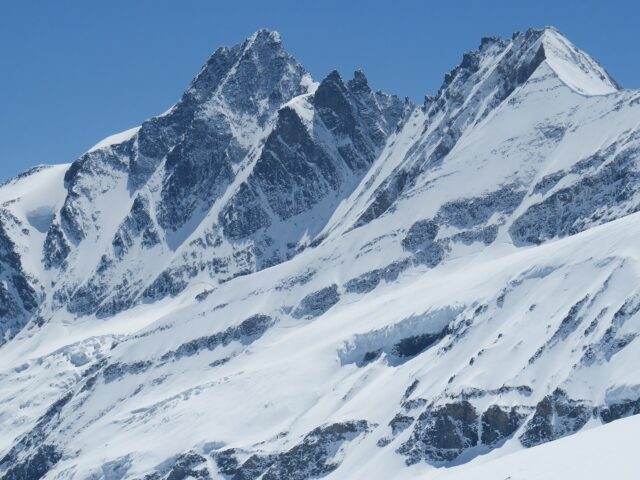
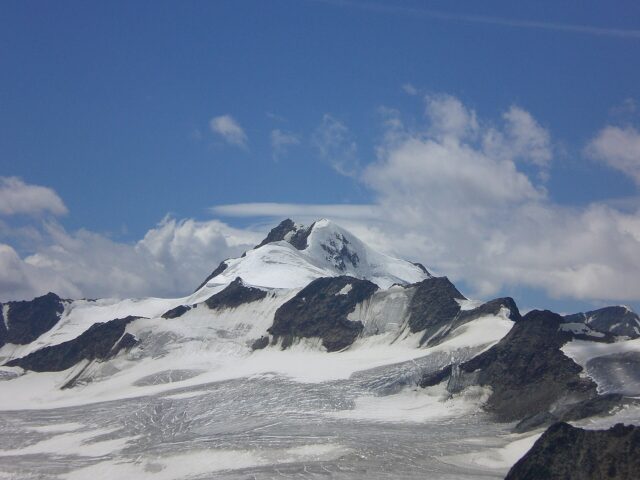
The Morteratsch Glacier at the foot of the Bernina group is one of the most easily accessible glaciers in the Alps. From the Morteratsch station on the Bernina line a flat glacier trail leads to the ice tongue; signs along the way show the dramatic retreat of recent decades. In the background rises the Piz Bernina.
Highlights
- Easily accessible glacier trail
- Markings show the glacier retreat
- View of the Piz Bernina
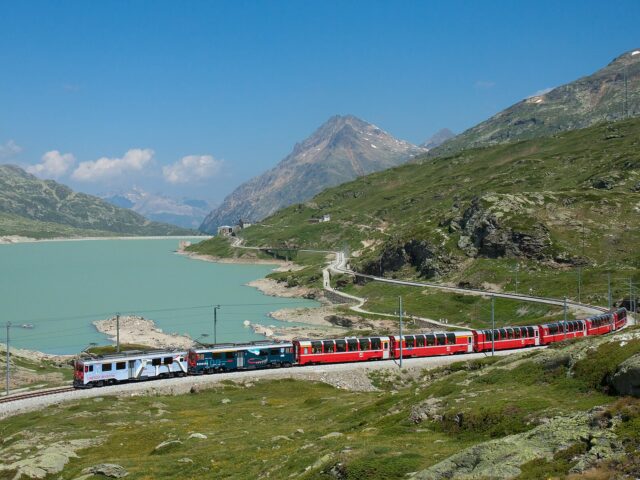
- Reachable by the Rhaetian Railway
Good to know
| Mountain range | Bernina group |
| Access | Glacier trail from Morteratsch station |
| Note | strong glacier retreat |
| Nearby | Piz Bernina, Diavolezza |
Practical info
Getting there: With the Rhaetian Railway (Bernina line) to Morteratsch.
Best time: June to October.
Cost: Glacier trail free; railway payable (please verify).
Safety: The path to the glacier edge is easy; step onto the ice itself only with a guide.
Tips:
- The year markers along the way make the retreat strikingly visible
Background & History
The Morteratsch Glacier, in Romansh Vadret da Morteratsch, is the largest continuous glacier of the Eastern Alps and rises from the eternal ice around the Piz Bernina and the Piz Palü in the Upper Engadine. For thousands of years it pushed its mighty tongue of ice far out into the valley, yet since the end of the so-called Little Ice Age in the mid-19th century it has been retreating continuously. Signs along the glacier trail today mark where the ice masses ended in the individual decades, making the loss strikingly tangible.
It is precisely this visible retreat that has made the Morteratsch one of the most studied glaciers of the Alps, an open-air laboratory of climate research, easily reached from the nearby station of the Bernina Railway. The rock around the Bernina group is ancient: the Bernina granite formed more than 300 million years ago, long before the actual folding of the Alps, and was later pushed as an East Alpine nappe over the lower rock storeys in the course of the mountain formation. So at the Morteratsch deep earth history meets the rapid present of the melting ice.
To make your trip run smoothly , our guides and gear tips for this destination: